


Navigating the AL System: A Parent’s Guide to Realistic Goal Setting

The shift from the old T-score to the Achievement Level (AL) system was designed to reduce the "fine differentiation" between students in Singapore. In the past, a single mark could feel like a life-altering event. Today, the AL system groups students into broader bands, shifting the focus from competing against the cohort to mastering the subject. However, for many parents, this change has brought a new kind of confusion. How do you set a "realistic" goal when a score of 74 and 65 both land in the same AL5 bracket?
Navigating this landscape requires a shift in mindset. You are no longer chasing a moving target based on how other children perform. You are now looking at absolute mastery. Setting a target score is about understanding these bands and using them to build a roadmap that motivates your child rather than overwhelming them.
Demystifying the AL Scoring Bands
Under the AL system, each of the four PSLE subjects is graded from AL1 (90 and above) to AL8 (below 20). Your child’s total score is simply the sum of these four levels, with 4 being the best possible total.
The most important thing to notice is that the bands are not equal in size. The top four bands (AL1 to AL4) are very narrow, with only five marks separating them. This means that at the high end, every mark still matters significantly for school placement. Conversely, the middle bands like AL5 and AL6 are much wider. This is intentional. It allows students in the middle range to focus on broad improvement without the pressure of chasing every single mark. When setting goals, it is often more effective to aim for a "10 percent improvement" in raw marks rather than just jumping an AL level, especially in those wider brackets.
The Flaw in School Weighted Assessments
Most parents rely on the results of school weighted assessments (WAs) to set PSLE targets. While these are useful, they can often be misleading. School papers vary in difficulty. One semester, a "hard" Math paper might result in an AL4, while an "easier" paper the next term results in an AL2. This volatility makes it difficult to see the child’s true trajectory.
School assessments are also "snapshots" in time. They tell you how your child did on a specific set of questions on a specific day. They don't necessarily show the underlying trend of their conceptual understanding. If your child had a bad day or if the paper focused heavily on their one weak topic, the resulting AL score might not reflect their actual ability. This is where many parents inadvertently set goals that are either too high, leading to stress, or too low, leading to complacency.
Predictive Data vs. Exam Snapshots
This is where we use data to provide a clearer picture. At Geniebook, our AI doesn't just look at one exam; it looks at every single question your child has answered over months of practice. This continuous stream of data allows us to provide a far more accurate prediction of their AL system potential than a single school paper ever could.
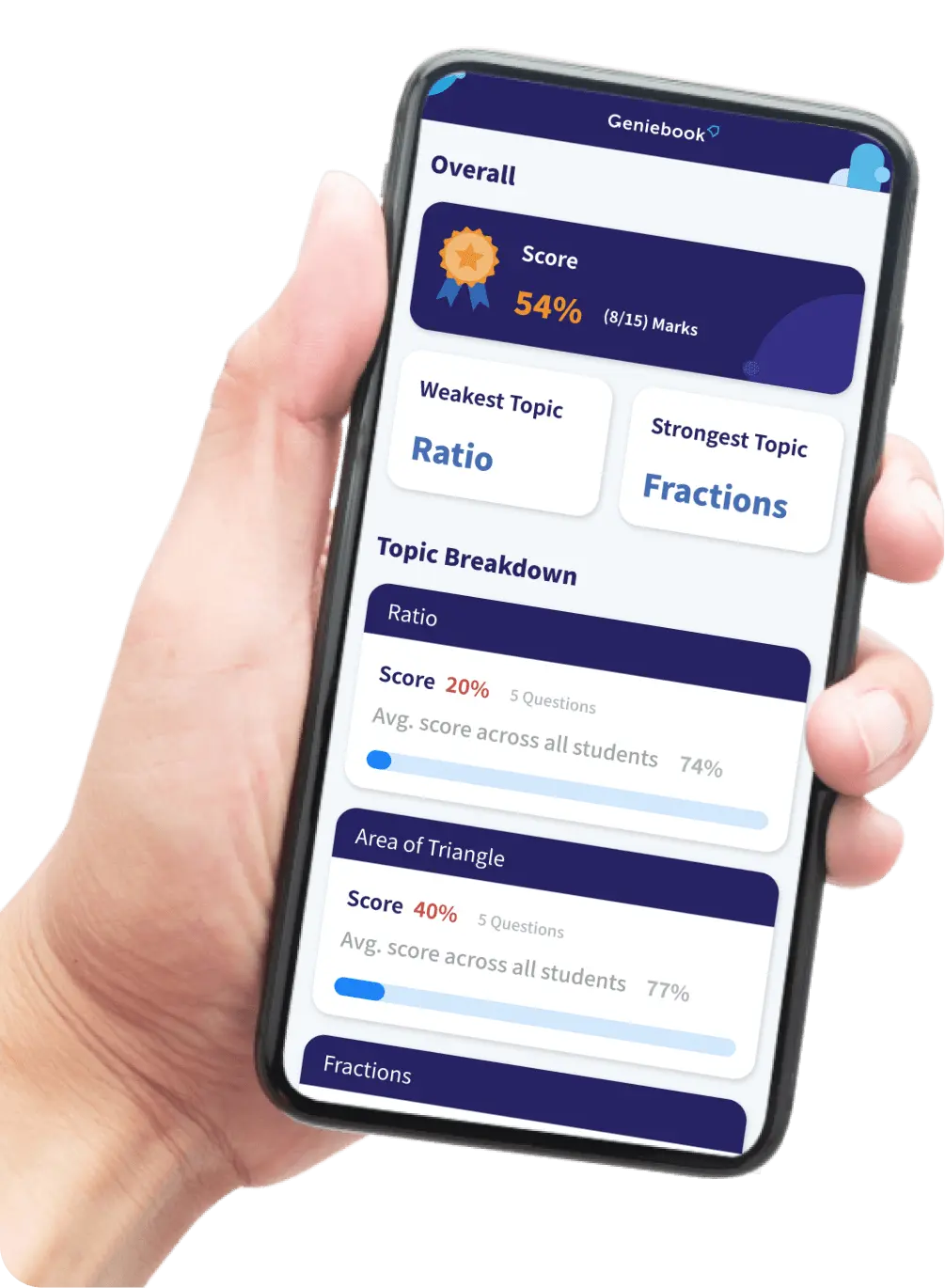
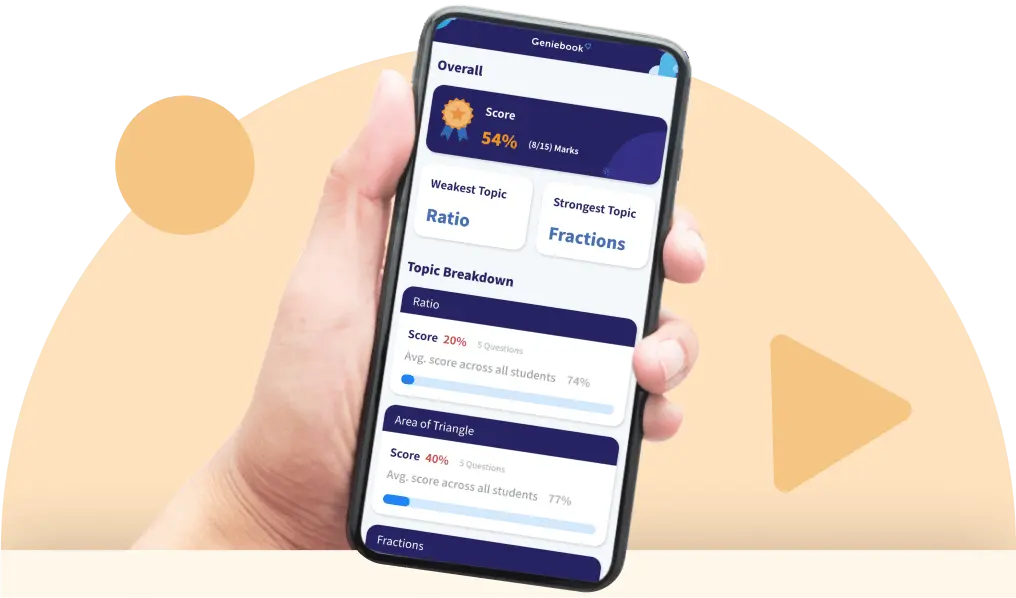
- Real-Time Mastery Tracking: Instead of waiting for the end-of-term report, you can see your child's "Current Mastery" at any moment. Our AI identifies if they are consistently performing at an AL2 level across hundreds of varied questions, which is a much more stable indicator of their true standing.
- Trend Analysis: We look at the "slope" of improvement. If a child is consistently closing gaps in "Geometry" and "Fractions," our data can predict when they are likely to move from an AL4 to an AL3. This allows you to set goals based on actual growth patterns rather than guesswork.
Setting the "Stress-Free" Target
To set a goal that actually works, involve your child in the conversation. Use the data from your Geniebook Parent App to show them their progress. Instead of saying, "You must get an AL1," try saying, "The data shows you are already at a strong AL3. If we focus on these three specific topics in Science, we can move toward an AL2 together."
A realistic goal is usually one "band" up from their current consistent performance. If they are scoring AL5, aim for AL4. This feels achievable. If they meet the goal, celebrate the effort and the process, not just the result. If they don't, use the Mastery Reports to see exactly why. Perhaps they improved their conceptual knowledge but lost marks to technique. That is still progress, and acknowledging it prevents the "all-or-nothing" mentality that fuels exam anxiety.
Conclusion: A Roadmap Built on Evidence
Navigating the AL system is about moving away from the fear of the unknown. When you have access to predictive data and a clear understanding of the scoring bands, the PSLE stops being a "black box" and starts being a manageable challenge.
By setting goals based on continuous data rather than isolated exam scores, you provide your child with a realistic and supportive environment. You become a coach who uses evidence to guide them, helping them walk into the exam hall with the confidence that they have already proven their ability time and time again.
Book a Complimentary Strengths Analysis today to see your child's predicted AL scores and start building a data-driven roadmap for their 2026 success.