 SG
SG  VN
VN 

The Sandwich Generation of Students: Managing the Stress of CCAs, Tuition and Leisure
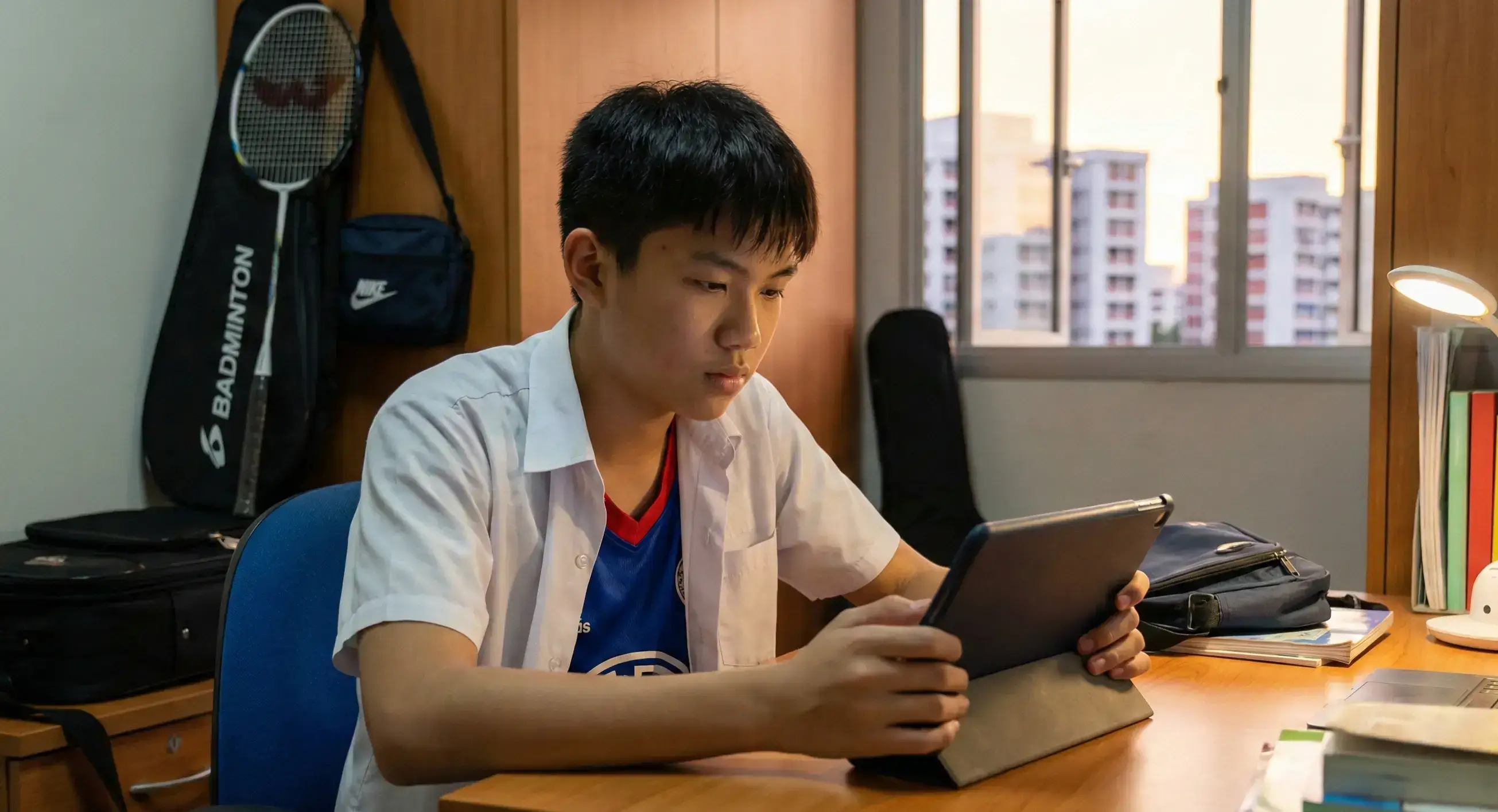
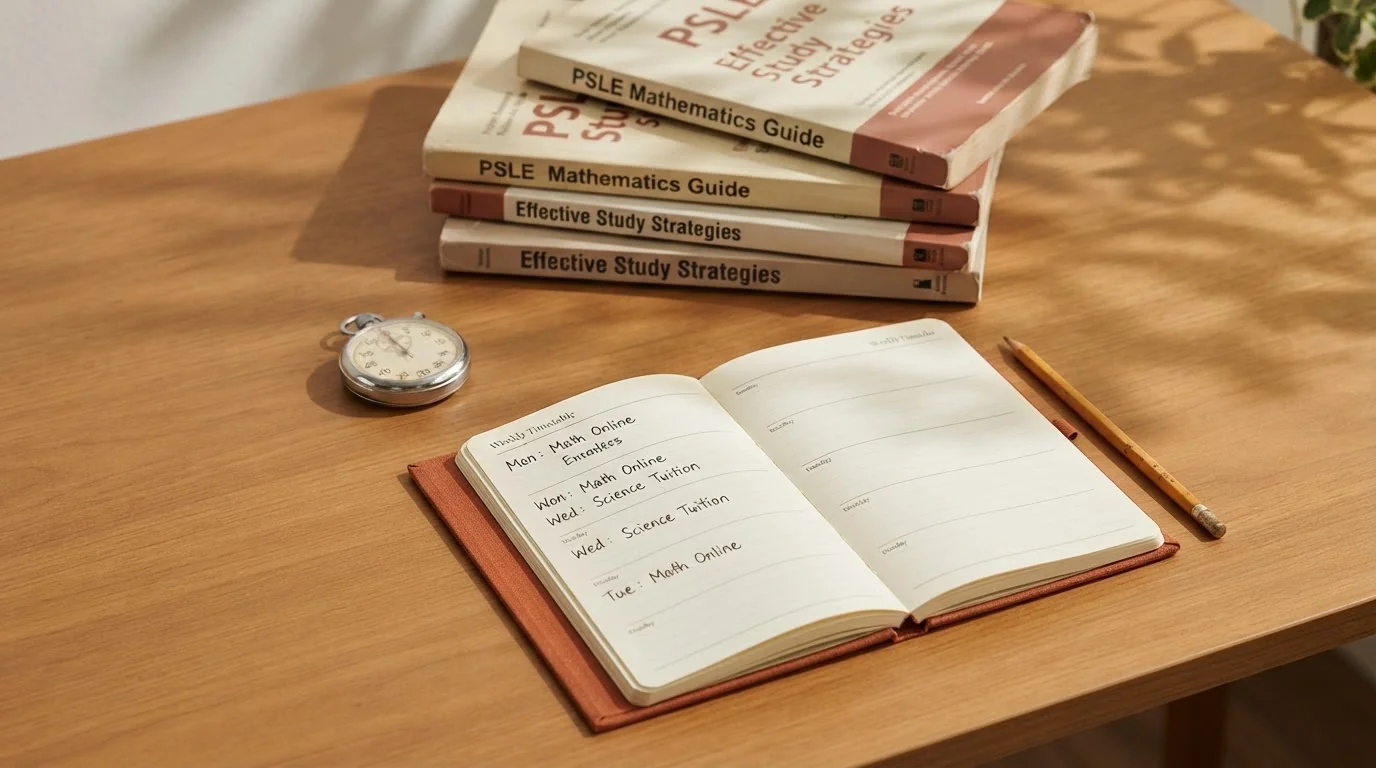
In Singapore, we often talk about the "Sandwich Generation" of adults who are squeezed between caring for children and elderly parents. But there is a younger version of this phenomenon. Our students are increasingly becoming a different kind of sandwich generation, squeezed between the intense physical demands of Co-Curricular Activities (CCAs) and the academic weight of supplementary tuition. By the time a student reaches Secondary 3, their day often starts at 6:30 am and doesn't truly end until 10:30 pm. This relentless schedule is a primary driver of student burnout, leaving almost no room for the one thing every child needs for healthy development: unstructured leisure.
Recent data from the 2024 National Youth Mental Health Study reveals that over 30 percent of young people in Singapore report severe symptoms of stress or anxiety. While CCAs are vital for holistic development and social bonding, the sheer volume of commitments means that many students are living in a state of chronic exhaustion.
The High Cost of the "Just in Case" Schedule
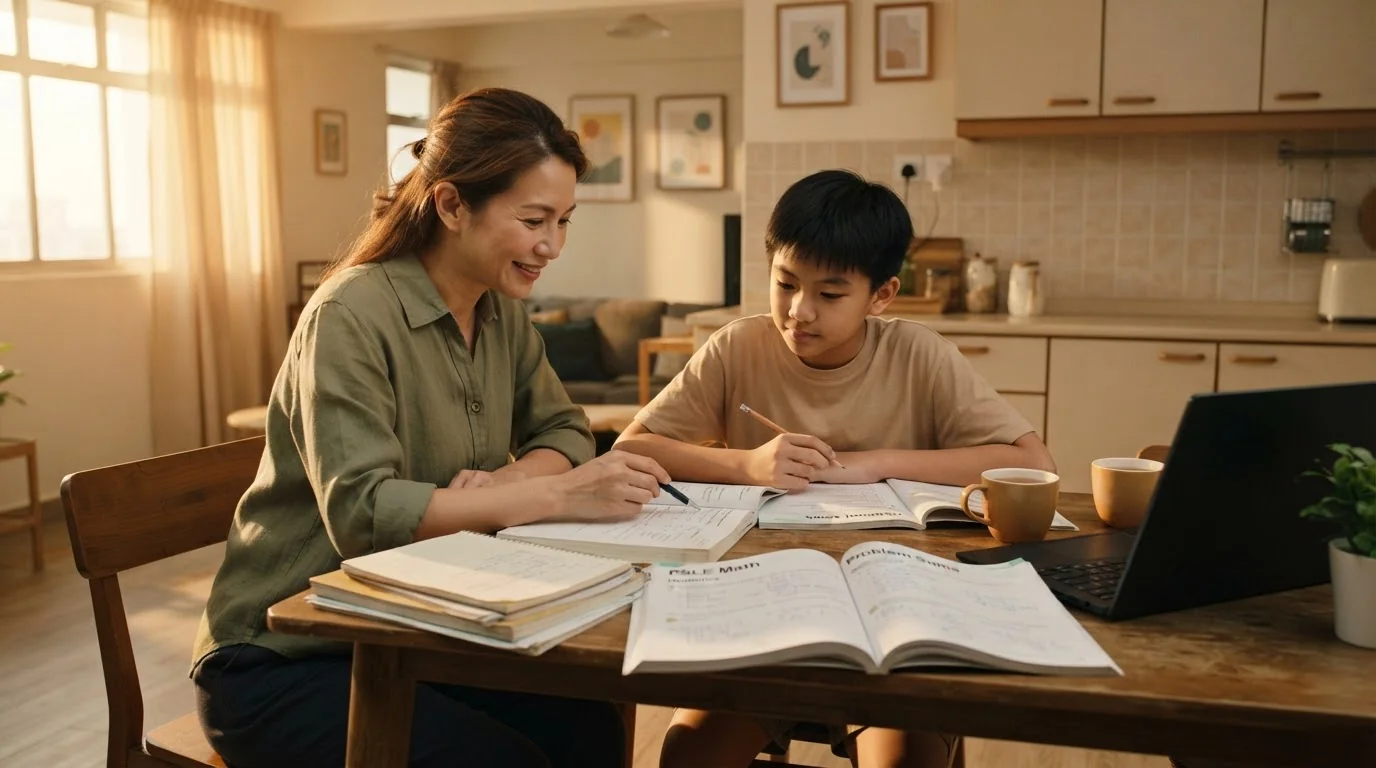
Many parents feel the pressure to fill every gap in their child's timetable. If a child has a free Saturday, the instinct is often to add another enrichment class "just in case." However, this approach often backfires. When a brain is consistently tired, its ability to retain information drops significantly. A student might spend three hours in a tuition centre, but if they are mentally burnt out from a four-hour CCA session earlier that afternoon, those three hours are effectively wasted.
The goal isn't to remove CCAs or tuition, as both provide essential value. Instead, we need to look at how to reclaim the hours lost to inefficiency. Student burnout isn't just caused by having too much to do; it is caused by doing things that don't yield results. In a traditional tuition setting, a student might spend an hour listening to a teacher explain a concept they already know. That is sixty minutes of their life they will never get back, time that could have been spent on sleep or play.
Reclaiming Time Through AI Efficiency
This is where the shift to personalised learning becomes a lifesaver for the modern Singaporean family. At Geniebook, we treat a student's time as their most precious resource. Our AI-driven ecosystem is designed to eliminate the "filler" that leads to student burnout.
- No Wasted Practice: Traditional assessment books and generic tuition worksheets force students to do 50 questions to find the five they actually struggle with. Our AI Worksheets identify those five questions immediately. By skipping the 45 questions they have already mastered, a student can achieve the same learning outcome in a fraction of the time.
- The AI Progress Recommender: This tool removes the "decision fatigue" that often plagues tired students. Instead of staring at a pile of books wondering where to start, the AI suggests the most high-impact task for that day. This allows the student to finish their revision faster and with less mental friction.
Using Gamification as a Stress Reliever
We also address the emotional side of the "sandwich" squeeze. When learning feels like a high-stakes chore, stress levels rise. By using gamification, we turn the act of revision into a low-pressure, rewarding experience.
Our "Bubbles" system allows students to earn rewards for their effort, not just their grades. This shifts the focus from the fear of failure to the joy of progress. When a student feels a sense of agency and reward in their study, the psychological weight of the workload feels lighter. It transforms a mandatory task into a personal challenge, which is a powerful way to mitigate the symptoms of student burnout.
The Importance of "Strategic Laziness"
As a parent, the best thing you can do for your child’s long-term success is to schedule leisure time as strictly as you schedule tuition. We often call this "strategic laziness." It is the understanding that rest is not a luxury; it is a biological requirement for high performance.
Use the data from the Geniebook Parent App to see when your child has achieved their mastery goals for the week. Once they hit that target, give them permission to stop. Whether it is playing a video game, going for a swim or simply doing nothing, that downtime is when the brain processes and cements what it has learned. A student who has had eight hours of sleep and an hour of play will always outperform a sleep-deprived student who has spent twelve hours staring at a textbook.
Conclusion: Balancing the Scales for 2026
The "Sandwich Generation" of students doesn't have to be a generation that burns out before they even reach university. By leveraging AI to remove wasted time and embracing a more data-driven approach to revision, we can balance the scales.
We can have the benefits of rigorous CCAs and academic excellence without sacrificing the mental health and childhood of our students. It is about working smarter, not longer. When we give children their time back, we aren't just improving their grades; we are giving them the space to grow into well-rounded, resilient individuals.
Book a Complimentary Strengths Analysis today to see how our AI-powered suite can help your child master their syllabus in less time, leaving more room for the things they love.