 SG
SG  VN
VN 

My Child Needs Constant Reminders to Study. What Actually Helps?

Why Constant Reminders Don't Work (and What Does)
If your child needs constant reminders to study, the solution is not a louder voice or more frequent nagging. The key is to systematically replace external cues with your child’s own internal motivation and organisational skills. While it feels helpful, constant prodding actually prevents children from developing the crucial executive functions they need to manage their own lives. Research published in Frontiers in Psychology found that excessive reminders, a hallmark of helicopter parenting, can reduce a student’s self-efficacy by as much as 33%. In short, nagging trains your child to wait for your prompt instead of developing their own.
The goal is to foster genuine independence. This shift is one of the deepest acts of love a parent can offer. It moves you from being a source of friction to becoming a supportive ally in their academic journey through their primary and secondary education.
How Do I Shift from Reminder to Mentor?
Becoming a mentor means you stop providing the answers and start helping your child build their own systems. This approach works because it gives them ownership over their responsibilities. It’s a change in mindset from “Have you done your homework?” to “What’s our plan for getting homework done today?”
Start by Co-Creating a System
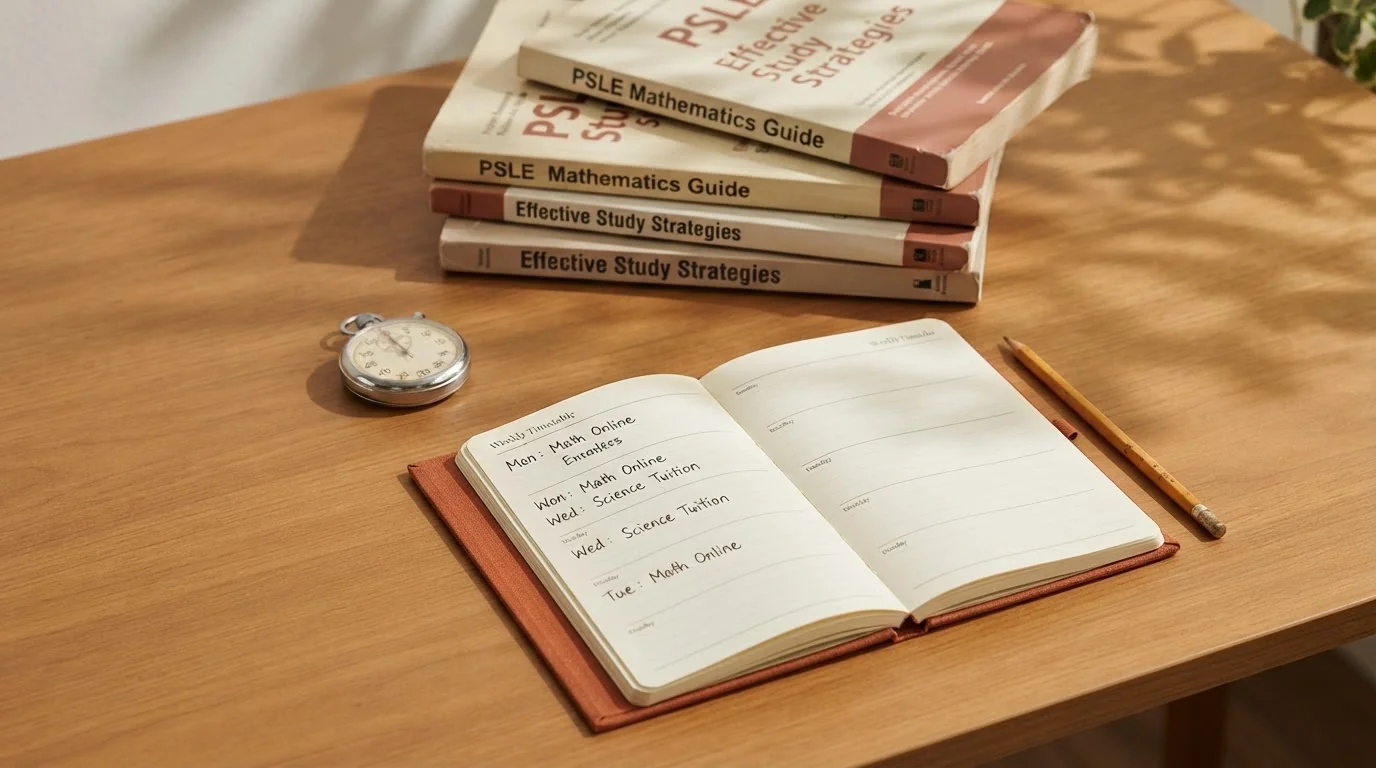
Instead of just telling them what to do, sit down with your child and problem-solve together. For many primary students, their memory isn't the problem. The lack of a system is. Brainstorm ways to remember tasks. This could be a simple, physical checklist on the fridge for packing their school bag or a large weekly planner on their wall outlining study periods and homework deadlines. Make it visual and place it in a high-traffic area. The act of creating it together is the first step in transferring responsibility.
Make Progress Visible and Tangible
Small wins build momentum. A visual tracker where your child can tick off completed tasks or add a sticker for a finished worksheet provides instant, satisfying feedback. This simple act reinforces positive behaviour far more effectively than a verbal reminder. It makes their effort tangible and shows them they are capable of managing their work. This is especially effective for younger learners in primary school who are still developing their sense of accomplishment.
Connect Schoolwork to Their World
The MOE's refreshed curriculum for Primary 1 and 2 students, introduced in 2023, rightly focuses on nurturing curiosity and a joy for learning. We can support this at home. Instead of framing study as a chore, help your child see its purpose. If they are learning about fractions, bake a cake together and let them measure the ingredients. If they are studying plant life cycles, visit the Botanic Gardens. Connecting abstract concepts to real-world experiences makes learning feel relevant and fulfilling not just another task to be checked off.
A Parent's Action Plan: The First 30 Days
Building a new study habit typically takes one to two months of consistent effort. Here is a practical framework to guide you through the first crucial month. It requires patience but the payoff is a self-driven child.
| Week | Action |
|---|---|
| Week 1: The 'friendly ally' meeting | Schedule a calm talk. Frame the issue as a team effort: "I've noticed we're both getting tired of me reminding you about homework. Let's work together to beat this 'bad memory' problem." No blame. Just collaboration. |
| Week 2: Co-create the visual system | Design the checklist or planner together. Let them choose the colours and format. Start with just one or two small, manageable tasks to build confidence. The goal is consistency not volume. |
| Week 3: The short feedback loop | Instead of reminding them before, ask them after: "How did our plan work today?" Praise the effort of using the system not just the result. If they forgot, ask "What can we tweak tomorrow to make the plan easier to follow?" |
| Week 4: Fading the scaffolding | Start stepping back. Let them take the lead in updating their planner. The goal is for them to refer to their system not you. Resist the urge to jump in if you see them starting to forget. Let them experience the small natural consequence of not being prepared for class. This is where real learning happens. |
Building Skills for a Changing Landscape
Helping a child who needs constant reminders to study is less about fixing a flaw and more about teaching a skill. It's about building the executive functions that will serve them long after they leave school. In Singapore's dynamic education landscape where parents navigate the complexities of Primary 1 registration for local primary schools and MOE's planned reduction in cohort sizes from 2026, self-discipline and independence are invaluable. By shifting from reminder-in-chief to a supportive mentor you are not just improving their grades. You are equipping them for life.
Frequently Asked Questions
Why Does My Child Wait Until I Nag Before Starting Their Revision?
When you remind your child repeatedly, their brain registers your prompt as the actual trigger to begin work. This reliance prevents them from strengthening executive function skills such as task initiation and self-monitoring. Research in Frontiers in Psychology shows that excessive reminders reduce self-efficacy by up to 33%, training children to wait for external pressure rather than developing internal ownership.
What Should I Do If My Child Misses a Deadline After I Stop Reminding Them?
Allow the natural consequence to occur rather than stepping in to rescue them. Experiencing a minor setback in school provides a tangible teaching moment. During your weekly reflection, review what broke down in their planning system together and ask how they can tweak their visual planner to avoid the issue next time.
How Do Visual Planners Help Primary School Students Build Independent Study Habits?
Visual planners translate abstract time management into concrete, manageable steps. For primary students who are still building self-regulation skills, visible checklists and wall planners provide immediate feedback, reduce cognitive overload and make daily effort tangible.
How Can I Align Home Study Habits With the Refreshed MOE Primary Curriculum?
The MOE curriculum focuses on nurturing curiosity and practical application over rote repetition. You can support this at home by connecting academic concepts to real-world experiences (such as applying fraction lessons while baking or exploring the Botanic Gardens to understand plant life cycles) making self-directed revision feel relevant and fulfilling.