 SG
SG  VN
VN 

From Bali to Hoi An, how a family turned the world into their classroom
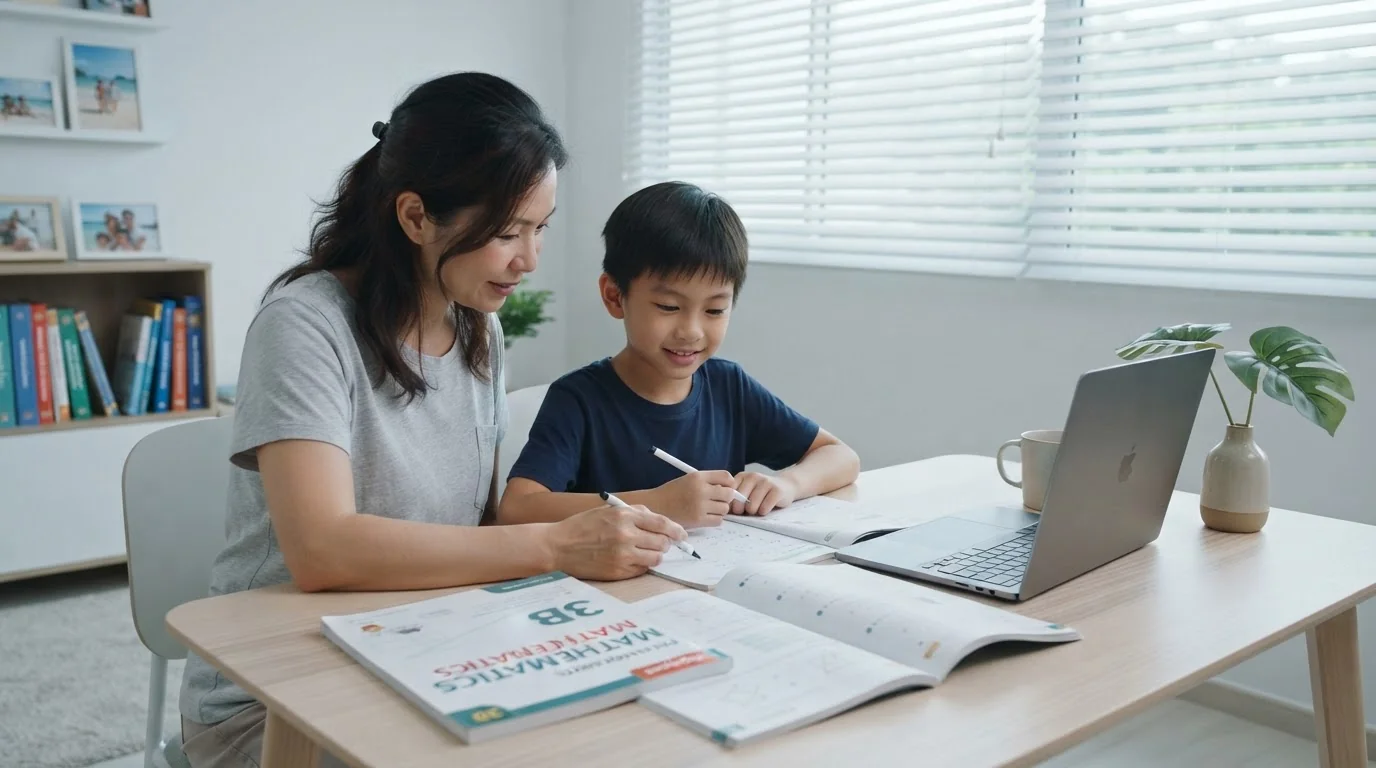
Can a World Tour Replace a Classroom?
For one Singaporean family, the answer is yes. The Ong family, with their four daughters, traded school runs for immersive stays in Bali and Hoi An, Vietnam, embracing a lifestyle known as worldschooling. This approach replaces formal schooling with a borderless classroom, focusing on real-world learning and cultural immersion. But for parents rooted in a system defined by the PSLE and the demanding Singapore Mathematics curriculum, a critical question arises: how does this unconventional path prepare children for academic realities?
What Is Worldschooling, Really?
Worldschooling is not a perpetual holiday. It is a deliberate educational philosophy where travel and cultural immersion are the primary tools for learning. For the Ong family, this meant months spent living in local communities, where their daughters learned practical skills like farming and local crafts. The goal is to cultivate curiosity, adaptability and a deep appreciation for different ways of life, far from the structured environment of a typical school day.
The learning is hands-on and context-driven. Instead of reading about ecosystems in a textbook, a child might learn it while exploring a mangrove forest. History is not a series of dates but the story behind ancient ruins they can actually touch.
How Does Worldschooling Handle Singapore Primary Mathematics?
This is where many Singaporean parents hesitate. Can learning about Boyle’s Law during a PADI scuba certification in Zanzibar truly replace structured Singapore Mathematics lessons? The answer is complex. Worldschooling does not ignore core subjects. It integrates them.
- Applied Mathematics: Budgeting for a year of travel, converting currencies daily, calculating distances and navigating using maps are all practical Mathematics exercises.
- Applied Science: The PADI example is perfect. Understanding atmospheric pressure and scientific laws becomes essential for safety not just for a test.
- Conceptual Understanding: While many students attend specialist Mathematics centres to build problem-solving skills, worldschooling builds it through daily, tangible problems. This approach fosters a natural intuition for numbers and logic that complements formal study.
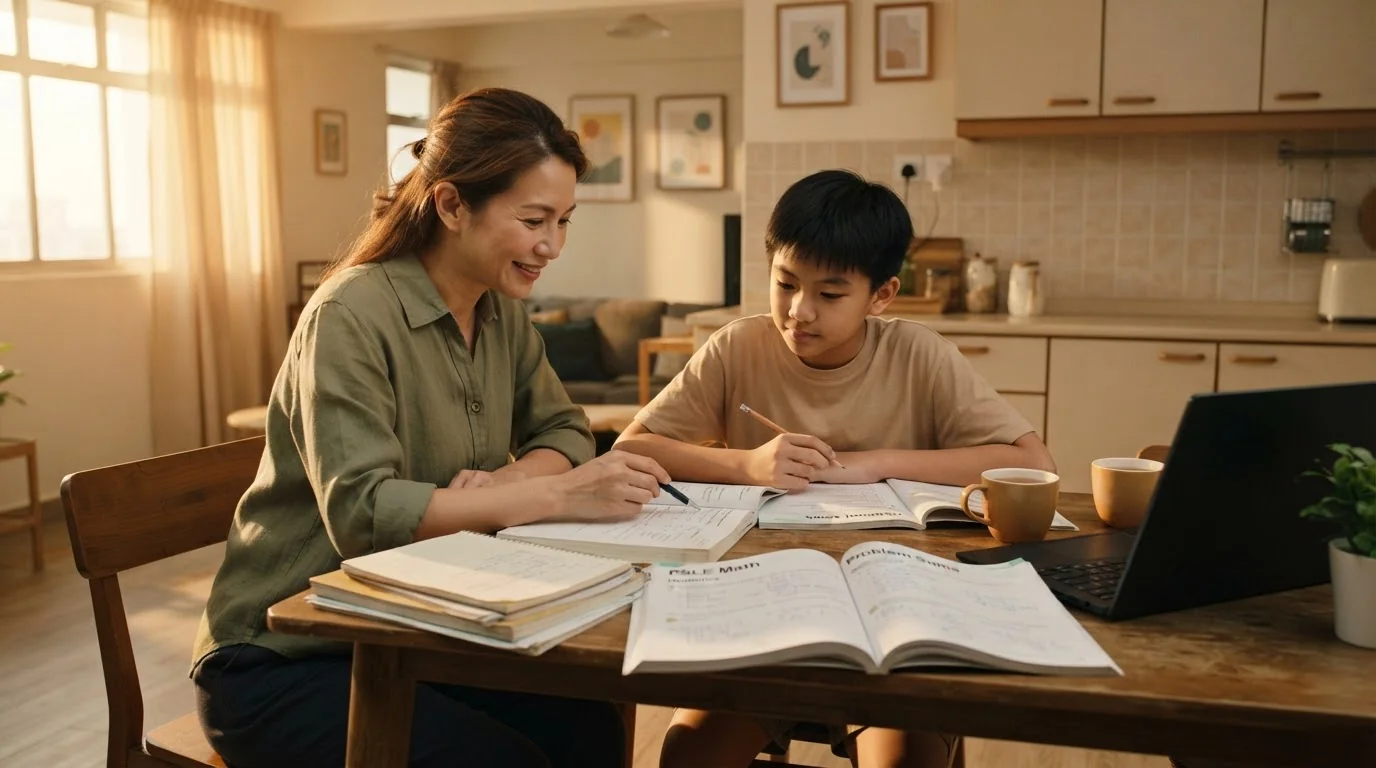
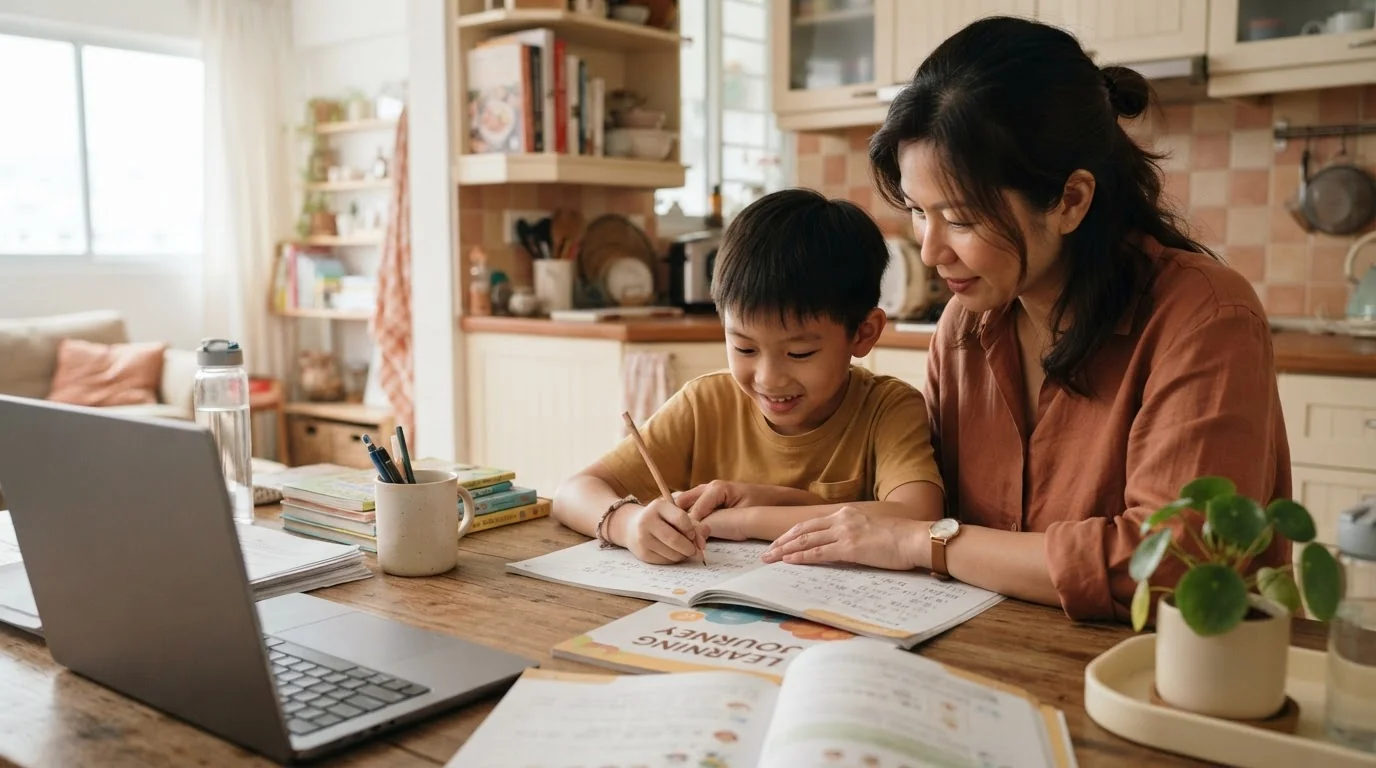
Many worldschooling families still use online resources or follow a structured curriculum for core subjects like Singapore primary Mathematics. They simply complete the work in a Balinese villa instead of a classroom, applying the concepts immediately to their surroundings.
A Spectrum of Approaches: It's Not All or Nothing
Worldschooling is not a single, rigid method. It exists on a spectrum, offering ideas that even families in Singapore can adopt.
The Full-time Nomad: Some, like author Andi Almond’s family, go all-in, covering 102,000 miles across seven continents in 13 months. Digital nomad families, like the Wiringis from New Zealand who have been travelling since 2020, have children who have never known a formal school.
The Settled Nomad: Other families travel for a period and then settle. Sharon Ward's family, after a nomadic phase, chose to live in Bali, enrolling their children in an international school. This provides a blend of stability and continued cultural immersion.
The Singaporean Hybrid: Most Singaporean families cannot simply leave. However, you can adopt a worldschooling mindset. Turn school holidays into deep-dive cultural trips. Use weekends to explore Singapore's own diverse heritage, from historical trails to nature reserves. This real-world context can strengthen what children learn in school and even prepare them for competitions like the Kangaroo Mathematics Singapore, which prizes logical thinking over rote memorisation.
What Are the Realities and Risks?
Worldschooling is not without significant challenges. It requires immense parental commitment, financial planning and logistical prowess. As the story of Josy and Joe shows, unforeseen personal tragedies can derail the best-laid plans, forcing a return home.
For Singaporeans, the biggest concern is re-integration. How does a child who has been learning on a farm in Vietnam fit back into the MOE system? The process involves placement tests and a period of social and academic adjustment. It is a significant hurdle that requires careful consideration.
Ultimately, the Ong family's journey is not just a story about travel. It's a powerful question posed to our education system. It suggests that building resilience, worldliness and a love for learning might be as crucial as acing an exam. While not every family can or should become global nomads, the principles of worldschooling offer a valuable lesson: the world is a rich and effective classroom, and a little of its curiosity can enhance any child's education, whether in Bali or Bishan.
Frequently Asked Questions
What Is Worldschooling Exactly?
Worldschooling is an educational approach that uses travel and cultural immersion as the main tools for learning instead of a traditional classroom. It is a deliberate educational philosophy where children learn through hands-on, context-driven experiences, such as exploring a mangrove forest or learning local crafts. This approach aims to build curiosity, adaptability and an appreciation for different ways of life.
How Do Worldschooling Families Teach the Singapore Mathematics Curriculum?
Worldschooling families teach the Singapore math curriculum by integrating it into real-world travel activities and often supplementing with online resources. For example, children learn applied mathematics daily through budgeting, currency conversions and calculating travel distances. While this fosters a natural intuition for numbers, many families still follow a structured curriculum for core subjects like Singapore primary math, completing Singapore math lessons online from anywhere in the world.
Do You Have to Travel the World Full-Time to Be a Worldschooler?
No, you do not have to travel full-time, as worldschooling exists on a spectrum of approaches. While some families become full-time nomads, others adopt a hybrid model. Families in Singapore can incorporate a worldschooling mindset by using school holidays for deep-dive cultural trips or exploring local heritage sites and nature reserves to provide real-world learning contexts.
What Are the Biggest Challenges for Singaporean Families Who Try Worldschooling?
The biggest challenge for Singaporean families who try worldschooling is re-integrating their children back into the MOE school system. This process can involve placement tests and a significant period of social and academic adjustment. Other major challenges include the immense parental commitment required, financial planning and logistical organisation for long-term travel.
Can Worldschooling Help With Problem-Solving Skills Needed for Kangaroo Math Singapore?
Yes, worldschooling can help develop the problem-solving skills and logical thinking prized by competitions like Kangaroo Math Singapore. The approach builds these skills through daily, tangible problems like navigating with maps or budgeting for expenses. This focus on real-world application fosters a natural intuition for logic that complements formal study, rather than relying solely on rote memorisation.