 SG
SG  VN
VN 

Online Tuition vs Physical Classes: Which Is Best for PSLE?
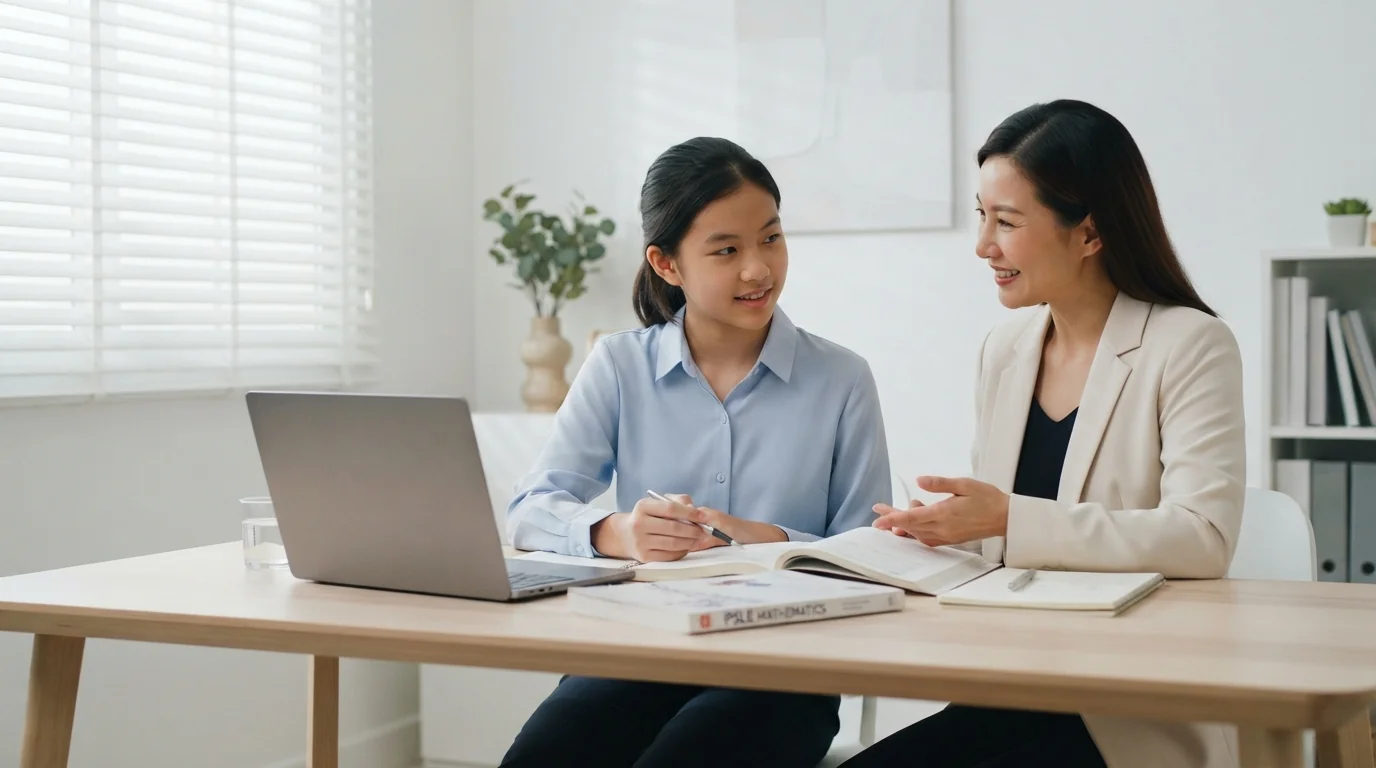
Online Tuition or Physical Centre: Which is Better for PSLE?
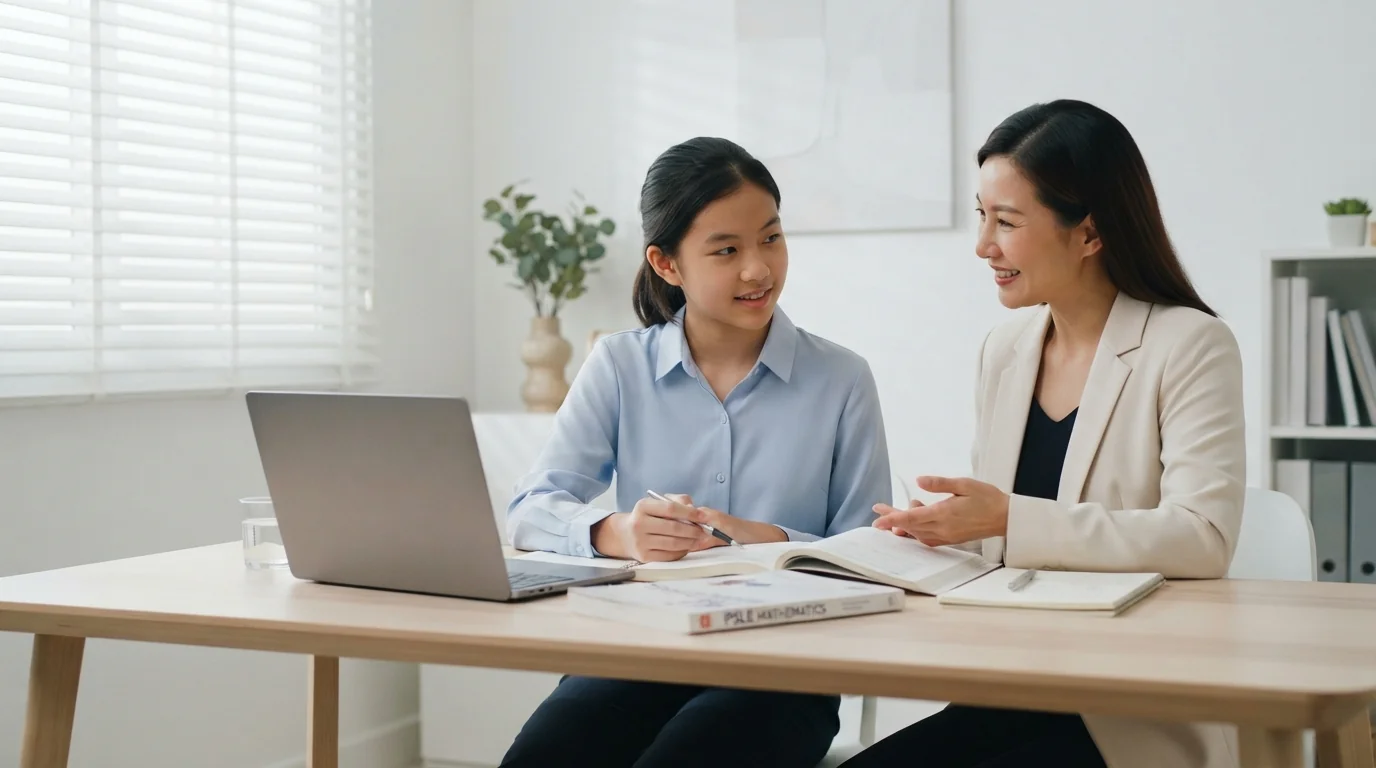
The best PSLE preparation format isn't a simple choice between online tuition and a physical centre. It depends entirely on your child's learning style, discipline and your family’s logistical realities. High-quality online platforms offer unprecedented convenience and personalisation. Physical classes provide a traditional structure and direct face-to-face interaction. The right decision hinges on which environment will help your P6 student thrive.
For decades, the default was a physical tuition centre. I’ve spoken to countless parents who felt like a private taxi service, rushing their children between classes. The pandemic forced a change and since then the interest in effective e-tutoring has remained high. Let's break down the factors you should consider.
Is the Commute to a Tuition Centre a Major Hurdle?
For many Singaporean families it is. The time spent travelling to and from a tuition centre is time that could be used for revision, rest or family bonding. Even with centres like Future Academy offering convenient locations near MRT stations in Bugis or Bukit Timah, the journey still eats into a packed P6 schedule.
Online tuition eliminates this completely. The convenience is a significant advantage, freeing up hours each week. This flexibility is especially valuable when managing a demanding schedule or if you need to travel during term time without disrupting your child's learning.
How Does Online Tuition Keep My Child from Zoning Out?
This is a valid concern for any parent. Early online learning was often just pre-recorded videos. Today’s live online classes are entirely different. To combat screen fatigue, platforms are designed to be highly interactive.
For example, Geniebook’s own GenieClass lessons feature live polls, real-time chats with co-teachers and interactive games to maintain high energy and engagement. Other providers like Xuelin Learning Hub use breakout rooms and regular tutor check-ins in their online Chinese classes to create a social spark that mimics a physical classroom.
Can My Child Get Personalised Learning Online?
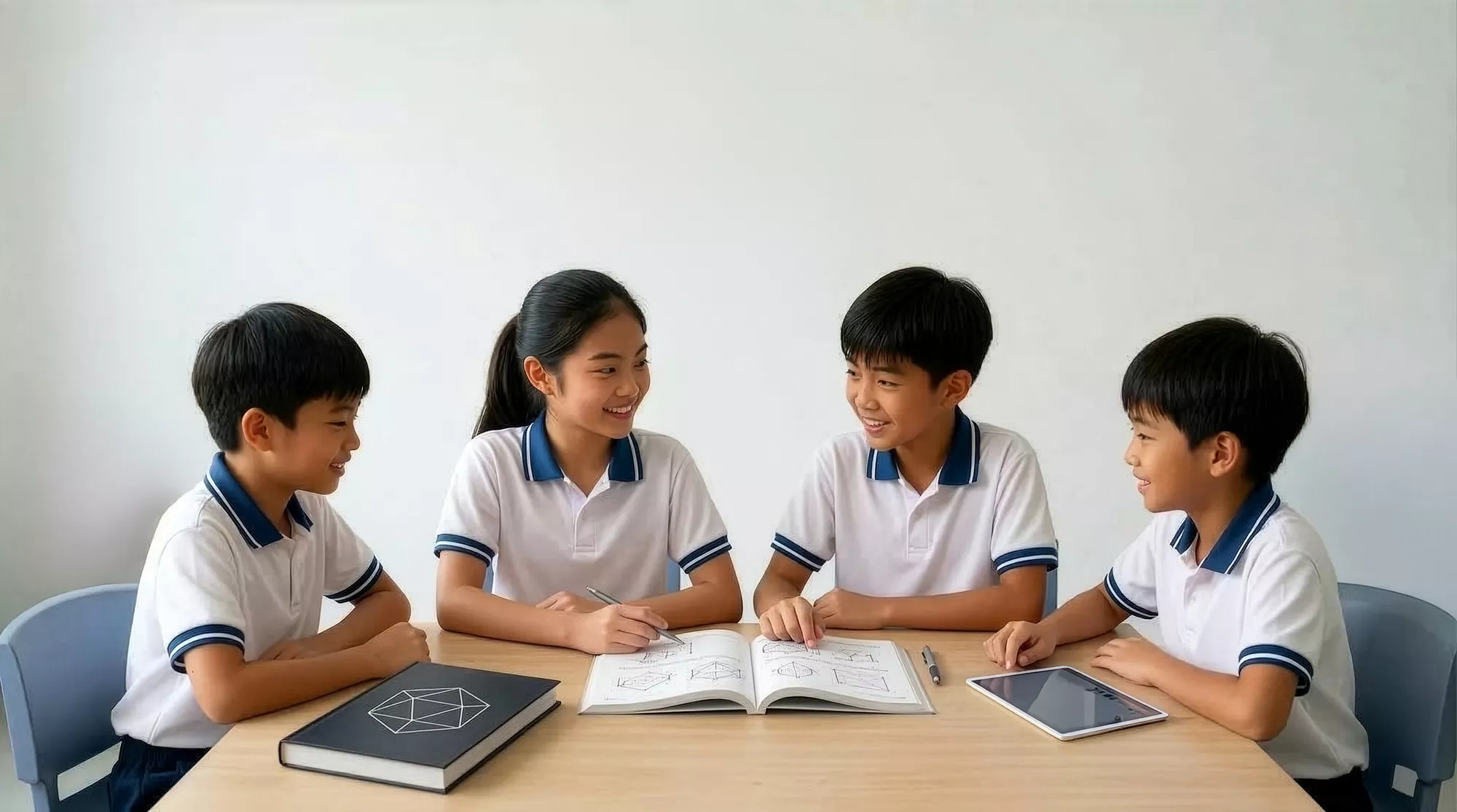
This is where online platforms have a distinct edge. A traditional physical class, even one with a good tutor-to-student ratio like Future Academy’s 1:6, often moves at a single pace. If your child grasps a concept quickly or falls behind they have to wait for the rest of the group.
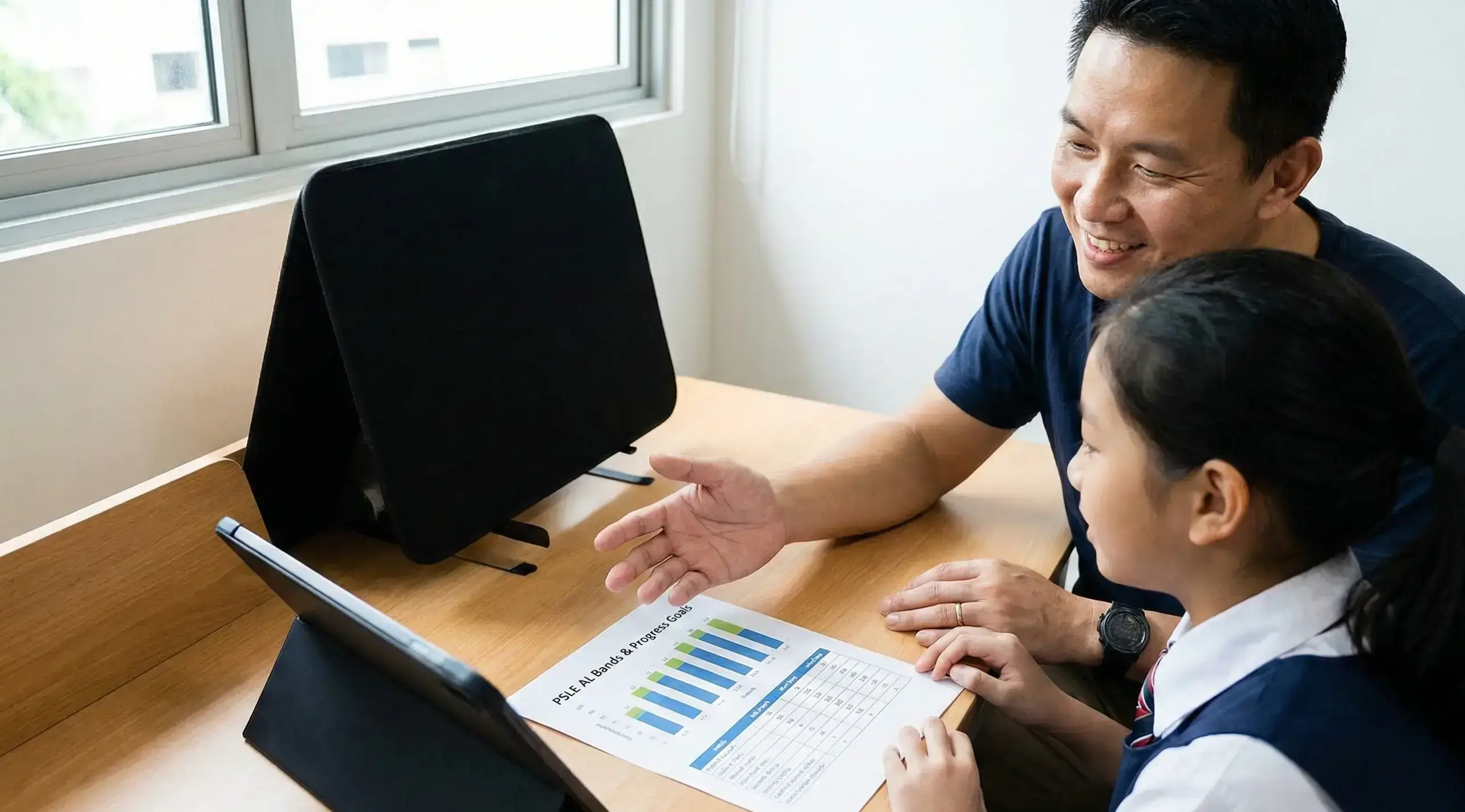
The digital format enables a level of Personalised Learning that is difficult to replicate offline. AI-driven tutoring services online can tailor a learning journey to your child’s specific PSLE AL banding and G1/G2/G3 levels. A student struggling with a topic in online science tuition can re-watch a recorded explanation multiple times. This ability for on-demand tutoring and content repetition is a powerful tool for mastering difficult concepts.
What About Interaction, Cost and Technical Issues?
Choosing between online and physical tuition involves a few more trade-offs. For certain skills, physical presence is hard to beat. Many educators agree that mock oral exams and writing drills for PSLE Chinese are more effective in person where tutors can directly supervise and correct posture and delivery.
Here’s a quick comparison:
- Interaction: Physical classes offer direct peer and tutor interaction. However, some children are shyer in person and may find it easier to ask questions via a chat box in an online setting.
- Cost: Online tuition can be more affordable. Without the overhead of large physical classrooms, some online programmes can pass those savings on.
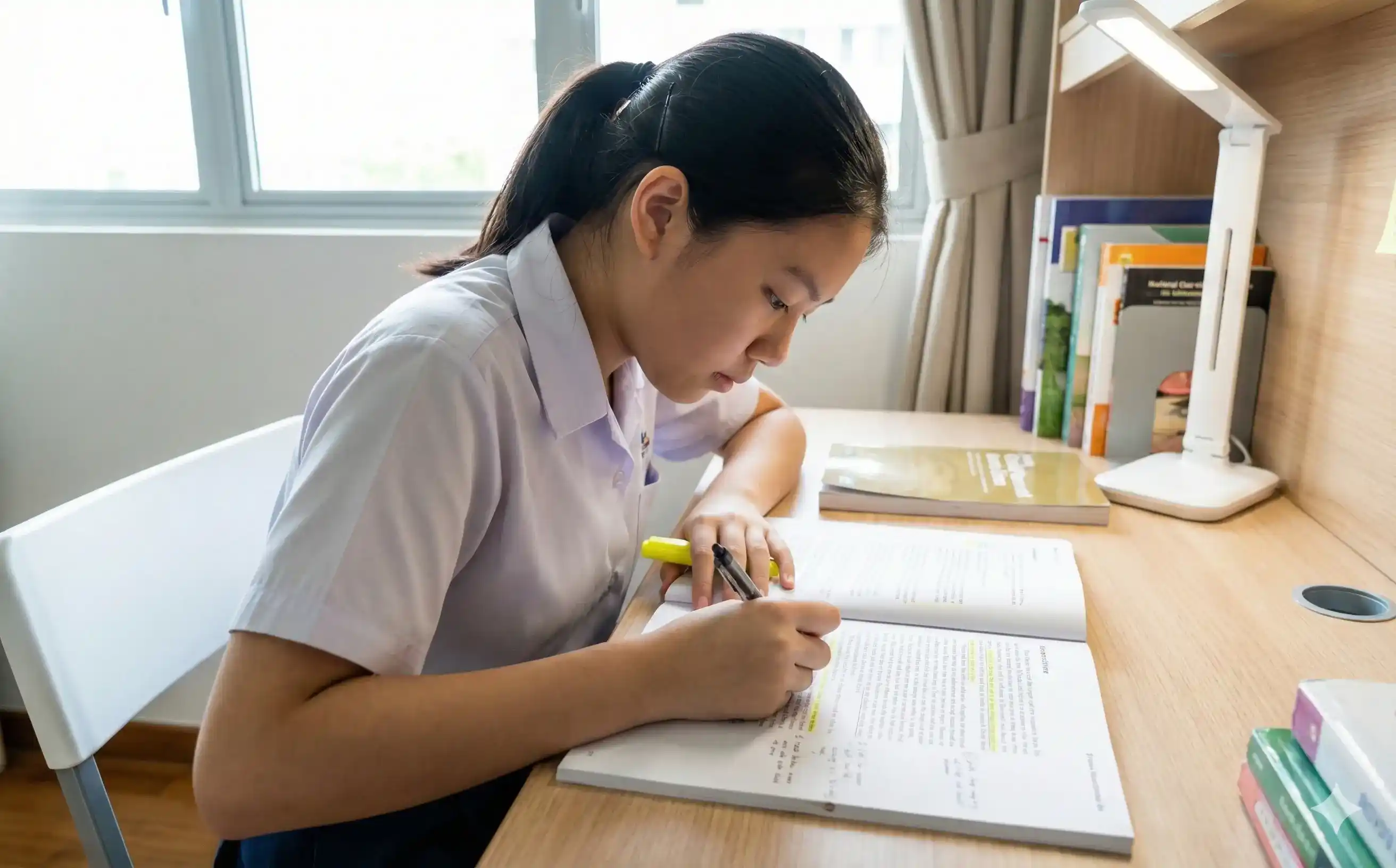
- Technical Glitches: Home tuition classes are dependent on a stable internet connection and a working device. Distractions at home can also be a challenge for students who lack discipline. To help, some providers offer free trials for both formats so you can see which works for your child.
The Rise of the Hybrid Model: The Best of Both Worlds?
Recognising that families need flexibility, some tuition centres now offer a hybrid model. Future Academy, for instance, uses the ClassIn platform to allow students to choose on a weekly basis whether to attend their lesson physically or join the same class online. This approach provides a safety net for sick days or when schedules become unmanageable, offering a practical solution that leverages the benefits of both formats.
The Final Verdict: A Quick Comparison for PSLE Parents
Ultimately, there is no single right answer. Both online tuition and physical classes deliver a structured, MOE-aligned curriculum taught by qualified tutors. Providers like MindChamps use platforms like Microsoft Teams, sometimes supplemented with 1-to-1 sessions, to deliver their PSLE programmes. The key is finding the right fit for your child.
| Factor | Online Tuition | Physical Classes |
|---|---|---|
| Convenience | Excellent (No travel time) | Fair (Requires commuting) |
| Personalisation | Excellent (AI-driven, self-paced revision) | Good (Small groups, but one-size-fits-all pace) |
| Interaction | Good (Live chats, polls and breakout rooms) | Excellent (Direct face-to-face with peers and tutor) |
| Discipline Required | High (Prone to home distractions) | Moderate (Structured, dedicated environment) |
| Best For | Independent learners, busy families and tech-savvy kids | Students needing direct supervision and social interaction |
Consider your child's personality. Is she a self-directed learner who would benefit from re-watching lessons? Or does he thrive on the energy of a physical classroom? By weighing these factors, you can make an informed choice that best supports your child's journey to PSLE success.