


Mastering PSLE: Your Comprehensive Guide to Using Past Year Papers

Mastering PSLE: Your Comprehensive Guide to Using Past Year Papers
Preparing for the Primary School Leaving Examination (PSLE) requires a focused approach and utilising past year papers is an essential strategy. These valuable resources offer more than just practice, they provide an authentic insight into the exam's structure, question styles and pacing. When used effectively, past year exam papers can create a clear roadmap for your child's academic journey, helping them build the confidence needed for the actual examination.
Beyond Rote Learning: The True Value of Past Year Exam Papers
It's natural for parents to view past year exam papers as a tool for repetition and drilling. However, their real potential extends far beyond that. While consistent practice is beneficial, the deeper value lies in understanding the 'language' of the examiners and the nuances of the PSLE format, which has evolved since its introduction in 1960.
Engaging with past year exam papers empowers students to:
- Decode Question Types: Students learn to recognise patterns in how questions are phrased, whether it's for Science's experimental design or Mathematics' heuristics. This builds crucial analytical skills.
- Master Time Management: Completing a full paper under timed conditions is a distinct skill from finishing a worksheet. It cultivates mental stamina and teaches effective time allocation, helping students stay on track during the actual exam.
- Understand Subject Weighting: Regular practice with past year exam papers highlights frequently tested topics, enabling a strategic focus on revision efforts for maximum impact.
Our approach encourages learning smarter, not just harder. The aim is to build familiarity and confidence, helping to overcome any uncertainty your child might feel.
Strategic Use of Past Years Exam Papers for the AL System
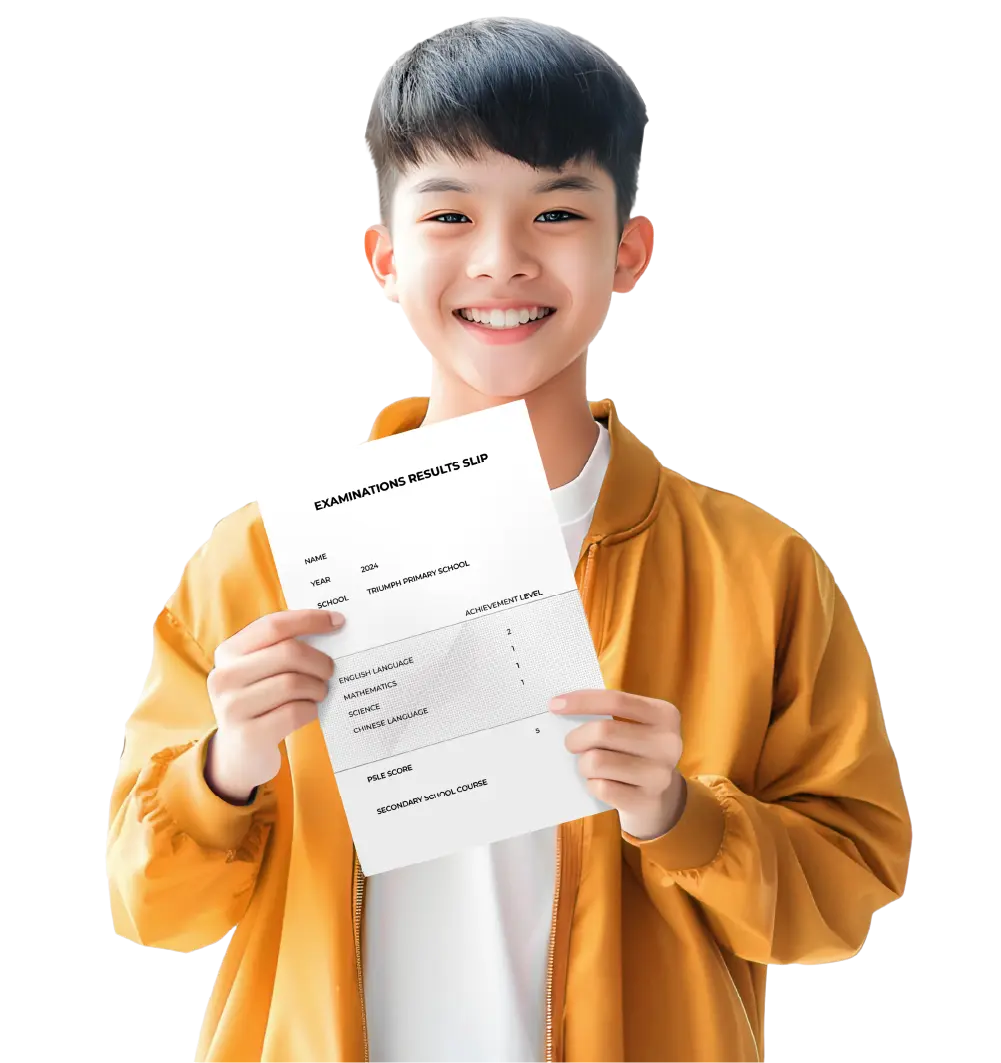
The introduction of the Achievement Level (AL) system in 2021 shifted the emphasis from comparative T-scores to individual subject mastery. This means your strategy for utilising past year exam papers should be adaptive and focused, moving beyond repetitive drilling towards a more structured, phased approach.
When considering a past year papers free download with answers PDF from unofficial websites, it is crucial to exercise discernment. Some resources may contain inaccuracies in the answer keys, which could lead to confusion and hinder your child's learning. Always verify solutions by cross-referencing with school notes or consulting an experienced tutor to ensure accuracy. Our goal is to ensure your child learns the correct methods efficiently.
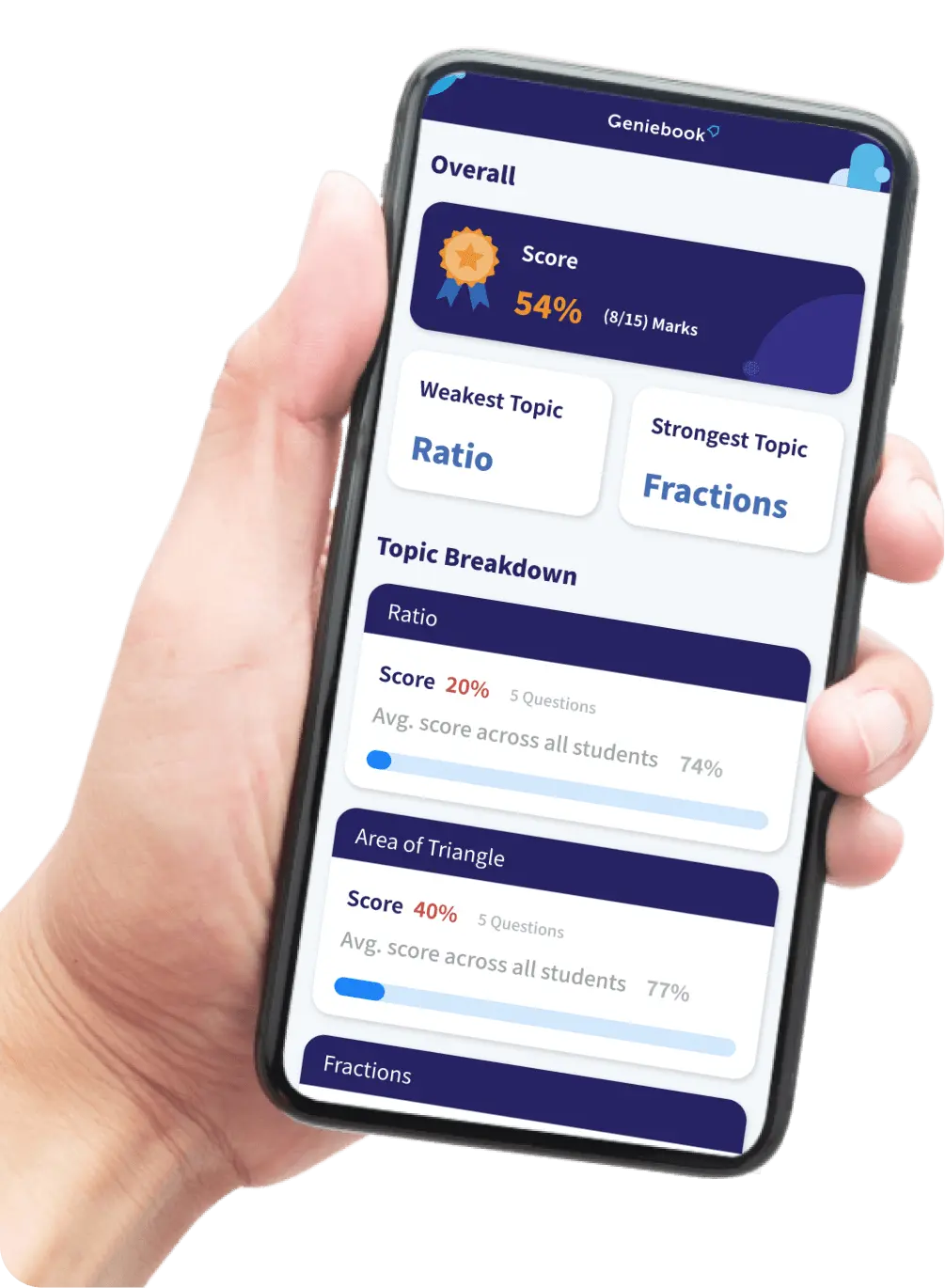
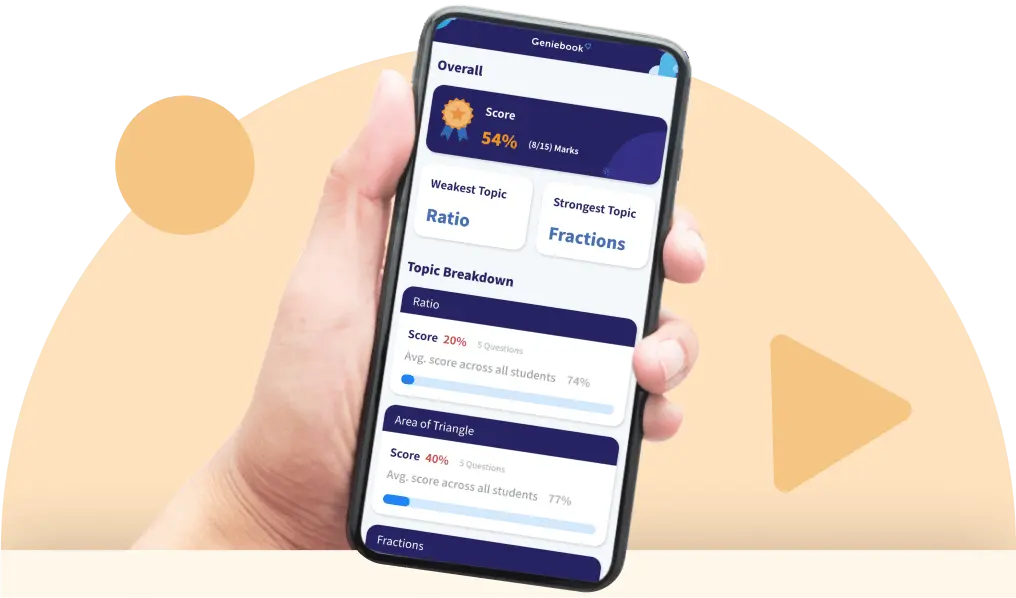
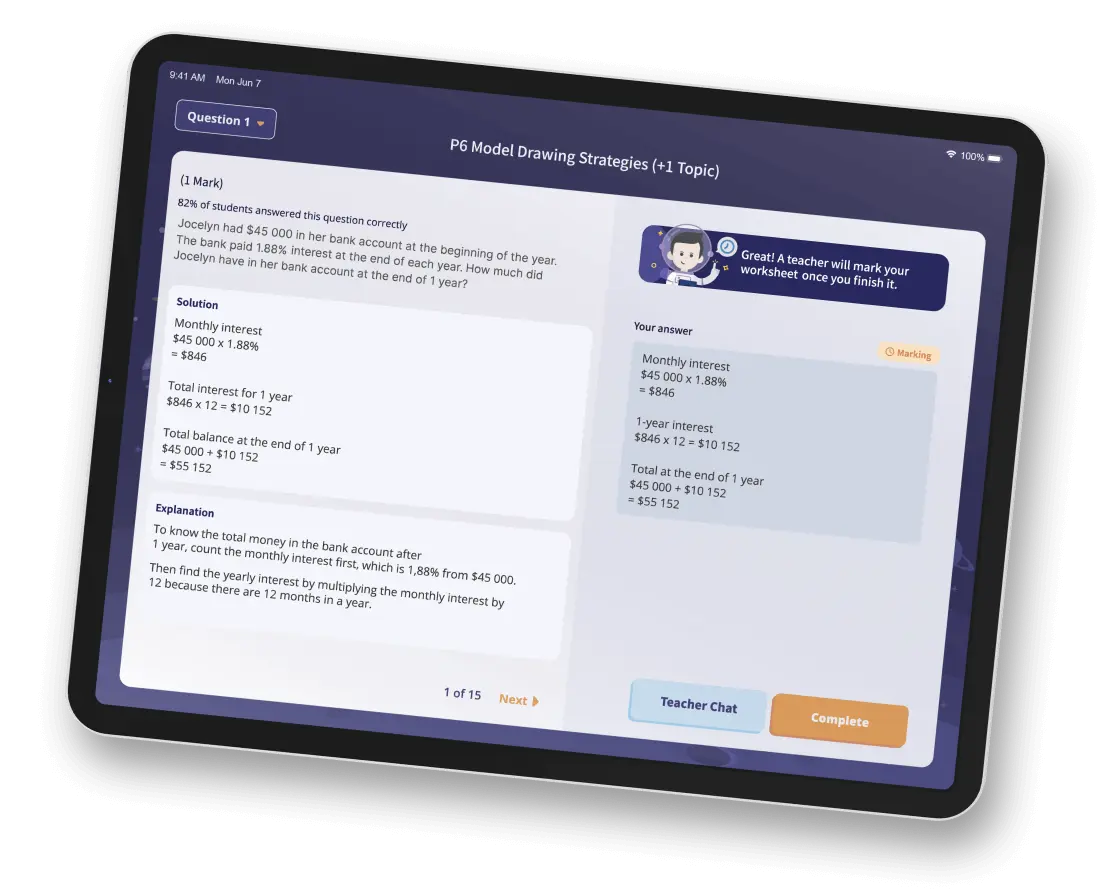
Geniebook offers Mock Exams yearly. Your child can experience a complete exam paper setting at their own convenience and time. This helps you pinpoint specific learning gaps they need to improve. We believe every student is capable of taking charge of their revision to reach their full potential.
Guidance from Experience: Common Pitfalls to Navigate
- Delaying Practice: Waiting until the final months to use past year exam papers can undermine preparation. This leaves insufficient time for the vital 'Diagnosis' and 'Error Analysis' phases, turning practice into a hurried effort rather than a strategic pathway to improvement. We encourage an early start to maximise learning potential.
- Overlooking Pre-2021 Papers: Although the scoring system evolved with the AL introduction, the core curriculum remains largely consistent. Older past years papers are still invaluable for pinpointing topic-specific weaknesses. Remember, the objective is to assess understanding, not to replicate old T-score calculations.
- Prioritising Scores Over Learning: Instead of focusing solely on the final score, we encourage a deeper conversation: "Which questions did you find most challenging, and why?" This shifts the focus from a potentially judgmental outcome to a constructive learning process. It's empowering to remember that the education system is designed for progression. Statistics show that over 98% of students successfully transition to secondary school. Our aim is to help your child find their optimal learning path, fostering a healthy, sustainable attitude towards their academic journey.
Your supportive role as a guide is crucial. By using these past exam papers as a strategic tool, you can help your child build essential skills and confidence. Shifting the emphasis from the final grade to the continuous process of learning and improvement not only prepares them for the PSLE but also instills a valuable, lifelong love for learning.