


PSLE English Oral: A Parent's Guide to Mastering the Stimulus-Based Conversation

Developing a Structured Response for the Conversation
We understand that the Stimulus-Based Conversation can be the most unpredictable part of the oral examination. Many students struggle with this component because they feel put on the spot when asked to express their opinions. However, we observe that having a clear structure can help your child organise their thoughts quickly and speak with conviction.
The Power of a Simple Conversational Framework
To help your child avoid short, one-sentence answers, we encourage them to use a structured approach to elaborate on their points. A reliable method is to teach them to state their opinion clearly, provide a personal reason, share a relevant story and suggest a broader perspective. We believe this pattern helps students expand their responses naturally:
- State a Clear Personal Opinion: We observe that starting with a direct response to the prompt shows confidence. Students should avoid vague answers and take a clear stand.
- Provide a Personal Explanation: Share the reasons behind the opinion. We believe that explaining the "why" is crucial for a meaningful conversation.
- Share a Vivid Personal Experience: Relating the topic to their own life makes the response authentic. We understand that some students struggle to find a matching story, so we encourage them to think about everyday family events or school activities.
- Suggest a Broader Perspective: Conclude by looking at how the issue affects society, school or their peers. This elevates the discussion and demonstrates critical thinking.
Using Conversational Prompts to Keep on Track
We understand that staying on track under exam pressure requires practice. During the examination, the teacher will use three main questions to guide the conversation. We observe that students who listen carefully to these prompts can adjust their answers smoothly.
Instead of rushing to finish their response, we encourage students to treat the session as a natural, engaging discussion. Taking a brief pause to breathe and plan their next point can help them stay on track.
Mastering Common Themes and Topics
We understand that preparing for the Stimulus-Based Conversation can feel challenging because the examination topics are highly varied. Some students struggle with this component because they believe they must possess encyclopaedic knowledge of every potential issue. However, we observe that the topics are always rooted in everyday life, focusing on themes such as school experiences, community spirit, healthy living, environmental responsibility and technology.
To help your child feel completely prepared, we encourage you to discuss these common areas during regular family conversations. Instead of expecting your child to memorise model answers, we encourage them to connect these broad themes to their personal life. For instance, when discussing environmental protection, they can talk about their school recycling projects or how your family reduces water usage at home. We believe that linking these societal topics to real personal experiences is the most effective way to help your child speak naturally and authentically.
Practical Ways to Practise at Home
We believe that consistent, low-pressure practice is the key to building strong communication skills. To help your child stay on track and build conversational confidence, we encourage you to integrate these simple habits into your daily routine:
- Discuss Everyday Situations: We encourage you to ask your child for their opinions on daily events, such as a school activity or a news article. This helps them learn to express their thoughts clearly and logically.
- Encourage Daily Reading Aloud: Reading a short passage or an article aloud for just five minutes a day can significantly improve your child's pronunciation, rhythm and expression. We observe that this practice also helps them build vocal confidence.
- Conduct Friendly Mock Sessions: Show your child a photograph or a brochure and ask them three related questions. Reassuring your child and keeping these sessions fun and encouraging can make exam preparation feel like a rewarding game.
Overcoming Exam-Day Nerves and Building Confidence
We understand that standing before examiners can cause immense anxiety for some primary school students. It is completely natural for a child to feel nervous but we believe that having a positive mindset can help them overcome their fears. We encourage you to reassure your child that the examiners are there to listen to their unique perspective, not to catch them out on mistakes.
We observe that students who take a deep breath and smile before they begin speaking often find it easier to stay focused and articulate their thoughts clearly. Celebrating your child's effort and progress rather than focusing solely on the marks can build the resilience they need to excel.
Handling Difficult Situations and Unfamiliar Vocabulary
We understand that encountering an unfamiliar word or topic can cause sudden anxiety during the oral examination. Some students struggle with this challenge, which can affect their confidence. However, we observe that knowing how to handle these moments gracefully is a vital skill that builds true resilience.
Graceful Strategies When Tongue-Tied
If your child is unsure of a specific word, we encourage them to describe the concept in their own words instead of stopping. We believe that examiners value problem-solving skills and communication over a single vocabulary term. If they do not understand a question, they can ask the examiner for clarification. Phrases such as "Could you please explain what that word means?" or "Could you please rephrase the question?" are highly acceptable and demonstrate mature communication skills.
The Power of Body Language and Non-Verbal Cues
We believe that effective communication goes beyond the words spoken. We observe that non-verbal cues play a significant role in how examiners assess a child's confidence. Making steady eye contact, sitting with an upright posture and offering a friendly smile are simple habits that project confidence instantly. Reassuring your child that a positive attitude can completely transform their performance helps them enter the examination room with an upbeat mindset.
Final Preparations for a Successful Oral Examination
As the examination day approaches, we encourage parents to focus on maintaining a calm and encouraging home environment. Ensuring your child gets adequate sleep and is well-rested is far more valuable than last-minute drilling. We believe every child is capable of achieving remarkable success and reaching their full potential when they receive consistent support and believe in their own abilities. Have you planned how to reassure your child and celebrate their effort as they complete this important milestone in their primary school journey?
How Structured Support Builds Lifelong Communication Skills
We understand that preparing for the PSLE English Oral examination is a journey that goes beyond memorising vocabulary lists. While practising at home is highly beneficial, we observe that some students struggle to identify their own delivery weaknesses, such as speaking too quickly or speaking with flat expression. This is where receiving structured, objective feedback from experienced educators becomes invaluable in helping your child build confidence.
The Value of Live Teacher Interaction and Targeted Feedback
We observe that a qualified primary English tutor can simulate realistic examination conditions, helping your child build the mental resilience needed for the actual day. Tutors can pinpoint specific areas for improvement, such as correcting mispronunciations, encouraging more nuanced vocabulary and guiding students to structure their thoughts on the spot. We believe that this targeted guidance is an excellent way to help your child overcome their anxiety, speak with natural fluency and stay motivated throughout their primary school journey.
How Geniebook Helps Your Child Shine in Oral Examinations
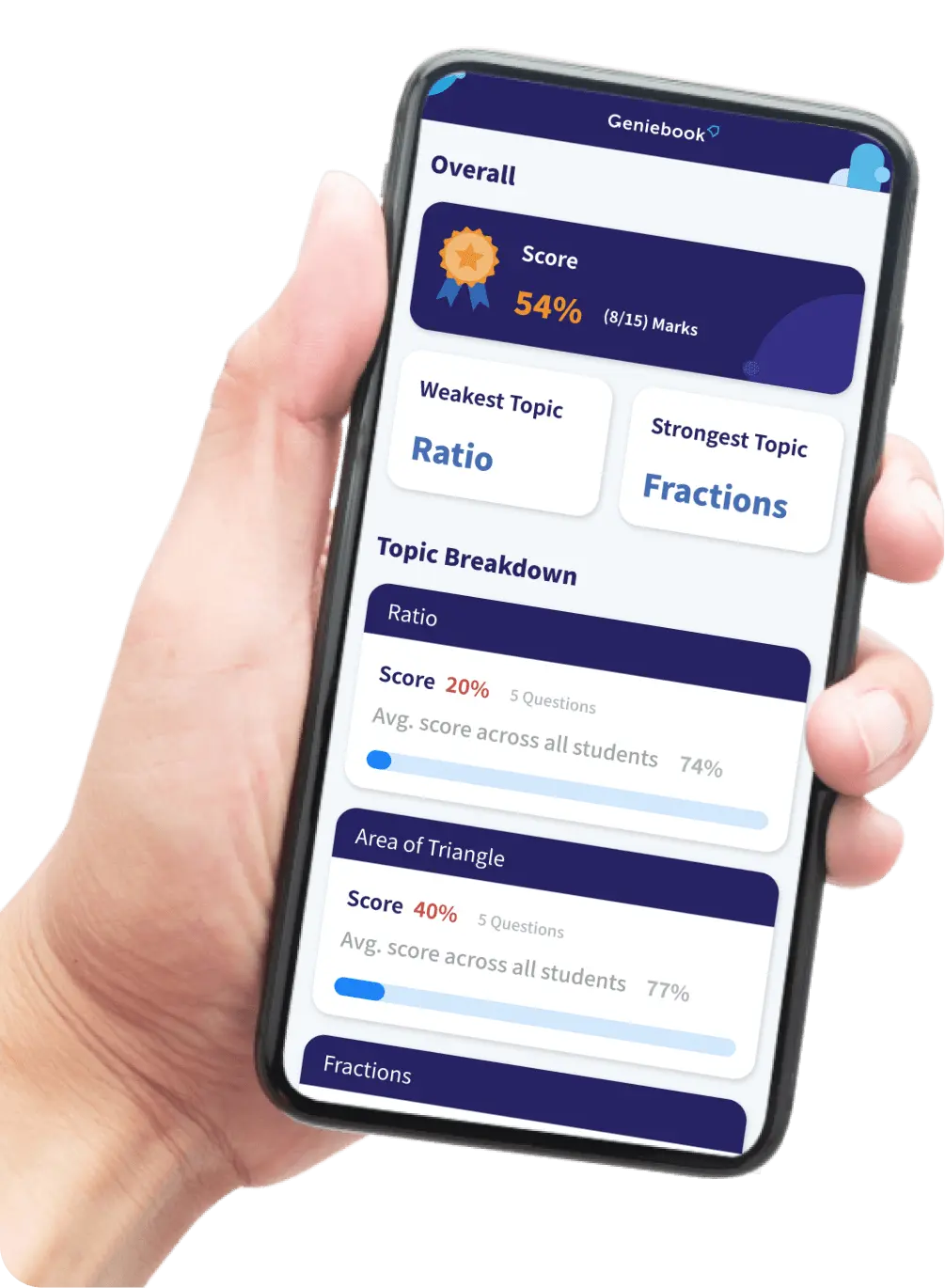
At Geniebook, we believe in supporting your child at every step of their academic journey. Through our live online classes on GenieClass, experienced teachers make learning interactive and highly engaging, helping your child reinforce key language concepts and build communication confidence. If your child has doubts or needs guidance on a difficult topic, they can clarify things quickly through our real-time teacher chat on GenieAsk, which offers continuous support seven days a week.
We believe that every child is capable of achieving remarkable success and reaching their full potential when they have the right tools and encouragement. By combining targeted practice with our personalised suite of learning products, we can help your child take charge of their learning, stay on track and unlock positive possibilities for their secondary school transition. Have you planned how to guide your child towards a supportive learning environment where they can build their communication confidence?
Frequently Asked Questions About the PSLE English Oral Exam
How Much Does the Oral Component Contribute to the Overall English Grade?
We understand that parents want to know the weightage of each component to plan their child's preparation strategy. The oral communication component contributes 15% to the total PSLE English score. We observe that because this component has a smaller syllabus compared to written papers, it is an excellent area to secure high marks with consistent practice.
Can My Child Change Their Mind After Choosing a Response in the Stimulus-Based Conversation?
Yes, we reassure parents that it is completely acceptable for a child to refine their thoughts during the discussion. If they realise they have a better point, they can say, "Upon further reflection, I believe that..." This shows maturity and critical thinking, which examiners value highly.
How Should My Child Handle a Topic They Have Never Experienced?
We understand that some students struggle when asked about things they have not done, like volunteering or visiting a museum. In these moments, we encourage them to use their imagination or talk about what they have read or watched. Reassuring your child that they can use secondary sources of information helps them stay calm and speak confidently.
We believe every child is capable of achieving remarkable success when they receive the right support and tools to build their communication skills. By staying realistic and encouraging, we can help them navigate this milestone with ease and unlock positive possibilities for their secondary school transition. Have you planned how to help your child prepare for their upcoming English oral examination?