


Personalised Learning for PSLE Math: A Parent's Guide to Tracking Weak Heuristics

Why Personalised Learning Is Key to Conquering PSLE Maths Heuristics
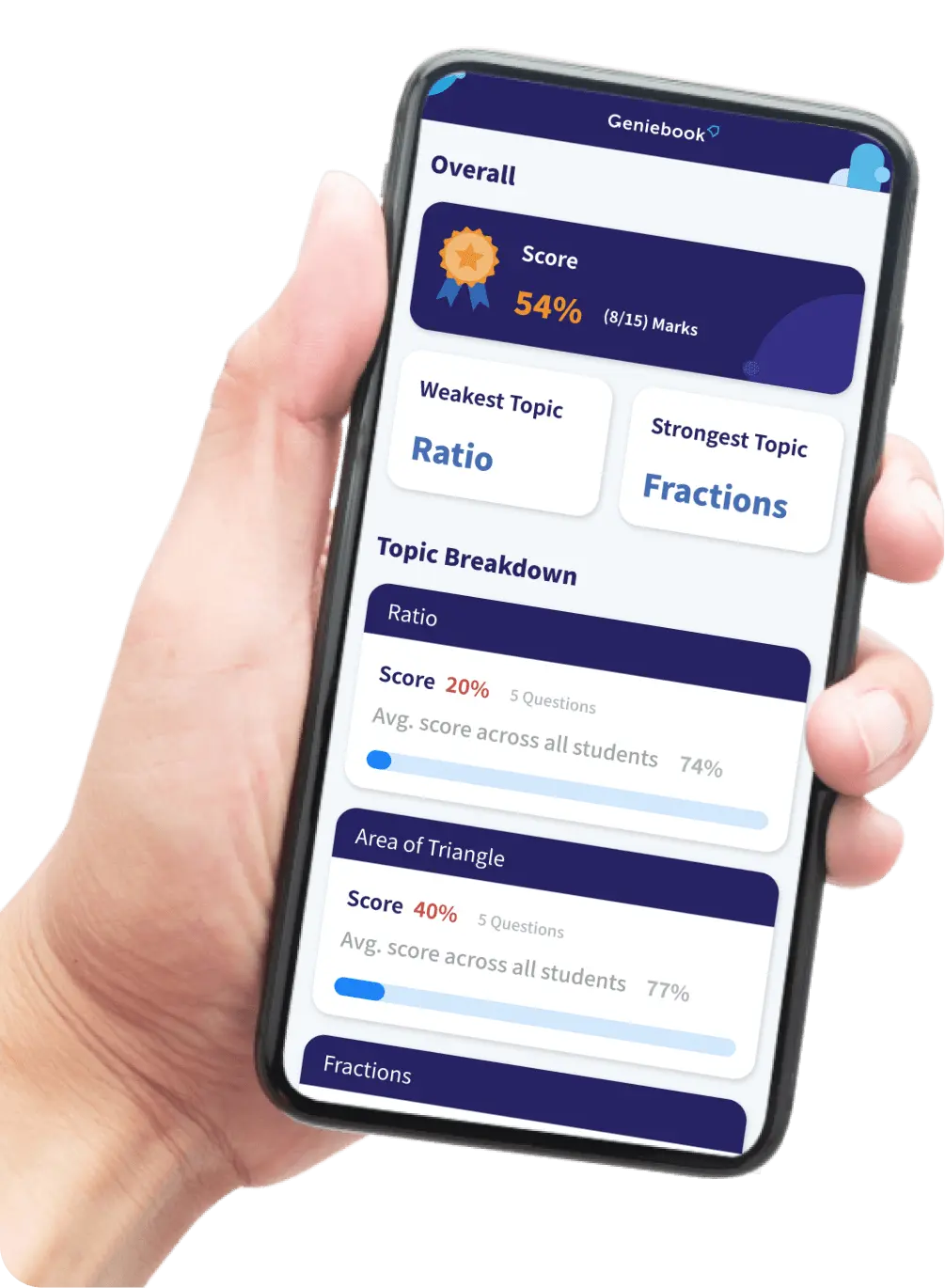
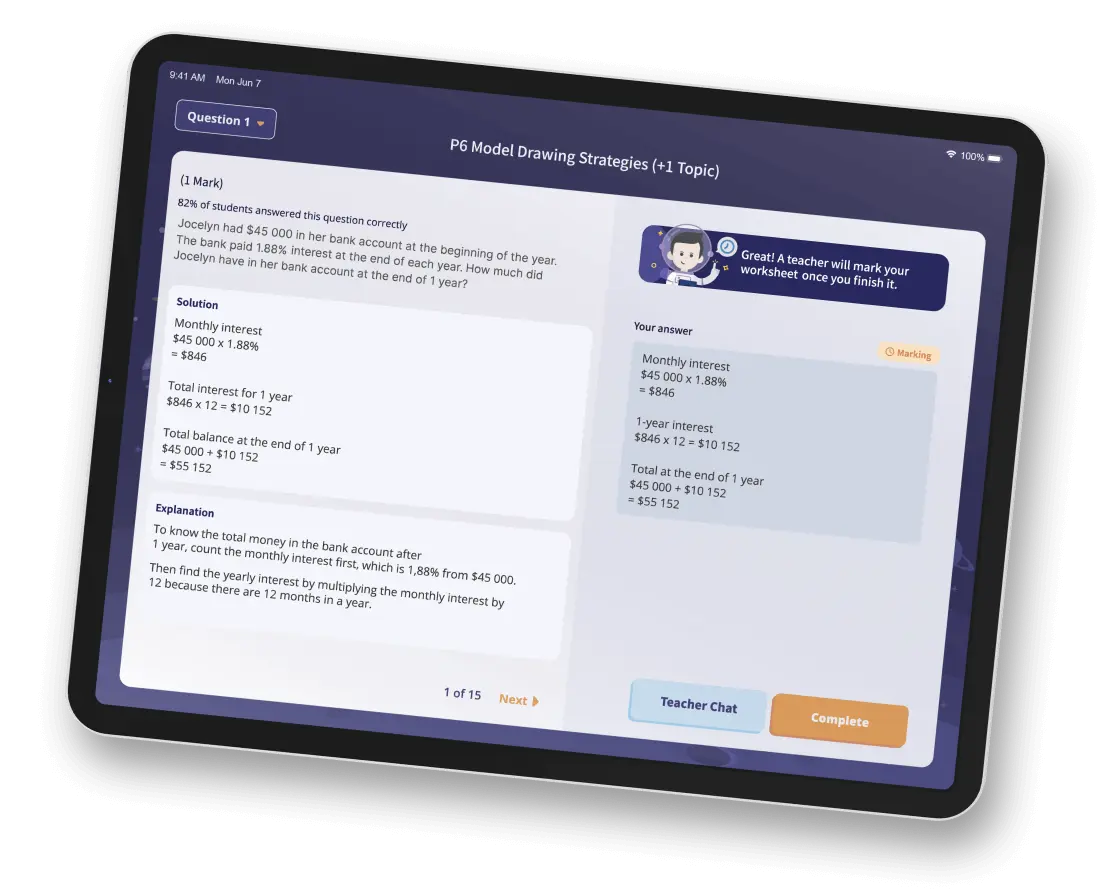
Personalised learning platforms give parents a powerful new tool for PSLE Maths revision. They use automated diagnostic tests and data dashboards to pinpoint the exact heuristics your child struggles with, transforming practice from a guessing game into a targeted, effective strategy. This data-driven approach moves beyond just checking final answers, showing you *why* marks are lost on complex problem sums so you can fix the root cause.
The Real Reason PSLE Maths Heuristics Cause So Much Anxiety
Many students who are otherwise good at Maths can freeze when faced with a multi-step heuristic problem. These aren't just calculations. They are problem-solving strategies. The MOE curriculum outlines 11 core heuristics, including model drawing, working backwards, assumption and spatial visualisation. Mastering them requires higher-order thinking, strong working memory and deductive reasoning, skills that can't be developed through rote learning alone.
I’ve seen countless parents try to re-learn these methods themselves and it’s a tough road. The syllabus has evolved and the techniques that worked a generation ago may not be sufficient for today's challenging questions. This is where the gap between knowing a topic and being able to solve a complex problem sum appears. It’s not about a lack of effort. It’s about a lack of precision in identifying the weakness.
From Guesswork to GPS: How Online Tuition Has Evolved
In the past, the main strategy was to plough through assessment books. A wrong answer was circled in red, with little insight into the specific thinking error that caused it. While the post-COVID boom popularised online tuition, the technology has moved far beyond simple video calls and file sharing. Today’s top tutoring services online are more like learning ecosystems.
Modern platforms integrate diagnostic tools that create a clear map of a student's abilities. Instead of just seeing a score of 7/10, a parent can now see that the three mistakes were all related to the 'Assumption' heuristic. This is the difference between knowing your child is lost and having a GPS to guide them back.
Traditional Revision Feedback vs. Personalised Learning Insights
| Traditional Revision Feedback | Personalised Learning Feedback |
|---|---|
| "Careless mistakes." | "80% error rate in 'Working Backwards' heuristic questions." |
| "Didn't understand the question." | "Average time per 'Guess and Check' question exceeds benchmark by 45 seconds." |
| "Practice more questions on fractions." | "Consistently struggles with two-step transfer problems involving both fractions and ratios." |
| Score: 75/100 | "Strengths: model drawing, number patterns. Weaknesses: spatial visualisation, assumption." |
Your 5-Step Plan for Smarter Heuristics Revision
Having access to this data is one thing. Using it effectively is another. Here is a practical framework for parents to leverage personalised learning platforms for PSLE Maths.
1. Read the Dashboard Not Just the Score
Make it a weekly habit to review the data dashboard. Look for patterns. Is the issue with a specific heuristic? Or is it with multi-step problems in general? This insight is your starting point for any discussion with your child or their tutor.
2. Target the Weakest Link
Armed with precise information, you can stop wasting time on broad revision. If the dashboard flags 'Working Backwards' as a weakness, dedicate a study session to just that. Many platforms offering online Maths and Science tutoring will have topic-specific question banks you can use for this targeted practice.
3. Encourage 'Thinking About Thinking'
This is a metacognitive approach. When your child gets a question wrong, ask them to explain their thought process before showing them the solution. Prompt them with questions like, “What did you think the question was asking?” or “Which method did you choose and why?” This builds the critical thinking skills heuristics demand.
4. Build Confidence with Graded Practice
Heuristics can be intimidating. For a child weak in 'Assumption', throwing them into a complex PSLE-level question can crush their confidence. A good platform will offer questions with graded difficulty. Let them master the basic form of the heuristic first before moving on to more complex variations. This progressive success is a powerful motivator.
5. Close the Loop with the Tutor
Even with automated tools, a human expert is vital. Share your findings from the dashboard with your child’s live tutor online. This allows the tutor to focus their session time on reinforcing specific strategies and addressing misconceptions, making every minute of tuition more productive.
Ultimately, personalised learning offers a path away from the anxiety of PSLE Maths. By replacing broad, stressful revision with targeted, data-informed practice, you can help your child build not just the skills but also the confidence they need to tackle any problem sum that comes their way.
Frequently Asked Questions
How Can I Know Which Specific PSLE Maths Heuristics My Child Is Weak In?
You can identify your child's specific weak PSLE Maths heuristics by using a personalised learning platform with a data dashboard. These tools analyse your child's performance in diagnostic tests to pinpoint exact problem areas, such as a high error rate in 'Working Backwards' or 'Assumption' questions, moving beyond just checking final scores.
Why Are PSLE Maths Problem Sums So Difficult for My Child?
PSLE Maths problem sums are difficult because they require mastering core Maths heuristics, which are advanced problem-solving strategies rather than simple calculations. Success with these questions depends on higher-order thinking skills, strong working memory and deductive reasoning, which cannot be developed through rote learning alone.
What Is Personalised Learning and How Does It Help with Singapore Maths Revision?
Personalised learning helps with Singapore Maths revision by using data to create a targeted and effective study strategy for each student. Unlike traditional revision that involves working through entire assessment books, personalised platforms use diagnostic tools to identify specific weaknesses in topics or heuristics, allowing practice to be focused precisely where it is needed most.
How Can I Use the Data from Online Tuition Services to Help My Child?
You can use data from online tuition services by regularly reviewing the student dashboard to identify patterns in your child's mistakes, not just looking at the overall score. This allows you to target the weakest link with focused practice, encourage your child to explain their thought process for wrong answers and share these specific insights with their tutor to make lessons more productive.
What's a Good Way to Build My Child's Confidence for Difficult Maths Heuristics?
A good way to build my child's confidence for difficult Maths heuristics is to use graded practice that starts with the basic form of the heuristic before moving to more complex questions. This approach, often available on platforms offering online Maths and Science tutoring, allows your child to experience progressive success which is a powerful motivator and prevents them from feeling overwhelmed by challenging PSLE-level problems.