


Adaptive Learning & Online Tuition: What PSLE Math Markers Spot on Your Child's Paper

From The Marker's Desk: The Hidden Story Behind Lost Marks In PSLE Maths
PSLE Maths markers are experts at pattern recognition. They spot repeated procedural errors in Paper 2 problem sums, which instantly signals a weak conceptual foundation. This is how they differentiate a student who has genuinely mastered a topic from one who is just getting by with rote learning and it's often the deciding factor between an AL 3 and an AL 1.
As an educator with decades of experience in the Singapore system, I've seen how these foundational cracks, often from as early as Primary 4, can undermine a student's confidence and performance in Primary 6. Markers look for specific telltale signs.
The Red Flag: Repeated Errors In Paper 2
The open-ended questions in Paper 2 are where top scores are made or broken. Markers frequently penalise the same procedural mistake made across multiple questions. For instance, a consistent error in calculating percentages or mishandling complex fractions points to an unaddressed gap from Primary 4 or Primary 5. According to insights from some tuition centres, these aren't just careless mistakes. They are symptoms of a foundational weakness that rote practice on assessment books cannot fix.
The 'Story Problem' Trap: Rote Memory Vs. Real Application
PSLE questions are cleverly designed. They often wrap a familiar mathematical structure, like the 'Equal Units' or 'Grouping' concept, inside a new and unfamiliar story. Markers can tell when a child is just trying to force-fit a memorised procedure instead of identifying the core mathematical principle. As noted by other educators, students who can't transfer their knowledge to these new contexts lose marks because their understanding is superficial.
Missing The Clues: Inability To Identify Question Types
Top-scoring students quickly identify the topic being tested in a complex word problem, be it Ratio, Area or Volume. This allows them to deploy the right heuristic or method. Markers notice when a student flounders, applying the wrong strategy entirely. This failure to classify the problem, highlighted by many training centres, is a major reason for scoring poorly in Paper 2.
How Adaptive Online Tuition Rewrites That Story
This is where adaptive learning, a core feature of high-quality online tuition, becomes critical. Instead of a one-size-fits-all approach, it creates a personalised learning journey for your child that directly addresses the weaknesses markers penalise.
A Personalised Learning Path For Every Child
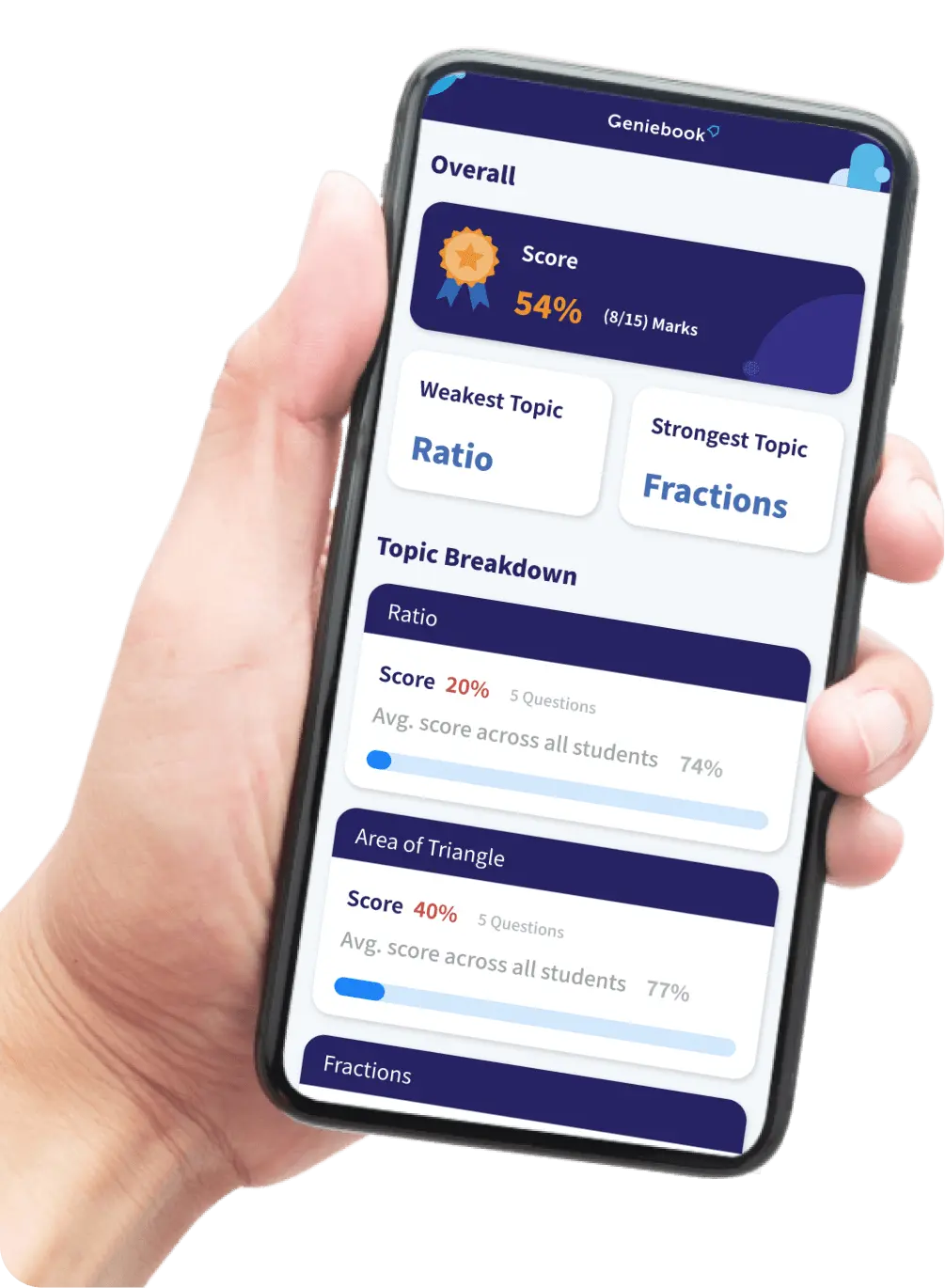
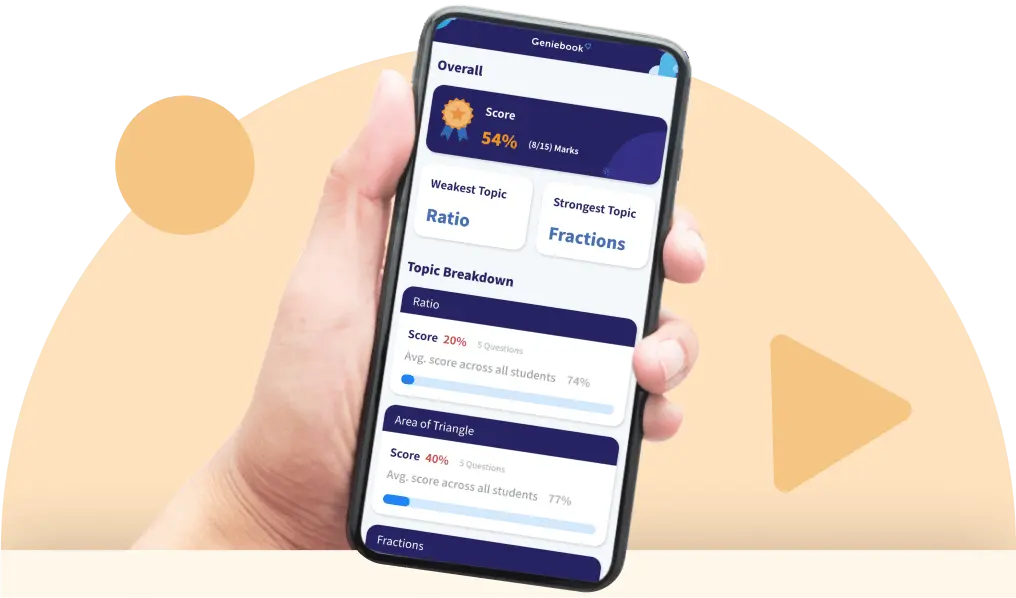
Modern tutoring services online use real-time data to adapt to your child's performance. When they get a question wrong, the system doesn't just move on. It identifies the specific skill or concept gap and serves up targeted questions and resources to fix it. This ensures the learning process is efficient, focusing effort where it's needed most.
Targeted Practice That Actually Works
Adaptive platforms offer vast question banks, Geniebook’s GenieSmart, for instance, has over 300,000 MOE-aligned questions. This allows for extensive, varied practice on foundational topics where gaps are identified. If your child is weak in Primary 4 Fractions, the system can provide unlimited practice until mastery is achieved, preventing this weakness from sabotaging their work on more advanced Primary 6 topics.
Immediate Feedback: The End Of Practising Mistakes
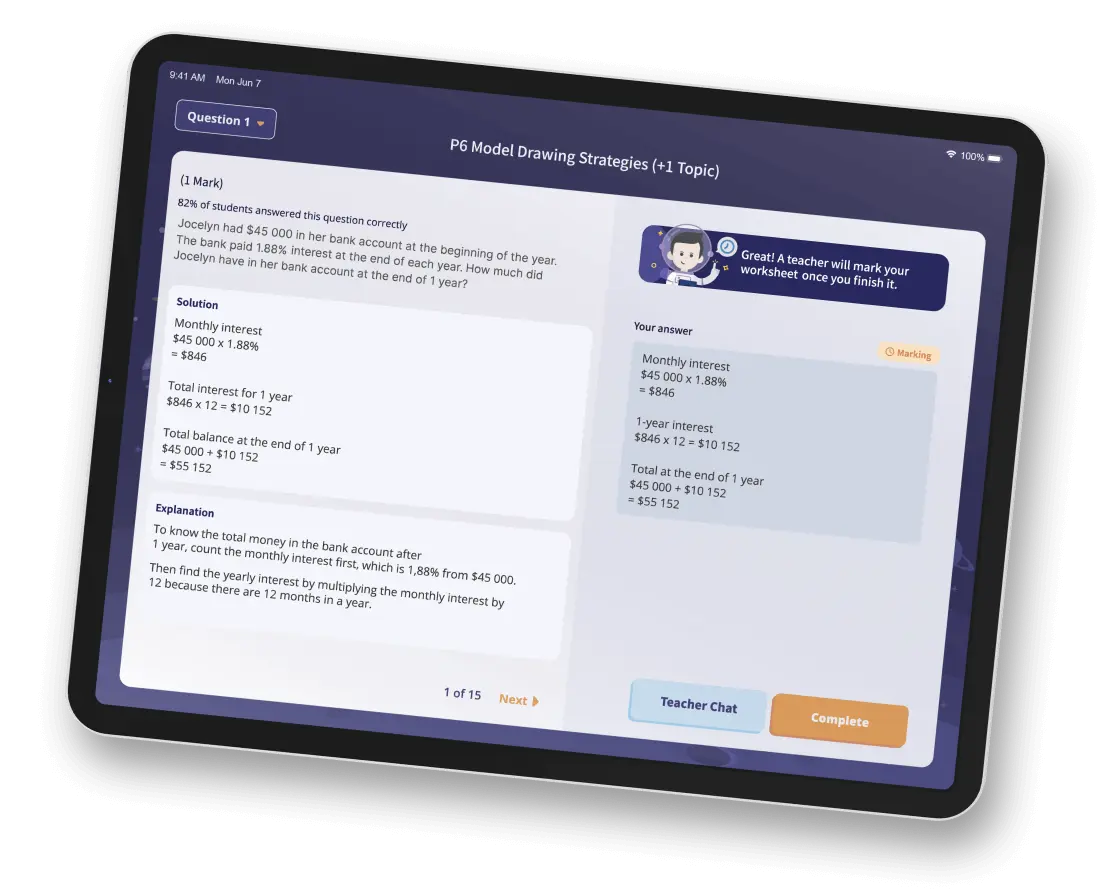
One of the biggest hurdles in traditional learning is the delay between practice and feedback. A child can complete an entire worksheet incorrectly, reinforcing the wrong method. With adaptive e-tutoring, feedback is instant. This immediate correction loop allows students to learn from their errors on the spot, accelerating improvement and building correct habits.
Is Tech Alone Enough For An AL 1? A Realistic Look At PSLE 2027 Prep
While adaptive technology is powerful, it's not a magic button. Pushing from a consistent AL 3 to a coveted AL 1 requires a blend of smart technology and smart study habits. For parents targeting PSLE 2027, the best approach combines the precision of personalised learning with proven exam strategies.
Think of it as having the best tools and knowing how to use them. The adaptive platform is the tool that sharpens understanding. The student's own review process is the technique that ensures marks are not lost under exam pressure.
Your 4-Step Adaptive Learning Action Plan For PSLE Maths
- Diagnose and Target: Use the platform's diagnostic capabilities to pinpoint the exact Primary 4 and Primary 5 concepts that are still shaky. Don't guess. Use the data.
- Drill with Variety: Focus the bulk of practice on high-value Paper 2 topics like Fractions, Ratios and Geometry. Ensure the platform provides these questions in many different 'story' contexts.
- Review with Purpose: Don't just look at the correct answer. Use the platform's immediate feedback and solutions to understand why an error was made. This is the key to deep learning.
- Integrate with Exam Skills: Complement the online student tutoring with offline practices. Maintain a physical 'mistake journal' to categorise errors, as recommended by veteran tutors. And crucially, practise full, timed mock papers to build stamina and apply these skills under pressure.
By combining the diagnostic power of the best online tuition platforms with these structured habits, you create a comprehensive system for improvement. This approach directly counters the common pitfalls that PSLE markers are trained to spot, building a solid foundation for exam success.
Frequently Asked Questions
What Common Mistakes Do PSLE Maths Markers Look For On Exam Papers?
PSLE Maths markers primarily look for repeated procedural errors across different questions in Paper 2, as these indicate a weak conceptual foundation rather than simple carelessness. They spot when students consistently make the same mistake in areas like percentage calculations or mishandling fractions, or when they apply a memorised procedure to a new 'story problem' without understanding the core concept being tested.
How Can Online Tuition Help My Child Fix Recurring Errors In PSLE Maths?
Effective online tuition helps fix recurring PSLE Maths errors by using adaptive learning technology to identify the specific concept gap causing the mistake and providing targeted practice on that skill. This personalised learning approach offers instant feedback and a vast bank of varied questions, allowing a student to practise a weak topic from an earlier level, like Primary 4 Fractions, until they achieve mastery.
Why Can't My Child Solve New Types Of PSLE Maths Word Problems?
Your child may struggle with new PSLE Maths word problems because they are relying on rote memory instead of truly understanding the underlying mathematical principles. PSLE markers notice when students try to force-fit a memorised procedure onto an unfamiliar 'story problem' or fail to identify the core topic being tested, such as Ratio or Grouping, which prevents them from applying the correct problem-solving strategy.
What Is Personalised Learning And How Does It Help With PSLE Preparation?
Personalised learning is an approach where an e-tutoring system adapts to a student's real-time performance to create a unique learning journey that targets their specific weaknesses. For PSLE preparation, this means that when a child gets a question wrong, the system identifies the skill gap and serves focused practice questions and resources to fix it, making study time more efficient at building a solid foundation for more advanced topics.
Is Using The Best Online Tuition Platform Enough To Get An AL 1?
Using even the best online tuition platform alone is often not enough to secure an AL 1, as achieving top scores requires a blend of smart technology and disciplined study habits. While adaptive technology is a powerful tool for diagnosing weaknesses, students must also integrate this online student tutoring with proven exam strategies like maintaining a physical mistake journal and practising full, timed mock papers to apply their skills effectively under pressure.