


PSLE English: A 4-Week Framework to Turn Daily Observations into High-Scoring Narrative Essays

The Secret To A Top-Scoring PSLE English Essay Isn't Just Imagination
This simple four-week framework will guide your child to transform everyday observations into powerful PSLE English narrative essays. We will move beyond generic advice and focus on a structured process to build the technical writing skills that SEAB examiners reward, helping your child prepare for the PSLE 2027 cycle.
I once had a student who was stuck. His stories were full of exciting ideas but lacked depth. One afternoon, we just watched the rain fall outside the classroom window. I asked him not to invent a story but to describe the lone mynah seeking shelter under a bus stop bench. That small, real-world detail became the anchor for his best composition of the year. This is the core principle: great stories are not just invented. They are observed.
The Reality Of PSLE English In Singapore's 'Education Arms Race'
Let's be honest. The pressure surrounding the PSLE is immense. An Institute of Policy Studies survey noted that nearly 85% of Singaporean parents believe tuition provides an academic edge. This has fuelled an "education arms race" where families feel compelled to invest heavily just to keep up. While a good Primary English tutor is invaluable, a significant part of writing improvement must happen at home through consistent, structured practice.
The PSLE English Paper 1 isn't just a test of creativity. Examiners are looking for technical craft: a well-structured plot, vivid settings, believable characters and flawless grammar. This framework is designed to build those specific skills, offering a powerful supplement or even an alternative to a conventional Primary English tuition centre schedule.
The Four-Week Framework: From Daily Sightings To AL 1 Stories
Here is a week-by-week plan for you and your child. Dedicate 20-30 minutes, three to four times a week, to these exercises. Consistency is more important than duration.
Week 1: Becoming An Observer
The goal this week is to learn to 'see' like a writer. The world is full of story ideas, from the aunty arguing with a bus driver to the way sunlight hits the HDB blocks in the morning.
-
Your Child's Task: Keep an 'Observation Journal'. This can be a simple notebook or a note-taking app. Each day, write down three specific things they observed.
-
Prompt: Instead of writing "I saw an old man," write "I saw an old man with a faded blue cap, carefully wiping down his spectacles with a handkerchief."
-
Educator's Note: The key here is detail and specificity. This habit provides a reservoir of original ideas, preventing the use of clichéd plots about lost wallets or found dogs.
Week 2: Building A World With Words
Now, we turn those observations into settings. A strong setting makes a story immersive and believable.
-
Your Child's Task: Pick one observation from the journal and expand it into a full paragraph describing the setting. Use the five senses. What did it sound like? Smell like?
-
Sentence Scaffold: "The air in the hawker centre was thick with the smell of sizzling garlic and sweet soy sauce. A constant clatter of plates provided the background music to a hundred different conversations."
-
Educator's Note: This tackles a common weakness. Many students simply state the location ("I was at the beach") instead of making the reader feel like they are there. This skill is crucial for any student in Primary 6 English tuition aiming for top marks.
Week 3: Mastering Character And Purposeful Dialogue
This week focuses on two major pitfalls: flat characters and 'dialogue overload'. Dialogue should not be small talk. It must either reveal character or advance the plot.
-
Your Child's Task: Write a short scene (150-200 words) with two characters based on an observation. Give one character a clear goal (e.g., to convince the other of something).
-
Pitfall to Avoid: Dialogue that reads like a script. Instead of "Hi, how are you?" "I am fine, thank you," try to show the characters' relationship through their words.
-
Educator's Note: Before writing, ask your child: "What does this character want?" This simple question is the key to creating motivation and tension in a story. It's a core component of good English tuition for primary schoolers.
Week 4: The Art Of Polishing And Revision
A good story is rewritten. This week is about turning a decent draft into a polished final product. This is where many marks are won or lost.
-
Your Child's Task: Take the scene from Week 3 and edit it specifically for two things: tense consistency (stories are almost always in the past tense) and vivid verbs. Replace 'walked' with 'strolled', 'shuffled' or 'marched'.
-
Pro-Tip: Use a different coloured pen to circle all the verbs. Can they be improved? Read the entire story aloud to catch awkward phrasing and check for consistent past tense.
-
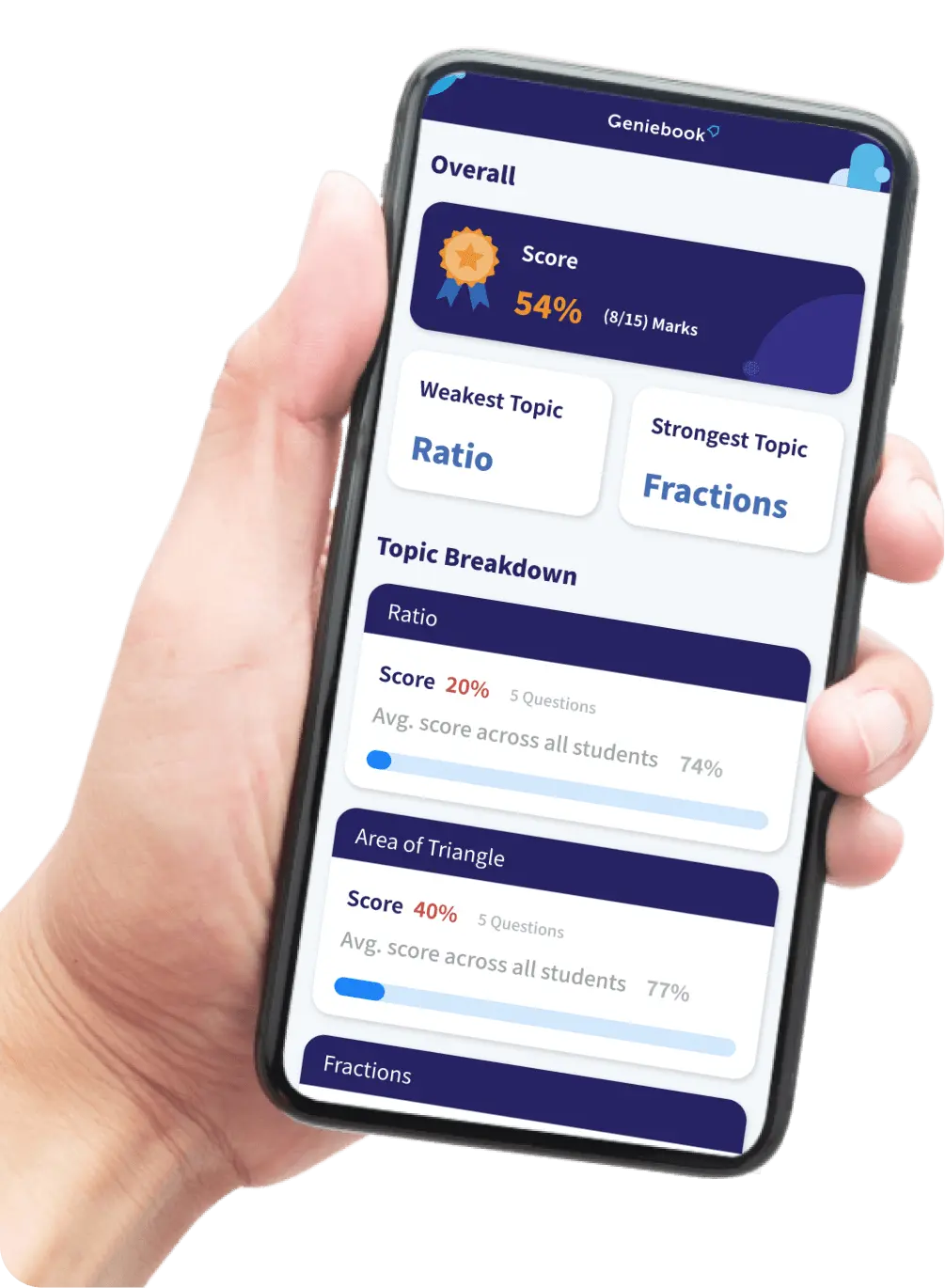
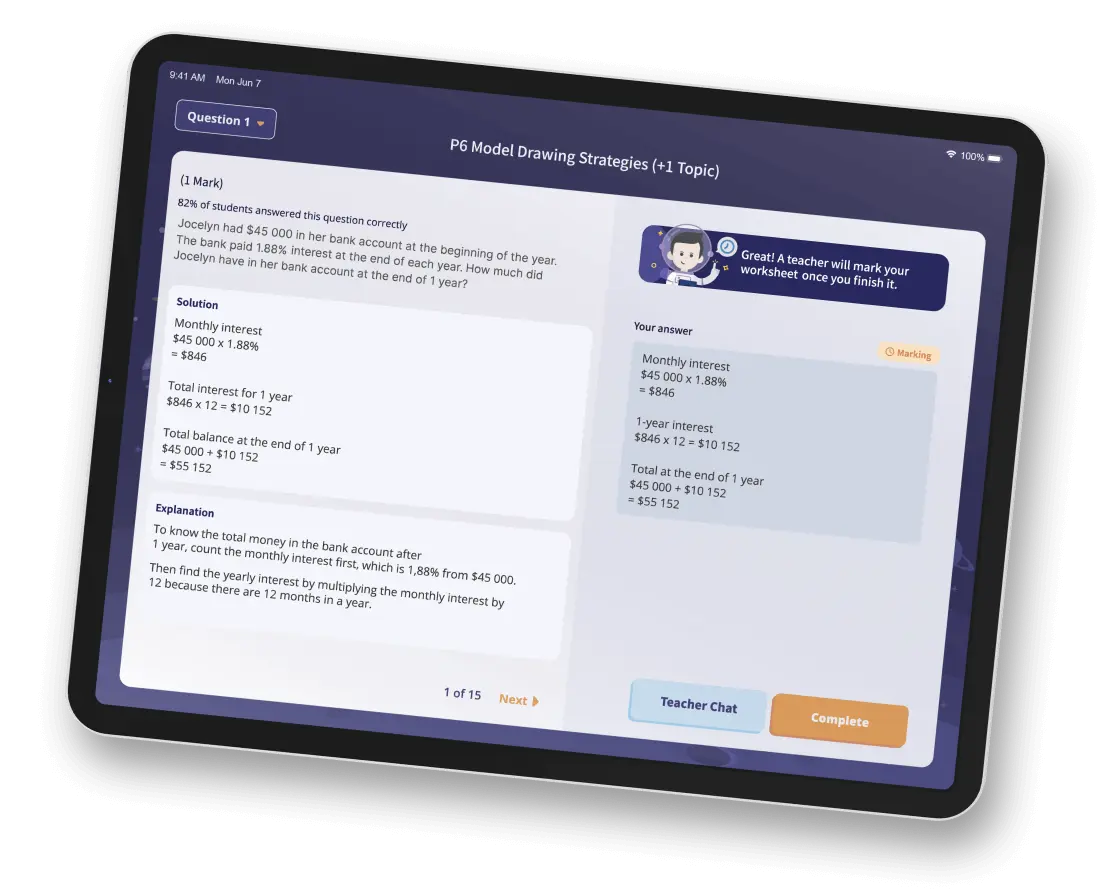
Educator's Note: This is where digital tools can accelerate progress. On a platform like Geniebook, a submitted essay gets reviewed by a qualified teacher who provides specific feedback on these technical points, creating a powerful learning loop. This level of personalised feedback is a key advantage of modern online tuition.
How This Framework Compares To Other Study Plans
To help you decide what's best for your child, here's a quick comparison of different study frameworks we often discuss with parents.
| Framework Duration | Key Focus | Best For |
|---|---|---|
| Four-week (this article) | Observation to Narrative, Core Technical Skills | primary 4 to primary 6 students needing a foundational, structured boost in writing originality and craft. |
| Six-week framework | Broader Skills (e.g., using local texts, daily micro-habits) | Students who have the basics and need to enrich their style and vocabulary. |
| Eight-week framework | Advanced narrative mastery for AL 1 | High-achieving primary 5 to primary 6 students aiming to perfect their technique for top scores. |
Building A Lifelong Habit Of Writing Well
This four-week framework is not a magic bullet but a starting block. It instils a process and a discipline that can transform your child's confidence and ability in PSLE English. The goal is to make these skills second nature so they can focus on telling their unique stories during the exam.
By focusing on the small, observable details of life in Singapore, we are not just preparing them for an exam. We are teaching them to pay attention to their world, a skill that will serve them long after the PSLE is over. And with consistent practice and targeted feedback, turning those observations into high-scoring essays becomes an achievable goal, not a source of anxiety.
Frequently Asked Questions
What primary level is this PSLE English framework for?
This four-week framework is best for Primary 4 to Primary 6 students who need a structured way to improve writing originality and technical craft. The article's comparison table indicates it is ideal for students needing a foundational boost, making it suitable for those in P4, those preparing for P5 English tuition or those already in a P6 English tuition programme.
How can observing things improve my child's PSLE English essay score?
Observing everyday details helps your child build a personal reservoir of original ideas, which prevents the use of clichéd plots and makes their stories more vivid and believable to PSLE examiners. The framework teaches students to turn a simple real-world detail, like a mynah at a bus stop, into a detailed setting and a compelling story anchor, a technical skill that is rewarded with higher marks.
How much time does my child need for these writing exercises?
Your child should dedicate 20 to 30 minutes to these exercises, three to four times per week. The framework emphasises that consistency in practice is more important than the duration of each session, making it a manageable plan to supplement existing PSLE English tuition.
Is this framework a substitute for Primary English tuition?
This framework can be a powerful supplement or even an alternative to a conventional Primary English tuition schedule, as a significant part of writing improvement happens through consistent practice at home. While good English tuition for primary schoolers is valuable, this structured plan empowers parents to guide their child's practice directly and can be enhanced with feedback from a Primary English tutor or through online tuition platforms.
What is the main weakness in student essays that this framework addresses?
This framework directly addresses common weaknesses in PSLE English essays such as flat characters, weak settings and dialogue that does not advance the plot. By focusing on turning observations into immersive settings (Week 2) and writing purposeful dialogue (Week 3), the plan helps students move beyond simple descriptions to create stories that are more engaging for examiners.