


PSLE Maths 2027: A Practical 9-Week Mastery Map for P5–P6 — Core Concepts, Heuristics, and Timed Practice

PSLE Maths 2027: A Practical 9-Week Mastery Map for P5 and P6: Core Concepts, Heuristics and Timed Practice
This 9-week mastery map provides a practical, step-by-step plan for Primary 5 and Primary 6 students to prepare for PSLE Maths 2027. It systematically builds core concept fluency, deepens problem-solving skills with heuristics and uses timed practice to ensure your child can perform under exam pressure without burnout.
From my decades in Singapore’s education landscape, I’ve seen that the biggest hurdle isn't just knowing the maths. It's applying the right strategy quickly when the clock is ticking. Many students freeze during Paper 2, staring at a complex word problem and losing precious marks. This plan is designed to prevent that.
What Key Changes Impact the PSLE Maths 2027 Paper?
The fundamental challenge of PSLE Maths remains: demonstrating higher-order thinking in multi-step word problems. The high-stakes Paper 2, with 40 marks dedicated to structured and long-answer questions, continues to be the key differentiator.
However, one significant MOE syllabus change from 2026 onwards directly impacts preparation for the 2027 paper. The removal of problems involving Distance, Time and Speed frees up valuable cognitive load. This topic often required specific heuristics like 'working backwards' or drawing tables. Its absence means examiners will likely place even greater emphasis on other complex heuristic-based questions, testing the depth of a student’s problem-solving toolkit.
Additionally, the Primary 6 algebra strand, which includes simple linear equations (e.g., solving for x in 3x + 5 = 20), provides a powerful alternative to traditional bar models for certain questions. Fluent students can often solve these problems faster and with more certainty using algebra.
The Core of PSLE Maths: A Heuristic Decision Tree
Heuristics are not just another topic. They are the mental tools students use to unpack and solve complex problems. Without them, a student is simply guessing. For PSLE, mastering these isn't optional. It’s about building a 'heuristic decision tree': the ability to instantly recognise question patterns and select the most efficient method.
While some tuition centres teach up to twelve heuristics, focusing on a core set provides the best return on effort. Here are some of the most crucial ones for Primary 5 and Primary 6:
- Model drawing (bar models): A visual method to represent relationships between quantities. It's often faster than algebra for problems with two unknowns and remains one of the most rewarded heuristics at primary 6.
- Before-after concept: Essential for ratio and percentage questions where quantities change. The key is identifying the constant value (e.g., the total in an internal transfer or an unchanged component).
- Supposition (assumption method): Often faster than 'Guess and Check'. The student makes a calculated assumption (e.g., 'assume all are chickens') and adjusts based on the outcome.
- Working backwards: Reversing the steps of a problem to find the initial value. Though its classic application in Speed questions is gone, it remains vital for other multi-step problems.
Your 9-Week PSLE Maths Mastery Map: A Step-By-Step Guide
This structured plan balances content revision with skill-building. Each week should include dedicated time for new learning, practice and reviewing past mistakes. This is where a good Primary 5 Maths tuition or Primary 6 Maths tuition programme can provide the necessary structure.
| Phase | Weeks | Focus area | Actionable goal |
|---|---|---|---|
| Phase 1: Foundational fluency | Weeks 1 to 3 | Core concepts: Fractions, Ratio, Percentage | Solidify understanding of these three interconnected topics. They form the bedrock for over 50% of Paper 2 problems. Ensure your child can convert between them effortlessly. |
| Phase 2: Heuristic deep dive | Weeks 4 to 6 | Targeted heuristics practice | Dedicate each week to 1-2 heuristics. Week 4: Model Drawing & Before-After. Week 5: Supposition & Working Backwards. Week 6: Look for Patterns & Systematic Listing. Use topic-specific worksheets. |
| Phase 3: Exam simulation & review | Weeks 7 to 9 | Timed practice & mistake analysis | Complete full past-year papers under timed conditions. The goal is not just completion but also reviewing every mistake. Create a 'mistake log' to identify weak spots and recurring careless errors. |
How Parents Can Support the Plan Without Adding Pressure
Parental anxiety around PSLE is real. A 2026 Institute of Policy Studies (IPS) survey found that despite MOE’s efforts to reduce stress, parents are more stressed than a decade ago. The study revealed that while nearly nine in ten parents (89.8%) feel children spend too much time on enrichment, seven in ten would still spend more on tuition, with about half citing peer pressure.
This 9-week plan can provide a calming structure, shifting the focus from results to process. Here’s how you can help:
- Be a Coach, Not a Corrector: When reviewing work, ask questions like, “What was the keyword that made you choose this method?” or “What’s another way you could have solved this?” This builds metacognition.
- Celebrate the Process: Acknowledge when your child correctly applies a difficult heuristic, even if a calculation error led to the wrong final answer. Separate conceptual understanding from careless mistakes.
- Manage Energy Levels: A burnt-out child cannot learn. This 9-week map is a marathon, not a sprint. Ensure there is downtime scheduled.
Is PSLE Maths Tuition Necessary to Succeed?
While this plan can be executed at home, many parents find that a good PSLE Maths tuition programme accelerates progress. The reality is that schools must cover the syllabus but they may not have the time to drill every heuristic to the point of automaticity. A quality Primary Maths tutor or PSLE Maths tuition centre focuses specifically on building that heuristic decision tree.
They provide the targeted practice and expert feedback needed to master challenging problem types. This is particularly crucial for students aiming for a top Achievement Level (AL).
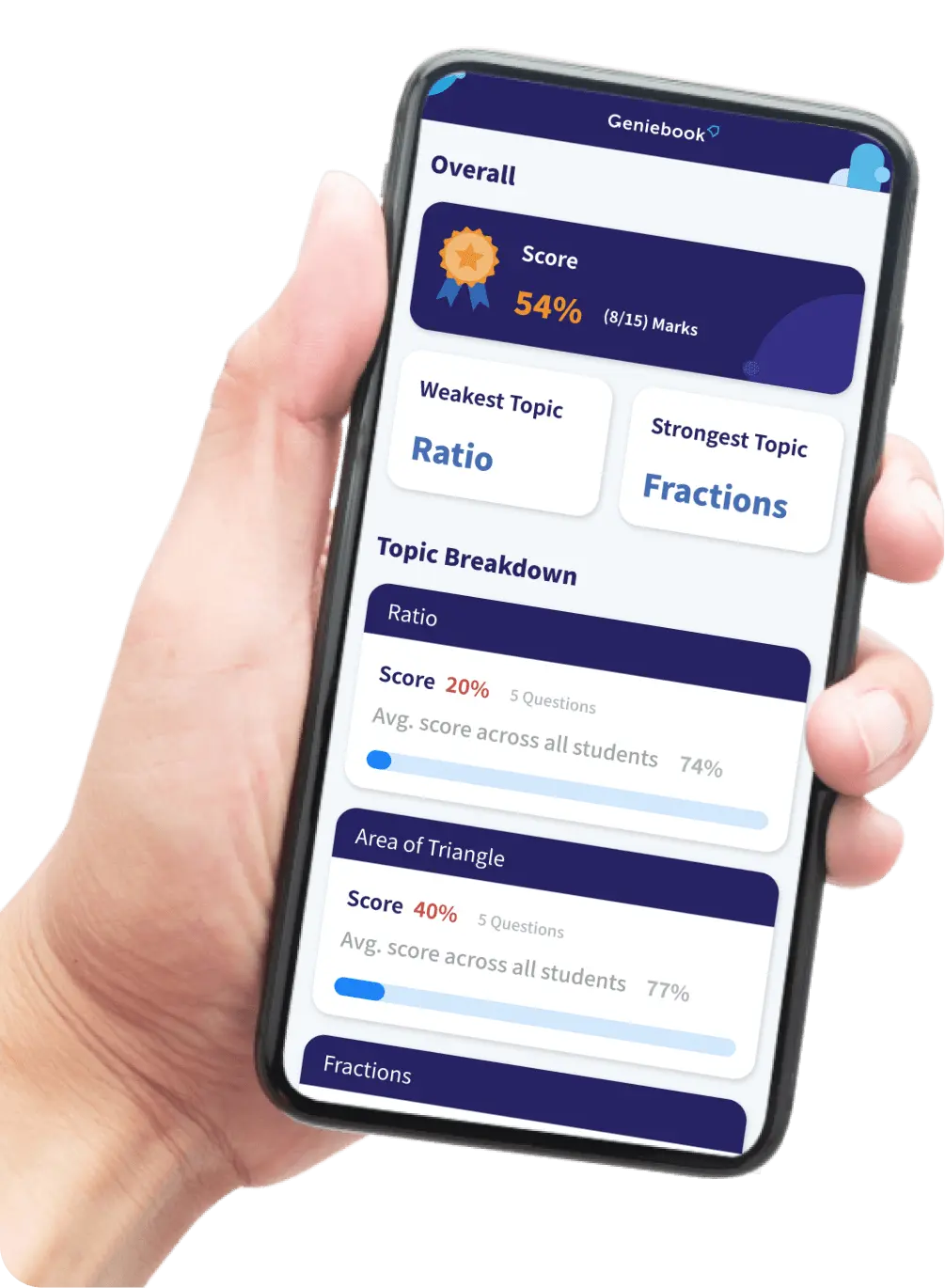
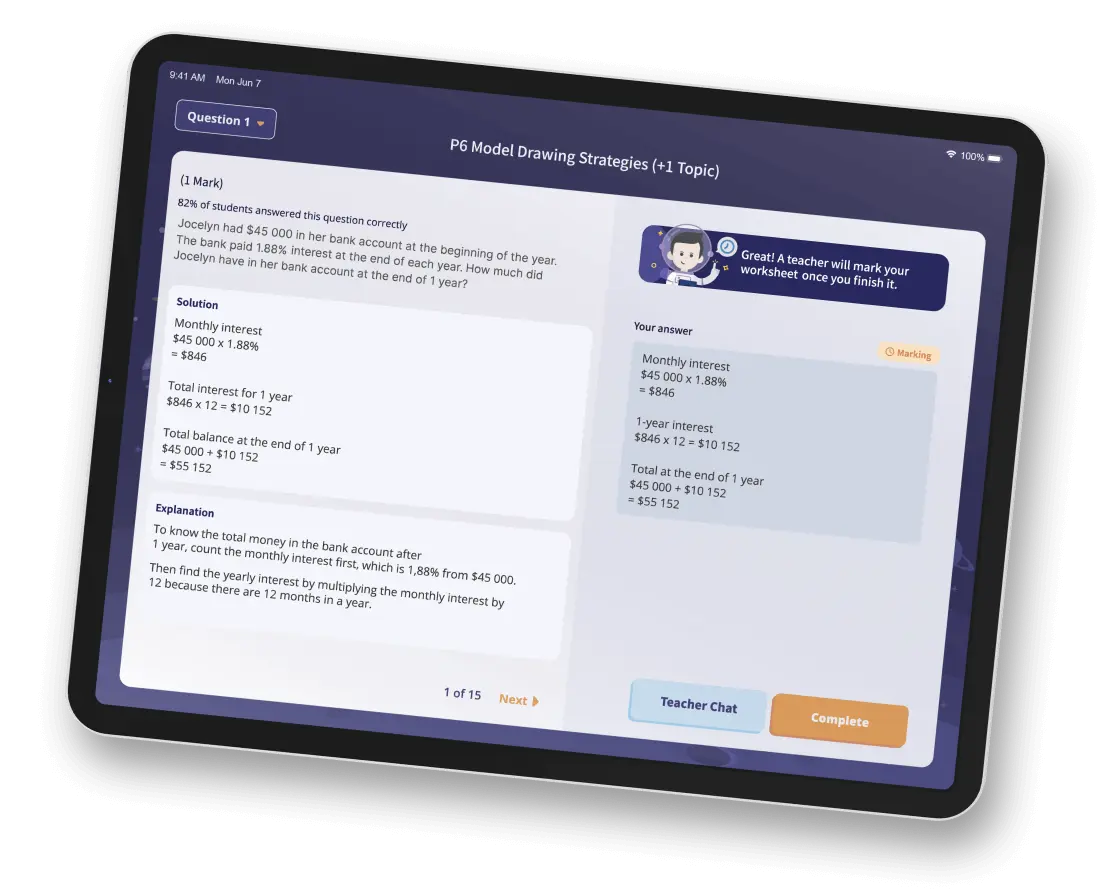
Furthermore, the rise of adaptive technology offers a hybrid approach. Online tuition platforms like Geniebook use AI to diagnose your child's specific weaknesses from their practice attempts. The system then provides personalised questions and video explanations, allowing your child to patch conceptual gaps and master heuristics at their own pace, anytime and anywhere. This can perfectly complement a structured home revision plan or even existing tuition.
Ultimately, success in PSLE Maths 2027 hinges on a structured approach that builds both knowledge and confidence. By breaking down the preparation into these manageable nine weeks, you give your child a clear and achievable path towards mastering the paper, turning potential exam panic into calm competence.
Frequently Asked Questions
What Topic Has Been Removed From the PSLE Maths Paper for 2027?
For the PSLE Maths 2027 paper, problems involving Distance, Time and Speed have been removed from the syllabus. This change, effective from 2026, means examiners will likely place a greater emphasis on other complex heuristic-based questions, testing the depth of a student’s problem-solving toolkit.
What Are the Most Important Maths Heuristics for My Child to Master for the PSLE?
The most crucial maths heuristics for a Primary 6 student to master for the PSLE include Model Drawing (bar models), the Before-After concept, the Supposition (or assumption) method and Working Backwards. Mastering this core set of problem-solving tools is not optional, as it helps students build a 'heuristic decision tree' to efficiently unpack complex word problems in Paper 2.
What Should My Child Focus on First When Starting PSLE Maths Revision?
Your child should first focus on solidifying their foundational fluency in the core concepts of Fractions, Ratio and Percentage. These three interconnected topics form the bedrock for over 50% of the problems in PSLE Maths Paper 2, and mastering them is the goal of the first three weeks of the 9-week mastery map.
Is 9 Weeks Enough Time to Prepare for PSLE Maths?
Yes, a structured 9-week plan can be a highly effective timeframe for PSLE Maths preparation, as it allows for a focused approach without causing student burnout. The plan systematically builds skills by first securing core concepts, then practising heuristics and finally moving to timed practice and mistake analysis, turning potential exam panic into calm competence.
Do I Need a Primary Maths Tutor for My Child to Succeed in the PSLE?
While a structured home revision plan can be executed independently, a good Primary maths tutor or a PSLE maths tuition centre can significantly accelerate a child's progress. A quality P6 maths tuition programme provides the targeted practice and expert feedback needed to master challenging problem types and achieve automaticity with heuristics, which is particularly crucial for students aiming for a top Achievement Level (AL).