


For PSLE Science: A 6-Week Home Project Plan to Boost Inquiry, Data Handling, and Explanations
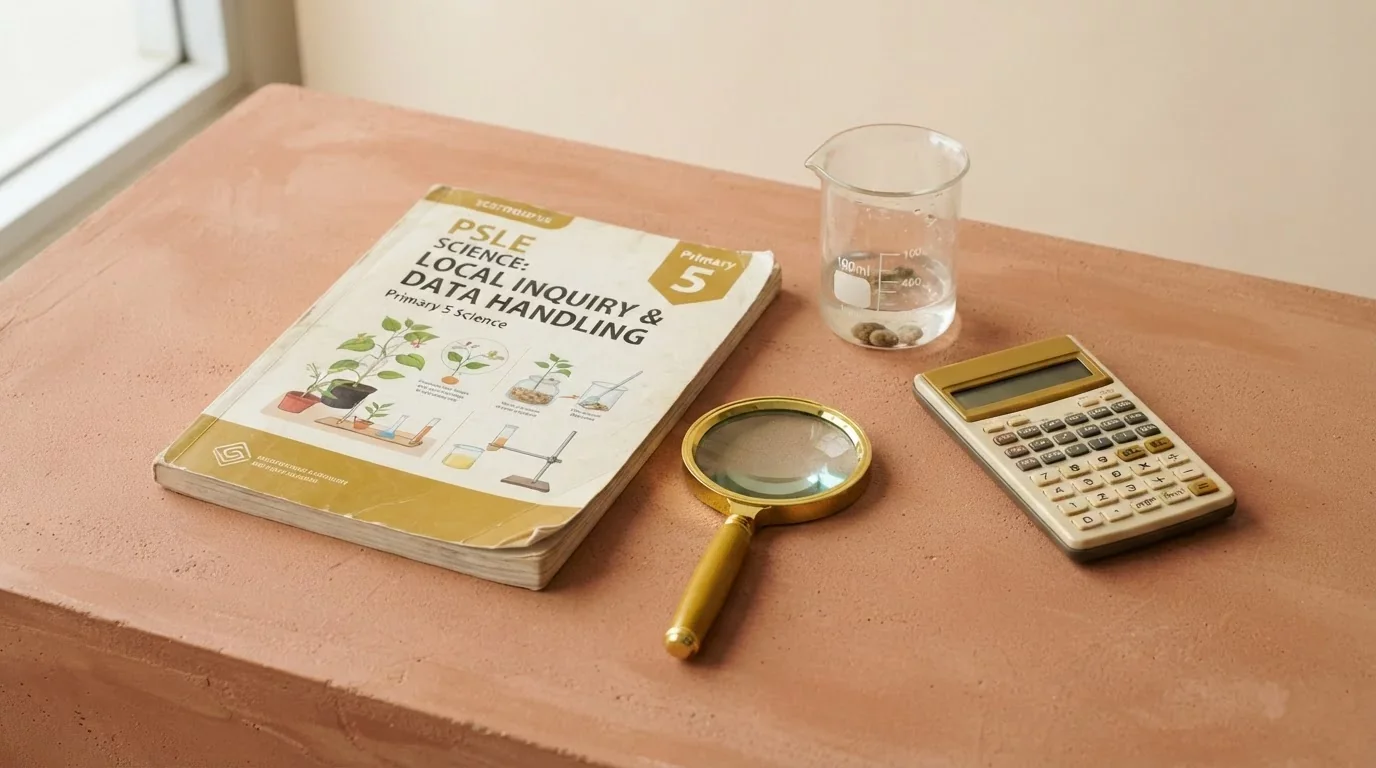
A Six-Week Home Project Plan to Boost Inquiry, Data Handling and Explanations
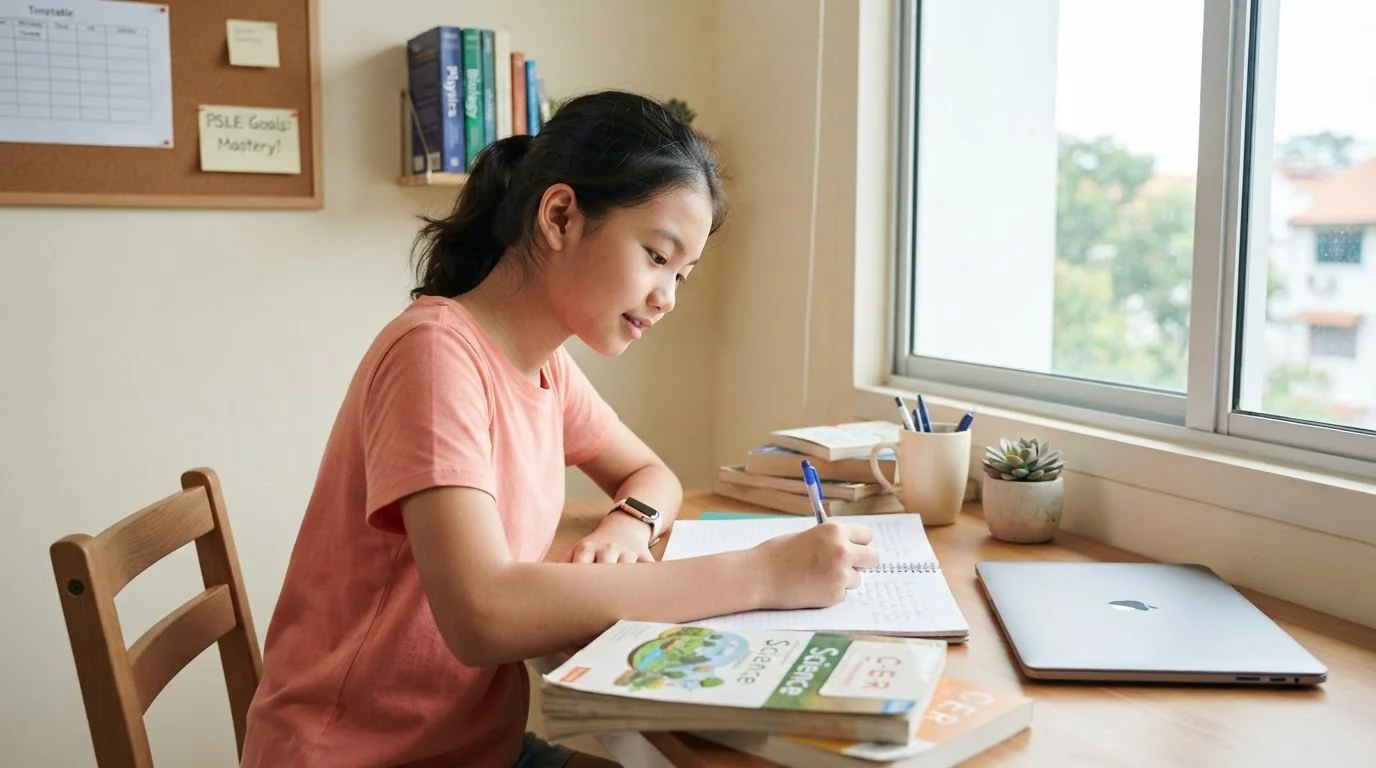
This six-week home project plan offers a structured way to build your child’s scientific inquiry, data handling and explanation skills for the PSLE using everyday Singaporean life. It acts as a powerful, hands-on supplement to formal schooling and existing Science tuition for Primary 5, transforming abstract concepts into tangible experiences.
Many parents I speak with feel caught in an "education arms race". An Institute of Policy Studies (IPS) survey highlighted that parents have increased their monthly spending on tuition to around S$500. There's a persistent belief, held by nearly 85% of parents, that extra classes are essential for a competitive edge. Yet, simply adding more assessment books or tuition hours often reinforces rote learning, which isn't enough for the PSLE Science paper's demanding application questions in Section B.
This plan is different. It’s designed to build the underlying scientific thinking that makes a real difference to your child’s confidence and grades.
Why Home Experiments Matter More Than You Think
The MOE Primary Science syllabus isn't just a list of facts to memorise. It's built around the practice of inquiry. Students are expected to analyse experimental setups, interpret data from tables and graphs and construct logical explanations, skills that are heavily tested in open-ended questions.
While good Primary Science tuition is invaluable for content mastery and exam techniques, it can't always replicate the messy, curious process of a real investigation. That’s where a home project comes in. By observing mould grow on bread in our humid climate or testing how quickly a shirt dries along an HDB corridor (ensuring it doesn't obstruct the fire safety clearance), your child internalises the scientific method. They learn to ask questions, control variables and draw conclusions based on evidence, not just textbook definitions.
The Six-Week Singapore-Context Science Project Plan
This plan turns your home into a simple science lab. Each week focuses on a core PSLE topic, using familiar items to build specific skills. The goal is for your child to maintain a Science journal throughout, documenting each step.
| Week | Investigation | Core PSLE Topic | Skill Focus |
|---|---|---|---|
| 1 | The Mouldy Bread Experiment: Leave one slice of bread in a dark, damp corner and another in a dark, dry corner. | Diversity (Living Things - Fungi) | Setting up a fair test (ensuring only one variable, moisture, is changed). |
| 2 | The Evaporation Race: Hang two identical wet cloths of the same exposed surface area, one in a windy corridor and one indoors. | Water Cycle | Measuring and recording data over time and comparing rates. |
| 3 | The Kopi-O Challenge: Pour hot water into a metal cup and a ceramic/plastic cup to see which cools faster. | Heat | Observing heat transfer and identifying good/poor conductors of heat. |
| 4 | A Plant's Journey to Light: Place one potted plant near a window and another inside a cardboard box with a small hole. | Photosynthesis | Long-term observation and drawing evidence-based conclusions. |
| 5 | The Ice Melting Test: Place one ice cube on a metal spoon and another on a plastic spoon at room temperature. | Heat | Comparing results and explaining the scientific principle of heat gain/loss. |
| 6 | The Water Cycle in a Bag: Tape a ziplock bag with a little water to a sunny window. | Water Cycle | Explaining a full process using the Claim-Evidence-Reasoning (CER) framework. |
How Does This Plan Complement Science Tuition for Primary 5?
Think of this project plan as the practical training that reinforces the theory learned in class or during Primary 6 Science tuition. It bridges the gap between knowing a fact (e.g., "evaporation is affected by wind") and being able to explain an experiment about it with precision.
Here’s how they work together:
-
Tuition builds content knowledge: Your child learns the definitions of heat, condensation and photosynthesis.
-
Home projects build inquiry skills: Your child sees these processes happen and learns how to structure an explanation about them.
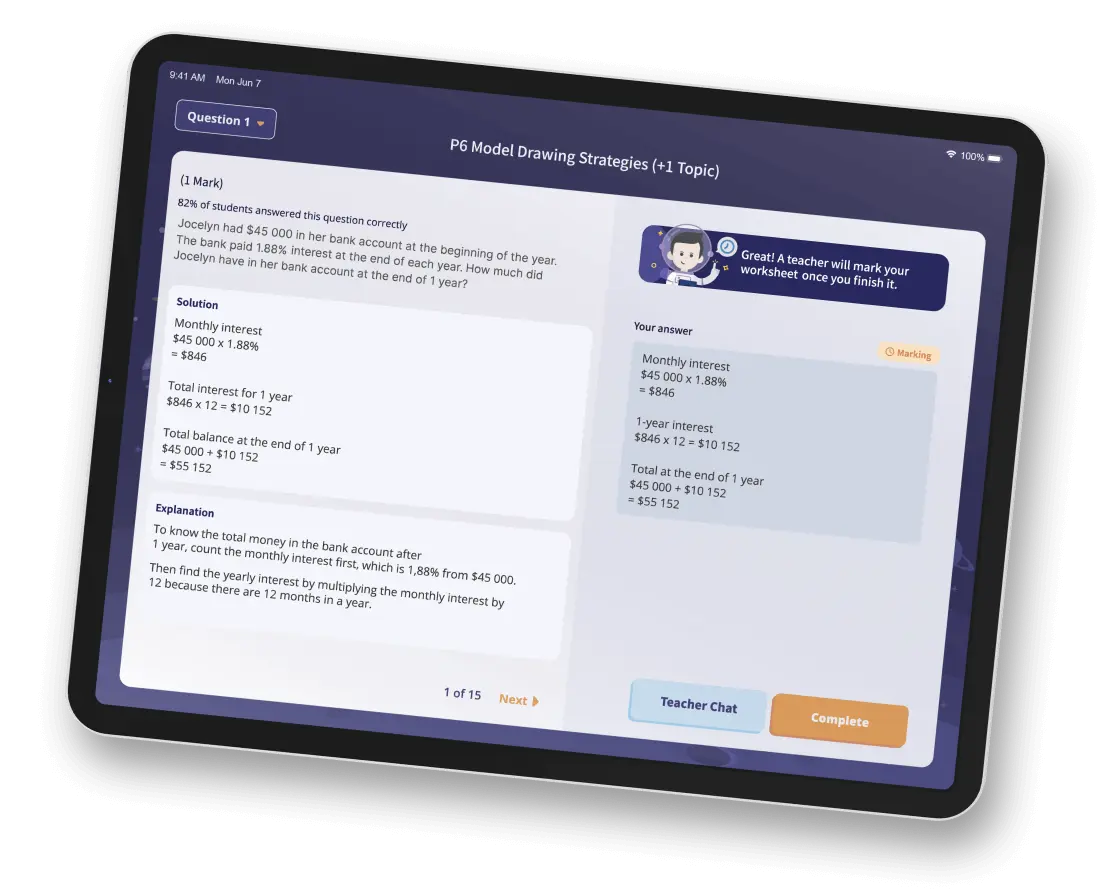
This hands-on experience is invaluable. When a student has personally seen water droplets form inside a bag taped to a window, they are far more likely to correctly identify and explain condensation in an exam diagram. It also prepares them for the faster pace of Primary 6 Science tuition, as they'll have a stronger foundational understanding. This approach also integrates well with high-quality online tuition platforms, which can provide targeted practice questions and AI-driven feedback after your child has grasped the concepts through hands-on work.
A Parent's Guide to Facilitating, Not Teaching
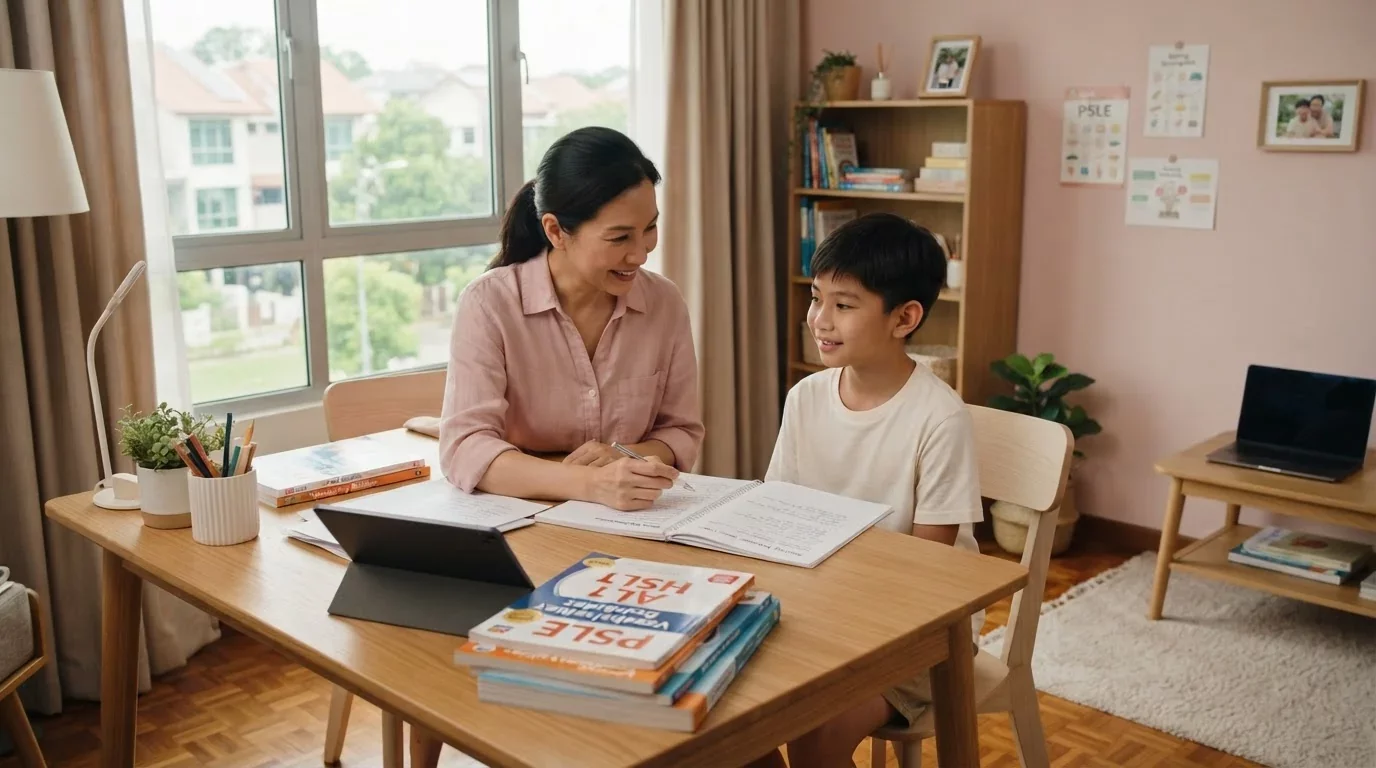
Your role isn't to be a Science teacher but a curious guide. The aim is to foster your child's independence and critical thinking.
Pro-tips for success:
-
Champion the science journal: This is the most critical tool. It’s where your child records their hypothesis (what they think will happen), method, observations (tables, diagrams, photos) and conclusions. It trains them to think and communicate systematically, just as required in Section B answers.
-
Ask guiding questions: Resist the urge to give answers. Instead, prompt them with questions like: "What are we trying to find out?", "What should we keep the same to make it a fair comparison?" and "What does this result tell us?"
-
Treat 'mistakes' as data: If an experiment doesn't go as planned, it's a valuable learning moment. Ask: "Why do you think that happened?" and "What could we change next time?" This builds resilience, a key trait for tackling tough exam questions.
In the competitive PSLE landscape, it's easy to believe that more hours of conventional study is the only path forward. However, this six-week plan offers a smarter way. By investing a small amount of time in these local-context projects, you are not just preparing your child for an exam. You are equipping them with the genuine scientific curiosity and analytical skills that will serve them long after the PSLE.
Frequently Asked Questions
Will This Six-Week Science Home Project Replace the Need for Science Tuition?
This six-week home project plan is designed to complement and reinforce formal schooling and Primary Science tuition, not replace them. The plan acts as practical training to build inquiry skills, while tuition focuses on content mastery and exam techniques. This combined approach also integrates well with online tuition platforms that can provide targeted practice after the hands-on learning is complete.
Is This Science Project Plan Suitable for a Primary 5 Student?
Yes, this plan is an ideal supplement for students receiving Science tuition for Primary 5 as it builds a strong foundational understanding before they face the faster pace of Primary 6 Science tuition. By turning abstract concepts into tangible experiences, it helps them internalise the scientific method and boosts their confidence for the PSLE.
Why Are Home Experiments Better Than Just Doing More Practice Papers for PSLE Science?
Simple home experiments are highly effective for developing the core scientific thinking skills required for the PSLE Science paper's open-ended questions, whereas just doing more assessment books can lead to rote learning. Conducting these PSLE Science experiments helps a child learn how to control variables, interpret data and draw conclusions from evidence, which are crucial skills for the exam's application questions.
How Do These Simple Home Experiments Relate to the MOE Science Syllabus?
These home experiments are directly aligned with the MOE Primary Science syllabus, which is built around the practice of scientific inquiry rather than just fact memorisation. Each week's investigation focuses on a core PSLE topic and helps students develop essential skills in analysing experiments, interpreting data and constructing explanations as expected by the syllabus.
What Is the Purpose of the Science Journal in This Home Project?
The Science journal is the most important tool in this project for training your child to think and communicate scientifically, just as they are required to do in PSLE Science Section B answers. The journal is where your child will formally record their hypothesis, method, observations and conclusions for each experiment in the Science home project, building a systematic approach to problem-solving.