


The Bar Model Singapore Math Method: From P3 Confusion to PSLE Confidence

The Bar Model Singapore PSLE Math Method: From P3 Confusion to PSLE Confidence
The bar model Singapore math method is a cornerstone of our primary school curriculum for a simple reason: it works. It transforms daunting multi-step word problems into clear visual diagrams, giving children a reliable tool to decipher complex questions long before they touch abstract algebra. As an educator who has guided hundreds of students through the PSLE, I've seen this MOE-developed strategy turn mathematical anxiety into confident problem-solving. It’s not just about drawing boxes; it's about building a deep conceptual understanding of numbers and their relationships.
The MOE Blueprint: Why the Bar Model is More Than Just Drawing
Many parents see the rectangular bars and wonder if it’s just a simplified gimmick. The truth is, the Singapore bar model is a deeply researched pedagogical tool. Developed by the Ministry of Education (MOE) back in the 1980s, it forms the critical 'Pictorial' stage of the renowned Concrete-Pictorial-Abstract (CPA) approach.
The CPA approach ensures students build a solid foundation:
- Concrete: They first learn with physical objects like counting blocks.
- Pictorial: They then translate this understanding into drawings, this is where the bar model shines.
- Abstract: Only after mastering the first two stages do they move on to formal symbols and equations (+, -, x, ÷).
This structured progression is why students typically begin using the math bar model in primary schools. It's a deliberate step to bridge the gap between hands-on play and formal mathematics, ensuring they grasp why a formula works, not just how to use it.
How the Singapore Bar Model Demystifies Complex Word Problems
Let's face a common scenario: a dense PSLE word problem involving fractions and multiple characters. A child's first reaction is often panic. They don't know where to start. The bar model provides a repeatable "go-to move". It forces them to slow down and translate the words into a visual story.
Instead of getting lost in the text, they identify the key components:
- What is the total amount (the 'whole')?
- What are the different parts?
- What is the unknown quantity we need to find?
By drawing these relationships as rectangular bars, the problem becomes a simple visual puzzle. This is particularly powerful for students who may have weaker reading comprehension but strong visual-spatial skills. It converts an abstract linguistic challenge into a concrete visual one that the brain can process more easily.
Beyond Basics: The Bar Model's Power in Upper Primary & PSLE Math Strategies
One of the biggest misconceptions is that the bar model is only for simple addition and subtraction. This couldn't be further from the truth. Its real power is revealed in Upper Primary, where it becomes an indispensable tool for tackling some of the toughest PSLE math strategies.
I've seen it bring clarity to notoriously difficult topics, including:
- Fractions: Visually comparing fractions with different denominators becomes intuitive.
- Ratios: Drawing bars to represent ratio units makes finding unknown values straightforward.
- Percentages: Understanding concepts like 'percentage increase' or 'discount' is easier when you can see the 'before' and 'after' bars.
With the help of this model, give it a go to solve the question.
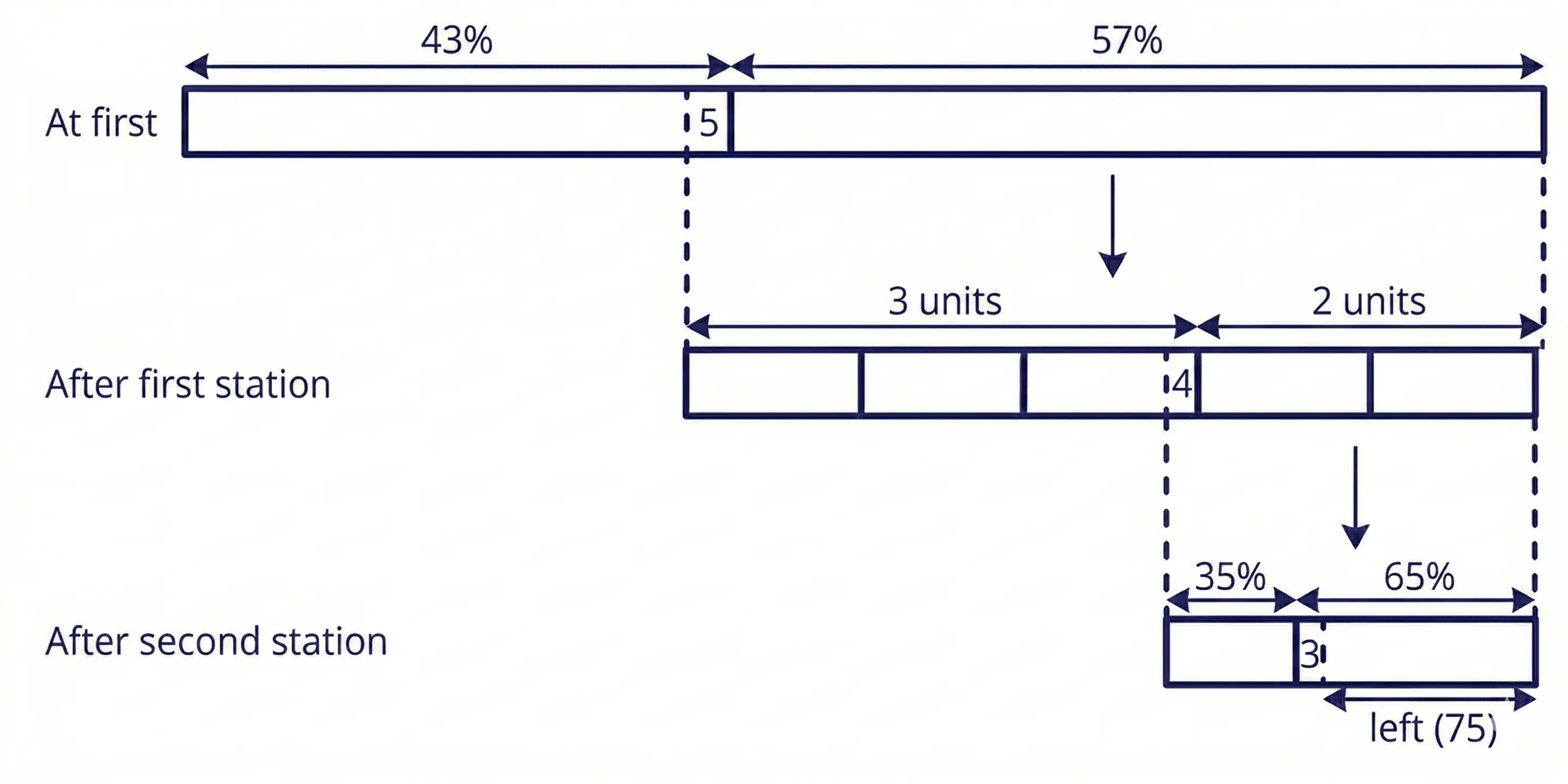
The consistency of this visual method across different topics is a huge advantage. Students don't have to learn a new trick for every new concept. They learn one versatile framework and apply it everywhere, building strategic thinking and reducing the cognitive load during high-stakes exams like the PSLE. This approach is fundamental to primary school math success.
Your Role as a Parent: Nurturing a 'Model' Thinker
Your child’s success with the bar model Singapore math method isn’t just up to their teacher. You can foster this visual thinking at home. The key is to shift the focus from "just find the answer" to "can you draw the problem for me?"
- Start with Part-Whole Questions: For younger children, use everyday scenarios. "We have 8 slices of pizza. You ate 3. Can you draw a bar to show how many are left?" This introduces the fundamental part-whole concept.
- Use Comparison Language: When looking at prices or quantities, ask, "Which one is more? How much more?" Encourage them to draw two bars to compare.
- Embrace the 'Mistakes': If their model is incorrect, don't just give the answer. Ask questions like, "Does your drawing match the story? What part of the story did we miss in the drawing?" This teaches them to self-correct.
Ultimately, mastering the bar model isn't about artistic skill. It's about cultivating a habit of mind: to pause, visualise and strategise before jumping into calculations. By encouraging this process, you’re not just preparing them for the PSLE. You’re equipping them with a logical framework that will serve them well into secondary school and beyond.