


The PSLE Prep Calendar: Mapping Out Key PSLE Dates

A Year-at-a-Glance: The PSLE Exam Schedule Framework
As a veteran in the Singapore education space, I’ve seen countless families navigate the Primary 6 journey. The most successful ones don’t just focus on the exam days, they map out the entire year. The official PSLE exam schedule is released annually by the Singapore Examinations and Assessment Board (SEAB), but the rhythm of the year remains largely consistent. Thinking about it in phases can transform anxiety into a structured plan.
Term 1 & 2 (January – June): Building Momentum
The first half of the year is about laying a strong foundation. While there are no major national exam dates, this period is filled with crucial school-based assessments and deadlines that set the stage for what’s to come.
- School Assessments: These weighted assessments are the first real indicators of a student’s progress. Use them to identify and address weak areas early on.
- Parent-Teacher Meetings: This is a key touchpoint. Come prepared with specific questions about your child’s performance and how you can support them at home.
- DSA Application Window: The Direct School Admission exercise typically opens in May. If your child has a strong talent in sports, arts or a specific academic area, this is a vital period to prepare their portfolio and begin the application process.
- Support Workshops: Keep an eye out for parent support forums. For instance, The Straits Times has previously held its Smart Parenting PSLE Prep Forum in early April, featuring experts like renowned Maths textbook author Yeap Ban Har. These events offer invaluable strategies for the year ahead.
Decoding the Examination Period: A Closer Look at the PSLE Schedule
The second half of the year is when the national examinations begin in earnest. Knowing the sequence helps in planning targeted revision plan and managing energy levels. While the exact dates shift slightly each year, the order of the papers is predictable.
The Oral and Listening Components (August – September)
The examination season doesn't start with written papers. It begins with components that test real-time comprehension and articulation.
- PSLE Oral Date (Mid-August): The Mother Tongue and English Language oral examinations are usually the first to take place. Consistent practice in reading aloud and conversational skills is key in the months leading up to this.
- Listening Comprehension (Mid-September): This component follows a few weeks later. Students are tested on their ability to understand and interpret spoken passages. This is a single, high-focus session for each language.
The Written Papers (Late September – Early October)
This is the main event. The written papers for English, Mathematics, Science and Mother Tongue are conducted over a period of about a week. This is a marathon that requires academic stamina. Your child’s revision plan should peak during this time, followed by a well-deserved break once the final paper is submitted. An official psle exam date for each paper will be confirmed by SEAB and communicated through schools.
The Final Stretch: From PSLE Results Day to Secondary School Posting
The waiting period after the exams can be nerve-wracking, but there are still important dates and tasks to manage. This final phase determines the next step in your child's educational journey.
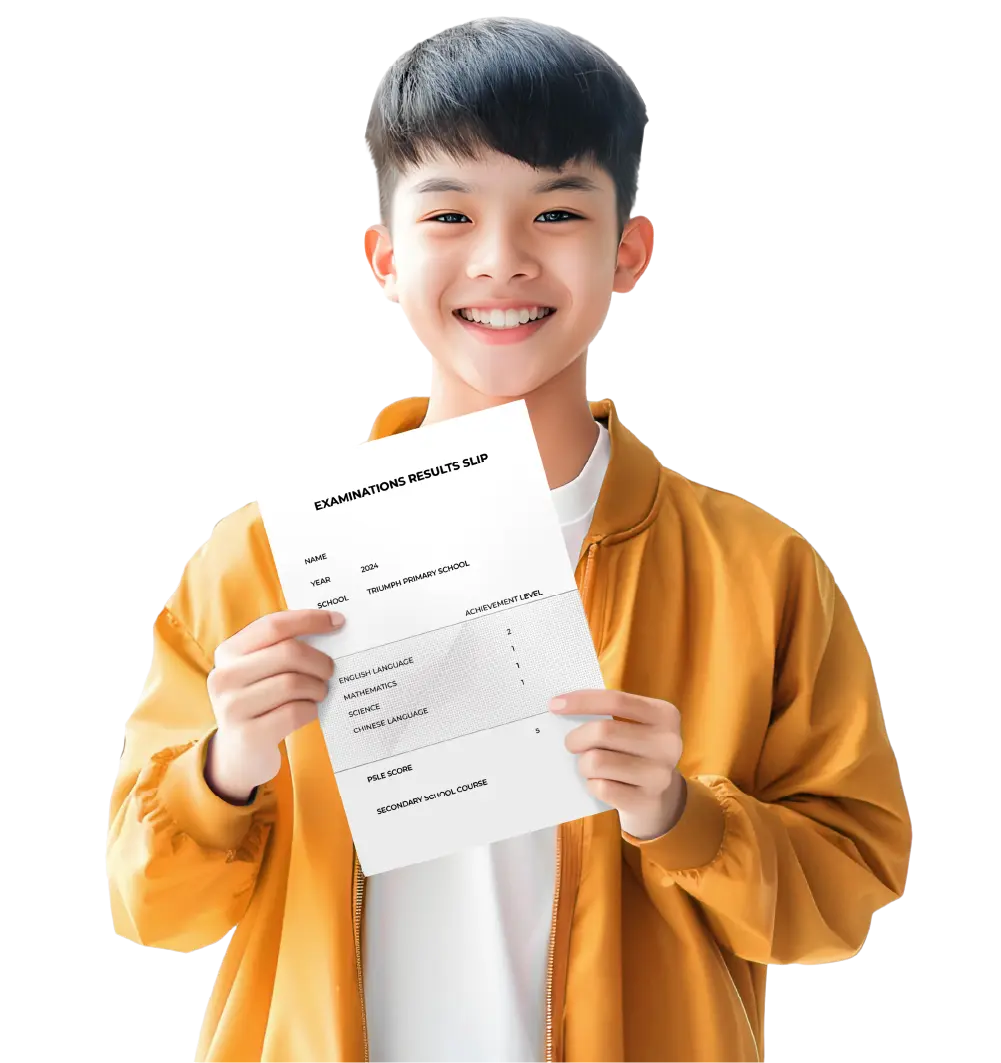
The official psle result release date typically falls in the third or fourth week of November. On PSLE results day, students receive their PSLE Score, which is calculated based on the Achievement Level (AL) for each of the four subjects. The total score ranges from a minimum of 4 (the best possible score) to a maximum of 32.
Once you have the results, the next clock starts ticking:
- S1 Option Form: You will receive a unique S1 Personal Identification Number (S1 PIN) to log into the Secondary 1 Internet System (S1-IS). You will have about a week to discuss choices with your child and submit the list of six secondary schools in order of preference.
- School Posting Results: The secondary school posting results are usually released just before Christmas. You can access the results via SMS, the S1-IS portal or at your child’s primary school.
Instead of merely tracking the official PSLE dates, build a comprehensive family calendar. Schedule revision blocks, but more importantly, schedule downtime, family activities and mental health check-ins. A well-planned calendar isn’t about adding pressure. It’s about creating control, building confidence and navigating the PSLE journey as a team.