


Why P3 and P4 Are the Critical Years for a Strong Maths Foundation

Why Are P3 and P4 So Important for Maths?
Primary 3 and 4 are the most critical years for building a child's mathematical foundation, bridging early numeracy with the complex problem-solving skills needed for the PSLE. A weak grasp of concepts introduced here is the primary cause of the infamous 'P5 Maths Slump' and can create significant learning gaps that are harder to fix later.
Many parents first notice their child's struggles in P3. The curriculum, aligned with the latest MOE syllabus, introduces a steep jump in difficulty. Concepts shift from concrete counting to more abstract thinking. It’s here that the right support, sometimes including good primary Maths tuition, can set the stage for long-term confidence and success.
What Are the Core P3 & P4 Foundational Skills?
The middle primary years are less about memorisation and more about building the mental frameworks for upper primary. Your child is expected to master a new engine for problem-solving. This includes:
- Multiplication & Division: Moving beyond simple times tables to master the harder 6, 7, 8 and 9 times tables becomes essential. These are the building blocks for long division, factors and multiples.
- Fractions: This is a major conceptual hurdle for many students. P3 and P4 are dedicated to building a solid, intuitive understanding of fractions before they are combined with other topics in P5.
- The Model Method: Structured problem-solving using bar models is heavily emphasised. Mastery here is non-negotiable for tackling complex word problems in the PSLE.
- Geometry and Measurement: Foundational concepts like angles, area, perimeter, length and mass are introduced. These topics are often taught once and assumed to be mastered, receiving little to no revision in P5 and P6.
What Causes the 'P5 Maths Slump'?
The 'P5 Maths Slump' is a real phenomenon I have seen countless times. It happens when unaddressed learning gaps from P3 and P4 suddenly become major obstacles. In P5, the MOE curriculum introduces challenging topics like percentages, ratios and complex fractions. These new concepts rely heavily on the assumption that P3 and P4 skills are fully mastered.
When a child is still shaky on multiplication or fractions, they cannot possibly keep up. Their confidence plummets and a downward spiral begins. This is why addressing weaknesses early is far more effective than waiting for a difficult P5 or P6 year, which may require intensive p5 Maths tuition or PSLE Maths tuition just to catch up.
How Can I Spot Early Warning Signs in My Child?
Pay close attention during P3 and P4. It is much easier to patch a small crack than to rebuild a collapsed wall. Look for these signs:
- They consistently take a very long time to complete their Maths homework.
- You see excessive careless mistakes in their work, often a sign of a weak conceptual grasp.
- They express a fear of or frustration with word problems.
- They still count with their fingers to solve multiplication sums.
- They seem to have forgotten topics taught just a few weeks prior.
Is Primary Maths Tuition the Only Solution?
Finding the right support is not about chasing advertisements, a practice the MOE and Advertising Standards Authority of Singapore (ASAS) have rightly scrutinised. It’s about finding a targeted solution for your child. Not every child needs a traditional primary Maths tutor. Sometimes, the issue is the method of explanation.
Dr. Yeap Ban Har, a renowned Singapore Maths expert, advocates for 'scaffolding'. Instead of giving a child the answer, you guide them with questions to help them see the process. “What do you have? What do you need? What can you do to get there?” This builds thinking skills.
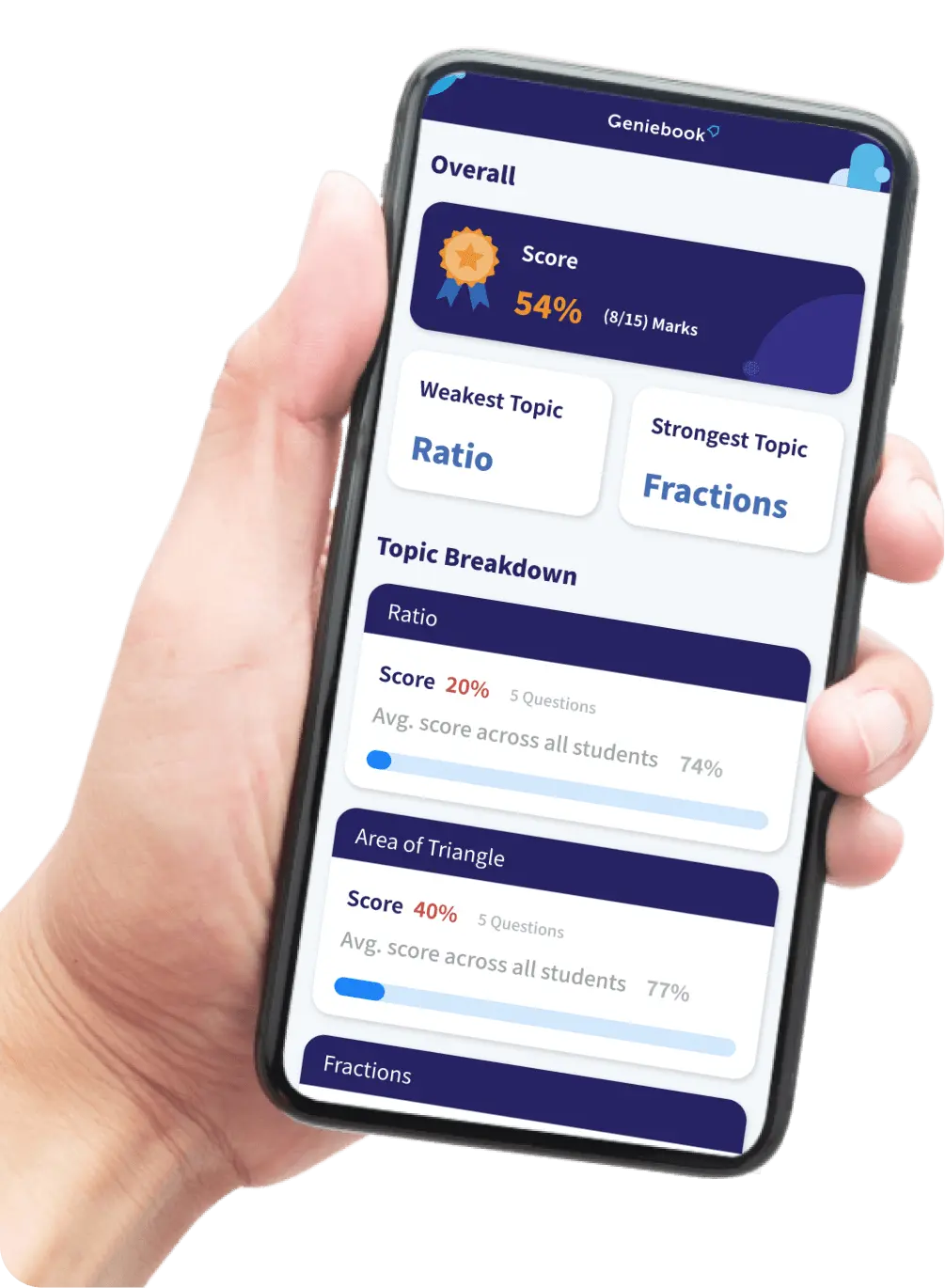
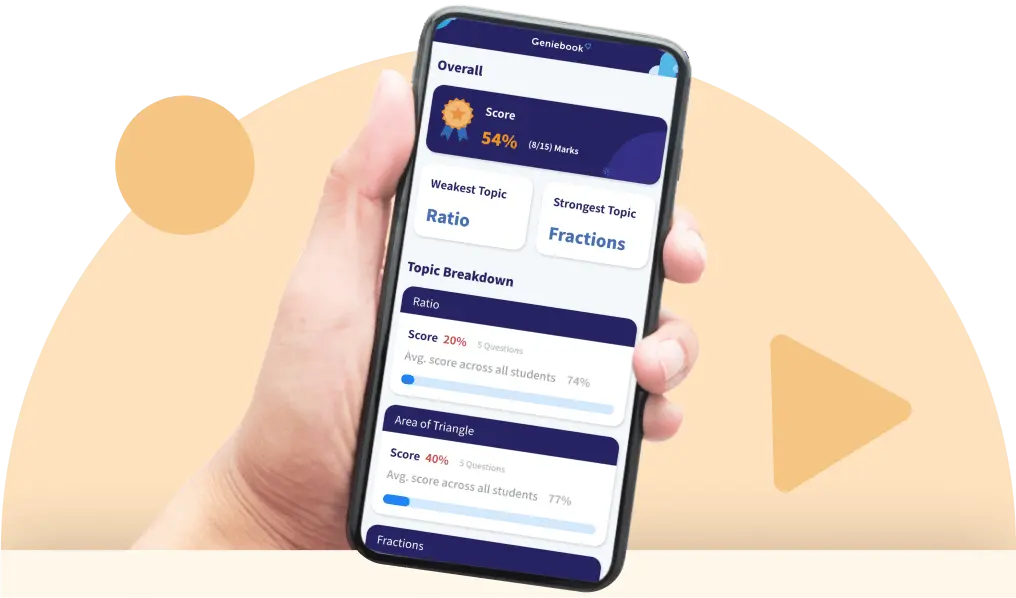
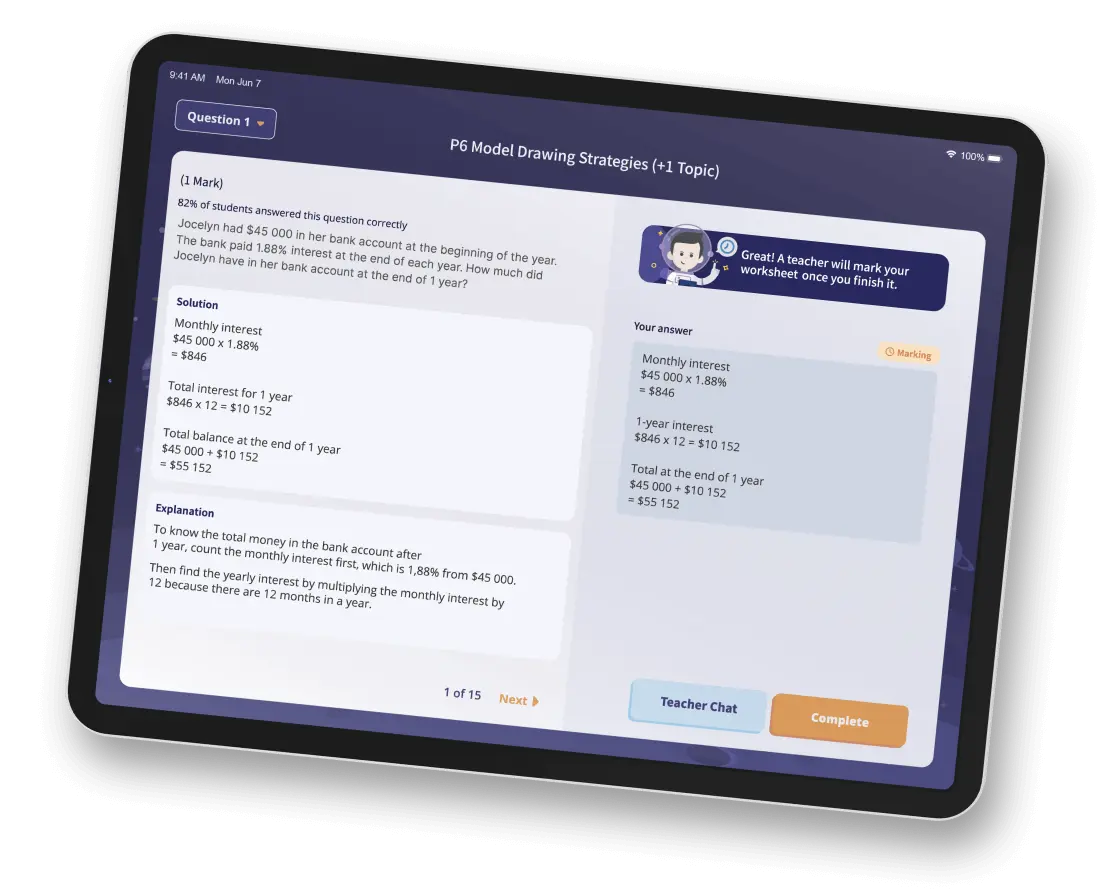
However, when gaps are evident, personalised help becomes necessary. The landscape of support has evolved. According to a recent CNA report, AI-powered learning platforms are seeing huge demand, with some like Tutorly reaching over 1,200 users. For a fraction of the cost of a tuition centre, these platforms offer AI-driven worksheets that target specific weaknesses, allowing a child to practise precisely what they need, anytime. For a child needing help with primary 4 Maths tuition, this can be an effective and affordable tool to solidify their foundation before the critical P5 year.
Discover how Geniebook personalises learning to help your child build a strong foundation in primary 3 and primary 4 Mathematics. Contact us for a free Diagnostic Assessment to give them a confident start in primary 5.