


PSLE Science 2027: A Local-Context CER Mastery Plan for Open-Ended Questions

Why Your Child's PSLE Science Score Hinges on 13 Questions
For the upcoming PSLE Science 2027 paper, 44% of your child's final grade is determined by just 12 to 13 open-ended questions in Booklet B. While Booklet A’s 56 marks are won through multiple-choice questions, Booklet B demands a completely different skill: written articulation. I have seen countless students with a solid grasp of science concepts lose crucial marks here simply because they could not structure their answers in the way MOE markers expect. Understanding the science is only half the battle. The other half is proving it on paper.
The key to conquering this section is mastering the Claim-Evidence-Reasoning (CER) framework. It is not a secret trick but a fundamental method for scientific communication that examiners are trained to look for.
What Is the CER Framework and Why Is It So Important?
The CER framework is a simple yet powerful way to structure answers logically. It ensures every response is complete, concise and directly addresses the question.
-
Claim: This is the direct answer to the question. It’s a single, confident statement.
-
Evidence: This is the data or observation that supports the claim. Your child must pull this directly from the question, whether it is a table, a graph or a description of an experiment.
-
Reasoning: This is the 'why'. It's the scientific principle or concept that connects the evidence to the claim. This step demonstrates true understanding beyond rote memorisation.
Think about a common sight in a Singapore food court. A question might show a metal spoon left in a hot bowl of soup and ask why the handle gets hot. A weak answer might just say 'heat travels up the spoon'. An AL 1-worthy CER answer would be structured:
-
Claim: The spoon handle became hot because the spoon is a conductor of heat.
-
Evidence: The spoon was placed in the hot soup.
-
Reasoning: Heat from the soup was transferred along the entire length of the spoon by conduction, as metals are good conductors of heat.
The Three Most Common Mistakes in Booklet B
Even with a basic understanding of CER, students often fall into traps that cost them marks. Effective science tuition for Primary 5 students focuses heavily on avoiding these specific pitfalls before they become habits.
-
Writing Too Much
Parents often encourage children to write more to be safe. In PSLE Science, this is counterproductive. Markers are looking for precision, not prose. A clear, accurate answer in two to three sentences is far better than a rambling paragraph. Overwriting wastes precious time and can confuse the main point. -
Misunderstanding the Question's Command Word
Does the question ask to 'explain', 'describe', 'compare' or 'predict'? Each word demands a different type of answer. 'Describe' asks for what happened. 'Explain' asks why it happened, which requires the scientific reasoning (the 'R' in CER). 'Compare' requires students to identify both similarities and differences. Many marks are lost by giving an explanation when only a description was needed. -
Not Connecting Different Topics
The MOE curriculum increasingly tests students on their ability to link concepts. A question about a puddle drying up might seem to be about the water cycle but could also be testing concepts of heat, surface area and wind energy. A student must be able to pull knowledge from different chapters to form a complete answer.
A 6-Week Home Plan for CER Mastery
A structured approach at home can make a significant difference. While intensive Primary 6 science tuition is common, this manageable plan helps build a strong foundation. This is a workflow, not a content revision plan.
-
Weeks 1-2: Deconstruct and Identify. Take past-year questions and high-quality model answers. Using different coloured highlighters, have your child identify the Claim, the Evidence and the Reasoning in each answer. Discuss why the model answer works.
-
Weeks 3-4: Build with Scaffolds. Use simple templates with boxes for 'C', 'E' and 'R'. Start with questions from a single topic like 'Heat'. This focused practice helps build confidence. Tie it to local context. Ask them to explain condensation on a car windscreen in the morning.
-
Weeks 5-6: Simulate and Refine. Now, remove the templates. Give your child a section of Booklet B questions from a practice paper and set a timer. The goal is to apply CER under pressure, focusing on concise wording and time management.
Is More Tuition the Only Answer?
The pressure on parents is undeniable. An Institute of Policy Studies (IPS) survey highlighted that average monthly spending on tuition has hit $500, with three-quarters of parents feeling it's necessary for their child to keep up. This 'education arms race' creates immense anxiety.
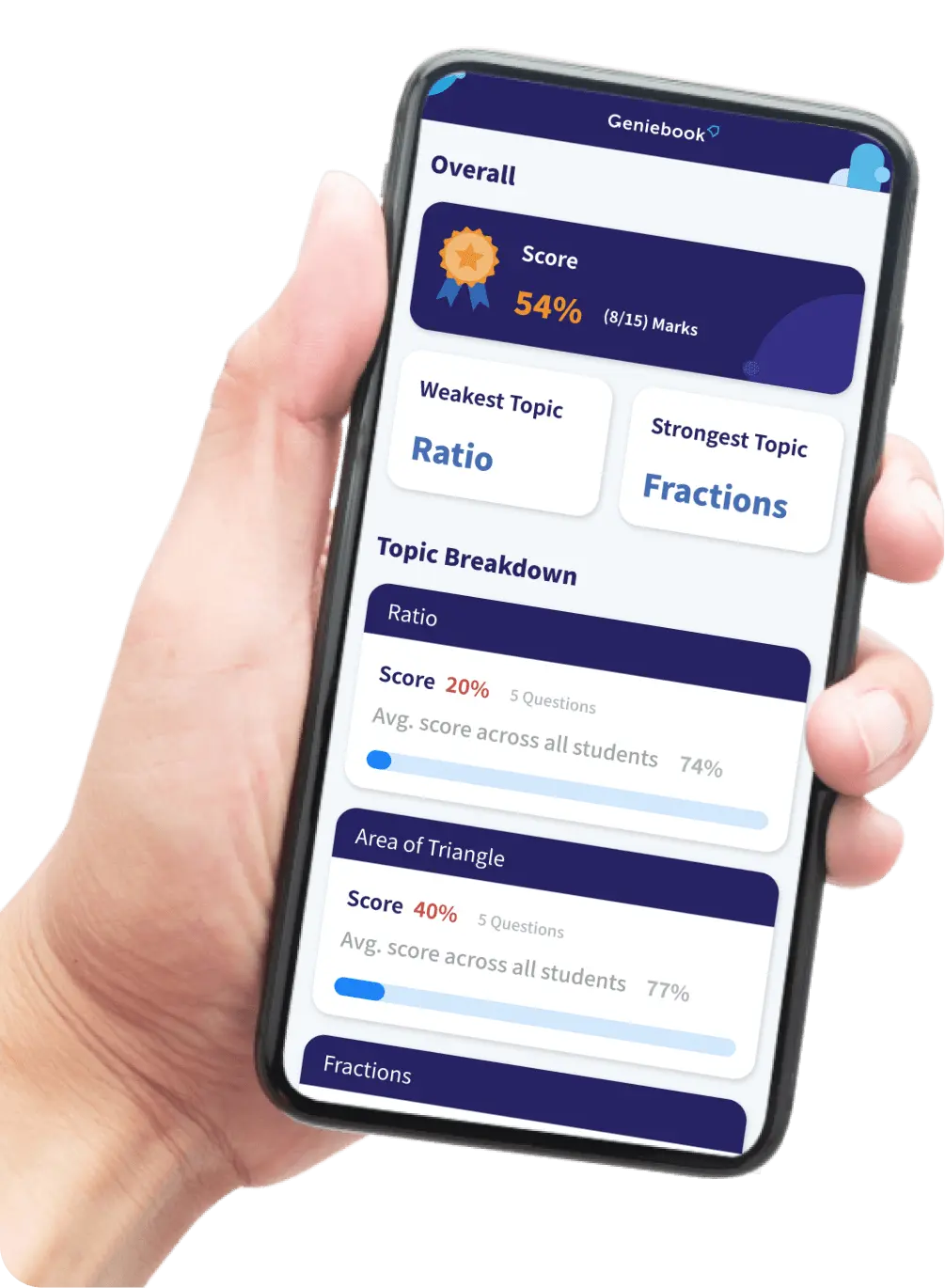
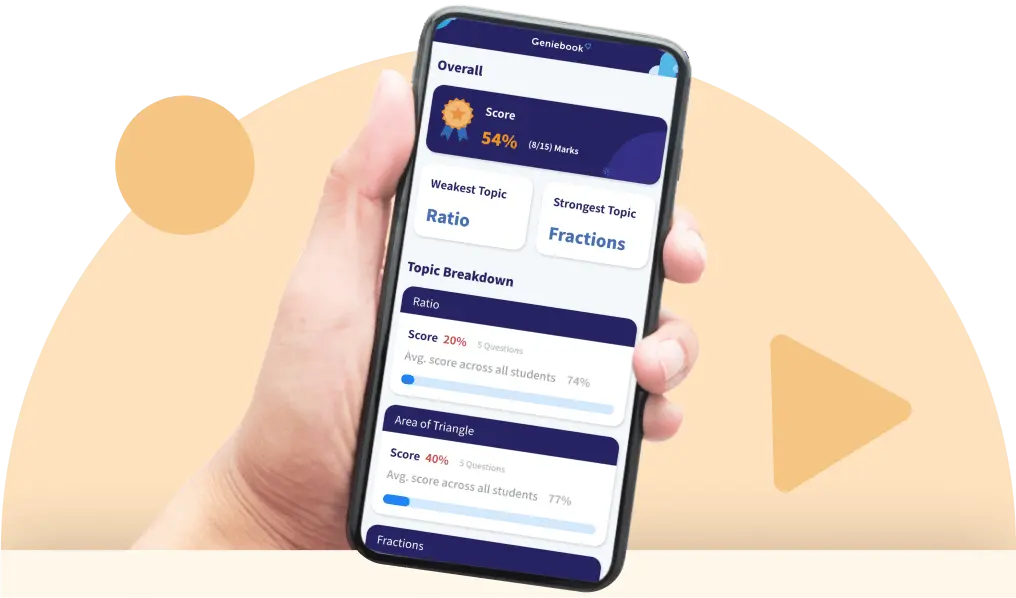
While good primary science tuition can offer targeted guidance, the goal should be smart, not just more, support. The rise of high-quality online tuition offers a more flexible and personalised path. For instance, platforms like Geniebook use AI to identify a child's specific weaknesses in answering techniques. Instead of just doing more papers, your child gets immediate feedback on their CER structure for a question about 'Forces' if that is their weak point. This builds mastery efficiently without adding to the homework pile.
Ultimately, whether through a home plan, a great tutor or an adaptive online platform, the objective is the same: to turn your child's scientific knowledge into well-structured, high-scoring answers. Mastering CER is not about gaming the system. It is about learning to think and communicate like a scientist, a skill that serves them well beyond the PSLE.
Frequently Asked Questions
Why are open-ended questions so important for PSLE Science?
Open-ended questions are crucial for the PSLE Science exam because they determine 44% of the final grade and test a student's ability to clearly articulate scientific concepts in writing.
What is the CER framework for PSLE Science?
The CER framework is a method for structuring answers to science open-ended questions by providing a direct Claim, supporting it with Evidence from the question and explaining the scientific Reasoning that connects them.
What are the most common mistakes in PSLE Science open-ended questions?
The most common mistakes students make in PSLE Science open-ended questions are writing excessively long answers, misunderstanding the question's command word (e.g. 'explain' vs 'describe') and failing to connect ideas from different science topics.
How can I help my child practise the CER framework at home?
You can help your child practise the CER framework with a 6-week home plan focusing on deconstructing model answers to identify the Claim, Evidence and Reasoning, using templates for guided practice and finally simulating timed exam conditions.
Is more tuition the only way to improve my child's PSLE Science score?
More tuition is not the only answer. The goal is smart support which can include a structured home plan, targeted primary science tuition or efficient tuition platforms that use technology to identify and address specific weaknesses.