


PSLE Science Electrical Systems: Circuit Diagrams Demystified
Why Do So Many Primary 5 and Primary 6 Students Struggle With Electrical Systems?
The PSLE Science topic of Electrical Systems trips up students because it demands application, not just recall. A child can memorise every definition in their textbook and still lose marks because SEAB examiners are known for creating unfamiliar contexts that test deep understanding. For instance, a past preliminary paper used bumper cars to frame a question on circuits, a scenario far removed from standard textbook diagrams.
This is a core philosophy of the PSLE: moving beyond rote learning to assess a student's ability to apply principles. For parents, this can be a source of significant stress. You see your child studying hard but the marks do not reflect the effort. The pressure is real. A 2023 survey showed Singaporean parents are more stressed than a decade ago, with a staggering 84.9% believing extra tuition gives their child a necessary advantage for the PSLE.
The Core Concepts Your Child Must Master
To navigate these tricky questions, a firm grasp of the fundamentals is non-negotiable. These concepts are introduced in the Primary 5 syllabus under the 'Systems' theme and are built upon in Primary 6. Here’s what your child absolutely needs to know:
-
Circuit Components: A circuit needs an energy source (battery), wires (conductors) and a load that uses the energy (like a bulb). A switch is used to control the flow. If any part is disconnected, the circuit fails.
-
Open vs Closed Circuits: This is the most basic rule. A closed circuit provides a complete path for electricity to flow, allowing a bulb to light up. An open circuit has a break, so electricity cannot flow.
-
Conductors and Insulators: Your child must be able to identify materials that allow electricity to pass through (conductors, like metals) versus those that block it (insulators, like plastic or rubber).
Series Vs Parallel Circuits: The Key to Complex Diagrams
This is where most marks are won or lost. Students must be able to differentiate them instantly and predict outcomes when changes are made. Our experience in Primary Science tuition shows this is a major hurdle.
ks are won or lost. Students must be able to differentiate them instantly and predict outcomes when changes are made. Our experience in primary science tuition shows this is a major hurdle.
| Aspect | Series circuit | Parallel circuit |
|---|---|---|
| Path for current | Only one single path. | Multiple paths for the current to flow. |
| If one bulb fuses | The entire circuit breaks (all bulbs go out). | The other bulbs remain lit because the current can use the other paths. This is how our homes are wired. |
| Adding more bulbs | Bulbs become dimmer as they share the voltage. | Bulb brightness remains largely unchanged. |
| Adding more batteries | Bulbs become brighter. | Bulbs become brighter. |
The 3 Most Common (and Costly) PSLE Mistakes
Over decades of teaching, we see the same misconceptions derail even the brightest students. Here are the top errors to watch out for:
-
Confusing Energy Source and Storage: Many students write that batteries “store electrical energy”. This is incorrect. According to the MOE syllabus, batteries store chemical potential energy, which is then converted into electrical energy. It is a subtle but crucial distinction that examiners look for.
-
Thinking Electricity is “Used Up”: A common error is to say electrical energy is “used up” by the bulb. The correct concept is energy transformation. Electrical energy is converted into light and heat energy. It is not consumed or destroyed.
-
Misreading the Circuit Path: In complex diagrams with multiple switches and parallel branches, students often fail to trace the path of the current accurately. They might see a closed switch but miss an open one elsewhere in the same path, leading to wrong conclusions about which bulbs will light.
A 3-Step Strategy to Master Circuit Diagram Questions
Success is not about memorising more diagrams. It is about developing a systematic way of thinking. This is the framework we instil in our Primary 6 Science tuition programmes to build confidence and accuracy.
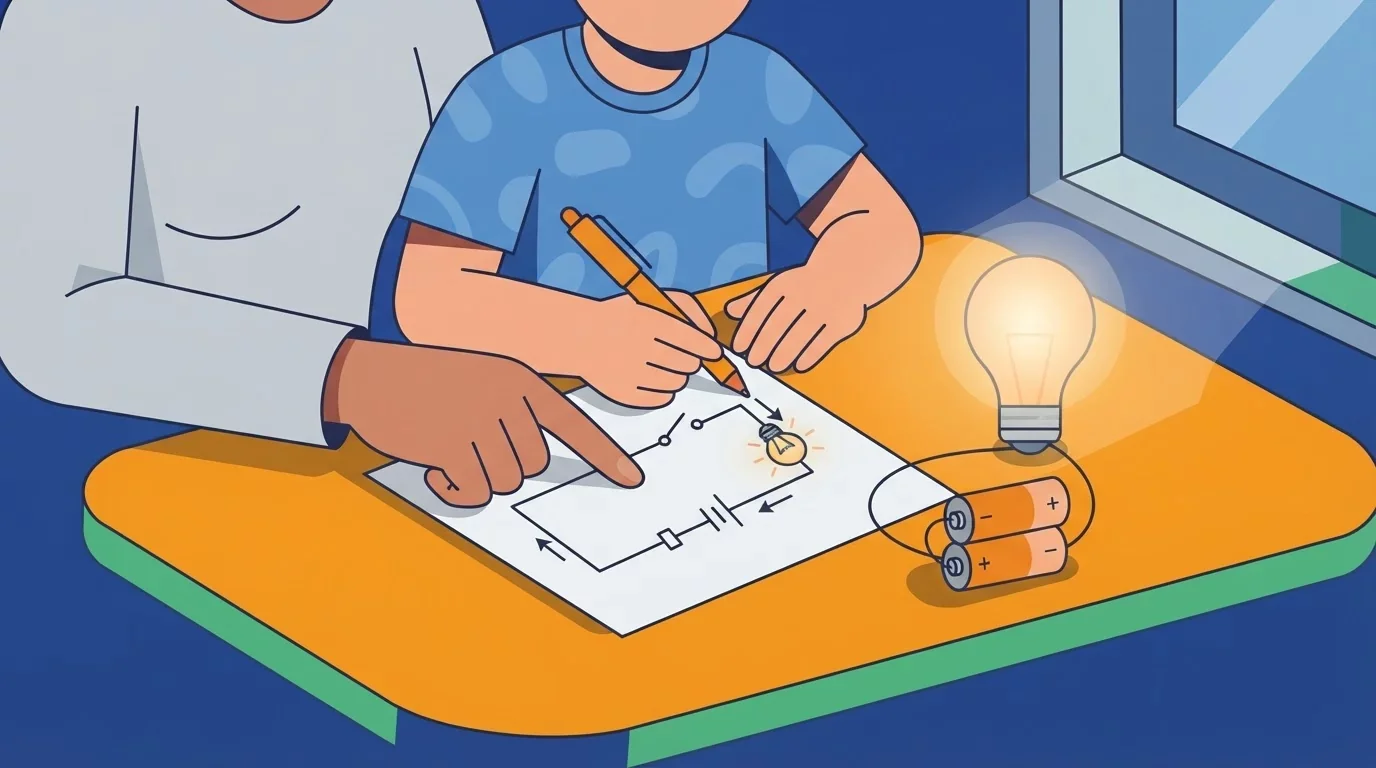
Step 1: Trace the Path With a Pencil Before answering, your child should physically trace the path of the current from the positive to the negative terminal of the battery. For every switch, ask: “Is it open or closed?” For every bulb, ask: “Is it part of a complete, closed circuit?” This simple, tactile action prevents careless errors from misreading the diagram.
Step 2: Apply the Rules Logically Once the path is traced, apply the rules. If it is a series circuit, what happens when a bulb fuses? If it is a parallel circuit, what happens? Instead of guessing, students should talk themselves through the logic based on the core principles.
Step 3: Conduct a Smart Mistake Audit After practice, do not just mark the answer as wrong. A Smart Mistake Audit helps diagnose the real reason for the error. Ask these four questions:
- Was it a careless mistake (e.g., misread the question)?
- Was it a concept mistake (e.g., misunderstood parallel circuits)?
- Was it an application mistake (e.g., knew the concept but could not apply it to the unfamiliar diagram)?
- Was it an expression mistake (e.g., used the wrong keyword like “used up” electricity)?
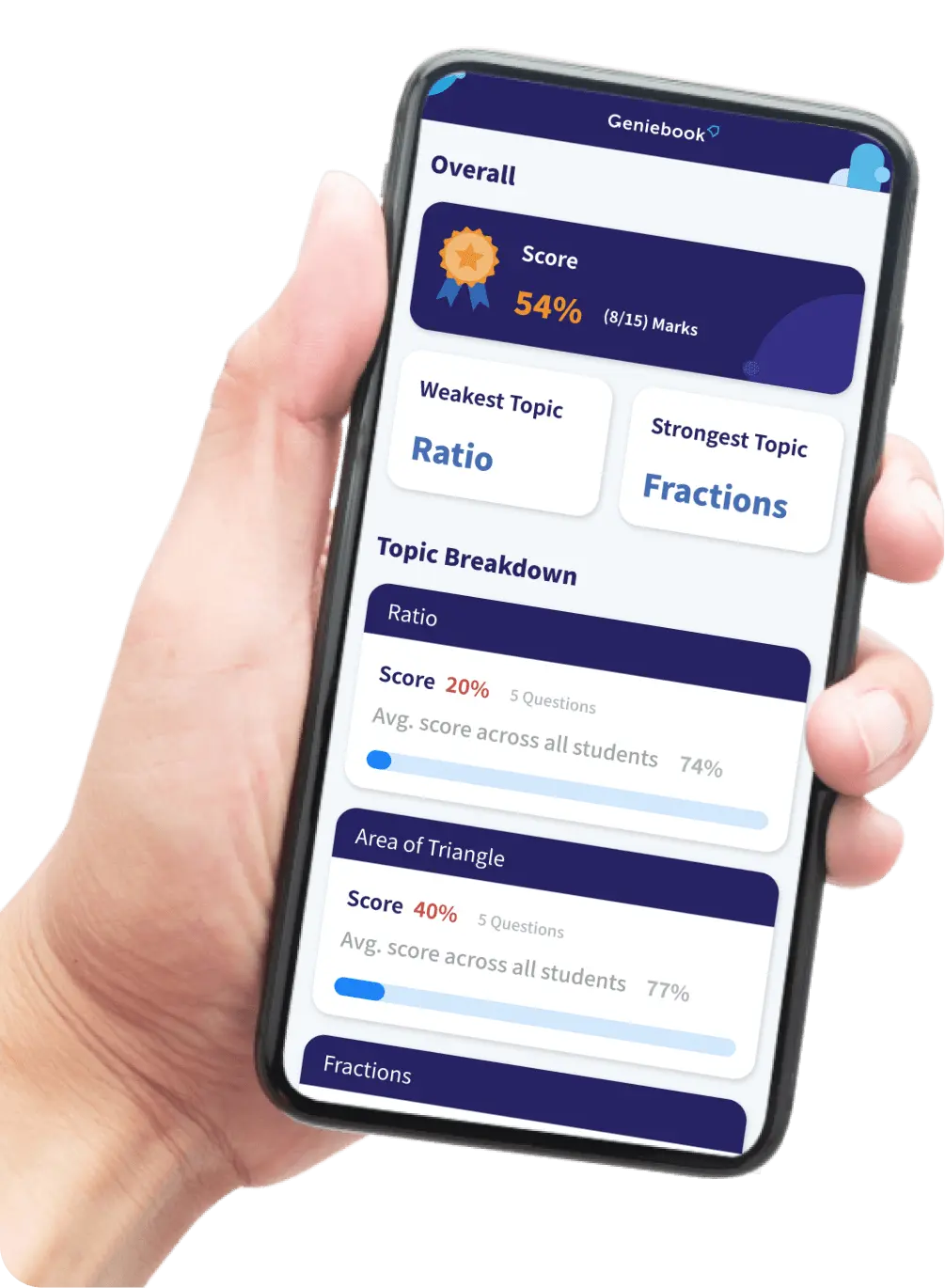
This audit turns every mistake into a specific, actionable lesson. It is a powerful tool we use to create personalised learning paths, especially in an online tuition setting where we can analyse performance data at scale.
Is Tuition the Only Answer?
The data suggests parents feel it is essential. With 75% stating their children need it just to keep up, the education arms race is a reality for many families. The investment is significant, with some spending upwards of $500 monthly on tuition back in 2016, a figure that has certainly grown.
However, the right support is not about more drills. It is about smarter practice. Effective science tuition for Primary 5 should focus on building a strong foundation in these application skills before the pressure of the PSLE year mounts. The goal is to cultivate a thinking process that allows a child to face any circuit diagram, be it of bumper cars or household appliances, with confidence, not fear. By focusing on how to think rather than what to memorise, we can empower students to master not just electrical systems but the scientific inquiry skills needed for the future.
Frequently Asked Questions
What is the difference between a series and parallel circuit for PSLE Science?
A series circuit provides only one path for electricity while a parallel circuit offers multiple paths. In PSLE Science, a key distinction is that if one bulb fuses in a series circuit all other bulbs will go out, whereas in a parallel circuit the other bulbs will remain lit. This is a critical concept for scoring well on complex circuit diagrams.
What is the most common mistake students make for electrical systems questions?
One of the most common and costly mistakes in PSLE Science is stating that batteries “store electrical energy”. According to the MOE syllabus, the correct concept is that batteries store chemical potential energy which is then converted into electrical energy. Examiners specifically look for this precise understanding of energy transformation.
How can my child get better at PSLE Science circuit diagrams?
A simple and effective PSLE Science tip to get better at circuit diagrams is to physically trace the path of the current with a pencil before answering. This method helps a child systematically check if every part of the circuit path is complete and closed, preventing careless errors from misreading complex diagrams often seen in Primary 6 Science exams.
Why do Primary 5 students find electrical systems so difficult?
Primary 5 Science students often find electrical systems difficult because the topic requires application and deep understanding rather than simple memorisation. PSLE and school exam questions often use unfamiliar contexts that test a student's ability to apply core principles to new situations, a skill that goes beyond just recalling textbook definitions.
Is Primary Science tuition necessary for a child struggling with circuits?
While not the only answer, effective Primary Science tuition can be very helpful for mastering topics like electrical systems. The right support, such as targeted Science tuition for Primary 5, focuses on building strong application skills and a systematic thinking process, which empowers a child to tackle any circuit diagram with confidence before the PSLE year.