


PSLE English Listening Mastery: A 6-Week, Audio-First Revision Plan for Singaporean Primary Students

Why PSLE English Listening Is More Challenging Than It Seems
We understand that preparing for the primary school English examinations can feel like an incredibly demanding and stressful process for families in Singapore. Specifically, we observe that children often struggle with Paper 3 because listening comprehension is frequently treated as an afterthought in revision routines. We believe that by adopting a structured, audio-first study plan, your child is fully capable of training their ear, building intense concentration and doing better in their final assessments.
The primary school English Listening Comprehension paper is not just about hearing words. It is about active comprehension. This means mastering essential skills like tracking narrative details, inferring speaker intentions and identifying the main idea, which are crucial for success in both school assessments and national examinations. While structured lessons from a primary English tutor are vital, a powerful and often overlooked training ground is daily, consistent listening practice at home from Primary 5 all the way to Primary 6.
Understanding the Key Skill Gaps in Listening
We observe that even students who speak English fluently at home can lose marks in the national examinations. The Singapore Examinations and Assessment Board intentionally uses a variety of speaker accents, speeds and pronunciations to test adaptability. This is a far cry from the single, familiar voice of a school teacher, which can cause students to panic under exam conditions.
Beyond familiarity with different voices, there are two key skill gaps that we commonly observe on the ground:
- Sustained concentration: The examination requires intense focus for the entire duration of the paper. It is easy for a child's mind to drift mid-passage, causing them to miss a critical detail that determines the correct answer. This is a test of mental stamina as much as language skill.
- Main idea identification: Students often get bogged down in minor details and fail to grasp the main message of the dialogue or announcement. They hear the words but miss the point.
Your 6-Week Audio-First Plan to Boost Listening Scores
This plan is designed to fit seamlessly into a busy Primary 5 or Primary 6 schedule. Consistency is far more important than duration. A focused 20 minutes of practice each day is highly successful in helping your child build stamina, which is far better than a frantic two-hour session once a week.
Weeks 1-2: Building the Foundation and Exposure
The primary goal during the first two weeks is to train the ear. At this stage, we focus on building familiarity and stamina rather than aiming for perfect scores. The key is consistent exposure to a variety of voices and speaking styles.
We recommend a daily 15-minute drill where your child listens to a short English audio clip, such as a news report, a children's audio story or an educational podcast. After listening, ask your child to state the main point in a single sentence. For example, they might say: "This clip was about a boy who lost his wallet and a kind lady who helped him find it."
To make this practice highly successful, do not stop and replay the audio. The initial goal is to help your child get comfortable with ambiguity and develop the skill of inferring meaning from context, just like they must do in the actual examination hall.
Weeks 3-4: Active Listening and Keyword Capture
Moving from passive listening to active engagement can feel like a daunting step for primary school students. Because children often struggle to process information quickly enough, this lag can lead to panic during the actual exam. We believe that by teaching your child how to anticipate questions and capture key information, they are fully capable of mastering this section and building their confidence.
To help your child actively process the audio, we recommend using the 5W1H framework (Who, What, Where, When, Why and How) during practice sessions. Specifically, we observe that students who actively look for these markers are far less likely to get distracted by filler details.
The 5W1H Method: Becoming a Keyword Detective
For these two weeks, increase the daily practice session to 20 or 25 minutes. Use a standard English listening practice passage. Before playing the audio, read the questions together with your child. This simple habit primes the brain to listen for specific information and helps them focus on what matters most.
While the audio is playing, have your child jot down quick keywords instead of full sentences. For example, if the speaker discusses a charity bazaar, your child can note down 'charity', 'bazaar', 'Saturday' and 'school hall'. This helps them process the content systematically.
To make this practice effective, we recommend using a two-column method. In the left column, your child can write down their keywords while listening. In the right column, after the audio ends, they can attempt to answer the questions before looking at the multiple-choice options. This strategy prevents the options from confusing them, ensuring they rely on their own comprehension rather than guesswork. An effective online learning platform can provide the right digital tools to support this note-taking process at home.
Weeks 5-6: Exam Simulation and Strategy
The final stretch before the national examinations can feel like an incredibly stressful routine for busy families in Singapore. Specifically, we observe that students often experience severe fatigue during this period, leading to lost marks from careless errors or a sudden lapse in concentration in Paper 3. We believe that by implementing a structured, timed practice routine at home, your child is fully capable of building the necessary mental stamina, overcoming anxiety and doing better in their final assessment.
During these final two weeks, the focus of your study plan shifts from skill-building to raw exam conditioning. The goal is to make the testing environment feel like second nature so your child can perform with absolute confidence under pressure.
Simulating Exam Conditions Under the Clock
For these two weeks, increase the daily practice session to 20 or 30 minutes. We recommend attempting full, past-year English Listening papers or high-quality practice papers under strict exam discipline. This means establishing a quiet, distraction-free environment with absolutely no pauses, no phone notifications and no replays, mimicking the exact environment of the examination hall.
After completing each practice paper, guide your child to systematically review every mistake in a dedicated error log. Help them identify whether a lost mark was due to a vocabulary gap, a momentary distraction or falling for a tricky distractor. Categorising these errors is highly successful in helping students spot recurring patterns, allowing them to target their weaknesses effectively before the big day.
Additionally, teach your child to pay close attention to multiple-choice distractors. In the national examinations, examiners frequently include options that sound highly plausible but are contradicted by a minor detail in the passage. Discussing why the incorrect options are wrong is a high-level critical thinking skill that successfully separates a good score from an AL 1.
Concluding Your 6-Week English Listening Revision Journey
Preparing for Paper 3 can feel like a stressful sprint as the national examinations draw near. However, consistent, bite-sized practice is far more effective than cramming everything at the last minute, which only leads to fatigue and exam anxiety. We believe that by implementing this structured 6-week plan, your child is fully capable of building deep comprehension skills and entering the examination hall with absolute confidence.
Ultimately, a combination of a structured home-study plan and, where needed, targeted help from a specialist can make a significant difference. Starting this preparation early ensures that the learning process is gradual, manageable and highly rewarding, turning a daunting paper into a source of potential marks and academic success.
Achieve Academic Goals with Geniebook's Tech-Enabled Suite
At Geniebook, our suite of online learning products is designed to complement your child's primary school preparation, helping primary and secondary school students learn smarter, stay on track and do better. We believe that when technology supports experienced educators, your child is fully empowered to close their learning gaps and achieve their academic potential.
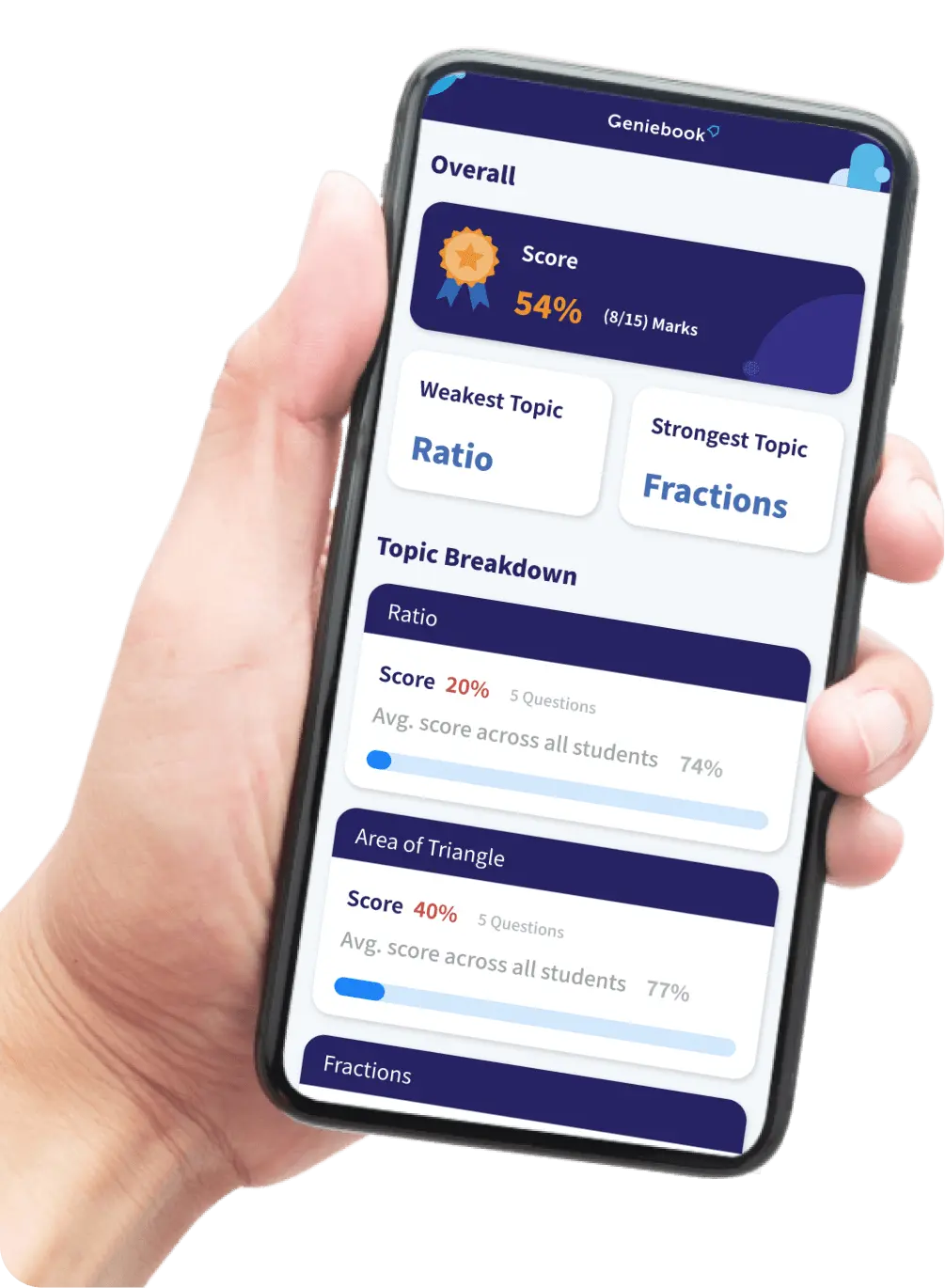
Through GenieSmart, our AI-personalised worksheets recommend targeted practice questions strictly aligned with the MOE syllabus, with difficulty levels that constantly adjust to your child's mastery of each topic. With over 300,000 questions in our database, our proprietary AI algorithm leverages over 1,000,000 data points to identify strengths and learning gaps. On GenieClass, experienced educators lead weekly live online classes, explaining complex English grammar, synthesis rules and comprehension strategies using storytelling, live polls and interactive visual aids.
If your child has doubts or needs help with homework, they can clarify concepts instantly through our real-time teacher chat on GenieAsk, which offers continuous support seven days a week. Additionally, our unique rewards system motivates students to learn independently. As your child completes worksheets and participates in classes, they earn Bubbles that can be redeemed for over 5,000 exciting, kid-safe items from our Bubble Store, turning daily practice into a rewarding habit. With half of our students successfully achieving AL 1 to AL 3 in PSLE and jumping two grades on average, we believe our personalised pedagogy is highly effective in building academic confidence. Have you planned how to help your child stay focused and on track for their upcoming examinations?
Frequently Asked Questions
Why is the PSLE English Listening paper so difficult for my child?
The PSLE English Listening paper is challenging because it tests mental stamina and adaptability to various unfamiliar speaker accents, speeds and pronunciations, which is different from hearing a familiar teacher's voice. Many students, even those fluent in English, struggle with the sustained concentration required for the entire duration of the paper and often miss the main idea by focusing too much on minor details. The Singapore Examinations and Assessment Board (SEAB) intentionally includes this variety to test a student's comprehension skills under pressure.
What is a good English Listening study plan to prepare for PSLE Paper 3?
A good English Listening study plan for PSLE Paper 3 involves consistent, daily practice of 20 to 30 minutes, which is more effective than infrequent long sessions. The recommended 6-week plan begins with building familiarity with diverse audio sources, then moves to active listening techniques like keyword noting, and finally progresses to full exam simulations under timed conditions to build mental stamina and confidence.
How can my child practise active listening for the exam?
Your child can practise active listening by using the 5W1H (Who, What, Where, When, Why and How) framework to capture key information from audio passages. Before listening, they should read the questions to know what to listen for. During the audio, they should jot down quick keywords instead of full sentences. This systematic approach helps them focus on the main points and avoid getting lost in minor details, which is a crucial skill for the PSLE English Listening paper.
Is primary English tuition necessary to score well in the PSLE English Listening exam?
While primary English tuition is not strictly necessary, it offers valuable specialised guidance that complements a consistent home study plan for the PSLE English Listening exam. The foundation of improvement is daily practice, but experienced tutors can provide curated materials with a wide range of accents and teach specific strategies for identifying main ideas and avoiding tricky distractors. Platforms like Geniebook can provide this structured support to help students build confidence and refine their exam techniques.
What kind of audio materials should my child use for daily practice?
For daily listening practice, your child should use a variety of English audio materials such as news reports, children's audio stories and educational podcasts. In the initial weeks of an English Listening study plan, this exposure helps train the ear and build stamina with different voices and speaking styles. As the examination approaches, practice should shift to using full, past-year PSLE Paper 3 scripts or high-quality mock papers to simulate exam conditions accurately.