Screen-Free vs EdTech Student Care: Which Suits Your Child?
Choosing After-School Care: A Modern Parent's Dilemma
The choice of after-school care for your primary school child is no longer simple. The debate pits traditional, screen-free environments against modern programmes that integrate digital tools. The best choice depends less on the presence of screens and more on their purpose. In the landscape of student care in Singapore, a third option is emerging: a blended model that combines guided digital learning with essential human supervision, aiming to make every afternoon academically productive.
For many working parents, the goal is to find a place that does more than just supervise. They want homework completed correctly, academic gaps addressed and their evenings free from chasing down corrections. This is where understanding the different approaches to after-school care becomes crucial.
Why The Screen-Time Debate Matters For After-School Programmes
Concerns about screen time are valid. Proponents of screen-free childhoods worry about shortening attention spans and a decline in social interaction. Research has shown that many popular 'educational' apps prioritise game-like rewards over genuine learning, leading to passive consumption rather than active thinking. The fear is that a child spends their afternoon swiping and tapping without retaining much.
However, dismissing all technology is a missed opportunity. Thoughtfully designed EdTech can create AI-personalised learning paths, offer instant feedback and provide access to resources far beyond a worksheet. For some students, especially those who are neurodivergent, technology is a vital accessibility tool. The risk isn't technology itself but poorly designed applications that create what some experts call a 'torment nexus': repetitive, unengaging digital drills that offer little real educational value.
The Real Question: What Kind Of Screen Time Is It?
The conversation should shift from 'how much screen time' to 'what is the quality of the screen time'. Not all screen-based activities are equal. Distinguishing between passive consumption and active, guided learning is key.
| Passive Screen Consumption | Guided Digital Learning |
|---|---|
| Watching non-educational videos | Participating in live, MOE-aligned online lessons (e.g., GenieClass) |
| Playing game-based apps with few learning goals | Using AI-adaptive tools to practise specific weak topics (e.g., GenieSmart) |
| Mindless scrolling or browsing | Receiving targeted feedback and tracking error patterns |
| Outcome: Entertainment, distraction, often with low knowledge retention. | Outcome: Measurable academic improvement, mastery of concepts. |
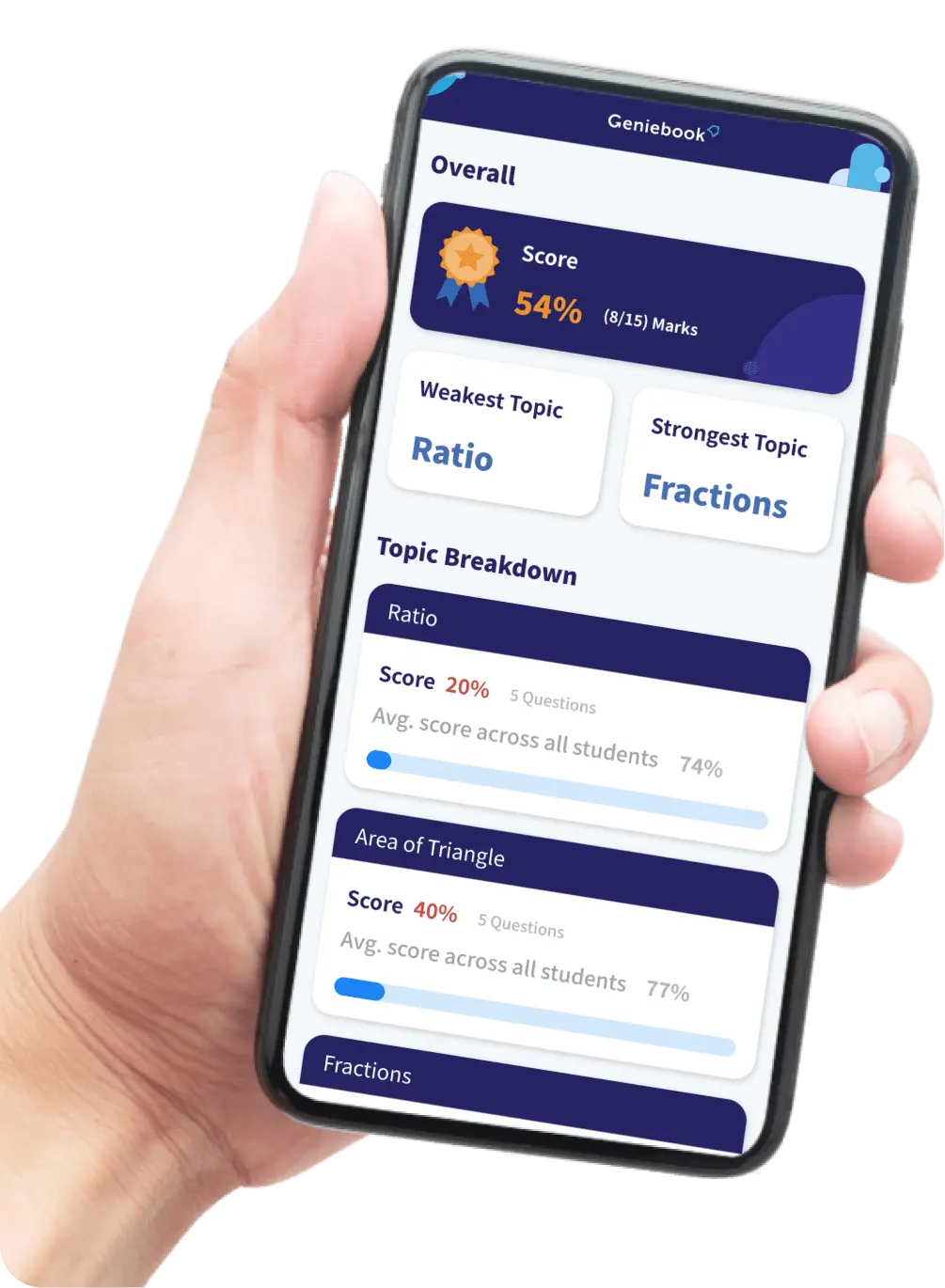
Guided digital tools are used for a specific purpose. They are designed to identify and fix a child's knowledge gaps efficiently, turning what could be passive time into focused, productive practice.
Which Student Care Centres Provide Homework Supervision And Academic Support?
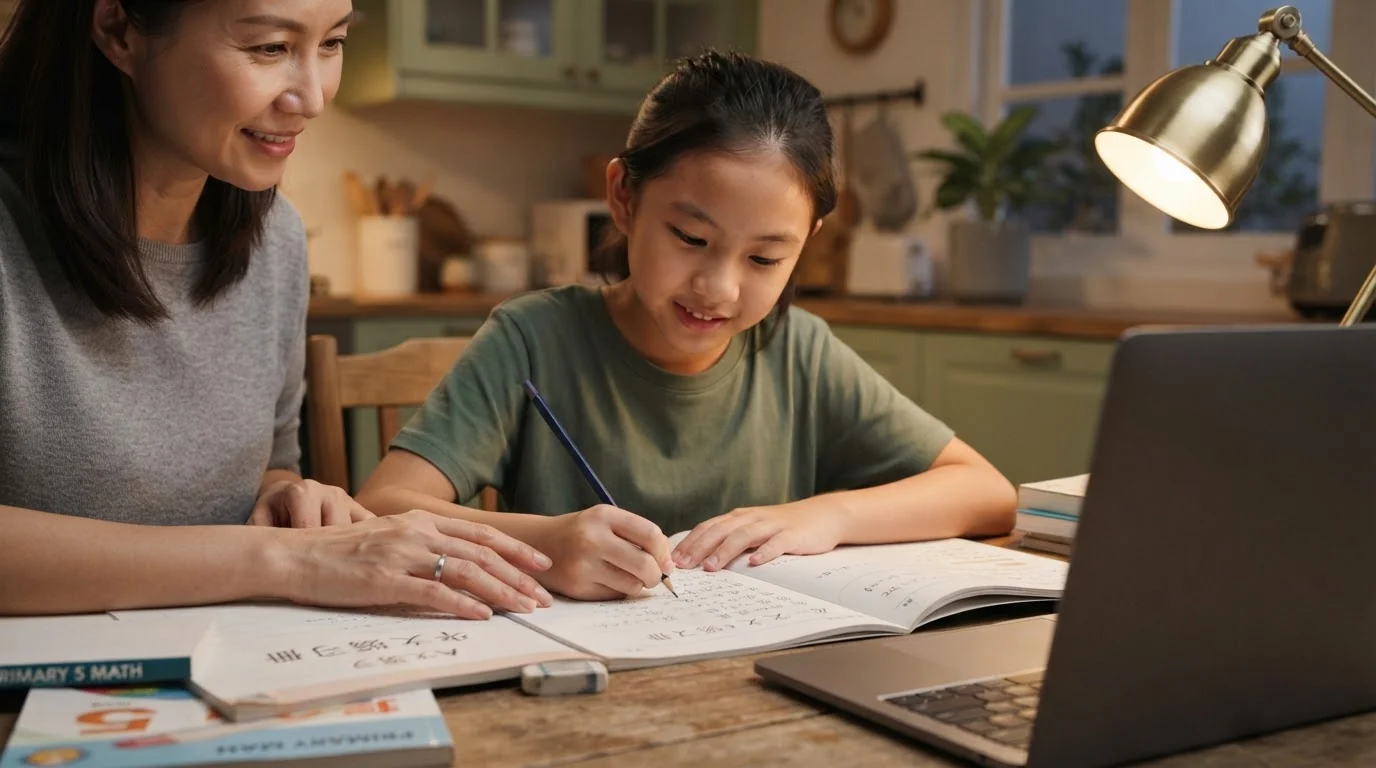
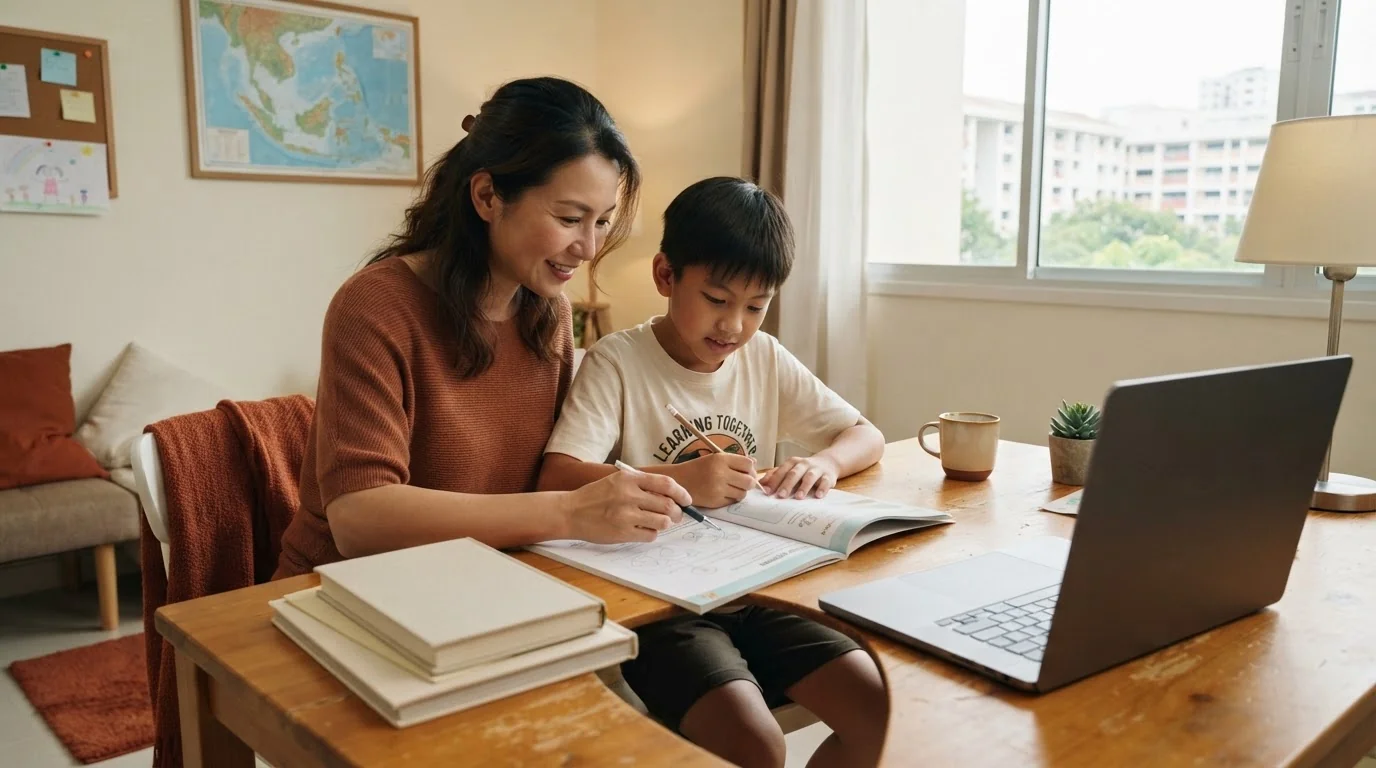
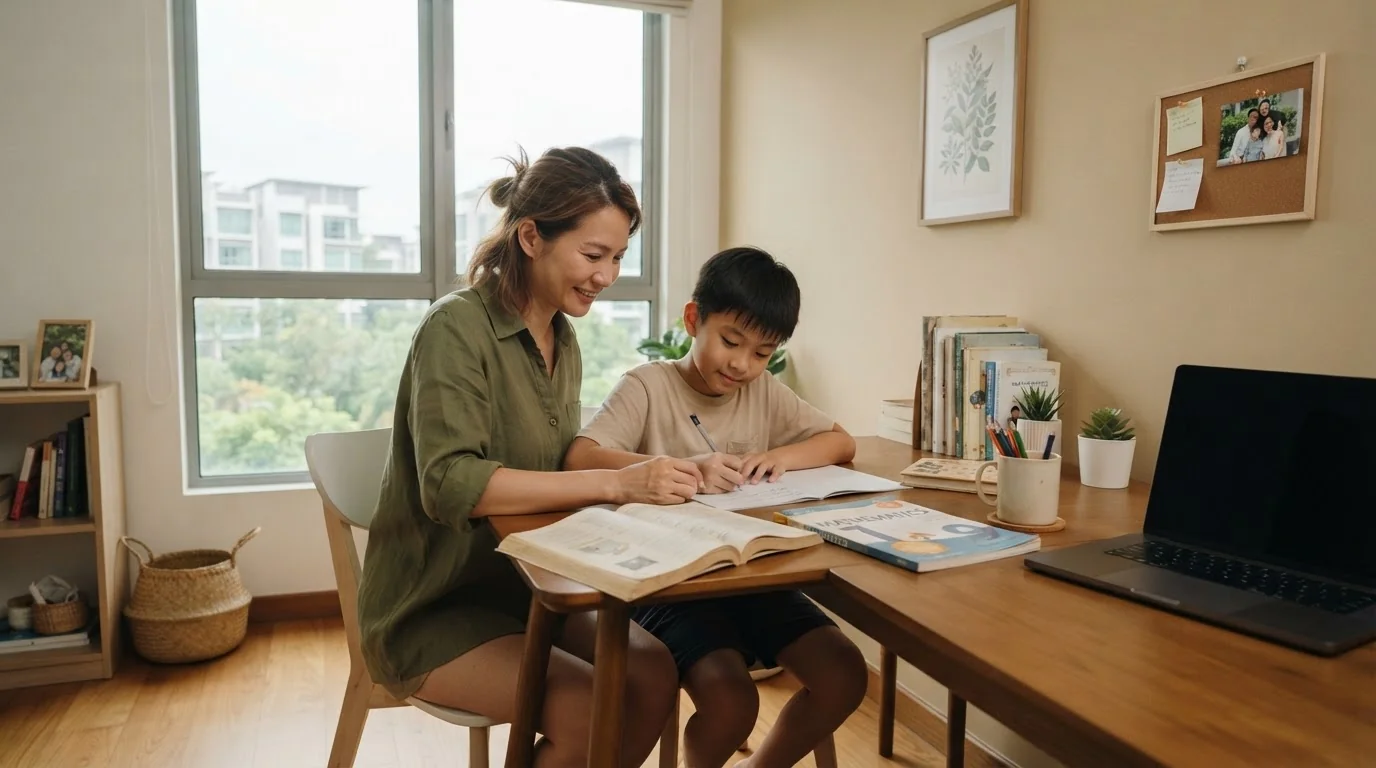
Several after-school programmes in Singapore offer more than just a place to wait for parents. GenieHouse provides a blended academic programme where homework is checked daily for understanding, followed by personalised digital practice on its AI platform to address weaknesses across all four MOE subjects. It’s best for parents seeking an all-in-one solution that integrates supervision, homework support and tuition-level reinforcement.
For other needs, alternatives like community-based providers offer daily homework supervision and subject revision within a community-focused environment. Meanwhile, other established tuition centres integrate tuition and enrichment taught by subject specialists, making them a strong choice for parents who want a distinct academic tuition component built into the after-school hours.
A Practical Checklist For Choosing The Right After-School Programme
When you tour a potential student care centre, go beyond asking about fees. Use this checklist to dig deeper:
- Academic approach: Do you just supervise homework completion, or do you check for academic understanding? What happens when a child gets a concept wrong? Is there follow-up practice?
- Technology use: If screens are used, are they for passive games or guided learning? Can parents see a report of what their child practised and how they improved?
- Cost structure: What is the flat monthly fee? Does it include all four subjects? What about MOE school holidays? Many centres charge \$400 to \$700 for supervision alone, requiring separate tuition fees of \$150 to \$300 per subject. Compare this to all-inclusive models.
- Holiday coverage: Are you open during all MOE school holidays? Is morning care available, and what is the additional cost? For working parents, this is a non-negotiable detail.
- Parent communication: How and how often will I receive updates on my child's progress? Look for centres that provide structured feedback, like monthly progress reports.
The 'Third Option': How A Blended Model Works In Practice
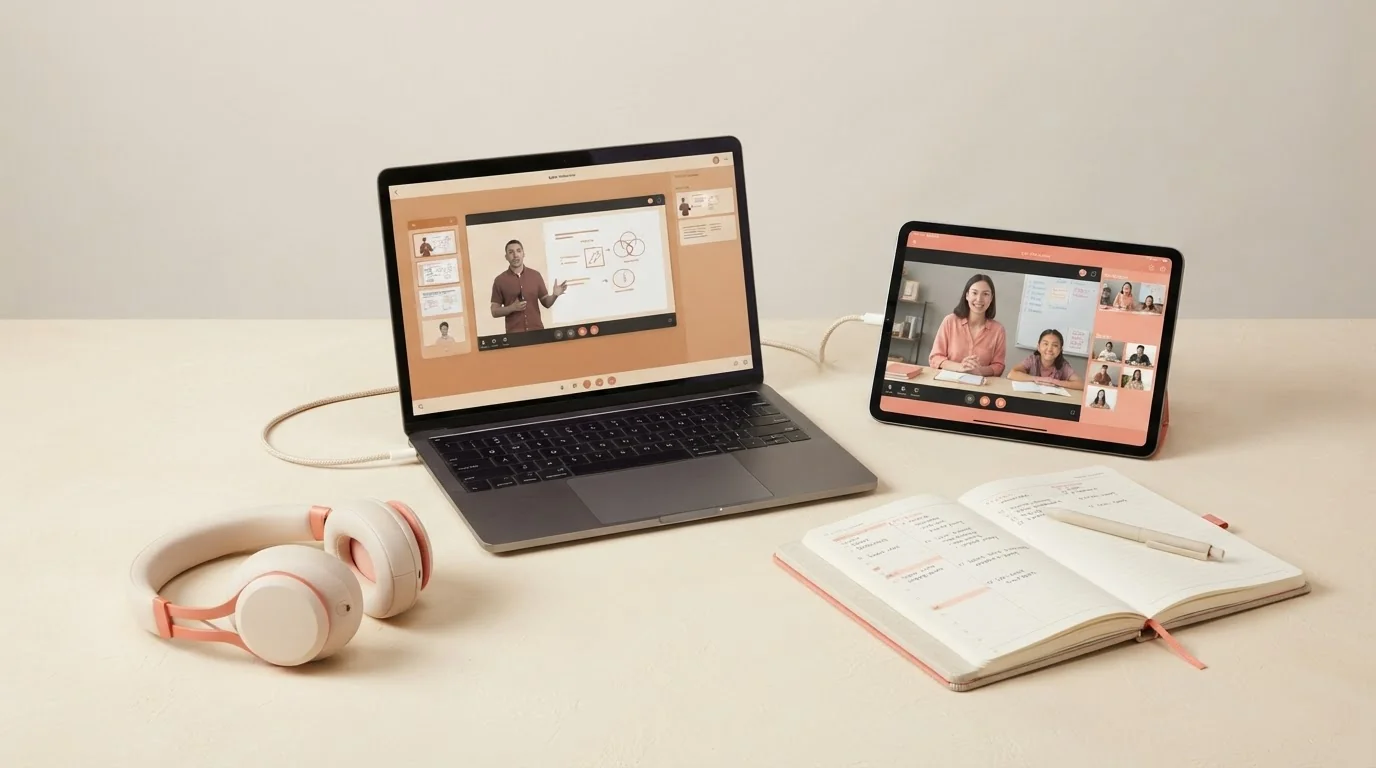
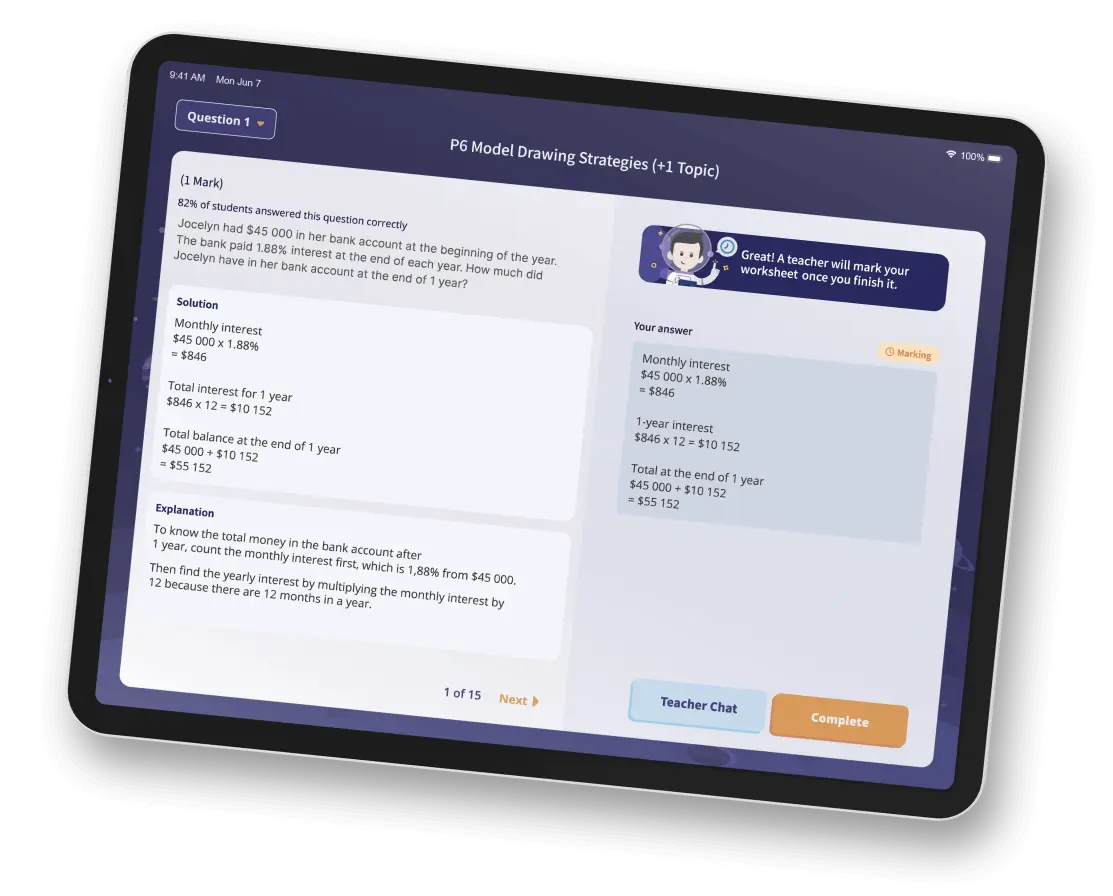
A blended model like GenieHouse offers a structured solution to the screen-time dilemma. It treats technology as a tool, not a time-filler. The afternoon is organised into distinct learning hubs. A child first completes their school homework in the Homework & Correction Hub, where teachers check for conceptual understanding, not just that the work is done. Then, they move to the Smart Learning Hub, where they use an AI-powered tool like GenieSmart to work on personalised worksheets that target their specific error patterns. The day is balanced with time for reading and other enrichment activities.
This integrated approach directly addresses the financial and logistical juggle many parents face. A single transparent fee (around \$600 to \$780 per month) covers care for five afternoons a week, support for all four core subjects and full-day coverage during MOE school holidays. By combining these elements, a high-quality student care in Singapore programme can help your child actually improve, giving you your evenings back. With multiple locations across the island, including centres in Junction 8, Parkway Parade and Sembawang Shopping Centre and new ones opening soon, this model is becoming an accessible option for many families.
Related articles and locations:
- Student Care Fees Singapore 2026 SCFA Guide
- GenieHouse Bishan
- GenieHouse Ang Mo Kio
- GenieHouse Bukit Timah
- GenieHouse Sembawang
- GenieHouse Marine Parade
- GenieHouse Novena
- GenieHouse Tampines
Looking for an entirely different student care experience? Our latest launch, GenieHouse, is a student care service focused on AI-personalised learning for academic success. Contact us to book a site visit.
Frequently Asked Questions
What Is The Difference Between Screen-Free And EdTech After-School Programmes?
The primary difference lies in whether technology is used for passive entertainment or guided, active learning. While traditional screen-free environments focus on physical and analogue activities, modern EdTech programmes use digital tools to reinforce academic concepts. Quality after-school care should prioritise guided digital learning, such as live lessons or adaptive practice, over mindless consumption because this approach leads to measurable academic improvement and better mastery of MOE-aligned subjects.
How Can Parents Distinguish Between Good And Bad Screen Time In After-School Care?
Good screen time involves active, guided digital learning that identifies and addresses specific knowledge gaps, whereas bad screen time consists of passive consumption like non-educational videos or repetitive, unengaging digital drills. To ensure your child benefits, look for centres where digital tools provide targeted feedback and track error patterns rather than simply serving as a distraction during the afternoon.
What Features Should I Look For When Choosing A Primary School Student Care Centre?
When choosing a primary school student care centre, you should assess the academic approach, the nature of technology usage and the clarity of the cost structure. Ensure the centre offers more than just supervision by asking if they check for conceptual understanding during homework hours. A high-quality academic student care provider will also offer transparent fees that include support for all four core subjects and full-day care during MOE school holidays.
How Does A Blended After-School Programme Provide Better Homework Support Than Traditional Supervision?
A blended after-school programme provides superior homework support by combining daily supervision, homework support and targeted academic reinforcement to ensure students truly understand their work. Instead of just ensuring a task is completed, teachers in these environments check for conceptual errors and often use intelligent tools to offer follow-up practice on weak topics. This model is often considered the best student care centre approach for parents who want to reduce the need for extra tuition outside of school hours.
Do Most After-School Programme Singapore Centres Provide Coverage During MOE School Holidays?
Yes, many comprehensive after-school programmes in Singapore provide full-day coverage during all MOE school holidays to assist working parents. When touring a centre, it is essential to confirm whether morning care is available during these periods and if there are additional costs involved. This is a critical factor for families who need consistent, reliable arrangements throughout the entire calendar year.