Virtual vs Physical Classes: A 5-Day Parent Checklist
Which Learning Environment Is Right for Your Child?
Deciding between a physical tuition centre and home-based learning can feel like a major crossroad for parents. The truth is, there is no single right answer. The best environment depends entirely on your child's unique learning style, energy levels and personality. As parents consider options from traditional centres to online tuition, a structured approach can replace guesswork with clarity. This practical 5-day checklist is designed to help you gather real data on your child's study habits, providing a solid foundation for choosing the most effective path forward and exploring the potential of personalised learning.
How to Track Your Child's Study Patterns
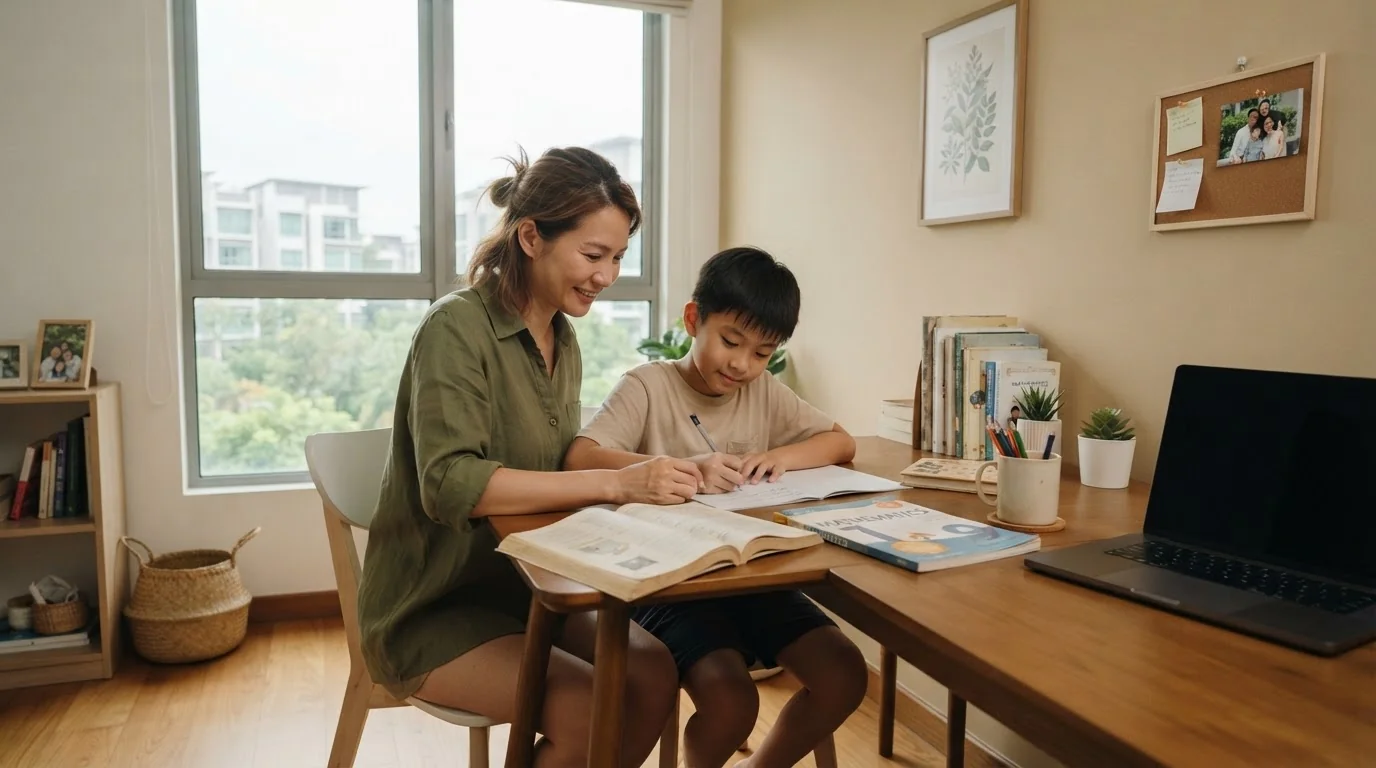
Before making a decision, take one school week, just five days, to be a neutral observer. The goal isn't to judge or correct but to simply collect information on how your child operates in their current routine. This baseline will be invaluable whether they are currently attending a physical centre or doing all their revision at home.
The 5-Day Observation Checklist for P4-P6 Students
Use a simple notebook or a digital document to track these three key metrics every day from Monday to Friday.
- Energy Levels: Observe their mood and energy after school and after any enrichment classes. Are they drained and fatigued from the commute, or energised by interacting with friends?
- Focus During Homework: Note their ability to concentrate. How long can they work before getting distracted? Is the quiet of home better for them, or does the structured environment of a centre keep them on task?
- Homework Completion: Assess their efficiency and accuracy. Do they rush through work at a centre to keep up with peers, or do they take their time and produce more accurate results at home?
Making Sense of Your Observations
After five days, patterns will likely emerge. These observations can point you towards the environment where your child is most likely to thrive.
Signs a physical centre may be a better fit:
- Your child seems lonely or unmotivated when studying alone.
- They are energised by social interaction and peer discussions.
- The structure and routine of a classroom setting help them focus better than the distractions at home.
Signs a home-based approach could be superior:
- They are consistently exhausted after school and the commute to a tuition centre worsens their fatigue.
- They get distracted by social dynamics or feel pressured by peers in a classroom.
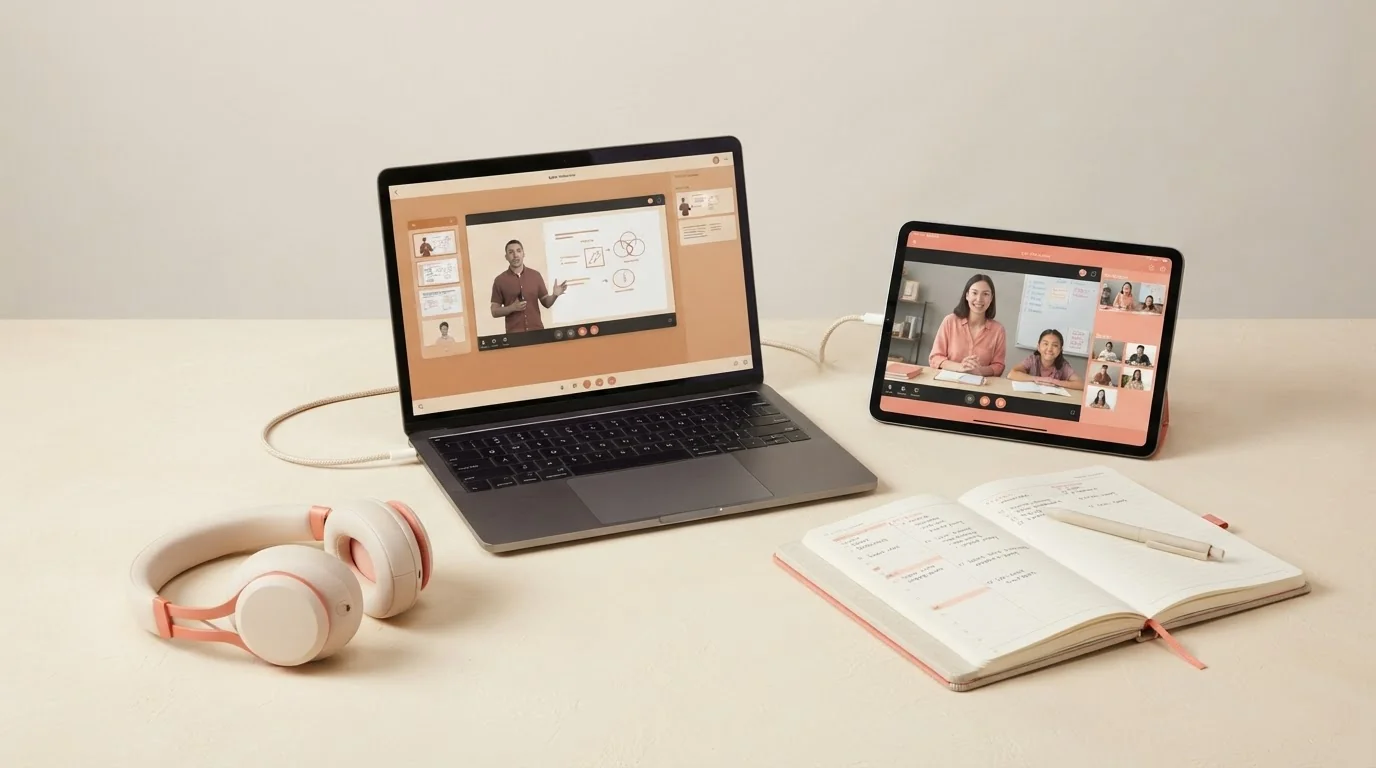
- They work more efficiently and accurately in a quiet, self-paced environment, which is a key advantage of sessions with a good live tutor online.
What Are the Real Trade-Offs Between Learning Formats?
Both virtual and physical classes offer distinct advantages and disadvantages. The post-pandemic era has shown that both can be effective but for different reasons and for different children.
Virtual learning (e-tutoring)
- Pros: Unmatched convenience with no travel time. As noted by The Straits Times in 2022, students appreciate the flexibility to re-watch lessons to master concepts. It opens up access to some of the best online tuition programmes, regardless of your proximity to a centre.
- Cons: Requires strong self-discipline. Younger students may need significant parental support. A stable internet connection and a conducive study space at home are non-negotiable.
Physical tuition centres
- Pros: Direct, in-person interaction with teachers and peers. The structured environment eliminates home distractions and fosters collaborative learning.
- Cons: Commute time can reduce hours available for rest and revision. The class pace is fixed and may not suit every learner. Negative peer pressure can sometimes hinder progress.
Is Singapore's Education System Leaning More Towards Digital?
The shift towards digital learning is not just a trend. It is being woven into the national curriculum. MOE's widespread use of the Singapore Student Learning Space (SLS) has made students across primary and secondary levels familiar with digital platforms.
Interest in tutoring services online remains high, as parents value the convenience and effectiveness they witnessed during the pandemic. Looking ahead, the landscape is set to evolve even further. As Channel NewsAsia reported in 2023, the rise of AI tutors is a significant development, promising to offer students highly personalised, on-demand academic support that could reshape Singapore's entire tuition industry.
What Does This Mean for the PSLE 2027 Cycle?
As you plan for the crucial examination years ahead, the choice is no longer a simple binary between physical and virtual. A hybrid approach is often the most practical solution. Your child’s daily schooling provides the physical, collaborative foundation, while supplementary online student tutoringcan offer targeted, flexible support right at home.
Use the 5-day checklist to understand your child's needs deeply. Audit your home's technological readiness. The ultimate goal isn't to find a single perfect method but to build a supportive ecosystem that fits your child. The growth of effective online tuition simply provides more powerful and flexible tools to help you achieve that perfect fit.
Frequently Asked Questions
How Can I Decide if Virtual vs Physical Classes Are Better for My Child?
You can decide by using a 5-day parent checklist to observe your child's energy levels, homework focus and completion efficiency in their current environment. If they are easily distracted at home or thrive on social interaction, a physical tuition centre may be better. If they are drained by commuting or work best in a quiet, self-paced space, online learning is often the superior choice.
Is Singapore Tuition Moving More Towards Digital Platforms?
Yes, the education landscape in Singapore is shifting towards digital tools, with the Ministry of Education incorporating platforms like the Singapore Student Learning Space into the national curriculum. As technology continues to evolve, parents are increasingly adopting online learning Singapore solutions alongside traditional methods to provide a more tailored and flexible academic support system for their children.
How Does Geniebook Fit Into a Student's Study Plan?
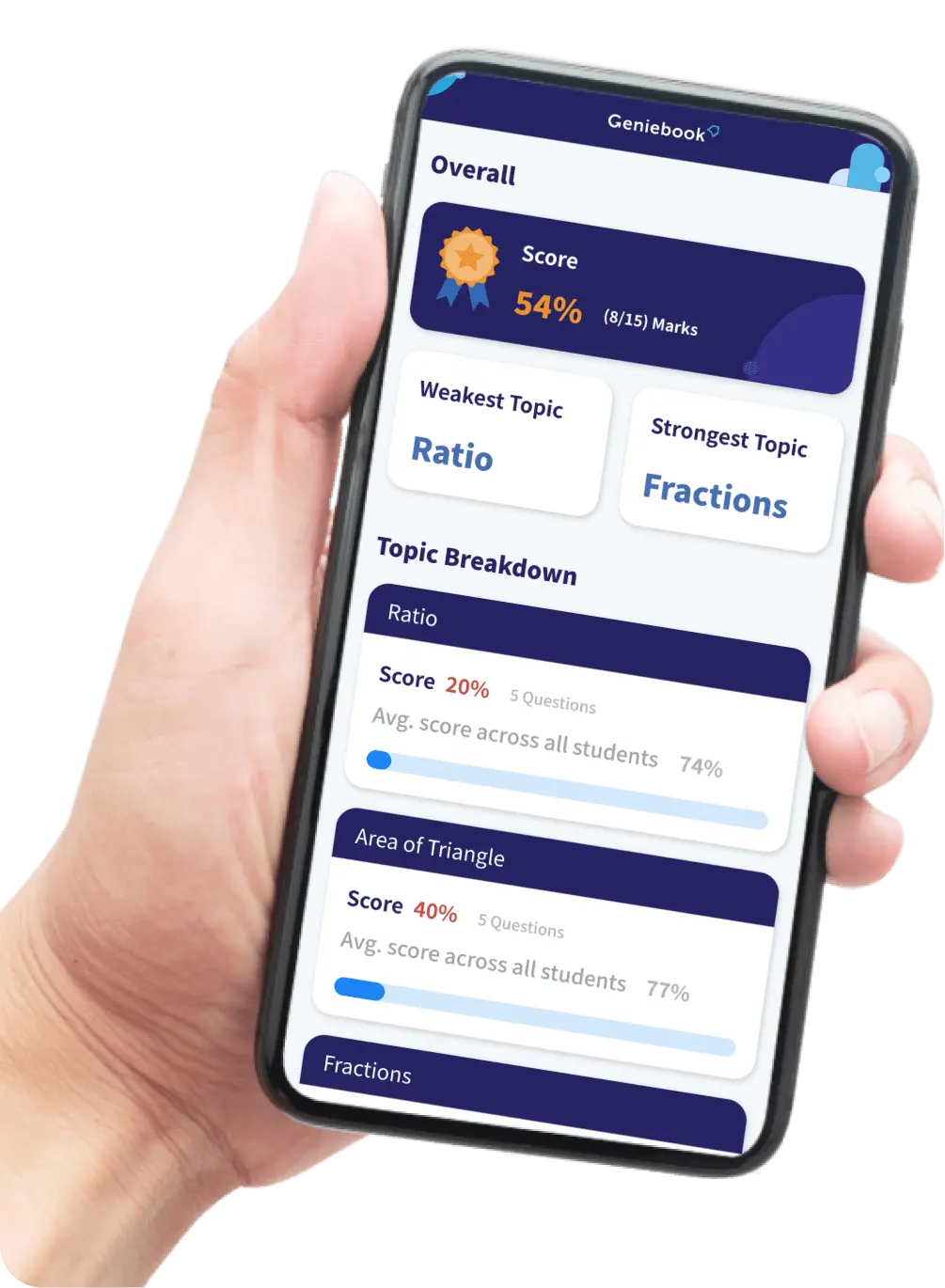
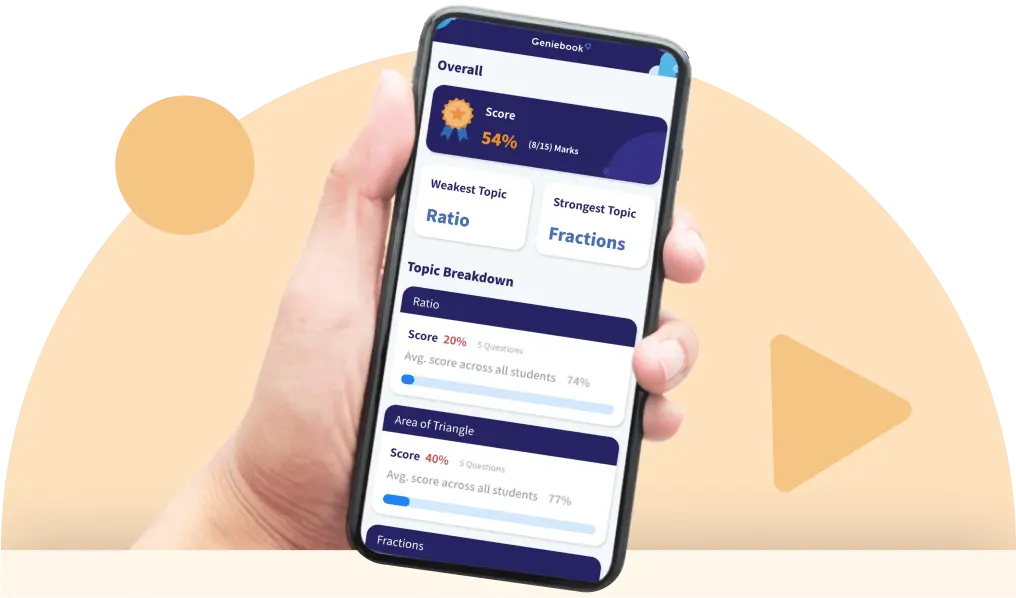
Geniebook can serve as a powerful component of a hybrid learning strategy, offering targeted and flexible support that complements the foundation provided by your child's daily schooling. By integrating digital tools for specific subject support, parents can build a balanced ecosystem that combines the structure of the school day with the convenience and efficiency of high-quality digital resources.
Should I Use a Parent Checklist to Evaluate My Child's Learning Needs?
Using a 5-day parent checklist is a highly effective way to gather objective data on your child's study habits before making a commitment to a specific tuition format. By tracking simple metrics like their mood after school and their ability to stay focused during revision, you can identify whether they require the rigid structure of a physical class or the self-directed environment of virtual lessons.