Chinese Listening Exam: Audio Flow Explained
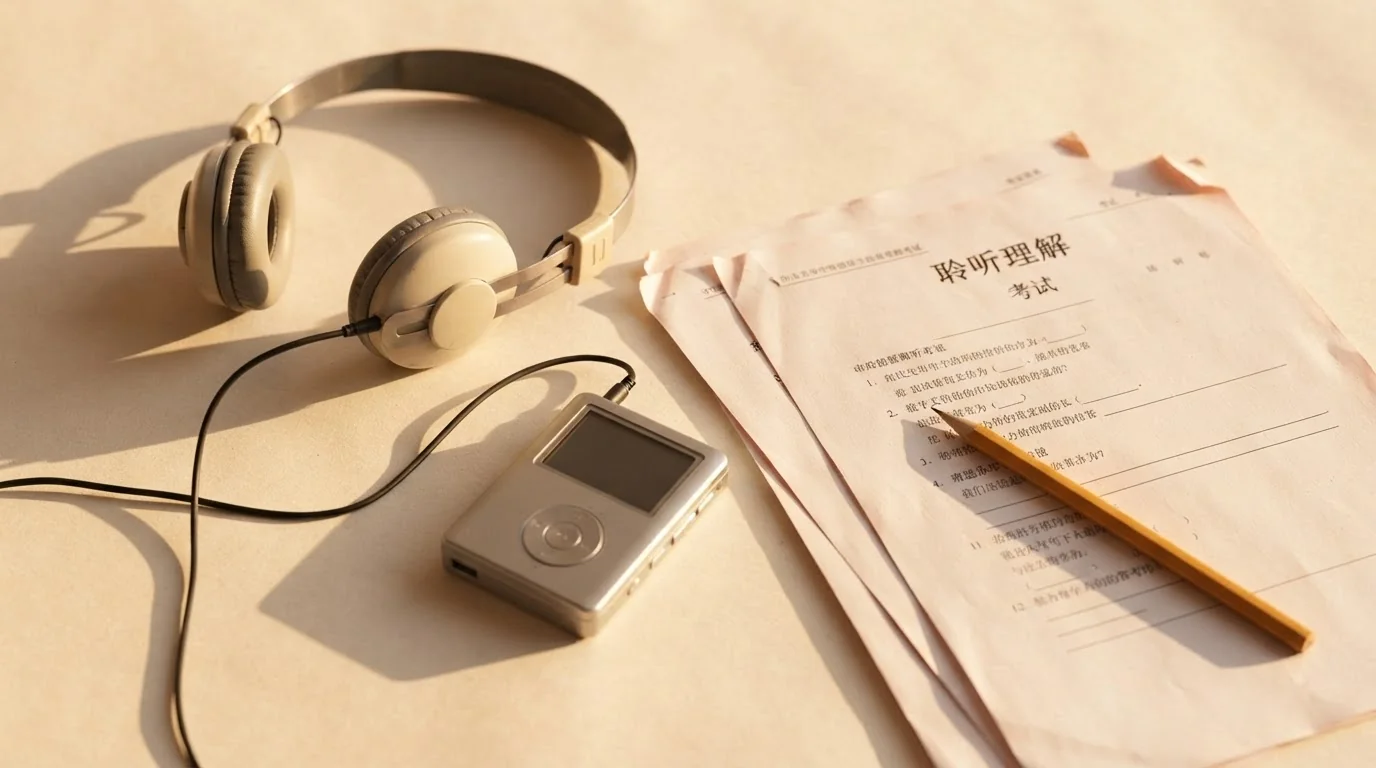
What Is the Exact Audio Sequence During the Exam?
The structure of the listening comprehension component for both PSLE (Paper 3) and "O"/"N" Levels is highly standardised by SEAB. This predictability is your child’s advantage. Here is what happens from the moment the exam begins:
-
Initial Chime and Announcement: The exam starts with a clear chime, followed by instructions. This signals students to get ready.
-
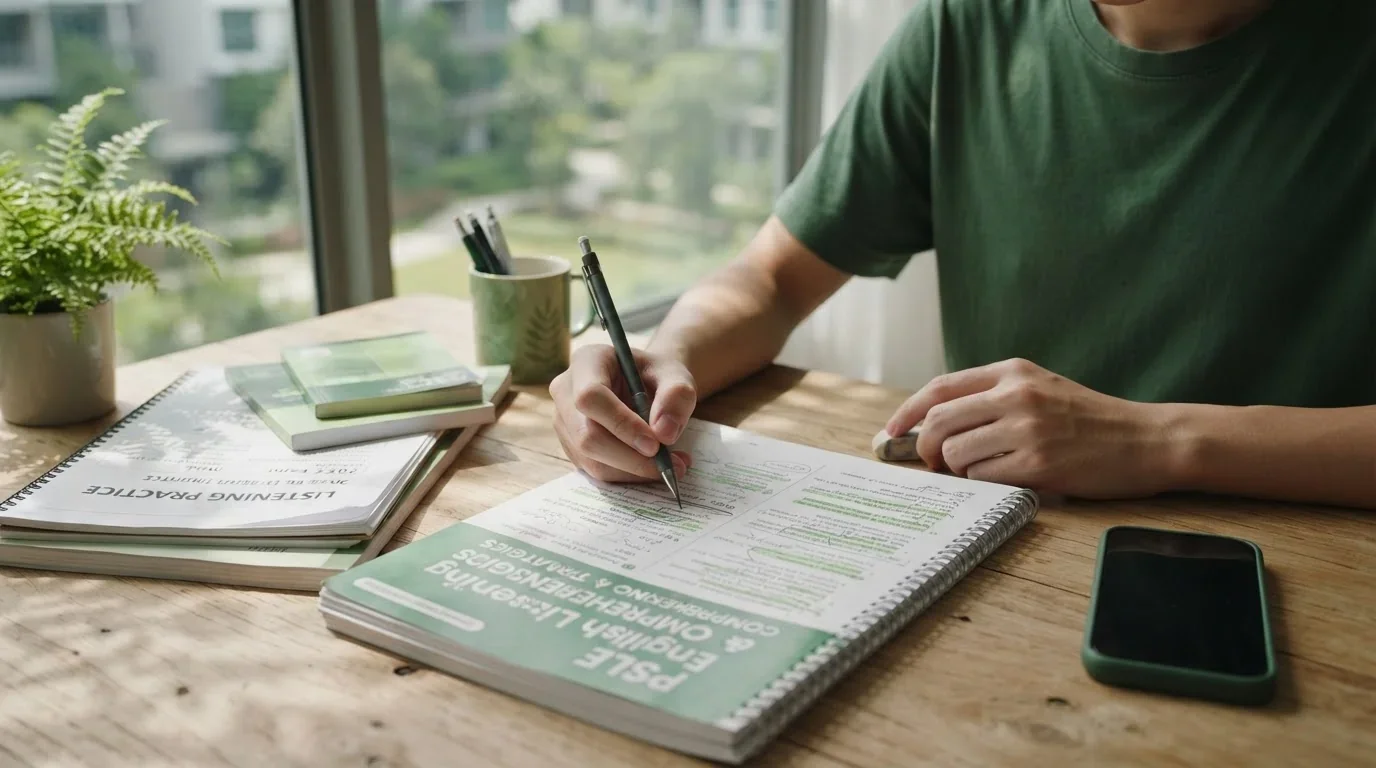
The Preview Window: Before any passage is played, your child gets a crucial window of time to read all the questions and multiple-choice options for a given section. This is not passive waiting time. It is active preparation time.
-
First Broadcast: The audio recording of the passage (a dialogue, monologue or announcement) is played for the first time. The goal here is to grasp the main idea and attempt to answer as many questions as possible.
-
Short Interval: A brief pause follows, allowing students to finalise their initial answers.
-
Second Broadcast: The same recording is played again. This is the critical verification step. Your child should use this time to confirm their initial answers and focus on questions they were unsure about.
-
Final Interval: Another pause is given to bubble in the final answers on the Optical Answer Sheet (OAS) before the next passage begins with a new chime. This entire cycle repeats for each of the approximately six to seven passages. The whole paper takes about 30 minutes.
How Much Is Listening Comprehension Worth?
For many parents, the numbers matter. The Listening Comprehension (听力理解) component is a significant part of the overall grade.
-
PSLE Chinese: It is worth 20 marks, making up 10% of the total score of 200. It's part of Paper 3, which also includes the Oral component.
-
"O"/"N" Level Chinese: The weightage is similar, at 20 marks, making it a component where securing marks is essential for a good overall grade. Losing focus here can have a noticeable impact, especially in the tight competition for AL bands.
The Critical First Minutes: Mastering the Preview Window
The silent time before the audio starts is perhaps the most important part of the exam. Here’s how your child can use it effectively:
-
Annotate Keywords: Underline key details in the questions and options: names, places, times, numbers and verbs. What specific information is being asked for?
-
Predict the Context: The questions themselves provide clues about the topic. Is it about booking tickets, a school event or a family disagreement? Predicting the context primes the brain for what to listen for.
-
Identify 'Turning Words': Teach your child to look for words in the options like 但是 (but), 其实 (actually) or 不过 (however). These often signal a twist in the dialogue where the key information lies.
The Two-Broadcast Strategy: Listen, Verify, Confirm
Your child should approach the two broadcasts with a different mindset for each.
-
First Listening: Focus on the big picture. What is the context? Who are the speakers? What is the main point or conflict? Encourage your child to lightly pencil in their initial choice. They should not panic if they miss a detail.
-
Second Listening: This is a targeted mission. Your child should focus specifically on the questions they found tricky. They are listening to confirm details, catch nuances they missed and finalise their answer with confidence. This two-step process reduces the cognitive load and prevents the panic of trying to catch everything at once.
Building Listening Stamina Beyond the Classroom
Success in the listening exam is built over time, not crammed. Consistent daily practice of 15 to 20 minutes is far more effective than a single long session once a week. In a landscape where Singaporean families spent a reported 1,800,000,000 dollars on tuition in 2023, supplementing formal lessons with effective home habits is key. This is where a structured primary Chinese tuition programme can provide materials, but daily exposure builds the instinct. Here are some resources that mirror the exam’s level of formality and pace:
-
Local News Bulletins: Mediacorp’s 8world News or Lianhe Zaobao's 早报播客 offer formal, clearly articulated Mandarin on current affairs, perfect for tuning the ear.
-
Audiobooks and Podcasts: Find age-appropriate Chinese audiobooks or educational podcasts. The goal is to achieve 70 to 80% comprehension. If it's 100%, the material is too easy.
-
Radio: Simply having a Chinese radio station playing during the morning commute builds passive familiarity with the language's natural rhythm and flow.
Should We Consider Advanced Listening Techniques?
If your child is aiming for a top AL score or finds the exam pace too fast, you can introduce some advanced techniques often used for higher-level proficiency tests. These can be integrated into a study plan with a tutor or through a dedicated online tuition platform.
-
Speed Training: Use a media player or YouTube's settings to play practice audio at 1.25x speed. After a few sessions, the normal 1.0x exam speed will feel significantly slower and clearer.
-
Shadowing: This involves repeating what a speaker says immediately after they say it. It’s challenging but directly trains the brain to process spoken Mandarin at speed, improving both listening and speaking fluency.
-
Dictation (听写): A classic method for a reason. Have your child transcribe a short audio clip. This transforms passive listening into an active analytical task, forcing them to pay attention to every single word and tone. Ultimately, knowing what to expect is half the battle won. By breaking down the audio flow and practising these targeted strategies, your child can approach the listening exam hall not with dread but with a clear plan to secure every possible mark.
Frequently Asked Questions
What is the standard Chinese listening exam format for PSLE and O-Level students?
The Chinese listening exam format is highly standardised by SEAB and consists of approximately six to seven passages, each lasting about 30 minutes in total. The audio sequence for every passage follows a strict pattern: an initial chime, a preview window to read questions, a first broadcast of the audio, a short interval, a second broadcast of the same audio and a final interval to bubble in answers on the Optical Answer Sheet.
How can my child improve their performance in the PSLE Chinese listening comprehension?
To improve performance in PSLE Chinese listening comprehension, your child should master the preview window by underlining keywords and predicting the context before the audio begins. Consistent practice is vital, and supplementing school work with external Chinese tuition or regular daily exposure to media like news bulletins and podcasts can build the necessary listening stamina to excel.
What are some effective PSLE Chinese exam tips for the listening component?
Key PSLE Chinese exam tips for the listening section include using the first broadcast to grasp the big picture and the second broadcast to confirm details and catch missed nuances. During the silence before the audio plays, students should actively annotate keywords like names and numbers and look for turning words such as 'but' or 'however' to identify shifts in the dialogue.
Is the O-Level Chinese listening exam structured differently from the PSLE?
The structure of the O-Level Chinese listening exam is very similar to the PSLE, as both follow the standardised SEAB protocol of a two-broadcast system with specific intervals for reading questions and marking answers. Both exams require students to be mentally prepared for the audio flow, as losing focus during any of the 10 passages can significantly impact the final 20-mark score.
How does the Chinese listening exam audio flow work during the actual test?
The Chinese listening exam audio flow is predictable, starting with an announcement and chime followed by a reading window, then two rounds of audio playing with short pauses in between for answering questions. Students should treat the first broadcast as a time to identify the main theme and the second broadcast as a critical verification step to finalise their choices on the Optical Answer Sheet.