12 Quick Home Science Experiments: A Parent's Guide to Sparking Curiosity
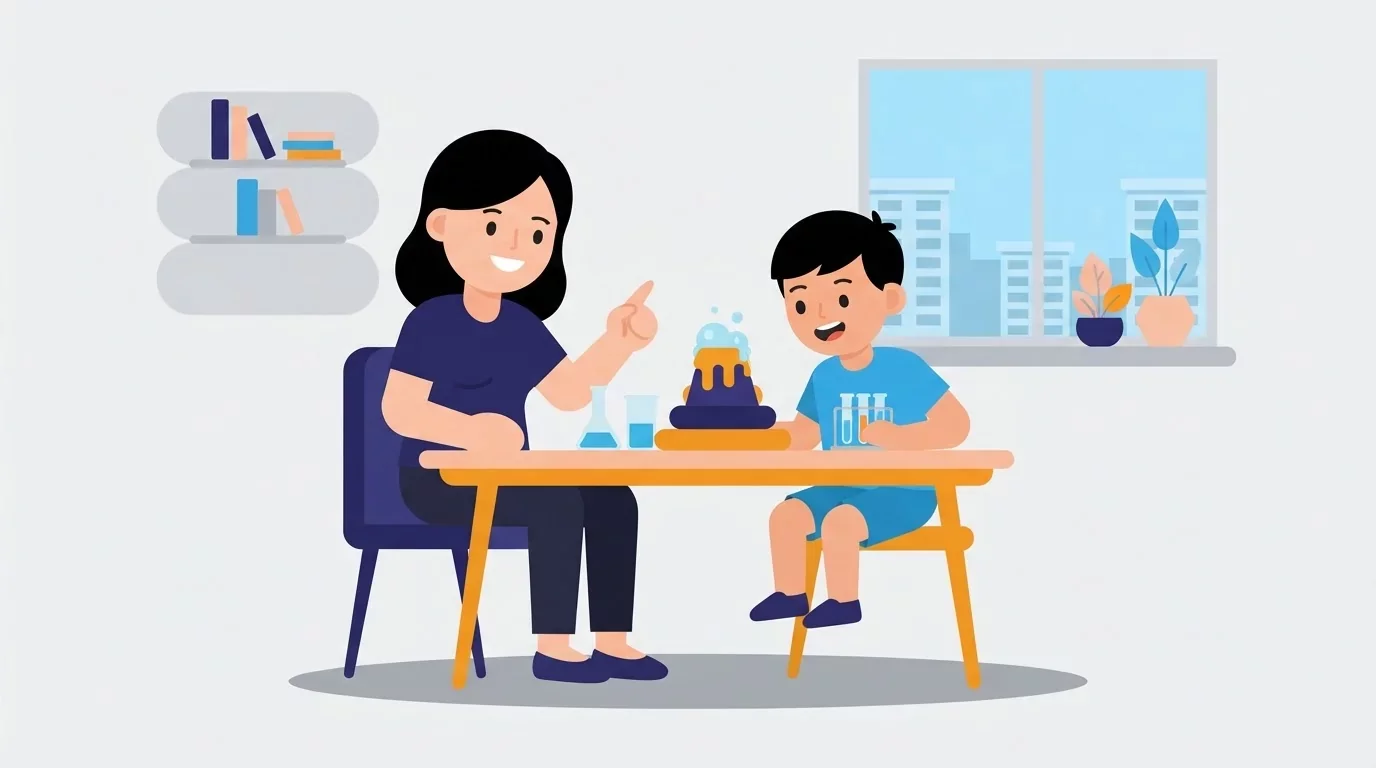
How to Spark Scientific Curiosity in Just 15 Minutes a Week
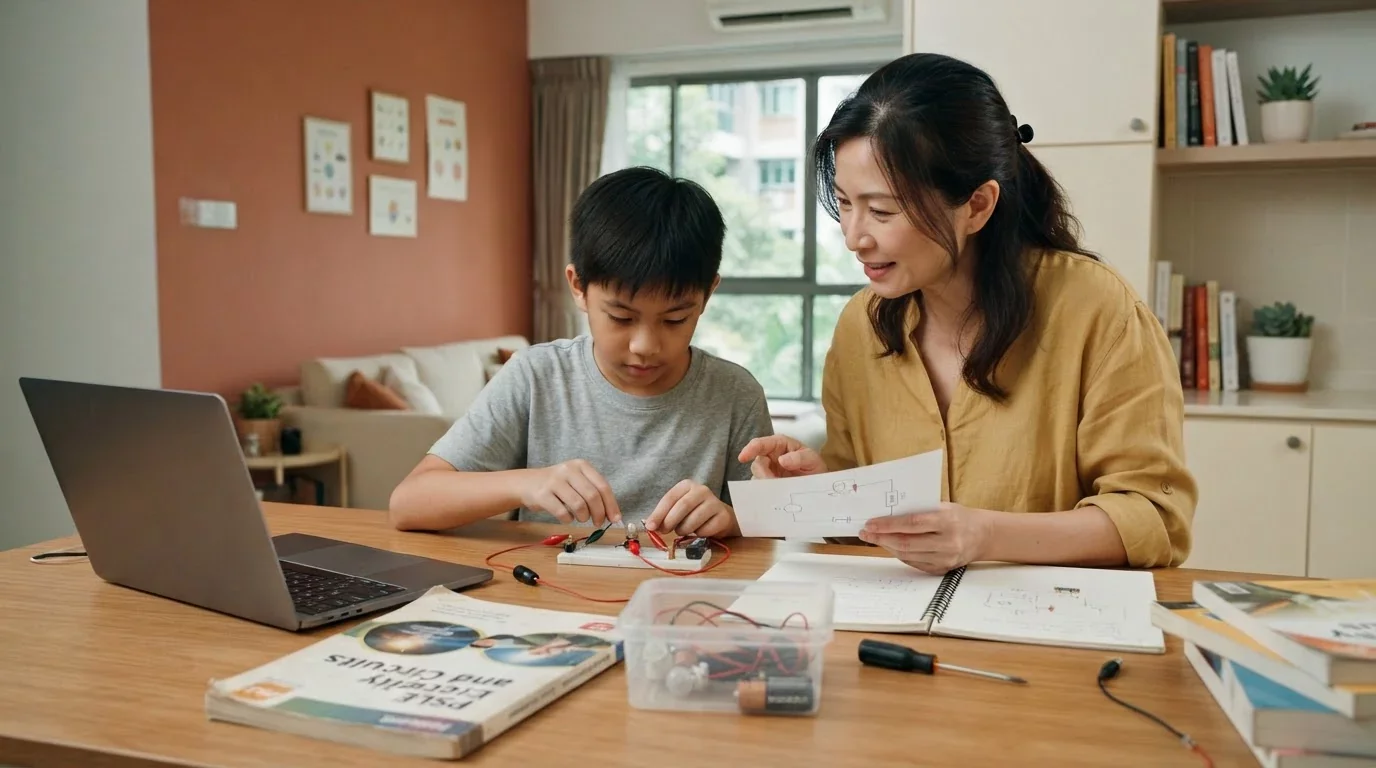
You can transform abstract science concepts into tangible learning moments right at home with quick, simple experiments. This guide provides a 12-week plan of activities, each taking just 15 to 20 minutes and costing less than $5, designed to build the inquiry skills that form the bedrock of the MOE syllabus. While many parents consider formal Primary Science tuition, these hands-on activities offer a powerful, complementary way to foster genuine interest and reinforce classroom learning.
Why Bother When School Already Teaches Science?
In my decades as an educator, I've seen a clear pattern. Students who excel in PSLE Science don't just memorise facts. They understand the process of scientific thinking. They observe, question and analyse. MOE’s Primary Science syllabus is designed to build these inquiry skills but a busy classroom schedule can limit hands-on time. Home experiments bridge this gap perfectly.
Doing a simple activity like watching a celery stalk change colour isn't just about fun. It’s a direct, tangible lesson on how plants transport water, a key topic in Life Science. This practical experience helps anchor theoretical knowledge, making it easier for a child to recall and apply concepts in exam questions, especially in the open-ended Section B.
A Numbers-Driven Approach: Your Family's Science Tracker
To make this feel less like a random activity and more like a structured plan, I suggest a simple tracking habit. This isn’t about adding pressure. It’s about observing progress. After each experiment, take 2 minutes to log the details. This data gives you a real measure of the learning gains over time.
Your Weekly Science Experiment Tracker
- Experiment name: (e.g. Floating Egg)
- Time spent: (e.g. 18 minutes)
- Cost: (e.g. $2.50 for salt)
- Key question asked: (e.g. "Why does the egg float now?")
- Curiosity score (1-5): (Rate your child's engagement. 1 = Not interested, 5 = Highly engaged, asked many questions)
12 Weeks of Science at Home: A Step-by-Step Plan
Here are 12 experiments, organised by theme, using items you likely already have. They are perfect supplements for any child, whether they are just starting in Primary 3 or are enrolled in demanding Primary 6 Science tuition ahead of the PSLE.
Theme: Physical Science: Properties & Changes
1. The Floating Egg (Density)
- Time: 15 minutes | Cost: ~$3
- Materials: 2 raw eggs, 2 tall glasses, water, table salt.
- Steps: Fill both glasses with water. Place an egg in one. It sinks. Add 5 to 6 tablespoons of salt to the other glass, stir until dissolved and place the second egg inside. It floats.
- The Science question: "Why does adding salt make the water dense enough to support the egg?" This is a great Primary 5 topic. Good Primary Science tuition for Primary 5 will often use this example.
2. Baking Soda & Vinegar Volcano (Chemical Reactions)
- Time: 15 minutes | Cost: ~$4
- Materials: Small bottle, baking soda, vinegar, dish soap, red food colouring (optional).
- Steps: Place the bottle in a tray. Fill it halfway with vinegar, add dish soap and food colouring. Add a spoonful of baking soda and watch the eruption.
- The Science question: "What gas is being created when we mix the acid (vinegar) and the base (baking soda)?"
3. DIY Lava Lamp (Density & Polarity)
- Time: 20 minutes | Cost: ~$5
- Materials: Tall glass or bottle, water, vegetable oil, food colouring, effervescent tablet (like Vitamin C).
- Steps: Fill the glass 1/3 with water, add food colouring. Top up with vegetable oil, leaving some space. Drop in a piece of the tablet.
- The Science question: "Why don’t oil and water mix, and how does the tablet make the coloured water bubble up?"
4. Invisible Ink (Oxidation)
- Time: 20 minutes | Cost: ~$2
- Materials: Lemon juice, cotton bud, paper, a lamp or hairdryer.
- Steps: Use the cotton bud to write a message on paper with lemon juice. Let it dry completely. To reveal the message, gently warm the paper near a lightbulb or with a hairdryer (with adult help).
- The Science question: "What happens to the lemon juice when it's heated that makes it turn brown?"
Theme: Life Science: Living Things & Their Environment
1. Colour-Changing Celery (Water Transport)
- Time: 15 minutes setup + 24 hours observation | Cost: ~$3
- Materials: Celery stalk with leaves, glass, water, dark food colouring.
- Steps: Add a generous amount of food colouring to a glass of water. Place the celery stalk in the glass. Observe the leaves and stalk over the next day.
- The Science question: "How did the coloured water travel from the glass all the way to the leaves?" This directly visualises concepts taught even in Primary 4 Science tuition.
2. Mung Bean Greenhouse (Germination)
- Time: 10 minutes setup + 3 to 5 days observation | Cost: ~$2
- Materials: Mung beans, cotton wool, a clear ziplock bag, water.
- Steps: Dampen the cotton wool and place it in the bag. Add a few mung beans, seal the bag and tape it to a window.
- The Science question: "What conditions does a seed need to start growing (germinate)?"
3. Homemade Rain Cloud (Water Cycle)
- Time: 15 minutes | Cost: ~$2
- Materials: A clear jar, hot water, a plate, ice cubes.
- Steps: Pour about 2 inches of hot water into the jar. Place the plate on top. Wait a minute, then put ice cubes on the plate. Watch condensation form inside and "rain" down.
- The Science question: "How does warm, moist air (evaporation) turn into clouds (condensation) and then rain (precipitation)?"
Theme: Physical Science: Energy & Forces
1. Static Electricity Butterflies (Static Charge)
- Time: 15 minutes | Cost: ~$1
- Materials: Tissue paper, balloon, scissors, your hair.
- Steps: Cut out a small butterfly shape from tissue paper. Inflate the balloon and rub it vigorously on your hair for 10 to 15 seconds. Slowly bring the balloon near the tissue butterfly and watch it flutter and rise.
- The Science question: "Why does the light paper get attracted to the balloon after you rub it?"
2. Balloon Rocket (Forces)
- Time: 20 minutes | Cost: ~$2
- Materials: Balloon, string, straw, tape.
- Steps: Thread the string through the straw. Tie the string across a room. Inflate the balloon (don't tie it) and tape it to the straw. Release the balloon and watch it shoot across the string.
- The Science question: "What pushes the balloon forward when the air rushes out the back?" (Hello, Newton's Third Law!)
3. Lemon Battery (Circuits & Energy Conversion)
- Time: 20 minutes | Cost: ~$5
- Materials: A lemon, a galvanised (zinc-coated) nail, a copper coin, a small LED.
- Steps: Roll the lemon to soften it. Make 2 small slits and insert the nail and coin. Touch the LED's 2 wires to the nail and the coin to see if it lights up dimly.
- The Science question: "How can a fruit create electrical energy?"
4. Walking Water (Capillary Action)
- Time: 15 minutes setup + few hours observation | Cost: ~$3
- Materials: 3 clear glasses, water, food colouring (red and blue), 2 paper towels.
- Steps: Line up the glasses. Fill the outer 2 glasses with water, leaving the middle one empty. Add red colouring to one and blue to the other. Fold paper towels into strips, placing one end in a full glass and the other in the empty middle glass.
- The Science question: "How does the water seem to 'walk' up the paper towel and against gravity?"
5. Shadow Puppet Play (Light & Shadows)
- Time: 20 minutes | Cost: ~$1
- Materials: A dark room, a torchlight, your hands or card cutouts.
- Steps: Shine the torchlight on a plain wall. Use your hands to create shadows. Move your hands closer to the light and then further away.
- The Science question: "Why does the shadow get bigger when the object moves closer to the light source?"
From Home Fun to PSLE Success
These activities are more than just play. They train your child to think like a scientist. When they face a PSLE Science question with an unfamiliar experimental setup, they won't panic. They will have a mental library of experiences to draw from, helping them identify variables, make predictions and explain phenomena. This hands-on approach is an excellent supplement to any structured Primary Science tuition programme, as it builds the practical intuition that worksheets alone cannot provide. A good Primary Science tutor knows that this curiosity is the fuel for academic success.
Ultimately, the goal is to shift their mindset from “What do I need to memorise?” to “Why does that happen?”. That shift is what separates an AL 4 from an AL 1. Whether you rely on a top PSLE Science tuition centre, the latest in online tuition or guide them yourself, fostering this spirit of inquiry is the most valuable investment you can make.
Frequently Asked Questions
Are home science experiments helpful for PSLE science?
Yes, home science experiments help students build the scientific inquiry skills that are essential for excelling in PSLE science. By performing hands-on activities, students move beyond rote memorisation and develop a deeper understanding of the scientific process, which is critical for answering complex open-ended questions in the exam.
How can I make primary school science more interesting for my child?
You can make primary school science more engaging by introducing easy science experiments that relate directly to the MOE syllabus. Spending just 15 minutes a week on simple activities like growing mung beans or building a balloon rocket helps children connect abstract textbook concepts to the real world, which fosters genuine curiosity and interest in the subject.
Do I need expensive materials for kids' science activities at home?
No, you do not need expensive materials for kids' science activities, as most effective experiments can be completed for less than $5 using common household items. These budget-friendly projects, such as creating a baking soda volcano or a static electricity butterfly, are specifically designed to be accessible and stress-free for busy families.
What are some effective PSLE science tips for parents?
Effective PSLE science tips for parents include encouraging a mindset of observation and inquiry rather than relying solely on memorisation. By tracking your child's engagement with weekly experiments and asking critical questions about why certain phenomena occur, you help them develop the analytical skills required to solve challenging examination questions.
Is 15 minutes enough time to teach science concepts?
A 15-minute session is sufficient to teach core science concepts because it allows for a focused, hands-on lesson that anchors theoretical knowledge in a tangible way. Even short bursts of experimentation are enough to reinforce topics like density, chemical reactions or forces, making it easier for students to recall these principles during their assessments in the Singapore education system.