Bukit Batok School Drill: A Veteran Educator's Guide to Emergency Preparedness
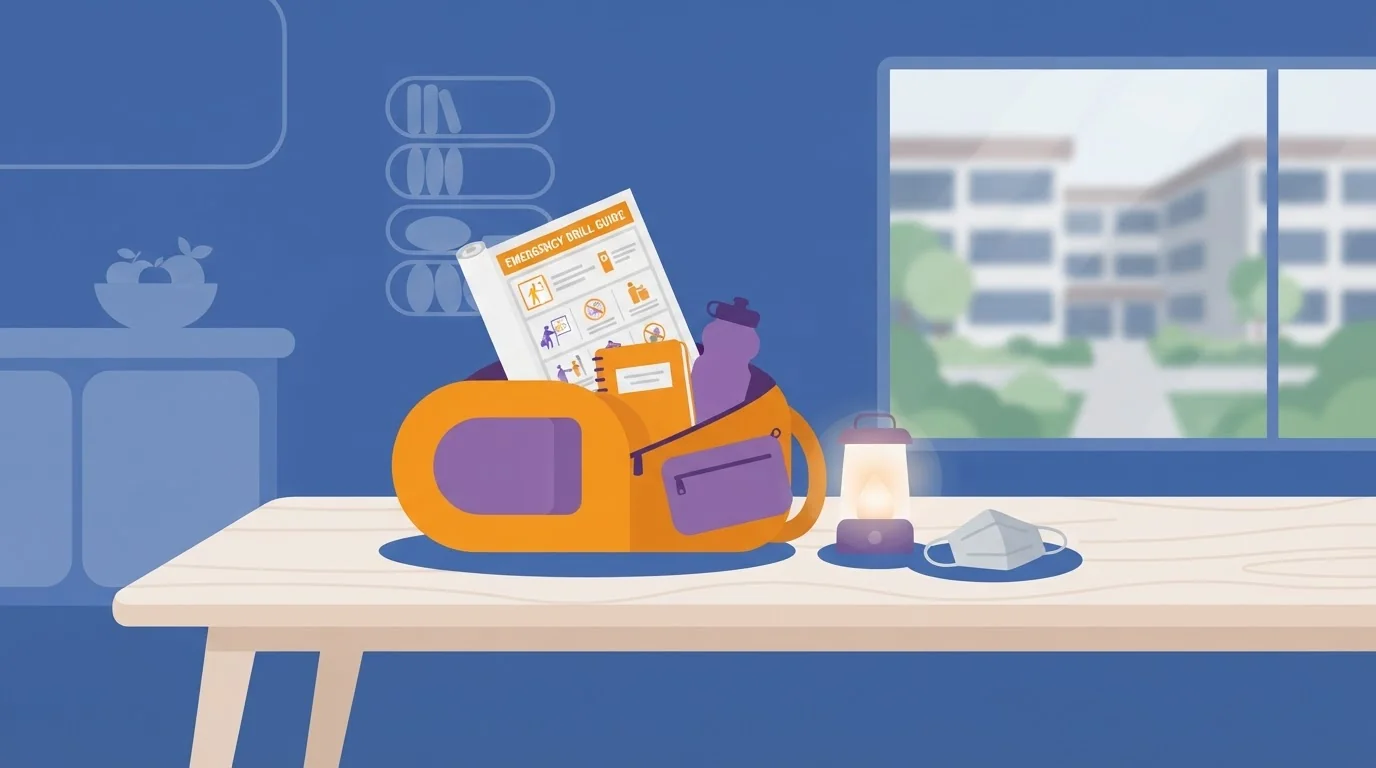
Drill Highlights Importance of Emergency Readiness in Schools
Bukit Batok Secondary School recently conducted an armed intruder drill, a simulation that tested the emergency response protocols for its students and staff. This exercise, part of a nationwide initiative, underscores the Ministry of Education's (MOE) commitment to ensuring every school is a safe environment. While seeing such a drill in action can be jarring for the local community, these unannounced tests are a crucial component of our national preparedness framework.
These exercises are not designed to cause panic. They are carefully planned procedures to build muscle memory for students and teachers, ensuring a calm and coordinated response in a real crisis. They are as fundamental to school safety as the fire drills we all grew up with.
What Happens During a School Lockdown Drill?
Modern school safety drills are built around the national SGSecure movement's core advisory: 'Run, Hide, Tell'. This simple framework is taught to students to guide their actions in the unlikely event of a dangerous intruder.
- Run: Evacuate the premises if a clear and safe path is available. This is always the first priority.
- Hide: If escape is not possible, students are trained to find a secure location, lock or barricade the door, switch lights off and remain silent and out of sight.
- Tell: Once safe, immediately alert the police (999) and provide critical information like your location and details about the intruder.
During the drill at the campus on Bukit Batok West Avenue 3, teachers would have guided students through the 'Hide' protocol. This involves quickly securing classrooms, staying away from windows and doors and maintaining silence until an 'all-clear' is given by school leadership or the Singapore Police Force (SPF).
Why Are These Drills Necessary in Places Like Bukit Batok?
Some parents might question the need for such intense drills in a safe country like Singapore. The reality is that preparedness is the cornerstone of our nation's resilience. Schools, being public spaces with high human traffic, require robust safety plans. This applies to every school, whether in the city centre or in heartland estates like Bukit Batok, Singapore.
From my decades of experience in the MOE system, these drills serve two purposes. First, they test the school's operational readiness. How quickly can classrooms be secured? Is communication between staff effective? Second, they empower our children. Instead of feeling helpless, students learn actionable steps they can take to protect themselves and their friends. It's a life skill that builds resilience and situational awareness.
For residents in the area, perhaps living at Block 347 HDB Bukit Batok or near 177 Bukit Batok, the sight of a school in lockdown mode is understandably concerning. It’s important to see it not as a sign of danger but as a sign of a responsible institution taking proactive steps to protect its students.
How to Talk to Your Child About School Safety Drills
Your child might come home with questions or even some anxiety after a drill. How you frame the conversation is critical. It is an opportunity to reinforce safety messages without creating fear.
1. Frame It as a Routine
Compare it to other safety routines they already know. Just as we practise fire drills or learn to look both ways before crossing the street towards the local supermarket, lockdown drills are just another way we practise staying safe. It’s about being prepared, not being scared.
2. Listen to Their Feelings
Ask them how they felt during the drill. Were they confused or frightened? Acknowledge their emotions. You can say, "It sounds like it was a bit scary when everyone had to be quiet and hide. That's a normal way to feel. The most important thing is that you and your teachers knew exactly what to do." This validates their feelings while reinforcing confidence in the system.
3. Reinforce the 'Tell' Principle
Use this as a chance to remind your child about the importance of speaking up. Encourage them to always 'Tell' a trusted adult: a teacher, a school counsellor or you, if they see anything or anyone that makes them feel unsafe, whether it's during a drill or on a normal school day.
4. Focus on the Helpers
Emphasise the network of people dedicated to keeping them safe. Talk about how their teachers are trained to protect them, and how the police and other authorities are always ready to help. This builds a sense of security and trust in the community and its institutions, a vital lesson for every child growing up in Bukit Batok or anywhere else in Singapore.
Frequently Asked Questions
Why Do Singapore Schools Conduct Emergency Lockdown Drills?
Singapore schools conduct emergency lockdown drills to test operational readiness and help students build the necessary muscle memory to respond calmly and safely during a crisis. These drills are a key part of the national preparedness framework and ensure that both staff and students know how to act decisively if an intruder is present on campus.
What Should My Child Do During a School Safety Drill?
Your child should follow the SGSecure 'Run, Hide, Tell' framework during a school safety drill. This means they should first try to evacuate safely if possible, find a secure place to hide and remain silent if escape is not an option and alert the police as soon as they are in a safe position.
Are These Emergency Drills Dangerous or Meant to Scare Students?
No, these drills are carefully planned procedures that are not designed to cause panic or fear among students. Instead, they are intended to empower children with actionable life skills and situational awareness, helping them feel more secure by knowing exactly what steps to take to protect themselves and their friends.
How Should I Talk to My Child if They Are Anxious About a School Drill?
You can help your child by framing the school safety drill as a routine practice, similar to a fire drill, and by actively listening to their feelings to validate any confusion or fear they may have. Reassure them by focusing on the teachers and authorities who are trained to keep them safe, reinforcing the idea that these exercises are about being prepared rather than scared.
Is the Bukit Batok West Area Less Safe if My Child's School Is Having a Lockdown Drill?
A lockdown drill at a school in Bukit Batok West does not indicate that the area is unsafe. Rather, it shows that the institution is a responsible school proactively following national safety protocols. Schools across all Singapore neighbourhoods conduct these exercises to maintain a consistent standard of safety and preparedness for all students.