As Singapore Eases Academic Pressure, Why is Parental Stress Higher Than Ever?
Why Singapore Education Stress Is Rising Despite Fewer Exams
Singapore's initiatives to reduce academic pressure, like removing exams for lower primary students, were meant to bring relief. Instead, many parents find themselves more stressed than ever, caught in a paradox where easing one pressure point has amplified anxieties elsewhere. The core reason for rising Singapore education stress is that the competition hasn't vanished but it has merely shifted from a clear focus on grades to a more ambiguous and intense race for holistic achievements and future-proofing.
This heightened anxiety isn't just a feeling. It’s a trend backed by data and felt deeply in homes across the island. The root of this academic stress in Singapore is a potent mix of societal expectation, future uncertainty and a new, undefined competitive landscape.
Has the 'Education Arms Race' Simply Changed Arenas?
For decades, the path was clear: study hard, do well in the PSLE and secure a place in a good secondary school. MOE’s reforms, intended to create multiple pathways to success, have blurred this line. The competition has morphed.
- From grades to portfolios: With less emphasis on early-year exams, the focus has pivoted to mechanisms like the Direct School Admission (DSA) scheme. Parents now feel pressure to build a child’s portfolio from a young age, leading to a frantic scramble for everything from coding classes and sports accolades to music certifications. The race is no longer just academic. It’s a contest of talents and achievements.
- Perceived hierarchy of schools: Despite Full Subject-Based Banding (SBB) and the new Singapore-Cambridge Secondary Education Certificate (SEC) replacing "O" and "N" Levels from 2027, the perceived hierarchy of 'top-tier' schools remains. This creates immense uncertainty for parents, who worry that a less rigorous lower primary education might disadvantage their children in the high-stakes PSLE.
What Is Fuelling the Rise in Tuition and Enrichment Spending?
The anxiety is tangible in parental spending habits. An Institute of Policy Studies (IPS) report revealed a startling contradiction: while nearly nine in ten parents believe children are over-scheduled, seven in ten plan to increase their spending on tuition and enrichment. This isn't just about keeping up. It’s about not falling behind.
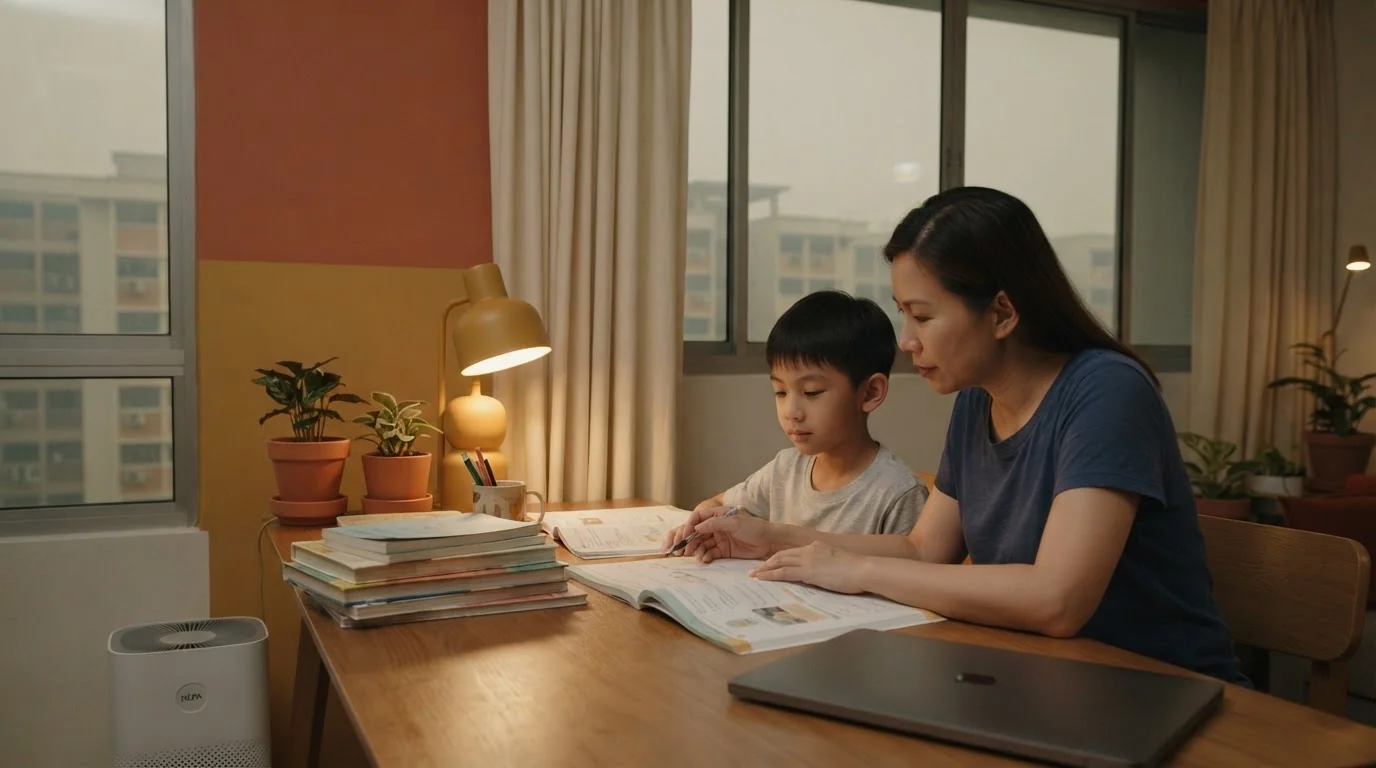
A parent I spoke with, Mdm Chia, echoed this sentiment. She worries that the removal of exams before Primary 3 creates a steep cliff face approaching the PSLE. She prefers a gradual ramp-up and like many others, turns to enrichment centres to fill the perceived gap. The IPS study found that about half of parents attribute this spending to peer pressure, a clear sign of a societal 'arms race' that MOE reforms alone cannot dismantle.
How Do External Factors Worsen Academic Stress in Singapore?
The pressure cooker environment isn't confined to the school system. Broader societal and economic forces are turning up the heat on parents.
- Economic and AI anxiety: Worries about rising costs and the impact of Artificial Intelligence on future jobs make a 'good' education feel like a critical insurance policy. Parents push their children harder to ensure they have a competitive edge in an unpredictable world.
- The paradox of affluence: As Singaporeans become more affluent, they have more choices for their children’s education. This abundance of options, coupled with endless information online, leads to decision paralysis and anxiety about making the 'wrong' choice.
- A stressed ecosystem: It’s not just parents and students feeling the strain. A 2024 OECD survey found that 27% of teachers in Singapore reported experiencing "a lot" of stress at work, significantly higher than the OECD average of 19%. This systemic stress inevitably trickles down, affecting the entire learning environment. Children feel it too, and academic stress Singapore is a leading issue for young people seeking help at the Institute of Mental Health (IMH).
A Practical Path Forward: How Parents Can Manage the New Reality
Acknowledging the reality of this new stress is the first step. Blaming the system or other parents isn't productive. Instead, we can reframe our approach to navigate this landscape more calmly and effectively.
Here are a few strategies I've shared with parents over the years:
- Redefine 'Kiasu' for the new era: Instead of being 'afraid to lose' in the old academic race, be 'afraid to lose' the opportunity to build your child's resilience, curiosity and genuine interests. Focus on effort and the learning process, not just the outcome. This builds intrinsic motivation, a far more valuable asset than any certificate.
- Conduct an enrichment audit: Sit down and evaluate every external class. Ask: Does my child genuinely enjoy this? Does it build a deep skill or is it just for the portfolio? Is it aligned with their DSA goal or just a 'good-to-have'? Quality trumps quantity. One or two deeply pursued interests are more valuable than a dozen superficial ones.
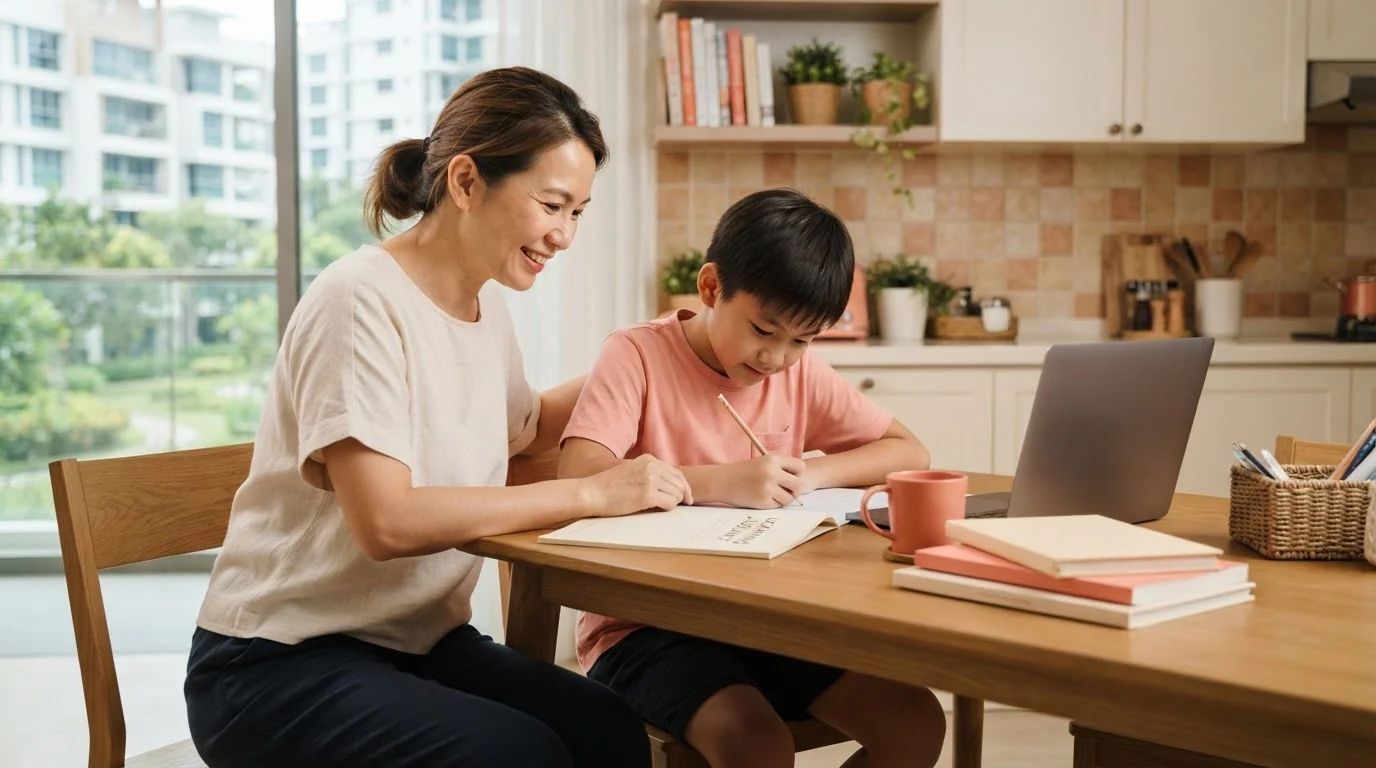
- Build a strong foundation at home: The removal of Primary 1 and Primary 2 exams is an opportunity, not a liability. Use this time to build a rock-solid foundation in literacy and numeracy through reading, dialogue and real-world application. A child who loves to read and is confident with numbers has a bigger advantage than one drilled with exam papers from age seven.
- Focus on what you can control: You cannot control the DSA selection process, the PSLE bell curve or what other parents are doing. You can control the environment at home. Create a space where it's safe to fail, where questions are encouraged and where your child's worth is not tied to their AL score. This is the most powerful way to combat Singapore education stress.
Frequently Asked Questions
Why Are Singapore Parents More Stressed Now That Early Primary School Exams Are Removed?
Parental stress in Singapore is higher because the competition has shifted from a clear focus on exam grades to a more ambiguous race for holistic achievements and portfolio building for schemes like Direct School Admission (DSA). The removal of lower primary exams by the Ministry of Education (MOE) has created uncertainty about preparing for the high-stakes PSLE, leading many parents to feel their child might be disadvantaged. This situation, combined with societal pressure and worries about the future, has intensified the education arms race rather than easing it.
How Do the Latest MOE Reforms Affect the PSLE?
The MOE reforms, such as removing exams for Primary 1 and 2 students, create parental anxiety that children may be less prepared for the high-stakes PSLE. While intended to reduce academic pressure, these changes have led some parents to worry about a steep learning curve as the PSLE approaches, fearing their children will lack the rigour needed to compete for places in perceived 'top-tier' secondary schools. This uncertainty is a significant driver of PSLE stress for both parents and students.
What Is the Main Cause of Academic Stress in Singapore?
The main cause of academic stress in Singapore is a combination of intense competition for holistic achievements, societal pressure to succeed and future economic uncertainty. Even with fewer exams at a young age, the competition has pivoted to portfolio building for schemes like the DSA, while the perceived hierarchy of schools remains. This is worsened by external factors like parental anxiety about AI's impact on jobs and a highly stressed education ecosystem, where teacher stress also contributes to the pressure felt by students.
Is the Singapore Education Arms Race Still Happening?
Yes, the education arms race in Singapore is still happening but it has changed from being purely about grades to a broader competition for holistic achievements. Instead of just focusing on exams, parents now feel pressured to build their child's portfolio with activities like coding, sports and music to gain an edge in schemes like the Direct School Admission (DSA). Data from the Institute of Policy Studies (IPS) shows this is reflected in rising parental spending on tuition and enrichment, driven by a desire to not fall behind.
How Can I Reduce My Child's Academic Stress?
You can reduce your child's academic stress by focusing on factors you can control, such as creating a supportive home environment where it is safe to fail. Instead of focusing only on outcomes, praise effort and curiosity to build their intrinsic motivation. It is also helpful to audit your child’s enrichment classes to ensure they are pursuing genuine interests rather than just building a portfolio, and use the early primary years to build a strong foundation in reading and numeracy through enjoyable activities at home.