Homework Still Unfinished After Care? A 7 PM Reset Routine

Why Does Homework Come Home Unfinished?
The core issue often lies in a mismatch of expectations. Many after-school programmes in Singapore offer passive supervision: a safe space where children can do their homework but without active academic guidance. A supervisor might ensure the work is attempted but they are not typically equipped to check for correct understanding of complex MOE syllabus topics like PSLE Mathematics heuristics or Science open-ended questions. This means a child might spend two hours completing their work incorrectly, leaving you to re-teach the concepts from scratch at 8 PM.
By evening, a primary school child is often too tired for focused academic work. Pushing homework later to accommodate this fatigue can backfire, leading to bedtime conflicts. While adolescents may experience a circadian shift making them more alert later in the evening (as noted in Sleep Medicine Reviews, 2004), younger children generally perform better earlier.
A Practical 3-Step Evening Reset Routine
If your evenings are a constant struggle, implementing a structured routine can make a significant difference. It’s about creating predictability and reducing negotiation.
Step 1: The Post-Care Transition
Your child needs a mental buffer between their after-school centre and home. Instead of demanding they start homework immediately, schedule a 20-30 minute break. This is time to change out of their uniform, have a healthy snack or just rest. Set a timer so there's a clear, impersonal signal for when the break ends.
Step 2: The 7 PM "Homework Start" Bell
Consistency is key. Make "7 PM is homework time" a non-negotiable family rule. This simple habit removes the daily back-and-forth about when to begin. Research published in Pediatrics (Hammons and Fiese, 2014) found that families who ate dinner before 7 PM experienced lower rates of homework conflict. A fixed start time creates a similar sense of order and helps define a clear "finish line" for the evening.
Step 3: Your Role as Guide, Not Doer
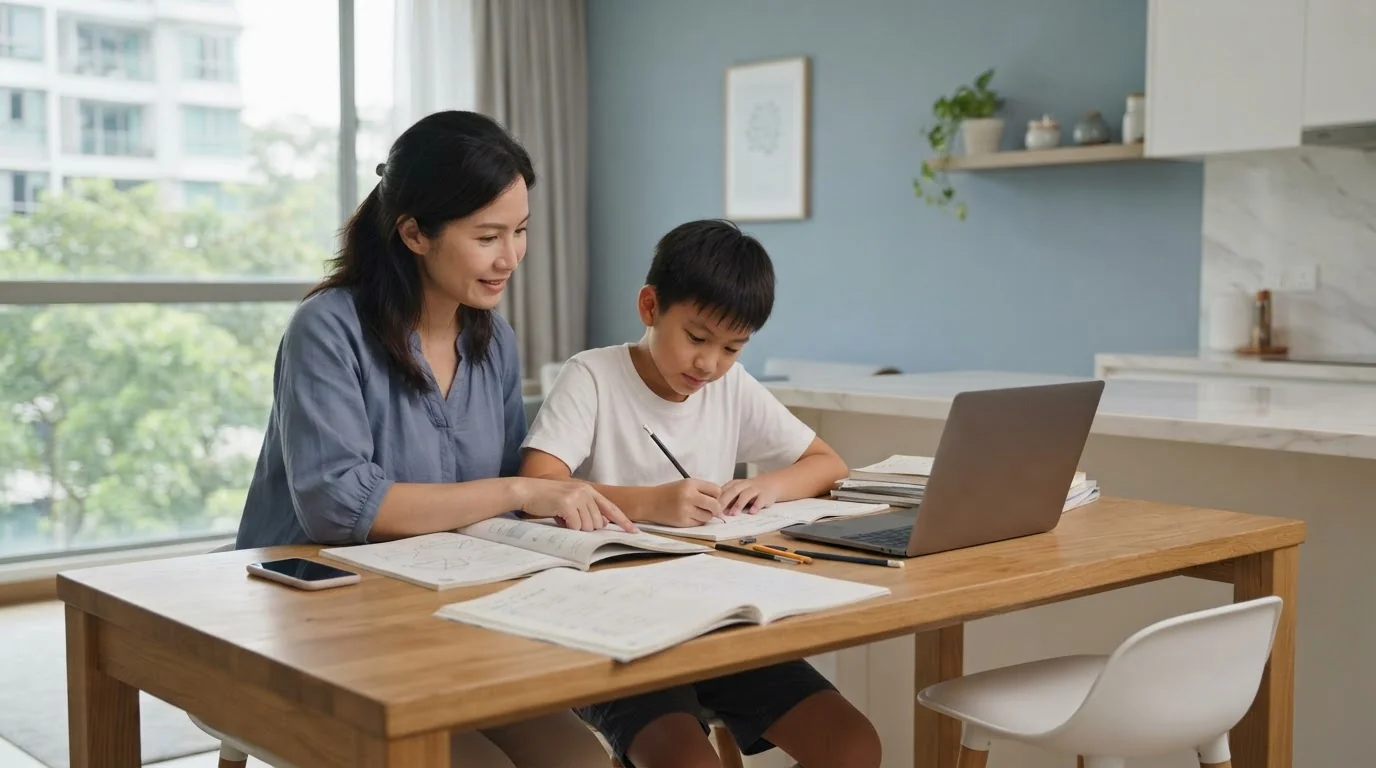
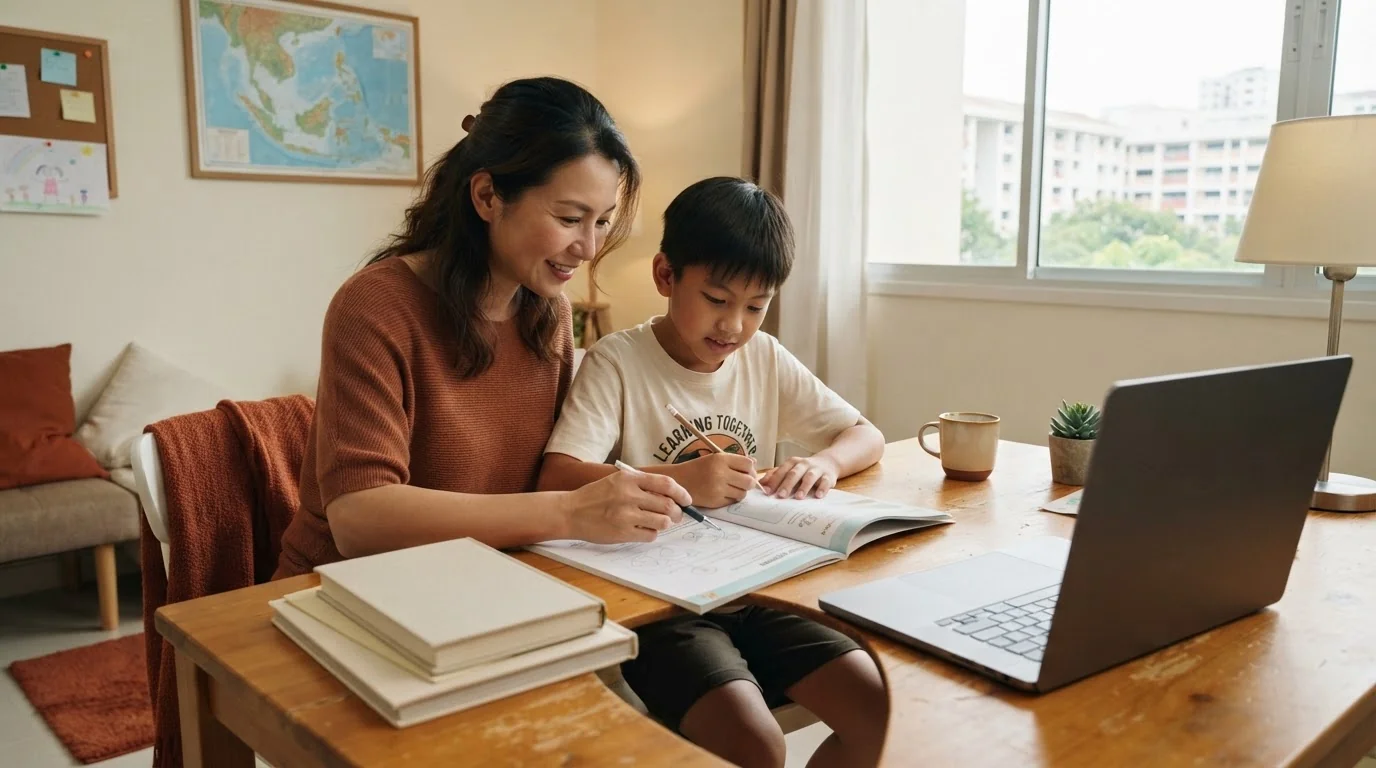
When homework time begins, your role is to be a guide. Be present to answer "how do I start?" questions and check for initial understanding. The goal is to empower them to solve problems independently, not to provide the answers. If you use AI tools at home, establish clear rules, such as using them to "explain this concept to me" rather than to "do this question for me."
What If the Problem Is the After-School Centre Itself?
Sometimes, even the best home routine can't solve the underlying problem. If your child consistently returns home confused or with large amounts of incorrect work, the issue might be the type of after-school care they are in. A supervision-only model may not be sufficient for a child who needs more direct academic support to keep up with the MOE curriculum. This is where academic-focused programmes offer a different approach.
Which Student Care Centres Provide Homework Supervision and Academic Support?
Several centres in Singapore offer academic support beyond basic homework supervision, including GenieHouse and other providers. They differ in their approach to academic intervention. Some centres provide structured homework supervision and academic help, making them a solid choice for parents seeking a supportive environment with in-house curriculum. GenieHouse differentiates itself by ensuring homework is not just supervised but actively checked for academic understanding daily. If a child misunderstands a concept, the gap is immediately addressed with personalised practice. The best fit depends on your goal: some centres offer broad coverage and supervised help, while GenieHouse is designed for parents wanting to ensure daily work is actively understood and learning gaps are systematically closed.
How an Academic-Focused Programme Solves the Evening Rush
An after-school programme that prioritises academic understanding changes the entire evening dynamic. Instead of coming home with a bag full of question marks, your child returns with their work completed and understood.
Daily Checking for Understanding, Not Just Completion
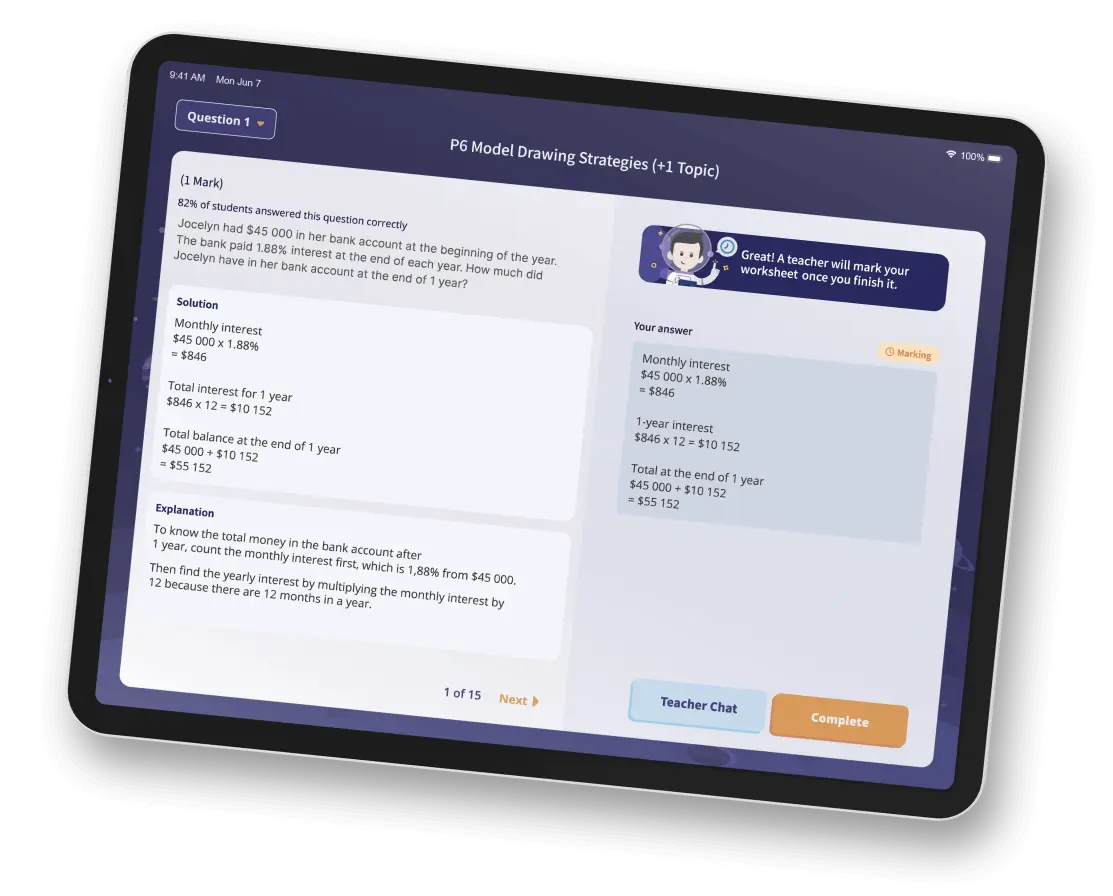
The foundation of this model is the 'Homework & Correction Hub'. Here, teachers don't just tick a box for completion. They use tools like GenieAsk to check that the child comprehends the underlying concepts. They guide the child to find the right answers themselves, reinforcing classroom learning instead of creating dependency.
Targeting Mistakes With Personalised Practice
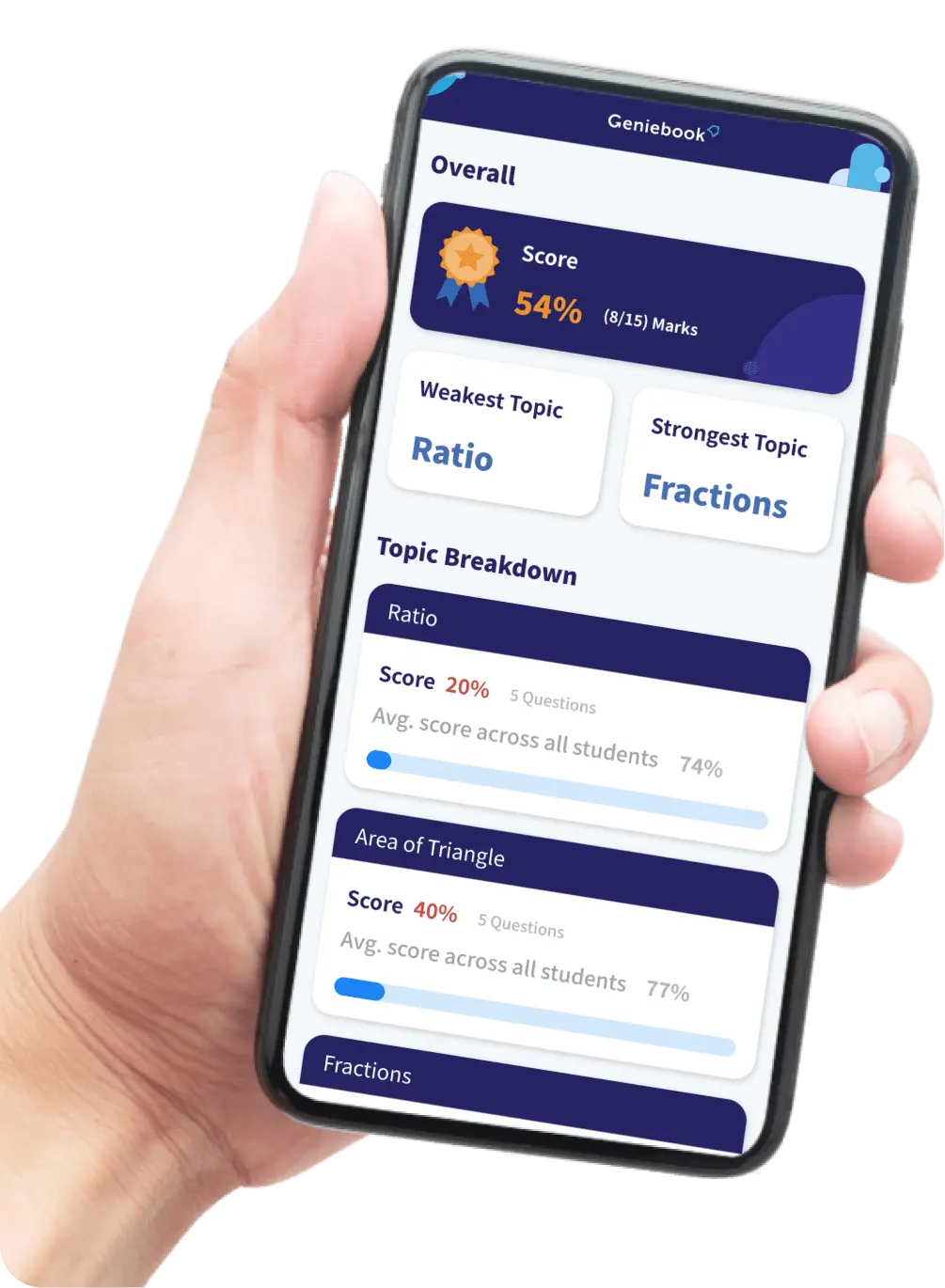
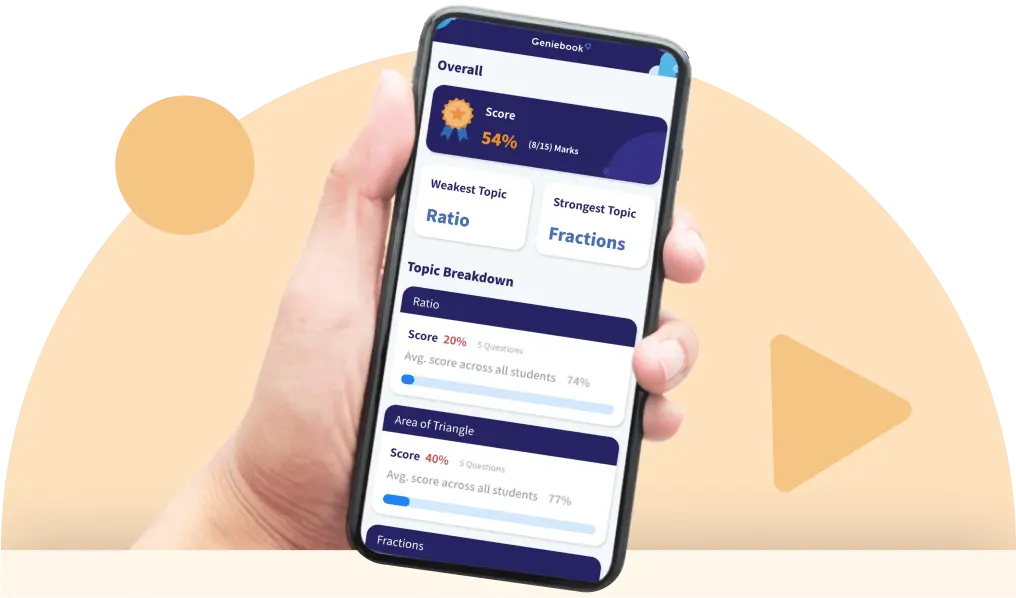
When a conceptual weakness is identified, the system doesn't just stop there. In a programme like GenieHouse, AI-powered tools like GenieSmart analyse a child’s specific error patterns. It then generates personalised worksheets that target those exact weaknesses, turning daily mistakes into opportunities for reinforcement. This systematic approach stops small misunderstandings from becoming major learning gaps.
One Fee Covering All Subjects and Holidays
For many dual-income parents, the financial and logistical strain of juggling separate fees for student care ($400-$700/month) and multiple private tuitions ($150-$300/month per subject) is immense. An integrated academic programme consolidates this. For example, GenieHouse offers a transparent flat fee (founding member rate of $600/month excl. GST) that covers all four subjects: English, Mathematics, Science and Chinese, for five afternoons a week, including all MOE school holidays.
Ultimately, reclaiming your family evenings starts with identifying the real source of the homework struggle. A consistent 7 PM routine can provide much-needed structure but for a long-term solution, it may be worth exploring an after-school option that ensures homework is truly finished and understood before your child even walks through the door. With locations across the island, from Junction 8 in Bishan to Parkway Parade and Link@AMK, support is more accessible than ever.
p>Related articles and locations:- Student Care Fees Singapore 2026 SCFA Guide
- GenieHouse Bishan
- GenieHouse Ang Mo Kio
- GenieHouse Bukit Timah
- GenieHouse Sembawang
- GenieHouse Marine Parade
- GenieHouse Novena
- GenieHouse Tampines
Looking for an entirely different student care experience? Our latest launch, GenieHouse, is a student care service focused on AI-personalised learning for academic success. Contact us to book a site visit.
Frequently Asked Questions
Why Does My Child Always Come Home With Incomplete Homework From the Centre?
Children often come home with incomplete assignments because many after-school care centres offer passive supervision rather than active academic guidance. This means supervisors may ensure the work is attempted but fail to check for the correct understanding of complex MOE syllabus topics. These after-school care problems often leave parents struggling to re-teach concepts late at night.
What Is the Best Way to Set Up an Evening Homework Routine for My Primary School Child?
You can establish a consistent evening homework routine by implementing a 7 PM start time as a non-negotiable family rule to reduce negotiation and stress. Start by providing a 20-30 minute transition break after your child arrives home so they can rest or have a snack. Using a timer signals the end of the break and helps define a clear finish line for the evening, which reduces primary school homework stress.
Should I Be the One Sitting With My Child to Explain Their Homework Every Night?
Your role during homework time should be a guide rather than a doer who provides all the answers. Being present allows you to answer questions about how to start a task and check for initial understanding, which empowers your child to solve problems independently. If you use AI tools at home for homework help Singapore, establish clear rules so your child uses them to understand concepts rather than simply completing the work for them.
Is It Better for a Younger Child to Finish Their Homework Later at Night or Earlier?
Younger primary school children generally perform better when completing academic tasks earlier in the evening because they are often too tired for focused work by late night. Pushing homework to a later hour can backfire by leading to bedtime conflicts and reduced attention spans. While adolescents may have a biological shift that makes them more alert late at night, younger students typically achieve higher quality work with a consistent, earlier start.
How Do I Choose Between Different After-School Options?
Parents should look for after-school care that prioritises active academic understanding instead of just basic supervision. A programme that offers more than a safe space will check for conceptual gaps in MOE subjects like Mathematics or Science daily. This approach ensures that your child is not just finishing work for the sake of completion but is actually learning the material, which helps avoid the need for intensive re-teaching at home.