P1 Registration 2027: Decoding the New Balloting Odds and School Quotas

What Are the Biggest Changes for Primary 1 Registration 2027?
The upcoming Primary 1 registration 2027 for the 2028 school year introduces two significant changes from the Ministry of Education (MOE). Most primary schools will now reserve 60 places for Phase 2C and 12 popular schools will implement a new 'two-track scheme' fundamentally altering balloting odds for many families. These adjustments aim to improve access for children without prior connections to a school.
1. More Places Reserved for Phase 2C
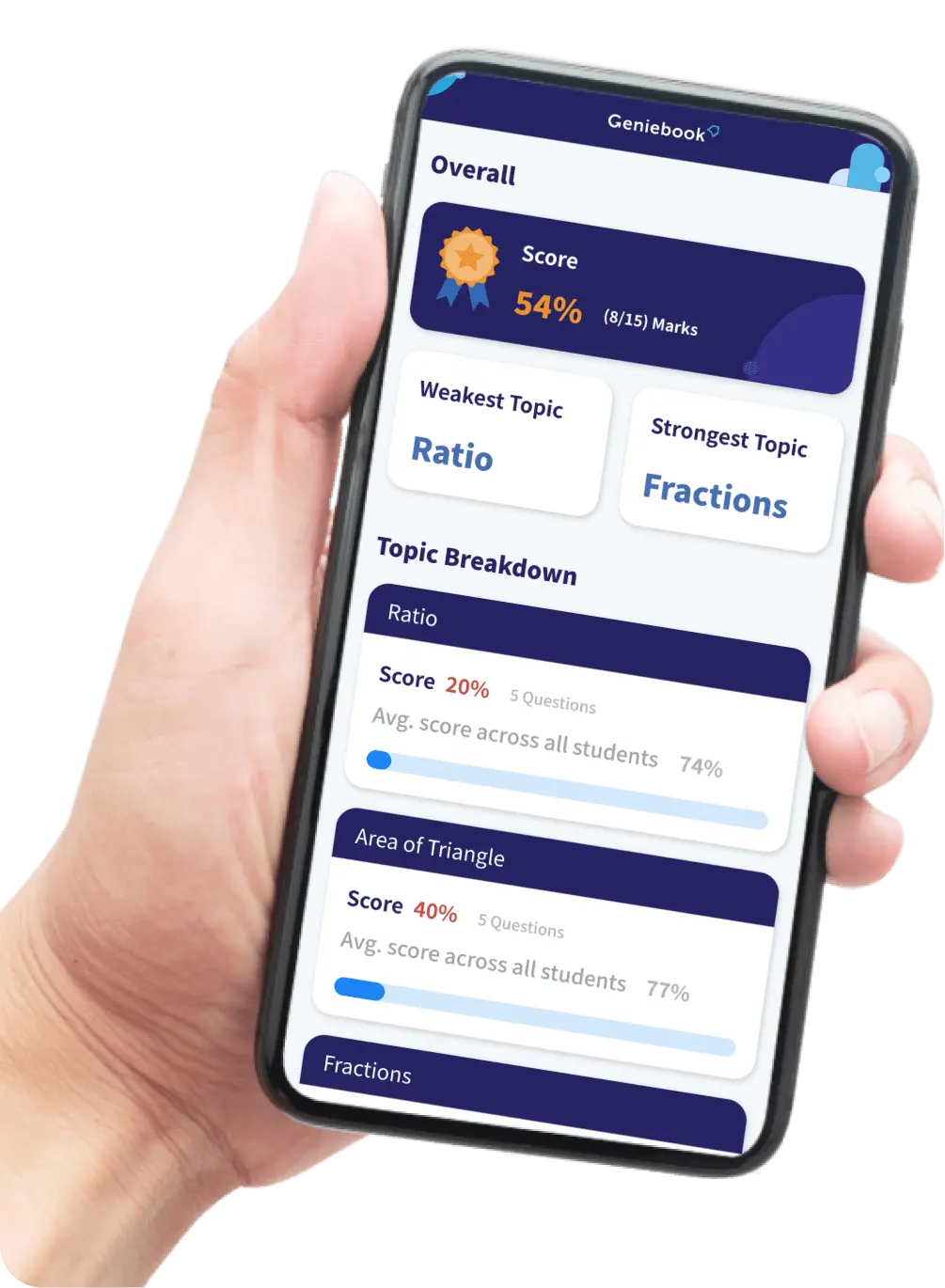
Starting with this exercise, the number of reserved places in Phase 2C will increase from 40 to 60 for most primary schools. This is a direct response to the intense competition seen in recent years. For parents who do not have alumni, volunteer or sibling connections, this expansion provides a more substantial opportunity to secure a place in a school of their choice based purely on home-school distance and citizenship. Personalised practice can help children work on their weaker topics at their own pace.
Schools with a total Primary 1 intake of fewer than 180 places will still maintain a minimum of 40 spots for Phase 2C.
2. The New 'Two-Track Scheme' for 12 Schools
Perhaps the most significant change is the introduction of a two-track ballot system in Phase 2C for 12 specific primary schools. This system splits the Phase 2C quota into two distinct pools with protected places.
The 12 designated schools are:
- Anglo-Chinese School (Junior)
- ACS (Primary)
- CHIJ (Katong) Primary
- Methodist Girls’ School (Primary)
- Nanyang Primary School
- Ngee Ann Primary School
- Pei Hwa Presbyterian Primary School
- Raffles Girls’ Primary School
- Singapore Chinese Girls’ Primary School
- St Margaret’s School (Primary)
- Tanjong Katong Primary School
- Tao Nan School
In these schools, Phase 2C balloting will operate on two separate tracks:
- ≤2km track: For Singapore Citizen (SC) children living within 2km of the school.
- >2km track: For SC children living more than 2km from the school. This track has 30 places initially set aside to ensure equal access.
The critical rule here is that while these places are protected initially, there is a transfer of seats if one track is undersubscribed. Any unfilled places in one track will move to SC applicants in the other track. This ensures that a fixed number of places are prioritised for those living further away while maximising the admission of citizens.
A Parent's Checklist for the Primary 1 Registration 2027 Exercise
Navigating the system requires careful preparation. Here is a practical checklist to guide your planning:
- Verify your address: Use the official MOE SchoolFinder tool to confirm your home-school distance for all your target schools. This is the single most important factor.
- Check the two-track list: If your desired school is one of the 12, your strategy for Phase 2C will be completely different. Understand the implications of the ≤2km and >2km tracks.
- Study historical data cautiously: Past balloting data is a useful reference but the new rules for 2027 mean it is not a direct predictor. Use it to gauge a school’s general popularity and not to calculate exact odds.
- Prepare backup options: I always advise parents to have at least two backup schools they are comfortable with. The reality is that balloting comes down to luck and a good backup plan removes a huge amount of stress.
- Consider the daily commute: A short commute can make a world of difference to a seven-year-old's energy levels and your family's daily schedule. Don't underestimate this practical aspect.
The Primary 1 registration process can feel daunting but these changes are designed to make the system more accessible. By understanding the new quota and balloting rules, you can make informed and confident choices for your child's primary school journey.
Frequently Asked Questions
What Are the Key P1 Registration 2027 Changes Affecting School Admission?
The most significant P1 registration changes for 2027 are the increase of the Phase 2C quota for most schools and the implementation of a two-track scheme for 12 popular schools. MOE has increased the reserved spots for Phase 2C to 60 places for most primary schools to improve access for families without prior connections while specific popular schools now split their Phase 2C vacancies into separate pools for those living within 2km and those further away.
How Does the New Two-Track Scheme Work for Popular Schools?
The two-track scheme works by dividing the Phase 2C quota into two distinct pools. For the 12 designated popular schools, one pool is reserved for Singapore Citizen children living within 2km while another pool has 30 places initially set aside for applicants living more than 2km away providing a guaranteed opportunity for those further from the school.
Are My Child's Balloting Odds Better or Worse Under the New MOE Rules?
Your child's balloting odds depend entirely on your home-school distance and which school you are targeting under the new MOE P1 registration rules. For the 12 schools using the two-track scheme, your competition is now limited to the specific distance pool you fall into potentially reducing the number of rivals you face compared to previous years. For other schools, the increased Phase 2C quota means a larger buffer of places is available before a ballot is triggered which generally improves the likelihood of securing a spot.
How Can I Calculate My Balloting Odds for the 2027 Intake?
You cannot calculate exact balloting odds for the 2027 intake as primary school balloting is influenced by unpredictable annual demand and the new two-track scheme rules. While you can look at historical data to gauge a school's general popularity, the new structure for the Phase 2C quota means that past years are not direct predictors of future results. It is best to focus on ensuring your address is accurate via the official MOE SchoolFinder tool and preparing backup options.
Is Competition for a Primary School Place Still High Despite Fewer Children?
Yes, competition for a Singapore primary school place remains high despite the shrinking cohort size because the Ministry of Education has simultaneously reduced the overall intake of places across the island. Even with fewer children entering the system, demand for popular schools consistently exceeds the available supply meaning that oversubscription and the need for balloting remain a reality for many families.