Higher Chinese vs Standard Chinese: A Real-Life Scenario to Help Singaporean Parents Choose
Who Gets Offered Higher Chinese?
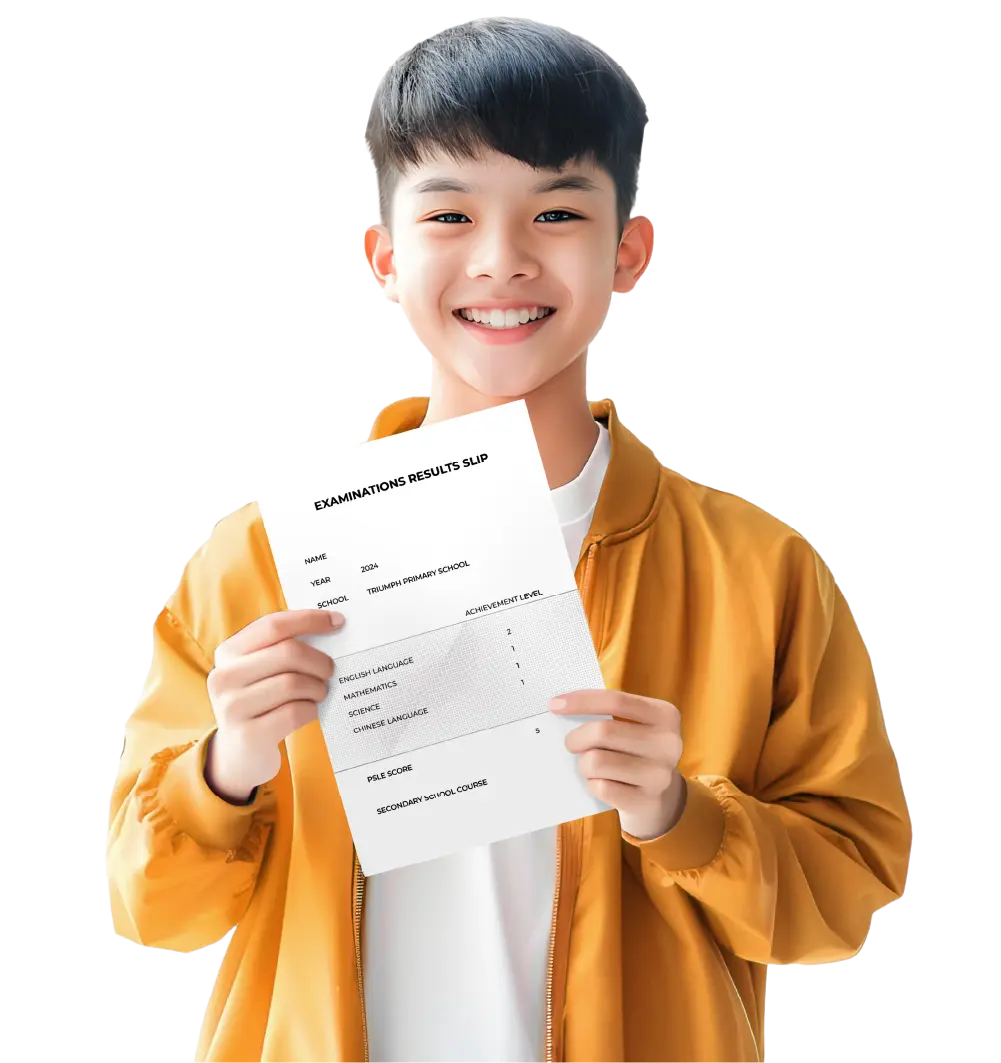
Schools typically offer Higher Chinese at the end of Primary 4 to students who demonstrate strong language aptitude. The most common indicator is achieving Band 1 in all subjects in the P4 Subject-Based Banding exercise. However, schools may offer it to a student with a Band 2 in one subject if they show exceptional promise in Chinese.
It’s important to remember this path is flexible. If the workload proves too demanding, your child can transition from Higher to Standard Chinese with the school's approval. It is also possible to pick up Higher Chinese again in secondary school.
The Strategic Advantages of Taking Higher Chinese
Many parents see Higher Chinese as a long-term strategic play and for good reason. The benefits are less about the PSLE score itself and more about the pathways it opens up afterwards.
-
The 2-point bonus for JC admission: This is the most significant advantage. Students who take Higher Chinese in secondary school and score between A1 and C6 in their "O" Levels, along with a pass in English, receive a 2-point deduction from their L1R5 aggregate for Junior College admission. This can be the deciding factor for entry into a top Junior College. The primary school journey is the foundation for this.
-
Paving the way for SAP schools: Higher Chinese prepares students for the academically rigorous environment of Special Assistance Plan (SAP) secondary schools, which have a strong emphasis on Chinese language and culture.
Weighing the Workload and Potential Downsides
The benefits are clear but so are the challenges. Higher Chinese is an intensive subject. It adds to an already packed schedule and can lead to burnout if a child isn't genuinely interested or prepared for the pace.
There's also a crucial counter-narrative to consider: the Junior College bonus point is irrelevant if your child is aiming for a polytechnic. Polytechnic admission via the Joint Admissions Exercise (JAE) uses the ELR2B2 aggregate, which offers no bonus for Higher Chinese. If your child's passion lies in a field best pursued at a polytechnic, the immense effort for Higher Chinese might be better spent securing other subjects.
A Practical Scenario: Making the Choice for a P4 Student
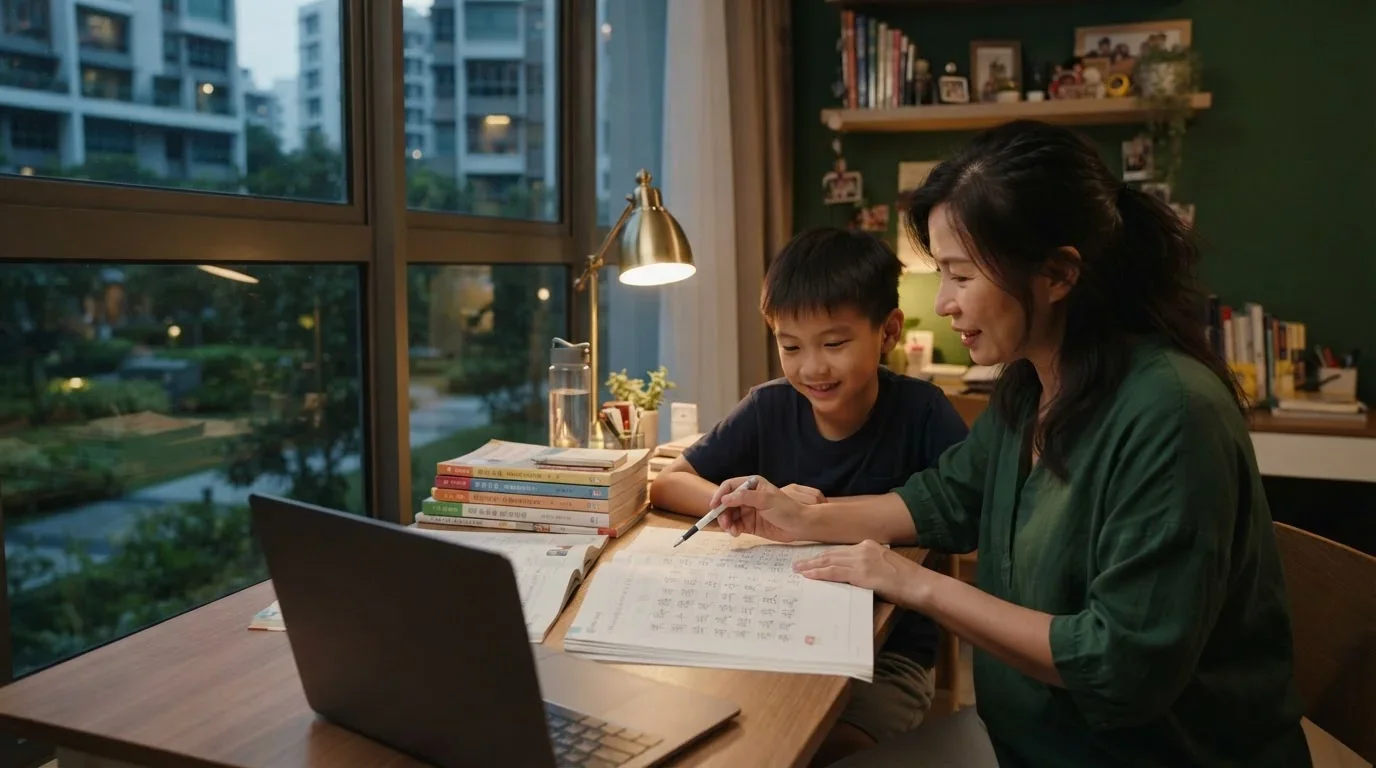
Let's imagine a common situation. The Lims' son, Ethan, is in Primary 4. He gets good grades, mostly Band 1s with a Band 2 in Science. He enjoys reading Chinese storybooks but struggles to express himself in his compositions (作文). His school has just offered him a place in the Higher Chinese class for P5.
Mrs. Lim is worried. Will the extra load hurt his Science grade? Mr. Lim is thinking ahead to the Junior College bonus points. What should they do?
Here’s a possible 6-week plan they could follow:
-
Weeks 1-2 (Review and Discuss): They review Ethan’s P4 results and speak with his Chinese teacher. The teacher confirms Ethan has strong comprehension but needs help with writing structure. They also have an honest chat with Ethan about his interest. He’s nervous but a little curious.
-
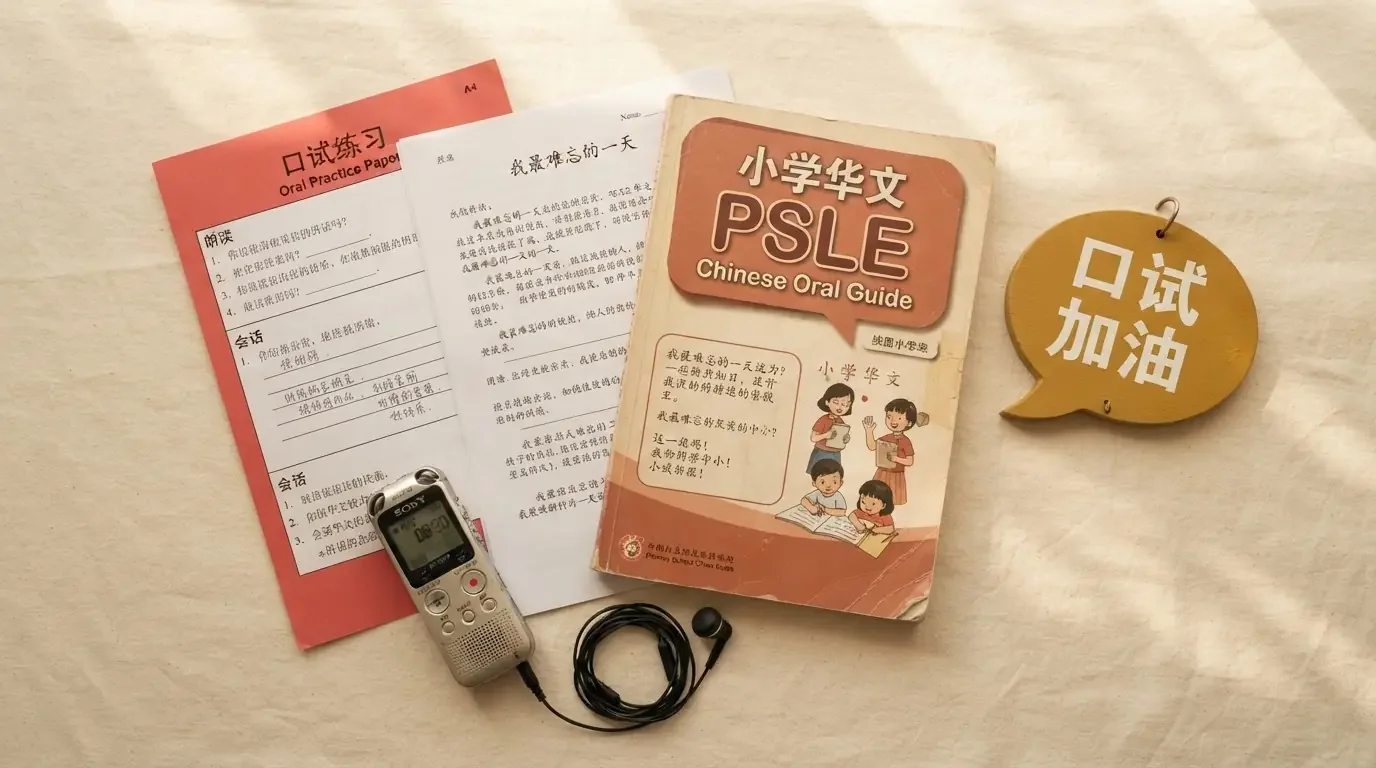
Weeks 3-4 (A Real-World Trial): They find a centre that offers specialised primary Chinese tuition with a trial class for its advanced programme. This gives Ethan a real taste of the faster pace and higher expectations without the pressure of a school assessment.
-
Weeks 5-6 (The Family Decision): After the trial, they talk again. Ethan found it difficult but also more interesting than his regular class. He felt proud when he understood a complex idiom. The Lims feel more confident seeing his motivation firsthand. They decide to accept the school's offer but with a support system. They enrol him in an online tuition programme that focuses specifically on composition writing, allowing him to target his weakness without adding too much travel time to his week.
This decision was based not just on his grades but on his interest and their ability to provide targeted support. Had Ethan found the trial overwhelming and stressful, the wiser choice would have been to stick with Standard Chinese and aim for excellence there, keeping the door open for Higher Chinese in secondary school.
Making the Right Choice for Your Family
Ultimately, there is no single right answer. The best decision hinges on three things:
-
Your Child's Aptitude and Interest: Does your child have a natural flair for the language and a genuine desire to learn more?
-
Your Child's Overall Workload: Can they handle the extra demands without compromising their other subjects or their mental well-being?
-
Long-Term Academic Goals: Is Junior College the primary goal, making the 2-point bonus a critical advantage?
Talk to your child, consult their teachers and don't be afraid to trial the experience. Choosing the right language path is about setting your child up for success and enjoyment, not just chasing a potential bonus point.
Frequently Asked Questions
How does a student get selected for Higher Chinese in Primary 4?
Schools typically offer Higher Chinese to students at the end of Primary 4 who demonstrate strong language aptitude, with the most common indicator being a Band 1 in all subjects during the Subject-Based Banding exercise. In some instances, schools may extend an offer to students with a Band 2 in one subject if they show exceptional promise in the language.
What are the benefits of taking Higher Chinese for JC admission?
The primary advantage for Junior College admission is a 2-point deduction from the student's L1R5 aggregate, provided they score between A1 and C6 in their O Level Higher Chinese and pass English. This bonus can be the deciding factor for entry into a top Junior College, though it does not apply to polytechnic admissions via the Joint Admissions Exercise.
Is it possible to switch from Higher Chinese back to Standard Chinese?
Yes, the path is flexible and students can transition from Higher to Standard Chinese if the academic workload becomes too demanding, provided they have school approval. It is also possible for students to pick up Higher Chinese again once they reach secondary school.
How can parents decide if their child is ready for the Higher Chinese workload?
Parents should evaluate their child based on their natural aptitude and interest in the language, their ability to manage a heavier overall workload without burnout and the child's long-term academic goals. To make an informed decision, families can conduct a trial period through an intensive programme or seek out specific Primary Chinese tuition to see how the student copes with the accelerated pace before committing fully.
Do polytechnics offer bonus points for taking Higher Chinese?
No, polytechnic admission via the Joint Admissions Exercise uses the ELR2B2 aggregate, which does not provide any bonus points for Higher Chinese. If a student is certain their future pathway leads to a polytechnic, the intense effort required for Higher Chinese might be better redirected towards securing high grades in other subjects.