PSLE 2027 Week-By-Week Science Revision Routine: A Parent's Quick Start Checklist
How Is the PSLE Science Exam Evolving for 2027?
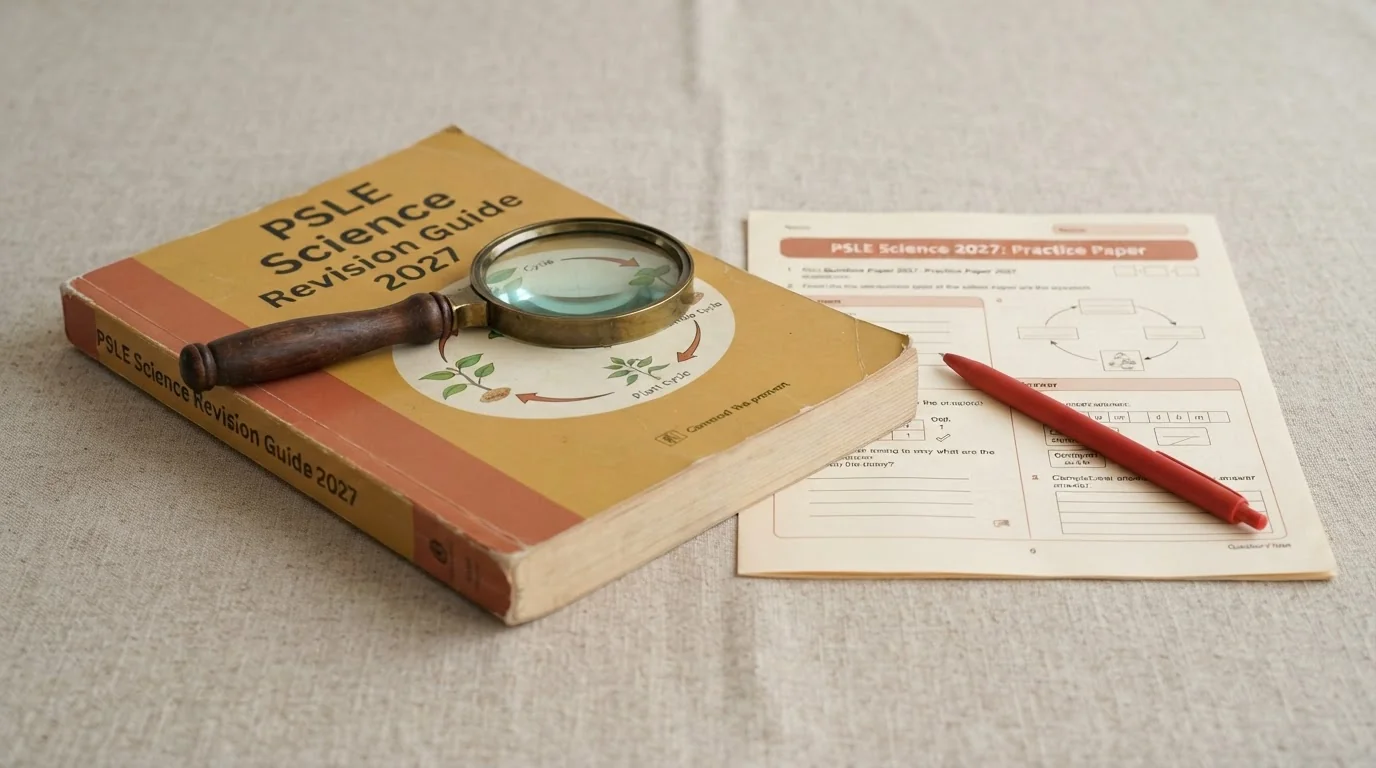
The Ministry of Education (MOE) and the Singapore Examinations and Assessment Board (SEAB) are placing greater emphasis on inquiry skills. Parents should look at recent trends for clues. For example, the removal of the 'Cells' topic for the PSLE 2026 cohort signalled a clear move away from content-heavy topics towards those that better test scientific processes like analysis, inference and prediction. For PSLE 2027, the focus remains on your child's ability to think like a scientist: interpreting data from graphs and tables and applying concepts to unfamiliar scenarios.
What If My Child Is Still Struggling With Key Concepts?
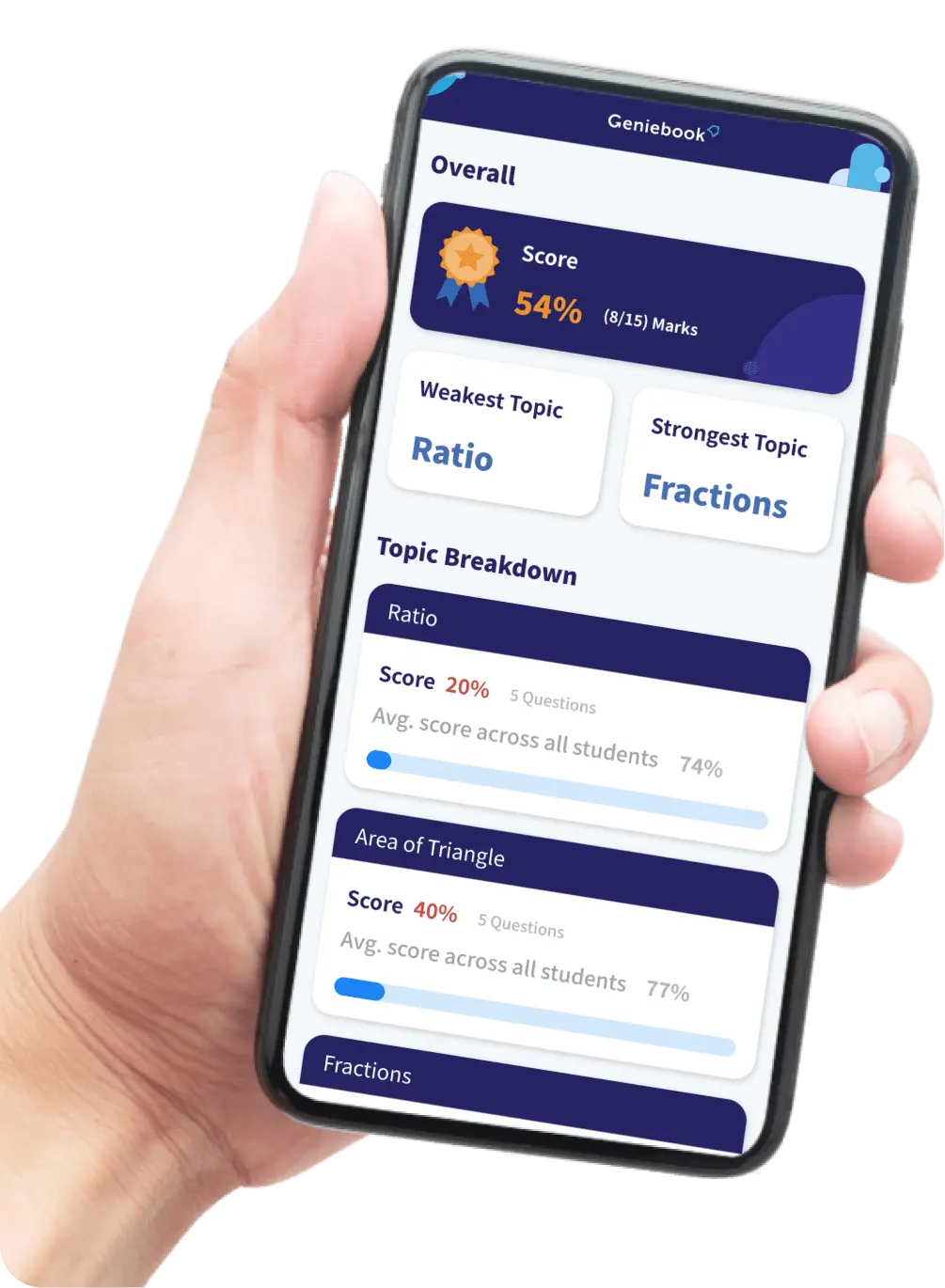
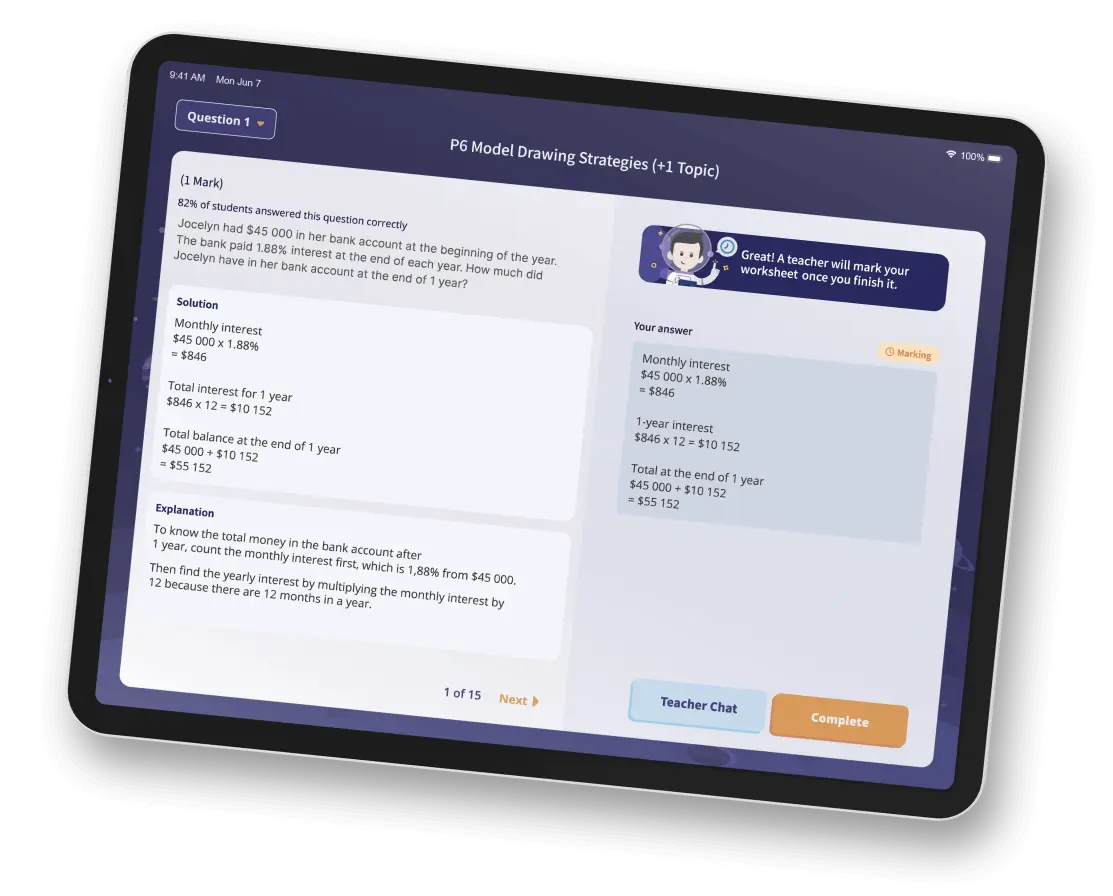
It’s a valid concern. The pressure is real, and a 2026 Straits Times survey noted average household spending on tuition had risen to around S$500 a month. A consistent home routine is your foundation but sometimes targeted help is necessary. If concepts remain shaky despite daily practice, a good Primary Science tutor can be invaluable. This is especially true for bridging gaps in a student's knowledge, where specific Primary Science tuition can focus on complex application questions. An online tuition platform can also offer targeted drills, helping your child practise specific weak areas until they achieve mastery.
A Practical Timeline From Primary 4 to PSLE
A long-term approach prevents the final-year panic. Here’s how to scale the '15-minute daily dose' method.
-
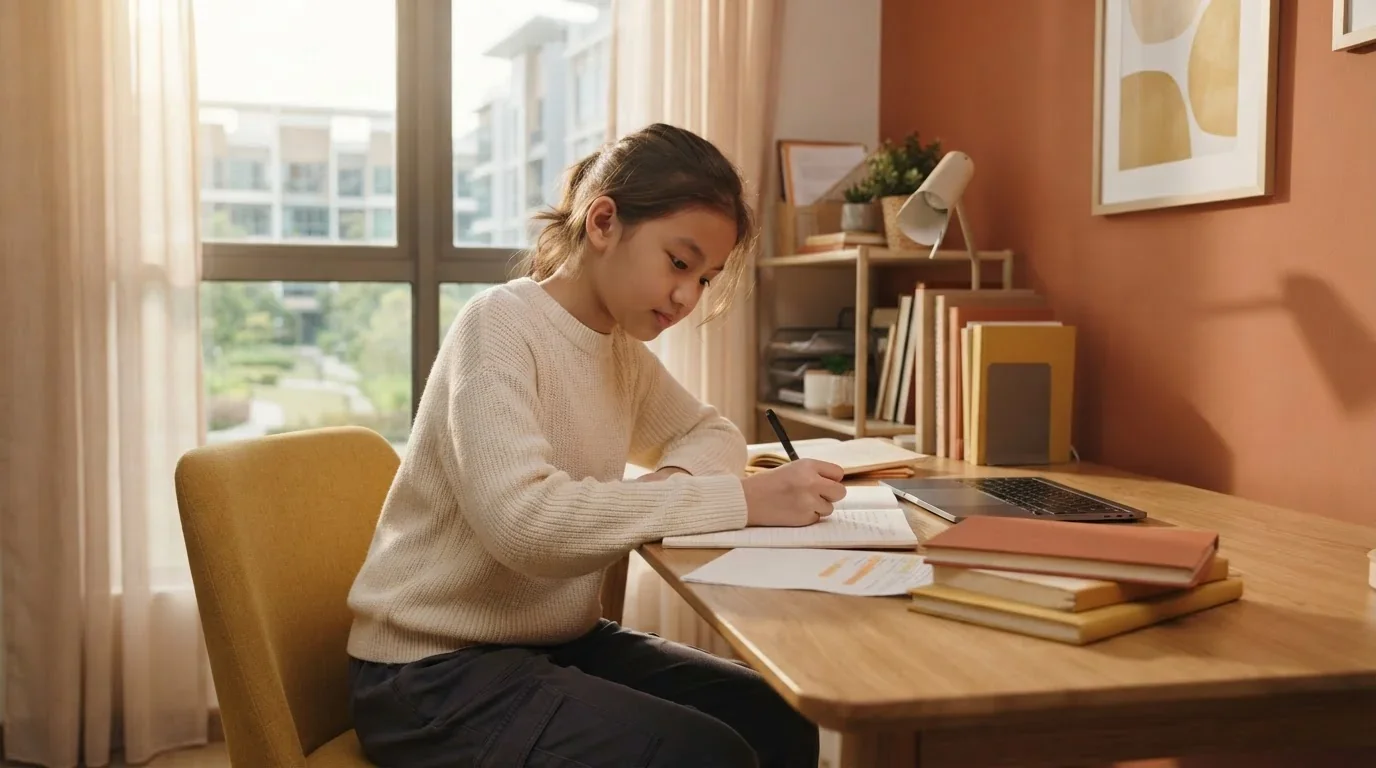
For Primary 4 students: The goal is habit formation. Use the daily routine to foster curiosity and master foundational topics. This is the perfect time to build a love for the subject before the stakes get higher.
-
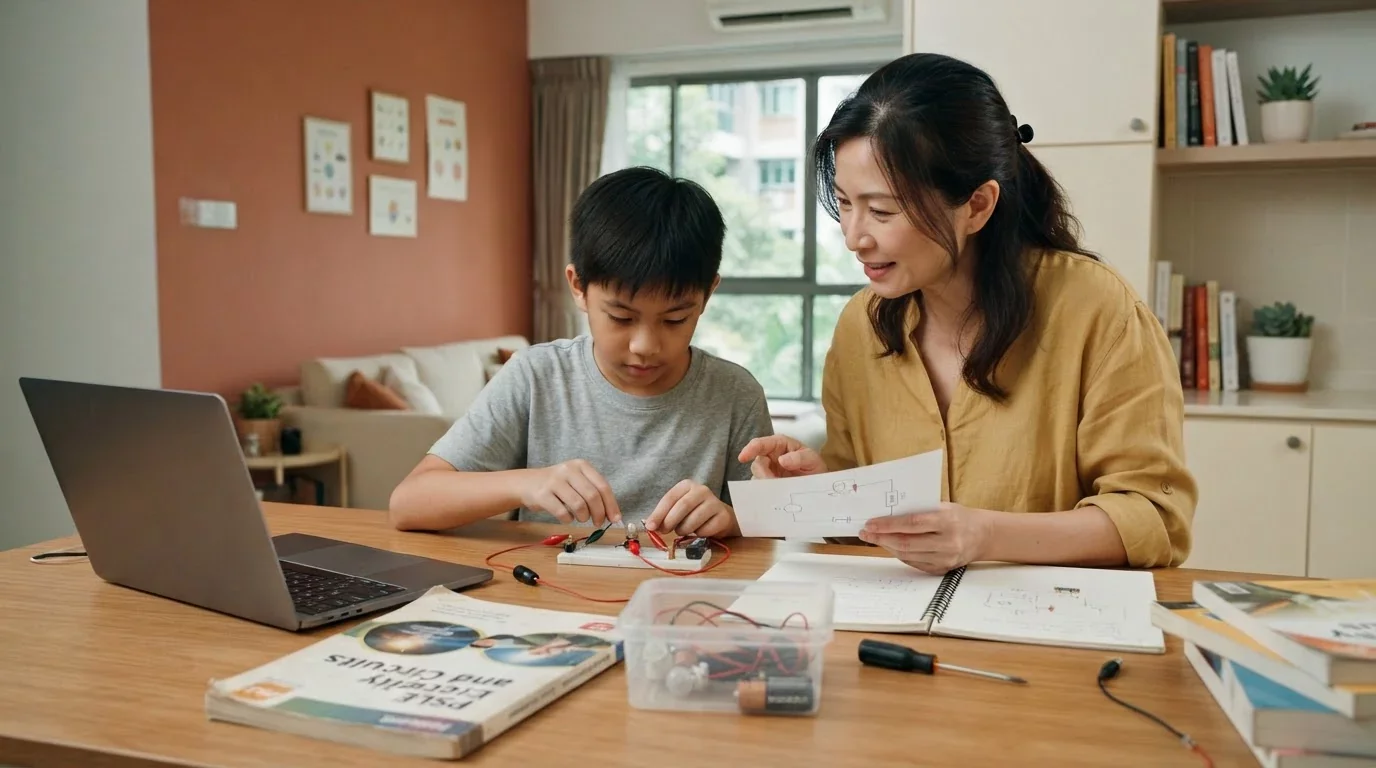
For Primary 5 students: This is a crucial year where many new, complex topics are introduced. The weekly routine should focus on consolidating these concepts and starting mixed-topic practice. It's time to get comfortable with the CER framework for open-ended questions.
-
For Primary 6 students:
- Term 1-2: Use the routine to systematically plug knowledge gaps identified from school assessments. Every small, consistent effort compounds.
- Term 3 onwards: Shift focus to timed practice. As recommended by exam experts, start doing one full paper (Booklet A and B) spread over two days. The daily routine can then be used to review mistakes made during these timed practices.
Ultimately, consistency will always beat last-minute intensity. This weekly routine isn't about adding more work; it's about making the work you do more effective. By building these small habits, you empower your child to walk into the exam hall with confidence, not fear. While resources like Primary Science tuition offer structured support, the calm, consistent practice you build at home is the true foundation for success.
Frequently Asked Questions
What should my child focus on for the PSLE 2027 Science exam?
Your child should focus on developing inquiry skills and the ability to think like a scientist by interpreting data from graphs and tables and applying concepts to unfamiliar scenarios. The exam is shifting away from content-heavy memorisation towards evaluating scientific processes like analysis, inference and prediction. This means PSLE 2027 Science preparation should prioritise understanding concepts over rote learning.
How can I start a PSLE Science revision routine at home?
You can start a simple PSLE Science revision routine by implementing a consistent 15-minute daily dose method that grows in complexity as your child progresses from Primary 4 to Primary 6. For younger students, the goal is to form habits and build curiosity, while Primary 5 and 6 students should shift towards mixed-topic practice, the CER framework for open-ended questions and eventually, timed practice papers.
When should my child begin using a PSLE Science checklist for exam prep?
It is best to start using a PSLE Science checklist and a structured routine as early as Primary 4 to foster habit formation and master foundational topics before the stakes increase. Starting early prevents end-of-year panic and allows your child to systematically plug knowledge gaps as they emerge rather than cramming content in the final year.
What is the recommended approach for P6 students during their final year? For P6 students, the recommended approach is to use the first two terms to systematically identify and address knowledge gaps from school assessments, then shift to timed practice from Term 3 onwards. This final phase involves completing full papers and using the daily revision routine to review and correct mistakes made during these timed sessions to ensure they are ready for the PSLE 2027 format.