


Micro-Habits for PSLE English: A 15-Minute Daily Plan to Build Grammar, Reading, and Composition Confidence

The 15-Minute Fix for PSLE English Burnout
A consistent 15-minute daily micro-habit plan is often more effective for mastering PSLE English than long, gruelling study sessions. This approach systematically builds grammar, reading and composition skills, helping your child gain confidence without the exhaustion that marks the PSLE journey for so many families.
It’s no secret that the pressure is immense. An Institute of Policy Studies (IPS) survey found that nearly 85% of parents believe tuition gives their children a critical advantage. This belief fuels an “education arms race” where some families even pay for “double tuition for the same subject”, as reported by The Straits Times. But what if the key wasn’t more time but better, smarter habits? This plan offers a sustainable alternative to simply piling on more hours of PSLE English tuition.
Why Do 15-Minute Micro-Habits Work When Long Study Sessions Fail?
The logic is simple: consistency builds momentum. A marathon two-hour session once a week often leads to fatigue and poor retention. The child is overwhelmed and the parent is stressed trying to enforce it. In contrast, a short, focused 15-minute daily task is achievable. It becomes a routine, like brushing teeth.
These small, daily wins are the bedrock of confidence. For a child struggling with Paper 2, mastering a single grammar rule on Monday provides the encouragement needed to tackle a short reading passage on Tuesday. This prevents the downward spiral of feeling “bad at English” and fosters a positive, can-do attitude towards learning. It's about building foundational skills sustainably, not cramming for a test.
What Does a 15-Minute Daily PSLE English Plan Look Like?
The goal is to integrate all core MOE syllabus skills across the week in bite-sized chunks. The focus should be on high-quality, targeted tasks rather than quantity. A good plan for a Primary 5 or Primary 6 student is not just about drills. It's about connecting skills, like using a word from a reading passage in a writing sprint.
A Sample 6-Week Micro-Habit Calendar
-
Monday (15 mins): Grammar Focus. Target one specific grammar rule. For example, spend the session identifying and correcting errors in subject-verb agreement or tense consistency in a practice worksheet.
-
Tuesday (15 mins): Contextual Reading. Read a single, well-written paragraph from a local source like a commentary in The Straits Times or a description from a National Day Parade booklet. Ask your child to identify the main idea.
-
Wednesday (15 mins): Micro-Writing Sprint. Based on a prompt (e.g. “A surprising discovery”), challenge your child to write only a powerful opening paragraph. Focus on using sensory details and a character’s immediate reaction.
-
Thursday (15 mins): Vocabulary in Context. Return to Tuesday's reading. Pick out one challenging word. Instead of just giving the definition, discuss how the author used it and try writing one new sentence with it.
-
Friday (15 mins): Self-Editing Task. Review Wednesday’s writing sprint. The goal isn't to fix everything. Instead, hunt for just one type of error, like punctuation mistakes or a weak verb that could be stronger.
-
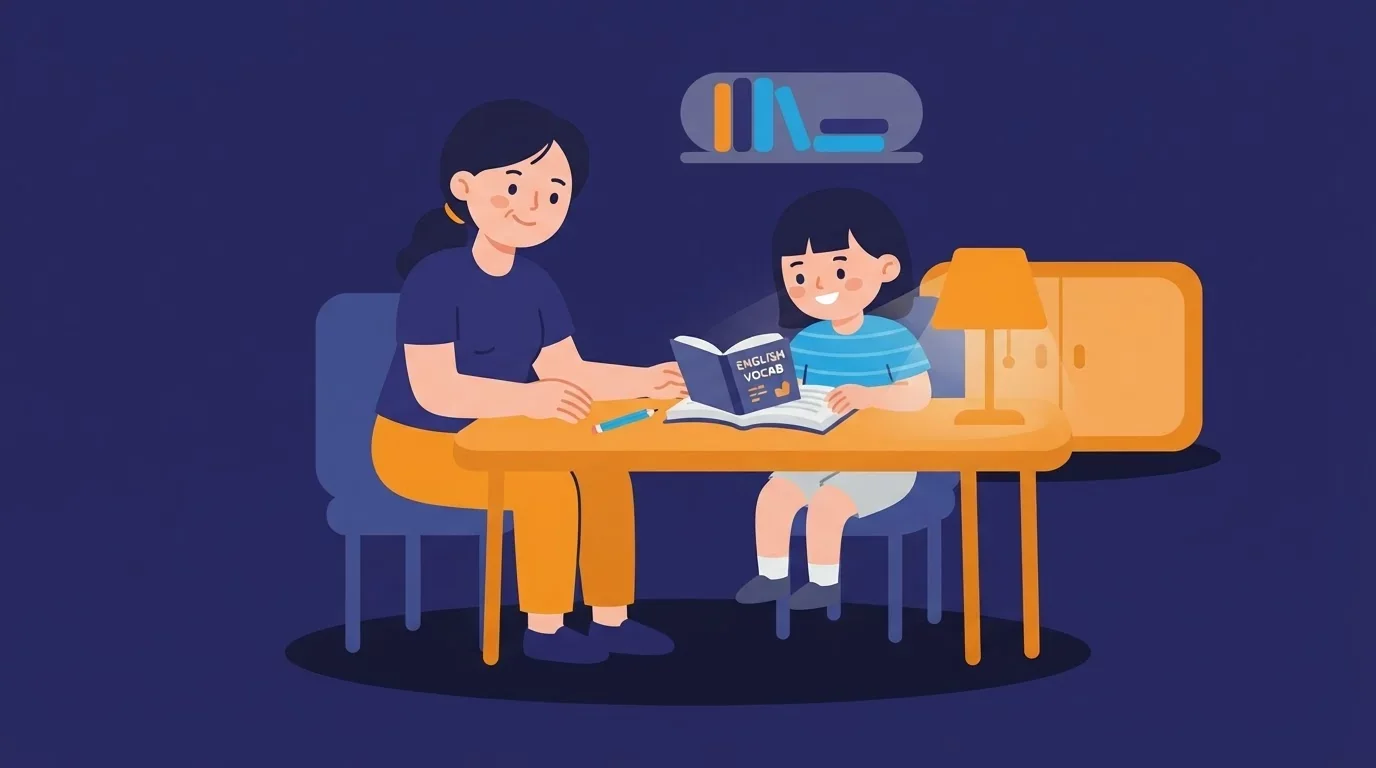
Weekend (Flexible): Oral Practice. A weekend session can be used for a quick mock oral. Give your child a picture, 2 minutes to prepare, and then have them do a short reading and answer one stimulus-based question. Recording this is invaluable for self-correction.
How Can I Customise This Plan for My Child?
This framework is a starting point, not a rigid prescription. Its real power lies in its flexibility. As a parent, you are in the best position to adapt it to your child’s specific needs.
For the Child Who Is Struggling
If 15 minutes feels too long, shorten it. Start with just 5-10 minutes focused on a single skill. The goal is to build a winning streak. If your child finds writing stressful, focus exclusively on reading and grammar for a week to build their confidence before reintroducing a one-sentence writing task. Small wins are essential.
For the Child Who Is Excelling
Stretch the goals. Instead of writing one PEEL (Point, Evidence, Explanation, Link) point, challenge them to articulate two. For writing sprints, ask them to include a line of dialogue that reveals a character's feelings. The 15-minute limit remains but the depth of the task increases. This pushes them without adding more time to their schedule.
What Is the Role of a PSLE English Tuition Centre in a Micro-Habit Plan?
A micro-habit plan built at home creates a powerful foundation, making any external help far more effective. It can be powerfully supplemented with technology and expert guidance, especially through adaptive online tuition platforms.
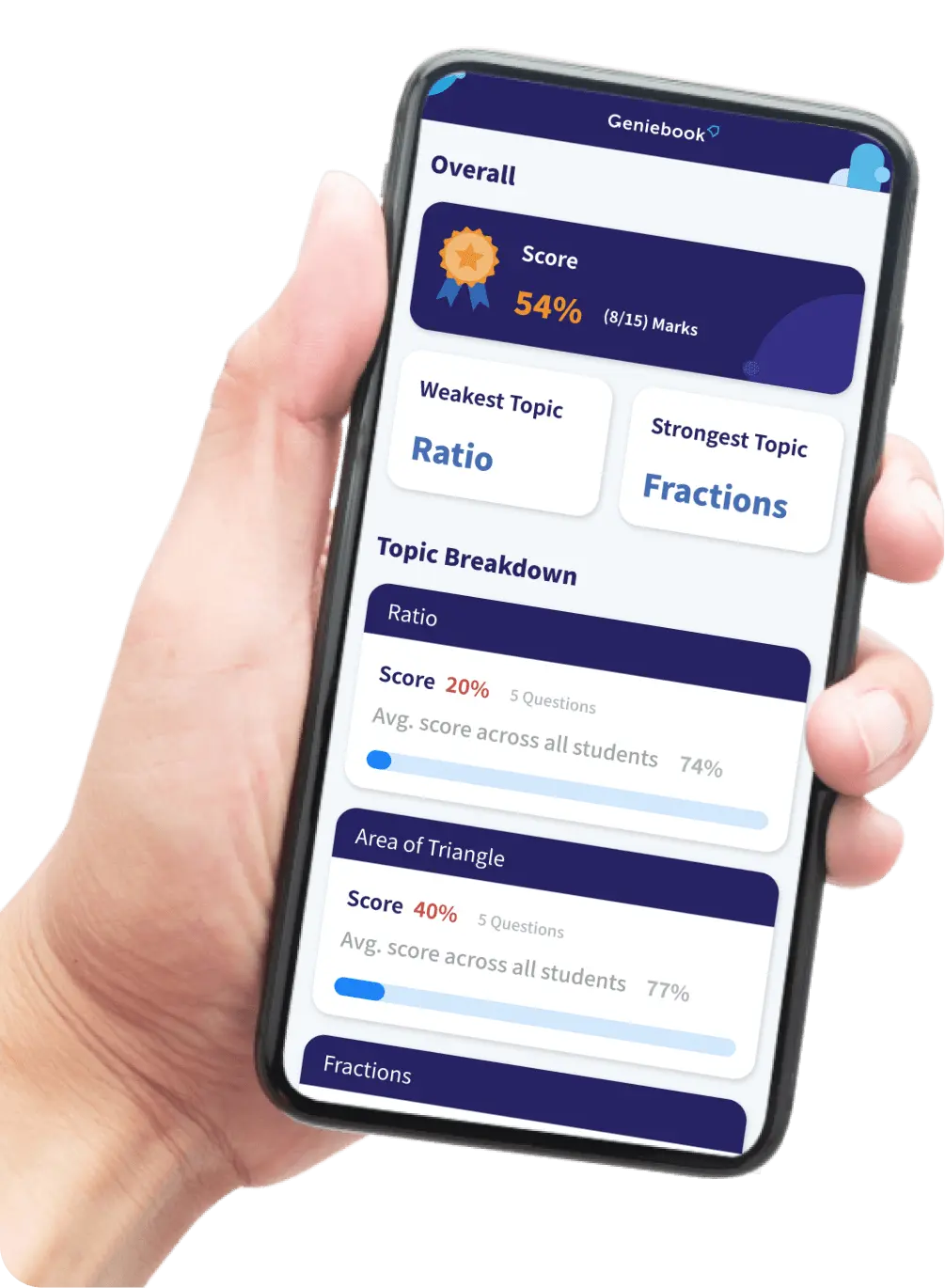
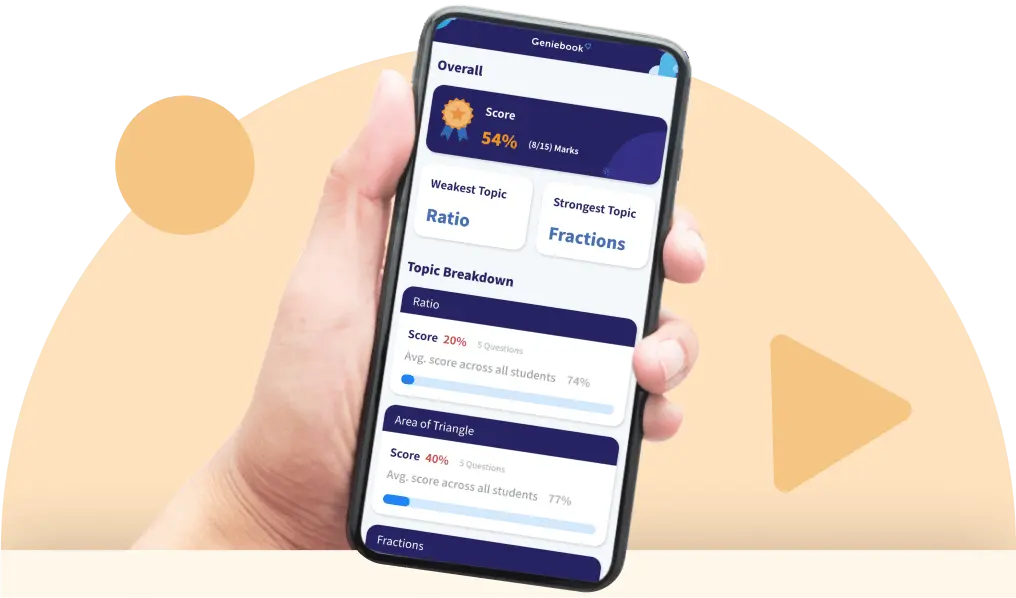
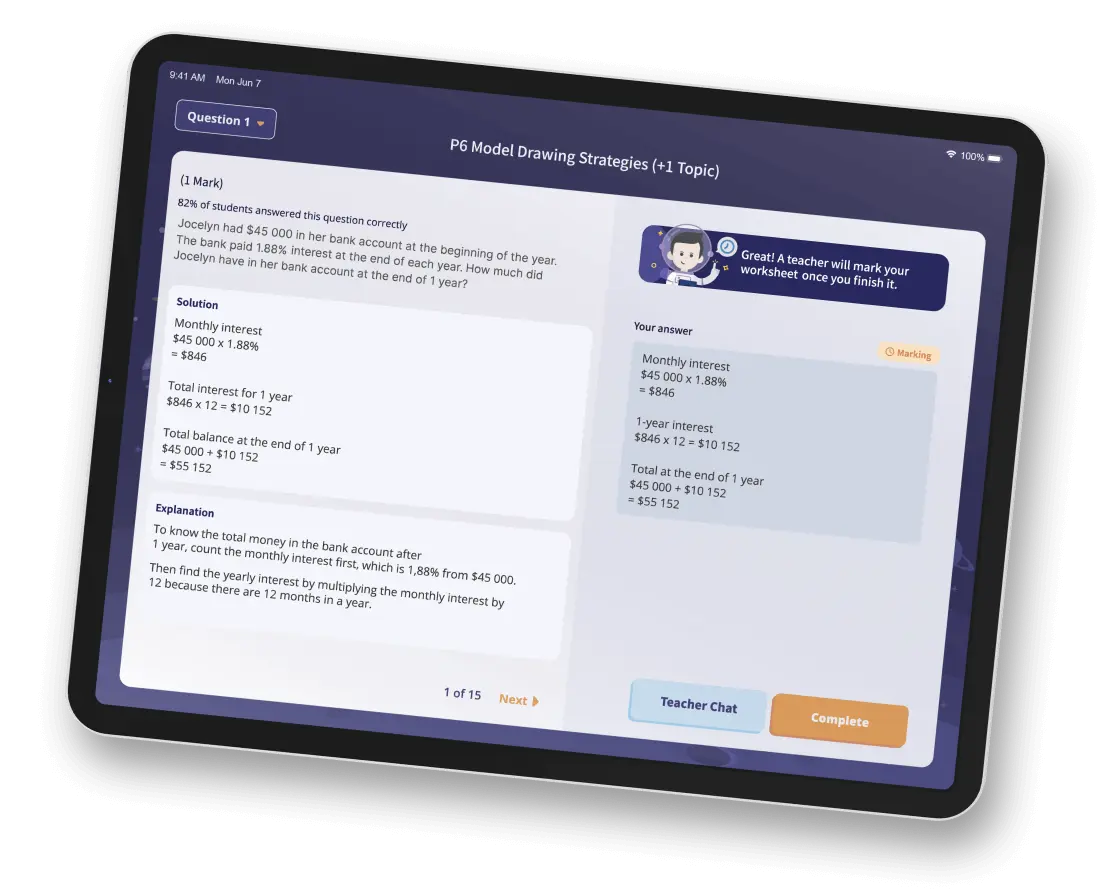
Platforms like Geniebook use diagnostics to pinpoint specific weaknesses, then provide bite-sized lessons and adaptive practice questions that complement a micro-habit schedule. If your child struggles with Synthesis and Transformation, the platform can generate targeted practice for that specific skill, making their 15-minute session incredibly efficient. A good primary English tuition centre, whether online or physical, should align with this philosophy of targeted, sustainable improvement rather than just adding more hours.
Is This a Replacement for Formal Tuition?
Think of it as a force multiplier. This daily routine makes formal Primary 6 English tuition or Primary 5 English tuition more productive. A child who practises grammar fundamentals daily will get much more out of a tutor's lesson on composition structure. They arrive prepared and confident, able to absorb higher-level strategies instead of struggling with the basics.
Ultimately, this 15-minute plan is an investment in self-sufficiency and confidence. It’s a practical step away from the burnout cycle and towards building a child who is an engaged, resilient and effective learner, ready for the PSLE and beyond.
Frequently Asked Questions
Is 15 minutes a day really enough to prepare for the PSLE English exam?
A consistent 15-minute daily micro-habit plan can be highly effective for PSLE English preparation because it builds skills systematically without causing burnout. This approach focuses on consistency over cramming, leading to better retention and confidence. Short, achievable daily tasks create momentum and a positive attitude towards learning, which is often more beneficial for a child's progress than long, infrequent study sessions.
How do I create a daily PSLE English revision plan for my child?
You can create a daily PSLE English revision plan by dedicating 15 minutes each day to a different core skill, such as grammar, contextual reading, writing, vocabulary and self-editing. The article suggests a sample weekly schedule: Monday for grammar rules, Tuesday for reading a short passage, Wednesday for a micro-writing sprint, Thursday for vocabulary in context and Friday for self-editing. This structured routine ensures all key components of the MOE syllabus are covered in manageable, bite-sized chunks.
Do we still need PSLE English tuition if we follow this 15-minute daily plan?
This 15-minute daily plan is designed to act as a force multiplier for formal tuition, not necessarily as a complete replacement. By building foundational skills and confidence at home, your child can get much more out of their lessons at a primary English tuition centre. A child who practises fundamentals daily arrives at their P6 English tuition or P5 English tuition sessions better prepared to learn advanced strategies instead of just catching up on basics.
How can online tuition support a daily micro-habit study schedule?
Online tuition platforms can powerfully support a daily micro-habit schedule by providing targeted, adaptive practice that makes each 15-minute session highly efficient. According to the article, platforms can use diagnostics to identify a child's specific weaknesses. For example, if a child struggles with Synthesis and Transformation, the online tuition system can generate practice questions specifically for that skill, complementing the daily grammar habits being built at home and making the most of their study time.