PSLE Subject-Based Banding (Full SBB) Guide: How AL Scores Determine Posting Groups 1, 2 & 3

Full Subject-Based Banding (Full SBB) uses your child's PSLE Achievement Level (AL) score to assign them to a Posting Group, which sets the starting level for their secondary school subjects. Unlike the old streaming system, this new PSLE banding allows students to take individual subjects at a higher level based on their specific strengths.
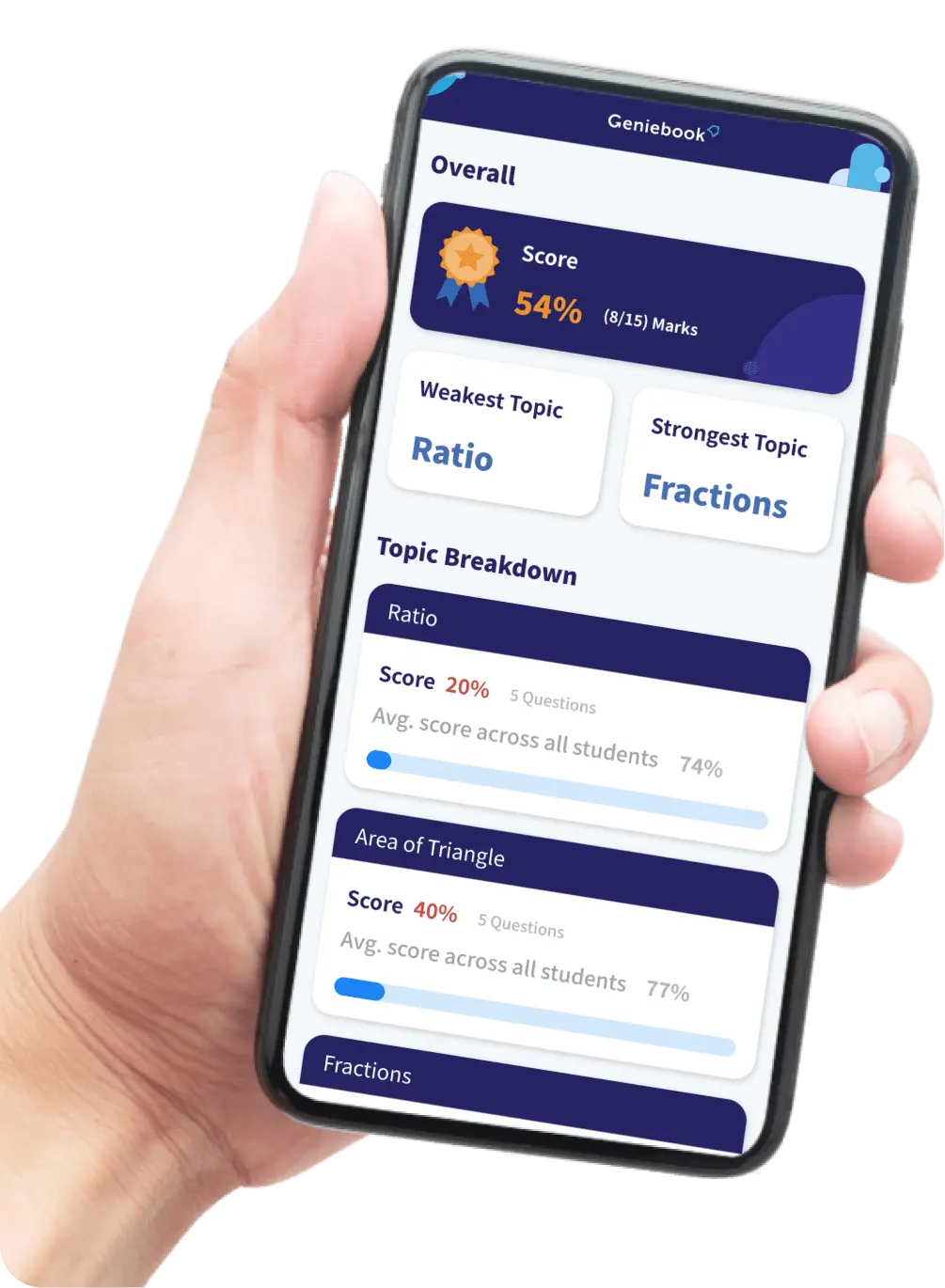
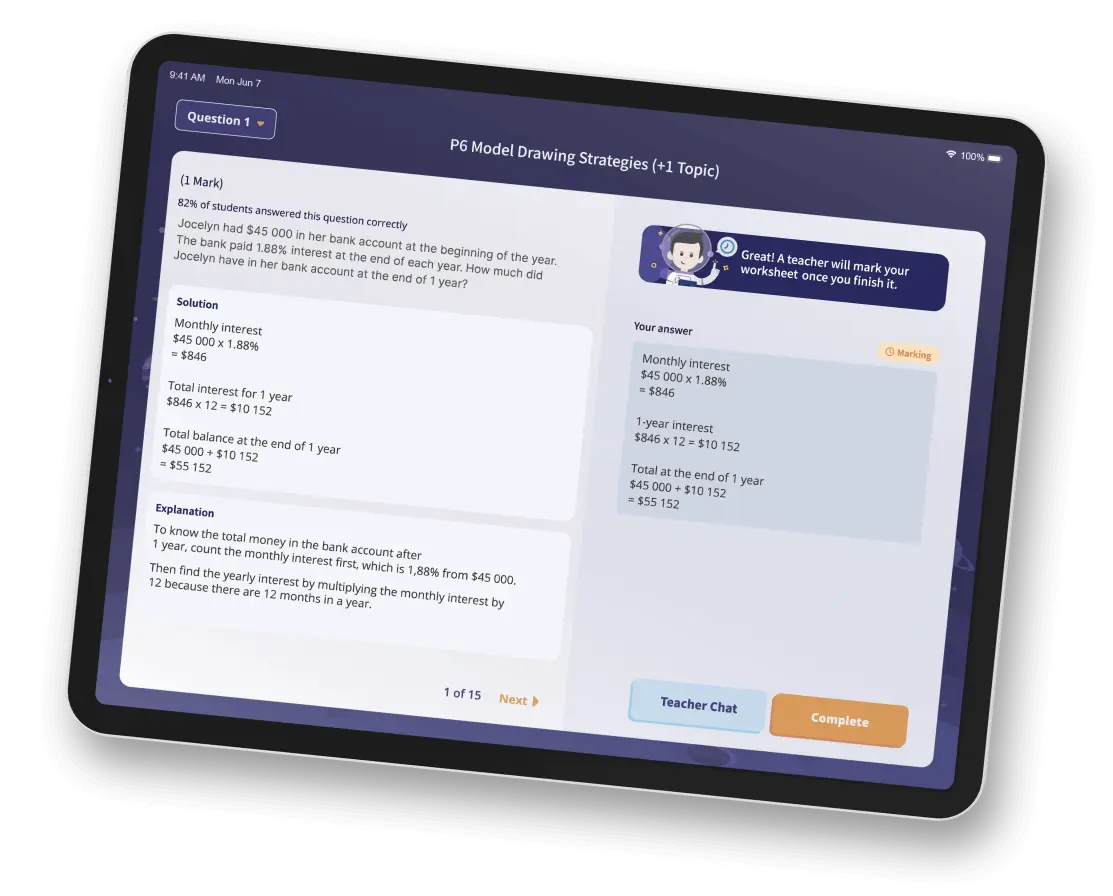
With the full rollout completed in 2024, the familiar Express, Normal (Academic) and Normal (Technical) streams are officially history. This is a fundamental shift in how we approach secondary education and it is normal to feel a bit lost. Let's break down exactly how it works for your child entering Secondary 1 in 2027. Personalised practice can help children work on their weaker topics at their own pace.
How Your Child's PSLE Score Determines Their Posting Group
The first step is your child's overall PSLE score, which is the sum of the four subject ALs and can range from 4 to 32. This total score places your child into one of three Posting Groups (PG1, PG2 or PG3). This Posting Group sets the default General (G) level for most of their academic subjects.
Here’s a clear breakdown of the PSLE score ranges and their corresponding Posting Groups:
| PSLE Score Range | Posting Group | Roughly Corresponds To | Default Subject Level |
|---|---|---|---|
| 4 to 20 | Posting Group 3 (PG3) | Express stream | G3 |
| 21 to 22 | PG2 or PG3 (Overlap Band) | Express / N(A) | G2 or G3 |
| 23 to 24 | Posting Group 2 (PG2) | Normal (Academic) stream | G2 |
| 25 | PG1 or PG2 (Overlap Band) | N(A) / N(T) | G1 or G2 |
| 26 to 30 | Posting Group 1 (PG1) | Normal (Technical) stream | G1 |
For the "overlap bands" (scores of 21-22 and 25), final placement depends on MOE's specific criteria for that year. It is always best to consult the latest Secondary 1 posting booklet when it becomes available for your child's cohort.
The Real Opportunity: How Individual ALs Unlock Higher-Level Subjects
This is where the new PSLE banding system truly shines. Your child is not locked into a single stream. A strong performance in a specific PSLE subject can qualify them to take that subject at a more demanding level right from the start of Secondary 1. This is the core of PSLE subject banding.
Here are the general MOE guidelines for eligibility:
- If your child is in PG2: An AL 5 or better in a Standard-level PSLE subject makes them eligible for that subject at the G3 level.
- If your child is in PG1: An AL 5 or better in a Standard-level PSLE subject qualifies them for the G3 level. An AL 6 in a Standard subject or an 'A' in a Foundation subject qualifies them for the G2 level.
For example, a student with a PSLE score of 24 is placed in PG2, starting most subjects at G2. But if they scored an AL 4 in Science, they are eligible to take Science at the more demanding G3 level. According to MOE data, approximately 65% of students from recent PG1 and PG2 cohorts were eligible to take at least one subject at a higher level.
Old Streaming Vs. New Subject Banding PSLE: A Quick Comparison
For parents who went through the old system, understanding the practical differences is key. The new PSLE banding changes the entire secondary school experience.
| Aspect | Old Streaming System (Pre-2024) | Full Subject-Based Banding (From 2024) |
|---|---|---|
| Class structure | Students were in fixed classes (e.g., Express, N(A)) for almost all subjects. | Students are in mixed-ability form classes for non-academic subjects like Art and PE. |
| Academic level | A student's stream determined the level for all their academic subjects. | Students can take subjects at different levels (G1, G2, G3) based on their individual strengths. |
| Social interaction | Interaction was mostly limited to peers within the same academic stream. | Encourages interaction with a wider range of peers with different interests and academic abilities. |
| Flexibility | Difficult to move between streams. | More flexible. Students can move up to higher G-levels as they progress if they meet school criteria. |
What This Means for Choosing a Secondary School in 2027
Your strategy for the S1 Posting Exercise needs to adapt. It is no longer just about matching a school's overall PSLE cut-off point. You should now also consider how a school implements Full SBB.
Ask questions during open houses. How does the school timetable facilitate students moving between G-level classes? What support systems are in place for students who wish to take on more demanding subjects? Since 2024, Full SBB has been implemented in nearly all secondary schools, including the final batch of 24 schools like Pasir Ris Secondary School. Only Integrated Programme (IP) schools and specialised schools like Crest and Spectra operate on a different model.
Final Thoughts for Parents
The shift to Full SBB and the new AL PSLE banding can seem complex. At its heart, however, the system is designed to recognise that every child has a unique mix of talents. It moves away from broad labels and towards a more personalised education, where a student strong in Mathematics isn't held back by their English grade. This approach empowers them to learn at a pace that is right for them, subject by subject.
Frequently Asked Questions
What Is the Difference Between the Old Streaming System and the New Full SBB?
The new Full SBB system replaces fixed academic streams like Express or Normal with a more flexible structure where students take individual subjects at different levels. In the Singapore education system, this allows students to learn at their own pace based on their personal strengths rather than being labelled by a single stream for all subjects.
How Does My Child's PSLE Score Determine Their Posting Group?
Your child's total PSLE score determines their designated posting group, which sets the default starting academic level for their secondary education. PSLE posting groups are categorised as PG1, PG2 or PG3 based on specific score ranges, and these groups define the baseline subject levels your child will encounter when they first enter secondary school.
How Can My Child Take G1, G2 or G3 Subjects at a Higher Level?
Students qualify to take G1, G2 or G3 subjects at a more demanding level if they achieve an AL 5 or better in that specific subject at the PSLE level. Following MOE SBB guidelines, this flexibility ensures that your child is not restricted by their overall posting group and can access advanced curriculum content in subjects where they show proficiency.
Does Secondary School Banding Change How I Should Choose a School?
Choosing a school now requires looking at how the institution manages secondary school banding, rather than just using the PSLE cut-off point as your only metric. Since almost all schools have adopted this system, you should investigate during school open houses how their specific scheduling and support systems facilitate students taking different subjects at varying levels.