3 Homework Habits That Quietly Cost Primary Marks
3 Homework Habits That Quietly Cost Primary School Marks
Three common homework habits quietly cost primary school marks. They are skipping working steps, copying answers without understanding and rushing through assignments superficially. For many working parents, these issues can go unnoticed until a test result reveals a deeper problem, often stemming from the environment where homework is done. A quality after-school programme like GenieHouse focuses on not just homework completion but on building the right academic habits, a crucial distinction in the landscape of student care in Singapore.
Why These Bad Habits Are So Easy to Miss
Your child brings home a completed worksheet. The answers seem mostly correct. It is easy to assume all is well, especially after a long day at work. However, homework's real value isn't the finished page. It is the cognitive process of getting there. Habits that short-circuit this process, like rushing or copying, create a false sense of security. They mask learning gaps that become painfully obvious during exams, when support systems aren't available.
Habit 1: Blank or Missing Working Steps
This is especially common in Mathematics. A child might do the calculations mentally or simply not see the point in writing them down, focusing only on the final answer. But in Singapore's MOE curriculum, the journey is just as important as the destination.
What's the Real Damage?
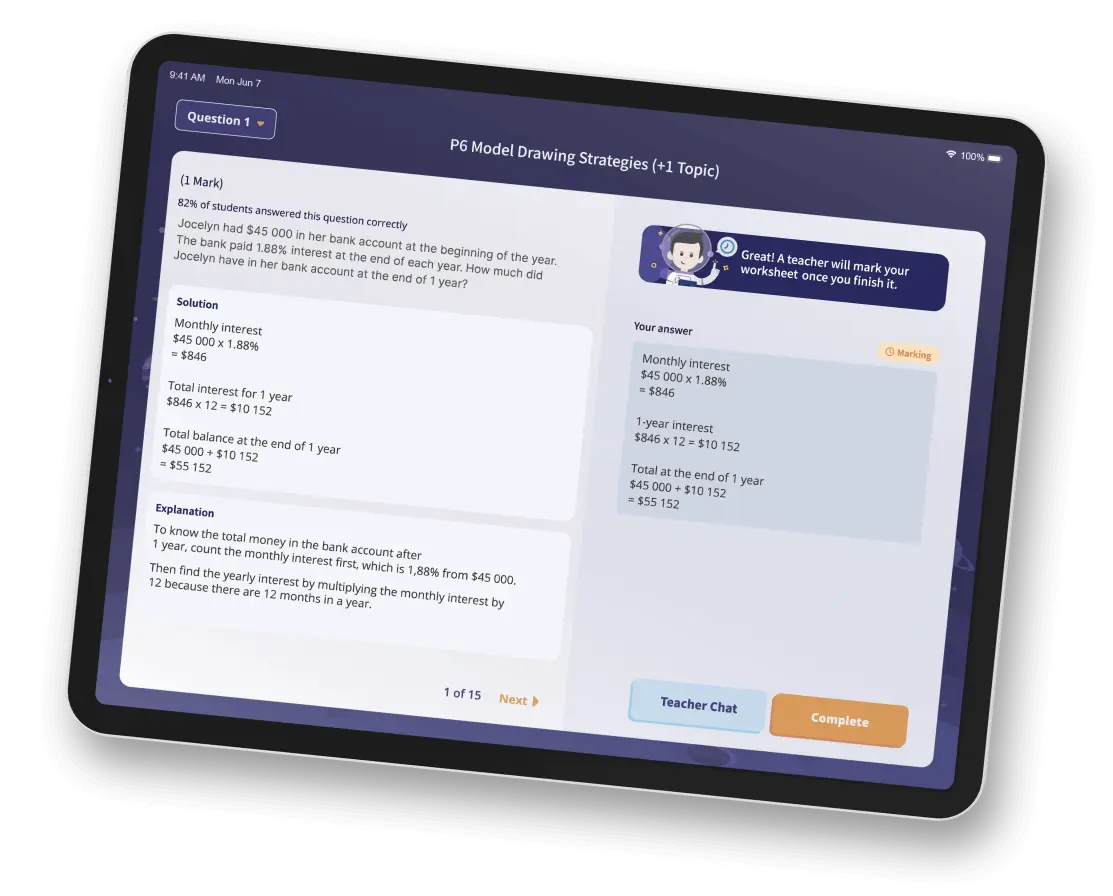
The biggest impact is the loss of method marks. Examiners award partial credit for correct steps even if the final answer is wrong. Without written working, a simple calculation error can turn a potential 2-mark question into a zero. More importantly, it makes it impossible for you or a teacher to see where the mistake happened. This prevents targeted help.
A Quick 5-Minute Check for Parents
Tonight, pick one or two multi-step Mathematics problems. Instead of asking if it is correct, say, "Show me how you got there." If your child struggles to explain their steps verbally, it’s a strong signal they aren't writing them down or thinking systematically. This simple question reveals more than a tick ever could.
Habit 2: Copying Model Answers Without Understanding
With answer keys readily available at the back of assessment books or from friends, the temptation to copy is high. The worksheet gets done, the teacher sees a completed assignment, but zero actual learning has occurred. This is passive compliance, not active problem-solving.
The Illusion of Completion
Copying creates an illusion of comprehension. The child believes they "know" the material because they wrote the correct answer. This is a dangerous trap. It prevents the development of independent problem-solving skills, which are critical for tackling unfamiliar questions in exam settings. It is the difference between being able to follow a recipe and actually knowing how to cook.
A Quick 5-Minute Check for Parents
Find a question your child answered correctly. Cover the answer and ask, "Can you explain the main idea behind this question?" For a Science question, what concept was being tested? For Mathematics, what was the first step and why? If they can only recite the answer but not the reasoning, it might indicate they didn't arrive at the solution on their own.
Habit 3: Rushing Homework in Ten Minutes
This is the habit of superficial engagement, where the goal is simply to get the task over with. The child might skim questions, guess answers and ignore anything that looks too challenging. This often leads to a cascade of careless mistakes.
The High Cost of "Careless Mistakes"
Rushing is the number one cause of careless errors: misreading questions, copying numbers wrongly from one line to the next or failing to sense-check an answer. As research has shown, these mistakes become significantly more consequential at Primary 5 and Primary 6. Avoiding difficult questions also means the child misses what educational research calls "cognitively demanding practice," which is essential for building mastery.
A Quick 5-Minute Check for Parents
Look at the completed work and ask, "Which was the hardest question on this page? Walk me through how you solved it." Their response will tell you everything. A child who genuinely tried will be able to describe their struggle and how they overcame it. A child who rushed and skipped it will have little to say.
Does Your Child's After-School Care Help or Hinder?
The quality of homework supervision can make all the difference. There is a critical gap between student care centres that offer "supervision-only care" and those that check for genuine academic understanding. A supervision-only environment might ensure the worksheets are filled out, but they often lack the trained staff to spot these three red-flag habits. The variability in the quality of student care in Singapore is a real concern for parents, as highlighted by past closures of centres due to deeper operational issues.
Which Student Care Centres Provide Homework Supervision and Academic Support?
Many providers, including GenieHouse and various other enrichment centres, offer homework support, but their approaches differ. The key is to find one that aligns with your academic goals for your child.
- GenieHouse focuses on actively checking for understanding, not just completion. Educators are trained to spot issues like missing working steps or rushed answers, providing immediate feedback to correct bad habits before they become ingrained. It is best for parents who want academic rigour integrated into after-school care.
- Other providers provide daily homework supervision along with school subject revision. This model offers a structured routine that is great for children who need consistent oversight and a quiet environment to complete their daily tasks.
- Specialised centres include tuition and enrichment within their after-school care programme, with academic subjects taught by specialist teachers. This all-in-one approach suits parents seeking intensive academic intervention alongside supervision.
Building Good Habits Starts Today
Correcting these habits isn't about spending hours re-teaching concepts. It’s about making small, consistent checks that signal to your child that the process of learning matters more than just a page of correct answers. By asking the right questions, you can turn a simple homework review into a powerful tool for building the strong academic foundations needed for PSLE and beyond.
Looking for an entirely different student care experience? Our latest launch, GenieHouse, is a student care service focused on AI-personalised learning for academic success. Contact us to book a site visit.
Frequently Asked Questions
Why Are Homework Habits Affecting My Child's Primary School Marks?
Bad homework habits like skipping working steps, copying answers and rushing assignments mask learning gaps that do not appear until major assessments. These habits create a false sense of security where work appears completed, but no actual cognitive processing or long-term retention has occurred. This leads to lower primary school marks during examinations when students must rely on their own problem-solving abilities.
How Can I Tell if My Child Is Rushing Through Their Homework?
You can identify if your child is rushing by asking them to explain the hardest question on their page. A child who has engaged deeply with the material will be able to describe their struggle and the steps they took to overcome it, whereas a child who rushed will often have little to say or struggle to articulate any part of the process.
What Are Some Parent Tips to Check if My Child Understands Their Homework?
Useful parent tips to verify understanding include asking your child to walk you through how they arrived at a specific answer or requesting they explain the main concept behind a question. If your child can only recite the final answer without explaining the reasoning or the specific mathematical steps involved, it often indicates they copied the solution or guessed without truly learning the topic.
Do I Need to Find Extra Academic Support for My Child After School?
Whether you need extra academic support depends on the quality of your current after-school care and your child's specific needs. Some centres focus strictly on supervision to ensure worksheets are finished, while others offer more robust academic support by checking for understanding and correcting bad homework habits. This can be essential for children who struggle to stay disciplined during independent study.
How Can Proper Homework Help Improve Grades in the Long Term?
Proper homework help improves grades by transforming assignments into opportunities for building mastery rather than just tasks to be completed. By ensuring that students show their working steps, explain their reasoning and spend adequate time on challenging problems, they develop the independent problem-solving skills required to navigate difficult questions in high-stakes tests like the PSLE.