A 5-Day Homework and Play Routine You Can Start Monday

Why a Structured Routine Matters More Than You Think
As children move into Primary 4, 5 and 6, the academic load increases, CCAs demand more time and the pressure builds. Without a predictable structure, afternoons can devolve into a chaotic mix of unfinished homework, screen time negotiations and last-minute rushes. A consistent routine does more than just get tasks done. It reduces decision fatigue for everyone, fosters a sense of independence in your child and carves out protected time for both focused work and essential, unstructured play.
The Anatomy of an Effective After-School Schedule
A successful schedule is not about packing every minute with activity. It is about creating a predictable flow that aligns with a child's natural energy levels. The goal is to complete homework without late-night drama and ensure they get at least 60 minutes of real playtime.
The Arrival & Transition (3:00 to 4:00 PM)
The moment they walk through the door is a crucial reset button. Instead of jumping straight into homework, allow for a period of decompression. This block should include a healthy snack and a brief, non-screen-based rest. It is a time to recharge after a long day of structured learning at school.
The Peak Homework Window (4:00 to 5:00 PM)
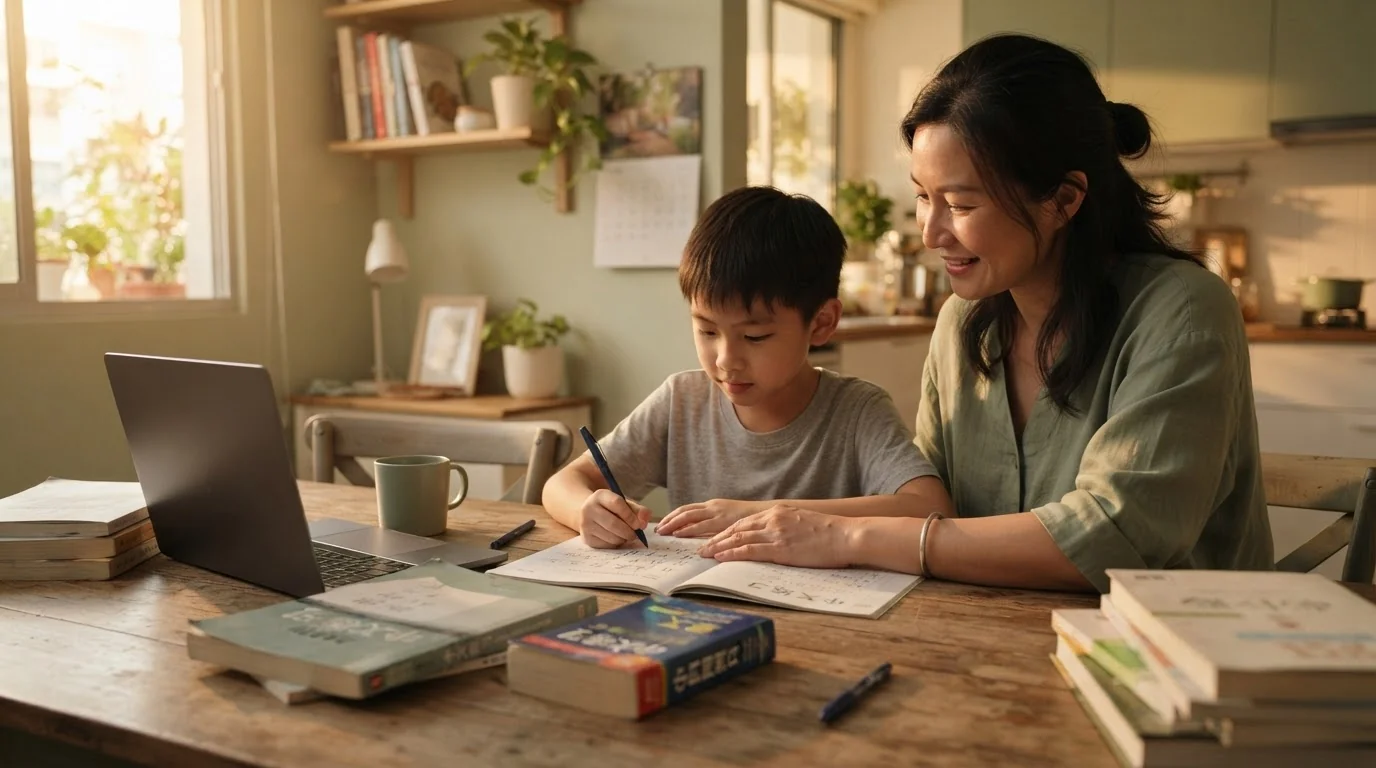
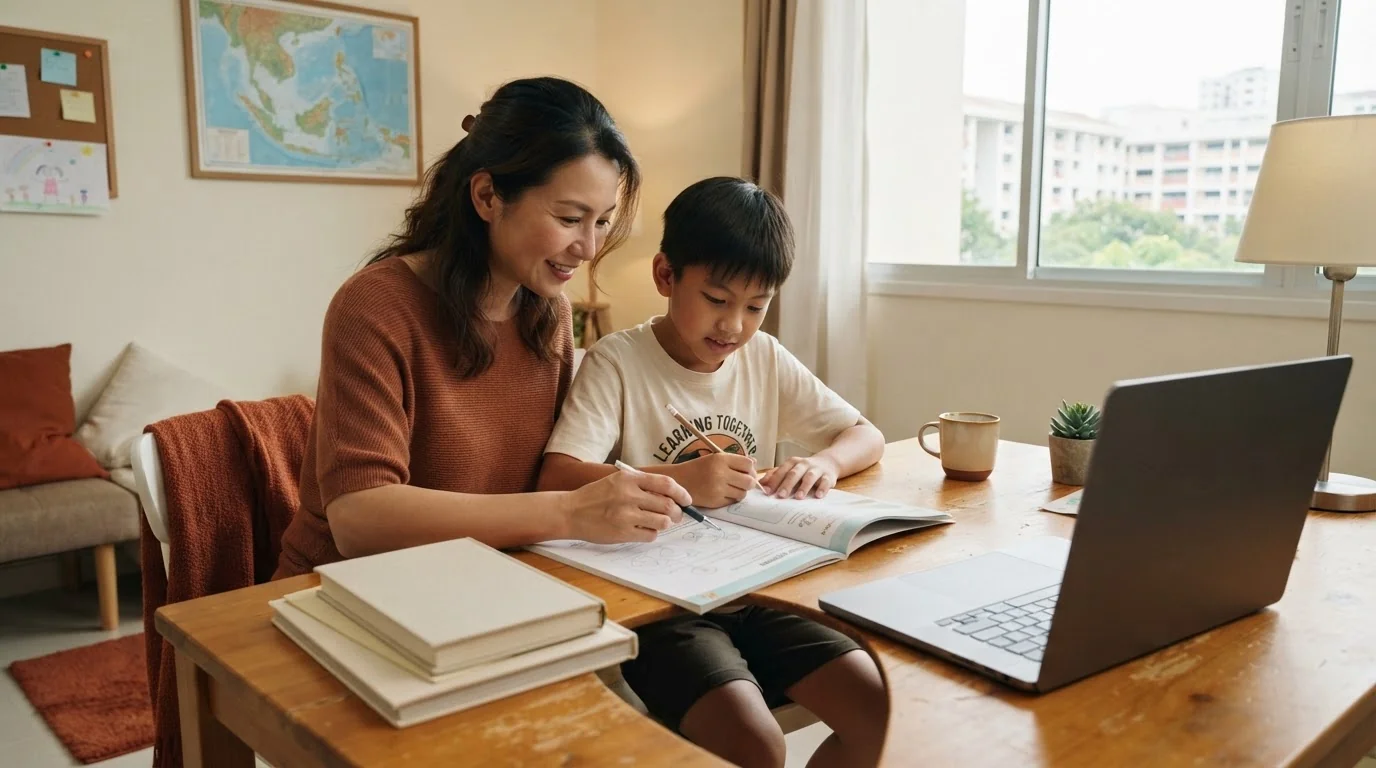
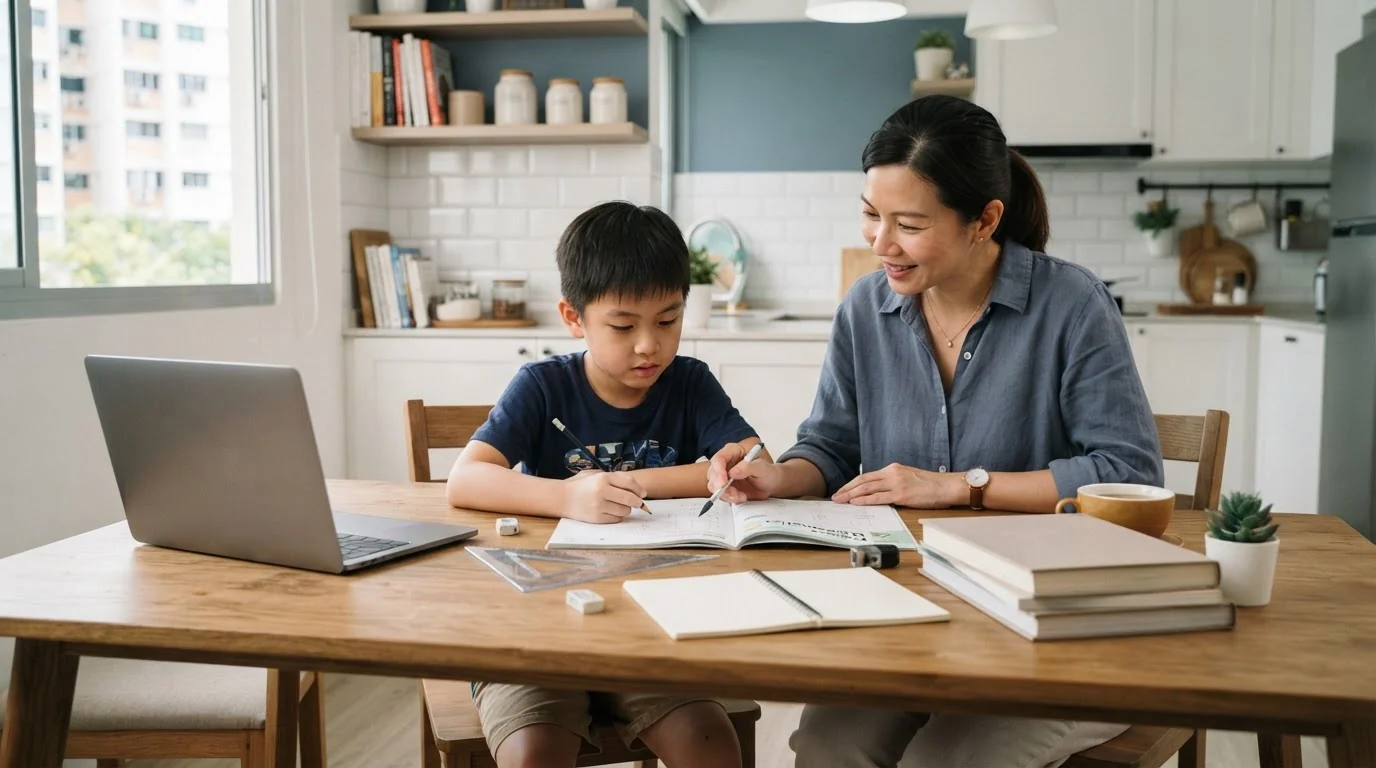
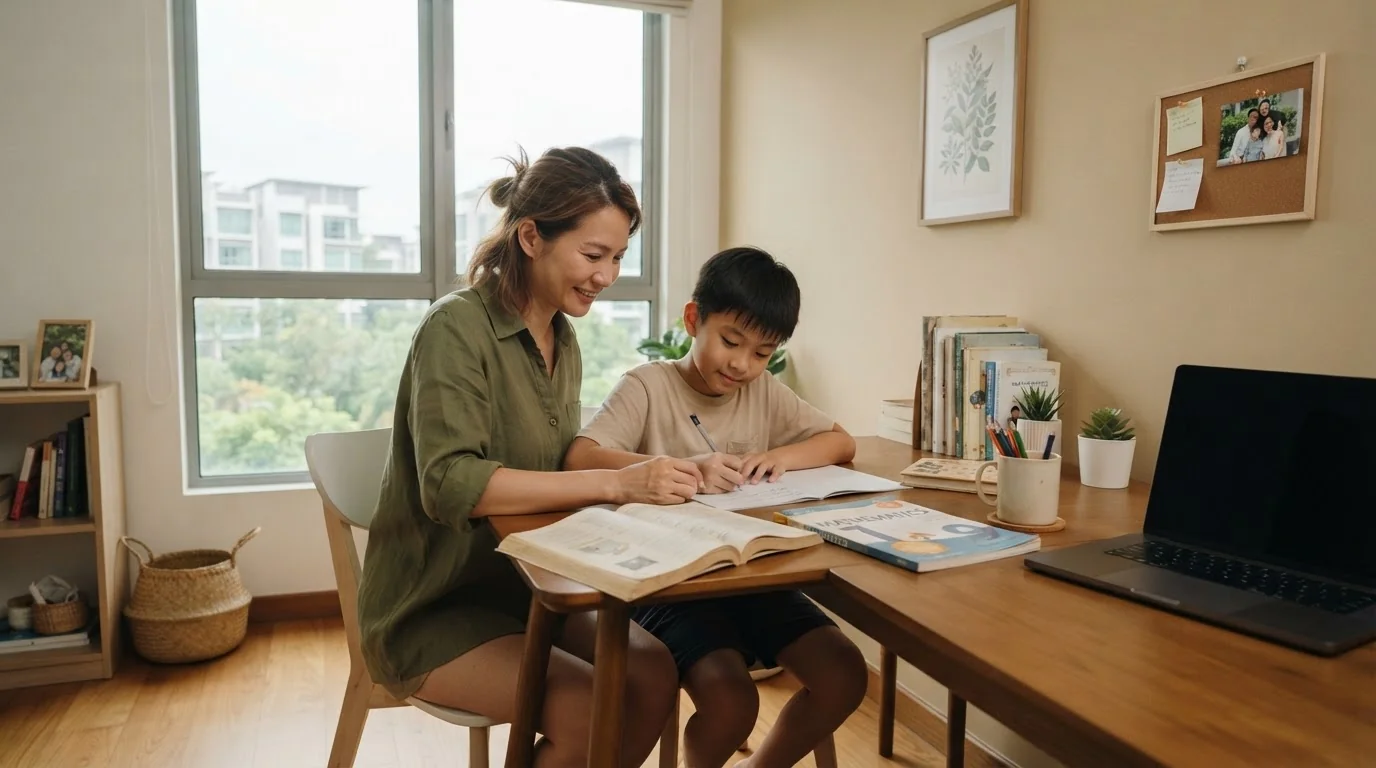
Research suggests that children aged 6 to 12 are typically at their most alert for academic tasks between 4:00 to 5:00 PM. This is the sweet spot. Capitalise on it by scheduling homework during this hour. For children who struggle with long periods of focus, break this window into smaller, 20-minute chunks with short movement breaks in between.
Guarding the 'Golden Hour' of Play (5:00 to 6:00 PM)
This is non-negotiable. An hour of unstructured play, such as running at the playground, building with LEGO, drawing or imaginative games, is critical for cognitive development, social skills and stress relief. A good routine actively protects this time, treating it with the same importance as homework.
Dinner and Wind-Down (From 6:30 PM)
Dinner marks the shift to the evening. After the meal, the routine should flow into a calm wind-down: clearing the table, packing the school bag for the next day, a bath and reading a book together. This predictability signals to the brain that it is time to prepare for sleep, leading to a better night's rest and a smoother morning.
A Practical 5-Day Rollout Plan
Implementing a new routine takes patience. You cannot just post a chart on the fridge and expect immediate compliance. Use a gradual, supportive approach over the first week.
- Monday (Day 1): Orientation. Walk through the entire new schedule with your child. Point to each block on a visual chart. Explain the flow: “After your snack, we’ll do homework for a bit and then it’s straight to the playground.” There is no pressure to enforce it perfectly today.
- Tuesday & Wednesday (Days 2-3): Prompting. Actively guide them through the routine. Use verbal cues and point to the chart. Ask, “What comes next after you finish your drink?” The goal is to build muscle memory.
- Thursday to Friday (Days 4 to 5): Stepping back. Gradually reduce your direct prompting. Let them take the lead. This transition builds their autonomy and ownership of the schedule.
What If My Child Is in an After-School Centre?
For many working parents, an after-school centre is a necessity. The landscape of student care in Singapore has evolved significantly. It is no longer just about basic supervision. As reported in The Straits Times, there is a growing focus on holistic development, with providers piloting initiatives to integrate learning with play.
However, quality can vary. The sudden closure of some centres, which left staff with unpaid salaries and required MOE to appoint new operators for schools, highlighted what the Singapore Union of Workers in Education called “deeper structural issues” in the sector. It is a reminder for parents to look closely at a centre's daily timetable. Does it sacrifice play for endless worksheets? Is there a balance? A well-run programme, like what is offered at GenieHouse, will have a clearly defined structure that mirrors the principles of a balanced routine: time for rest, focused homework and enriching activities.
Which Student Care Centres Provide Homework Supervision and Academic Support?
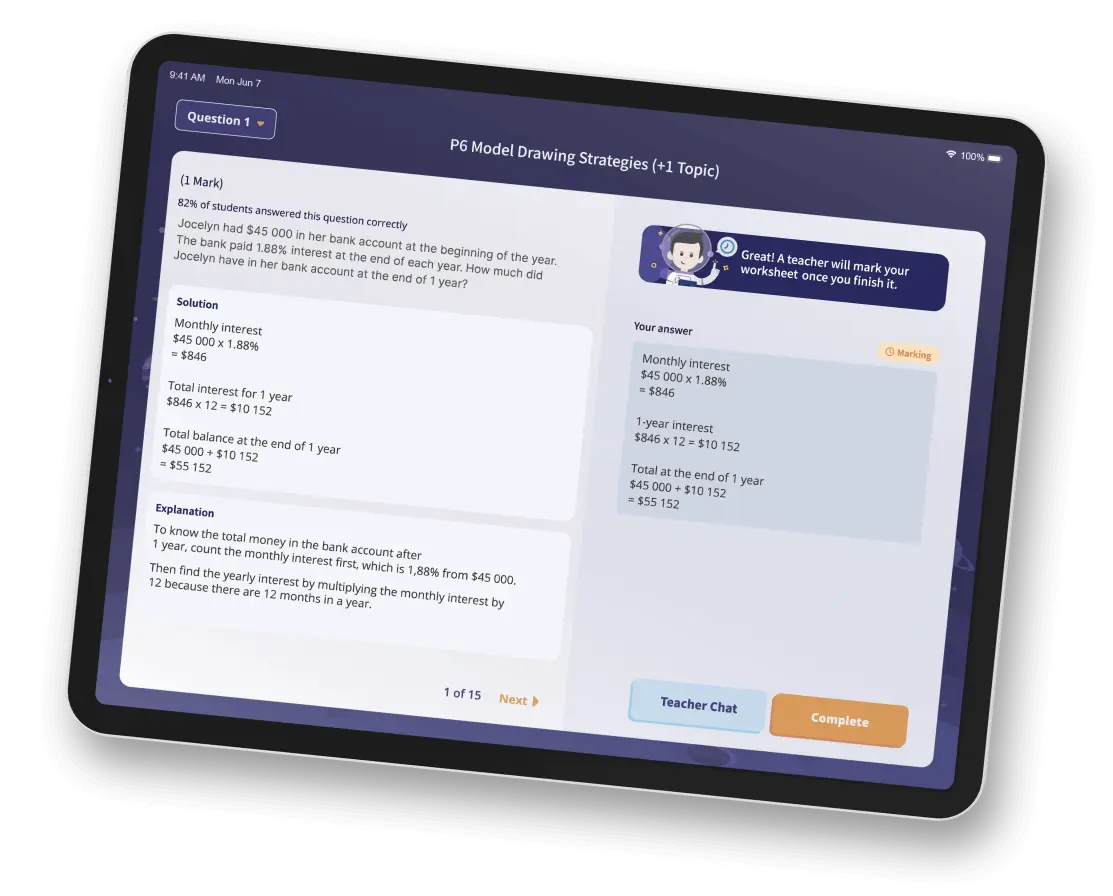
Several centres offer a blend of homework help and academic enrichment. GenieHouse provides daily homework supervision along with access to its AI-powered learning platform, which includes personalised worksheets, live classes and a teacher chat function. This suits parents seeking an integrated academic programme that goes beyond simple supervision. For comparison, some centres offer daily homework supervision and school subject revision, making them a strong choice for parents needing reliable homework oversight. Others integrate tuition and enrichment with a research-backed curriculum, which is ideal for families looking for a more structured, curriculum-driven approach.
Customising the Routine: Visual Aids and Flexibility
A one-size-fits-all schedule does not exist. The best routine is one you can stick to. Use a visual schedule maker with pictures to help your child see the day's flow at a glance. Be prepared to be flexible. CCA days or a friend's birthday party will require adjustments. The routine is a framework, not a prison.
Remember to factor in screen time limits. Paediatric experts recommend no more than 1 to 2 hours of recreational screen time per day for this age group. By building a predictable and balanced after-school routine, you give your child the structure they need to thrive academically and the freedom they need to just be a kid.
Related articles and locations:
- Student Care Fees Singapore 2026 SCFA Guide
- GenieHouse Bishan
- GenieHouse Ang Mo Kio
- GenieHouse Bukit Timah
- GenieHouse Sembawang
- GenieHouse Marine Parade
- GenieHouse Novena
- GenieHouse Tampines
Looking for an entirely different student care experience? Our latest launch, GenieHouse, is a student care service focused on AI-personalised learning for academic success. Contact us to book a site visit.
Frequently Asked Questions
What Is the Best Time for My Child to Do Homework After School?
Research suggests that the peak homework window for primary school children is between 4:00 PM and 5:00 PM. This is when most children aged 6 to 12 are at their most alert for academic tasks. If your child struggles with long sessions, you can break this hour into 20-minute chunks with short movement breaks in between to maintain their focus.
How Can I Create a Balanced After-School Routine for My Primary School Child?
A balanced after-school routine should prioritise a predictable flow that includes decompression time, focused academic work and at least 60 minutes of unstructured play. You can start by implementing a transition period immediately after your child arrives home, followed by a dedicated homework slot and finally a wind-down routine in the evening to prepare for sleep. Using a visual chart can help your child understand the schedule and reduce daily decision fatigue.
Why Is It Important to Include Unstructured Play in My Child's Daily Schedule?
Unstructured play is critical for a child's cognitive development, social skills and stress relief. Whether it is running at the playground, building with blocks or engaging in imaginative games, this 'golden hour' of play acts as a necessary reset button. Protecting this time is just as important for their overall well-being as ensuring they complete their homework assignments.
What Is a Good Way to Introduce a New Homework Routine to My Child?
The best approach to introduce a new homework routine is through a gradual 5-day rollout plan that moves from orientation to independence. On Monday, walk through the schedule using a visual aid, then actively guide your child through the steps on Tuesday and Wednesday using verbal prompts. By Thursday and Friday, you can begin stepping back to let them take the lead, which builds ownership and autonomy over their own schedule.
How Do I Manage My Child's Homework If They Attend an After-School Centre?
If your child attends an after-school centre, you should review their daily timetable to ensure it balances homework supervision with rest and enrichment activities. High-quality centres often provide dedicated time for homework oversight and school subject revision. Look for providers that offer a structure mirroring a healthy home routine, which includes designated time for academic tasks alongside opportunities for physical activity and downtime.
How Do I Customise a Daily Schedule for a P4 or P6 Student?
Customising a P4 to P6 schedule requires flexibility, as you must account for specific CCA days, project deadlines and social engagements. Treat the routine as a framework rather than a rigid set of rules and be prepared to adjust blocks of time as needed. For older primary students, you can use a visual planner to help them visualise their workload and ensure they remain within healthy screen time limits while meeting their academic responsibilities.