PSLE English: Grammar Cloze and Editing Mistakes That Cost Marks—and How to Fix Them

Why Do Good Students Still Lose Marks in Grammar Cloze and Editing?
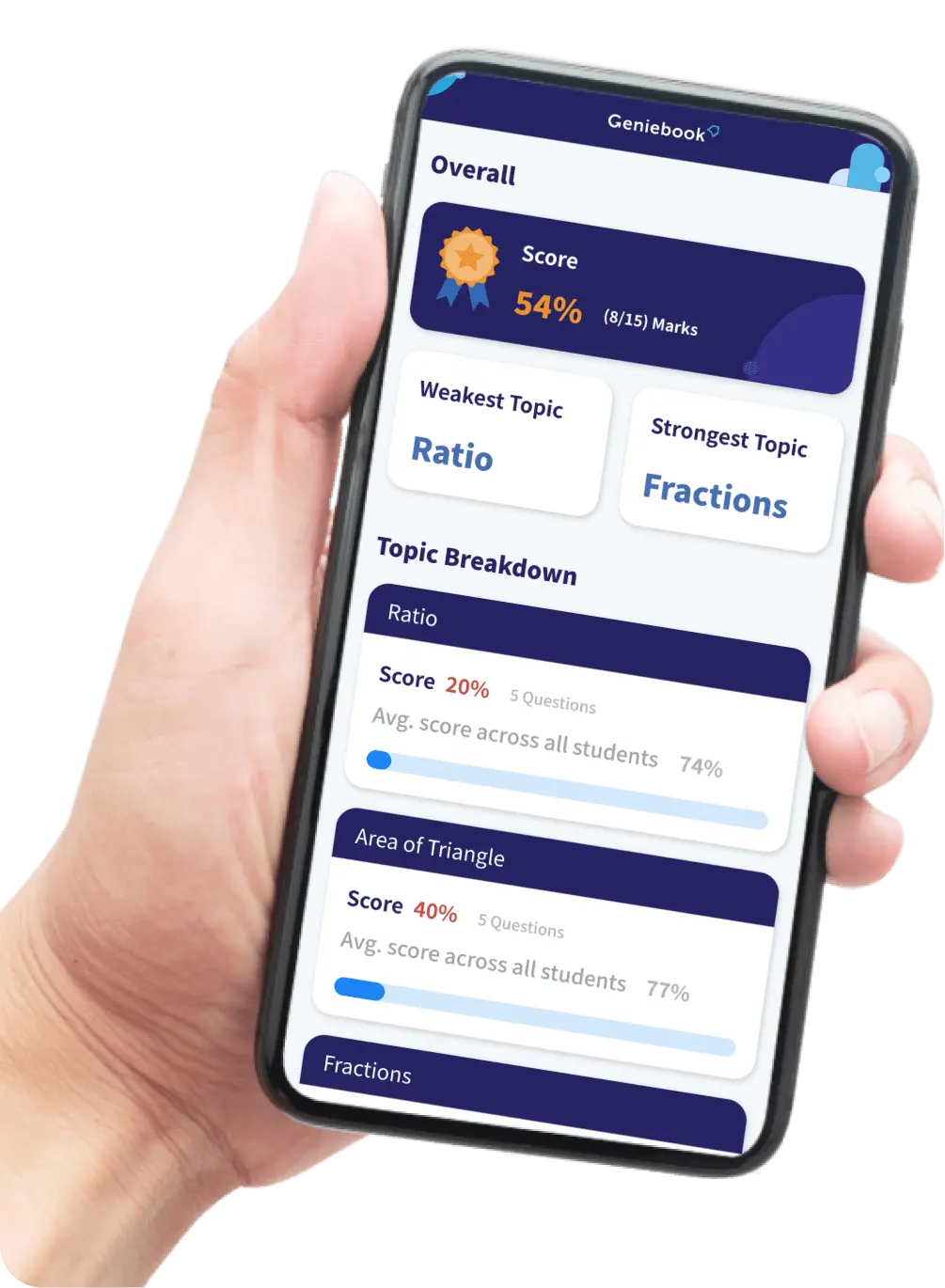
The most common errors in PSLE English Paper 2, particularly in Grammar Cloze and Editing, are not random. They are recurring patterns rooted in conceptual gaps, often mislabelled as 'careless mistakes'. Understanding this distinction is the first step to securing these crucial marks, a process where quality Primary English tuition can make a significant difference. Instead of simply doing more practice papers, a targeted approach is needed and many parents are finding that the diagnostic tools available through online tuition can help pinpoint these specific weaknesses.
What Are the Most Common Grammar and Editing Errors in PSLE English?
After decades in the field, I see the same handful of high-impact errors appearing year after year in the PSLE. They often seem simple, which is why they are so frustrating for parents and students. But their recurrence signals a weak foundation in core English principles.
-
Subject-Verb Agreement (SVA): This is the most frequent culprit. The rule is simple: a singular subject needs a singular verb. Yet, tricky sentence structures can easily confuse students. For example, "One of the boys is here," not "One of the boys are here."
-
Tense Inconsistency: Students often start a story in the past tense and unconsciously switch to the present tense midway through. This is a major error in both composition and cloze passages. Consistency is key unless there's a specific narrative reason for a shift.
-
Preposition Errors: The choice between 'in', 'on' and 'at' can seem arbitrary to a young learner. For example, we live 'in' a country but 'at' a specific address. These require memorisation and contextual practice.
-
Commonly Misspelt Words: From 2025, the SEAB Editing section allocates a full 5 out of 10 marks to spelling. Words like 'necessary', 'accommodation' and 'occasionally' consistently trip students up.
-
Singlish Interference: The grammatical patterns of colloquial Singaporean English can creep into formal writing. This isn't about accent; it's about sentence structure. For instance, writing "He can make it, is it?" instead of "Can he make it?"
Beyond 'Careless Mistakes': A Framework to Fix Errors Systematically
The solution isn't just about endless drills. It's about smart diagnosis. A 2026 IPS study noted that while 84.9% of parents believe tuition gives their children a PSLE advantage, the effectiveness of that help depends on the method. Simply repeating mixed practice without identifying the root cause is inefficient. A more effective strategy is the 'Smart Mistake Audit', a system any parent can use at home.
The 4-Step Smart Mistake Audit
Instead of just correcting a wrong answer, this method helps you and your child understand the 'why' behind the error. It transforms mistakes from a source of frustration into valuable data.
- Collect: Gather your child's last 3-4 English practice papers or worksheets.
- Classify: Create a simple log. For each error in the Grammar Cloze and Editing sections, categorise it. Is it SVA? Tense? Spelling? A wrong preposition?
- Analyse: After logging about 20-30 errors, look for a pattern. You will almost certainly find that one or two error types account for over half the mistakes. This is your target.
- Target: For the next two weeks, focus practice exclusively on that specific error type. Use short, 5-minute daily drills instead of another full-length paper.
An Example of a Mistake Audit Log
| Error | Error Type | Correction |
|---|---|---|
| The team of players were training hard. | Subject-Verb Agreement | The team... was training hard. |
| I was walking home and I see a cat. | Tense Inconsistency | ...and I saw a cat. |
| We recieved the parcel. | Spelling | We received the parcel. |
How to Structure Practice for the PSLE 2027 Cycle
With the Editing section now explicitly worth 10 marks (5 for grammar, 5 for spelling), it has become a predictable and 'gettable' component. Mastering it is non-negotiable for a good grade. This is where a skilled primary English tutor or a structured programme can provide immense value, especially for Primary 5 English tuition, where these foundational habits are built.
Pro-Tip 1: The Verb Hunt
To fix tense inconsistency, have your child read a cloze passage or a composition they've written and circle every single verb. Then, check if they are all in the correct, consistent tense. This active, tactile method makes them conscious of their choices.
Pro-Tip 2: Micro-Drills for Spelling
Don't just write out misspelt words 10 times. For a word like 'necessary', focus on the tricky part: one 'c', double 's'. Create a short daily quiz of 5-10 commonly misspelt words. This spaced repetition is far more effective for long-term recall.
Is Smarter Practice the Key to Reducing Exam Stress?
The pressure on students is undeniable. With average monthly spending on tuition reaching $500 according to recent reports, parents are invested in seeing results. However, the goal of any good primary English tuition centre shouldn't be to add more homework but to make the existing effort more effective. By moving away from a 'more is more' mentality to a diagnostic and targeted approach, we can build both competence and confidence.
This shift from brute force to precision is at the heart of modern learning. Whether through a dedicated teacher or an adaptive online tuition platform, identifying and fixing the specific root of an error is the most direct path to improvement. It helps a child preparing for Primary 6 English tuition feel in control, turning a vague sense of 'being bad at grammar' into a clear, manageable action plan to master specific skills for their PSLE.
Frequently Asked Questions
Why do students keep making the same mistakes in PSLE English?
Students often repeat the same errors because they have underlying conceptual gaps rather than simply making careless mistakes. These recurring patterns usually stem from a weak foundation in core English principles, such as subject-verb agreement or tense consistency. Instead of treating these as random slips, students should diagnose the specific root cause and engage in targeted practice rather than just doing more papers.
How can I improve my child's score in PSLE Editing?
Improving your child's score in PSLE Editing involves moving beyond brute-force repetition to a system of identification and targeted practice. Since the editing section allocates 10 marks total, split between grammar and spelling, students should focus on identifying their specific weaknesses through a mistake audit. Using micro-drills to master commonly misspelt words and practising tense consistency through a verb hunt are effective strategies to secure these marks.
What are the most common primary school English errors to watch out for?
The most common errors observed in SEAB English papers include subject-verb agreement issues, tense inconsistency within a passage, misuse of prepositions and persistent spelling mistakes. Additionally, the interference of colloquial Singapore English grammar in formal writing often causes students to lose marks on sentence structure. Identifying which of these specific categories a student struggles with most is key to improving their performance in PSLE Grammar Cloze and Editing.
How do I stop my child from making careless mistakes in PSLE Grammar Cloze?
You can reduce careless mistakes by implementing a Smart Mistake Audit, which requires collecting recent practice papers, classifying errors by type and analysing them for patterns. Once you identify that a student is struggling with a specific rule, such as subject-verb agreement or preposition usage, you should focus exclusively on that topic for two weeks. This shifts the focus from mindless drilling to diagnostic practice, which builds both competence and confidence before the examination.
What is the best way to practise for the spelling component of PSLE English?
The best way to prepare for spelling is to move away from rote copying and adopt spaced repetition techniques like short daily quizzes. Instead of writing out a word ten times, focus on the specific tricky parts of the word, such as the double letters or vowel patterns in commonly misspelt words like 'necessary' or 'accommodation'. This targeted, active recall method is significantly more effective for long-term memory retention during the PSLE English tips preparation phase.