Why Kids Resist Chinese and How Home Routines Can Help

Why Do Children Really Say “I Hate Chinese”?
Many Singaporean parents, facing this struggle, immediately consider more primary Chinese tuition. However, the root of the problem is rarely academic. It is often emotional. Understanding the ‘why’ behind the resistance is the first step to solving it.
The Fear of Failure
For a child raised in an English-dominant environment, Chinese can feel impossibly hard. The tonal system, the complex characters and the different grammatical structures create an expectation of failure before they even begin. When the first few attempts involve difficult tasks like forming full sentences, this fear is quickly confirmed, leading to a shutdown.
The Need for Control
“I hate Chinese!” is often a declaration of independence. Psychologists call this “reactance”: a natural response to a perceived threat to personal freedom. When learning is forced, a child’s brain does not just resist the subject. It resists the feeling of being controlled. This is not defiance for its own sake. It is a child asserting their identity against parental and societal expectations. Forcing the issue through coercion is proven to deliver poorer results, creating a permanent negative link to the language.
The Shadow of Academic Pressure
Despite MOE’s moves to ease academic stress, the pressure cooker environment in Singapore is undeniable. A recent Straits Times survey found that a staggering 84.9% of parents believe tuition gives their child an edge for the PSLE. This “education arms race” turns Chinese from a living language into just another high-stakes exam subject, adding another layer of anxiety that fuels resistance.
How Can Home Routines Change a Child's Mindset?
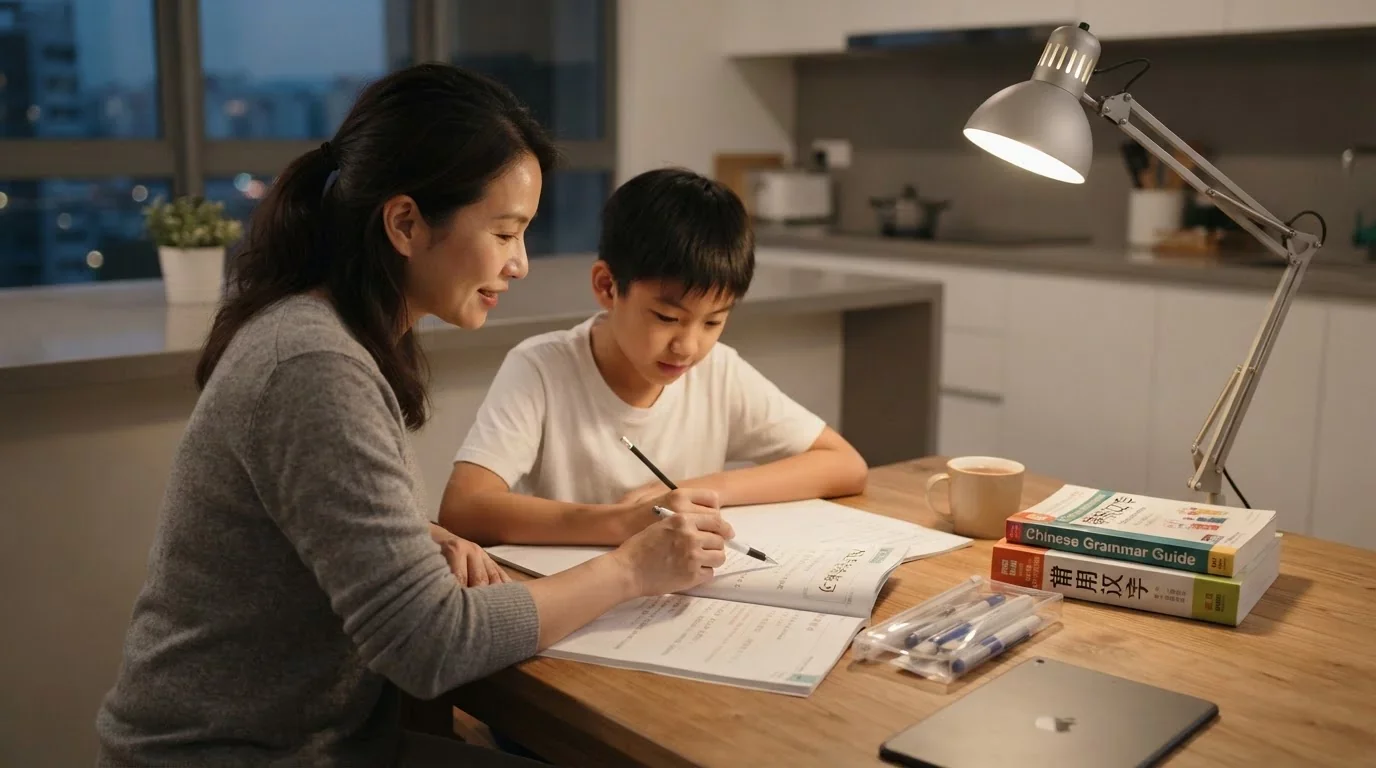
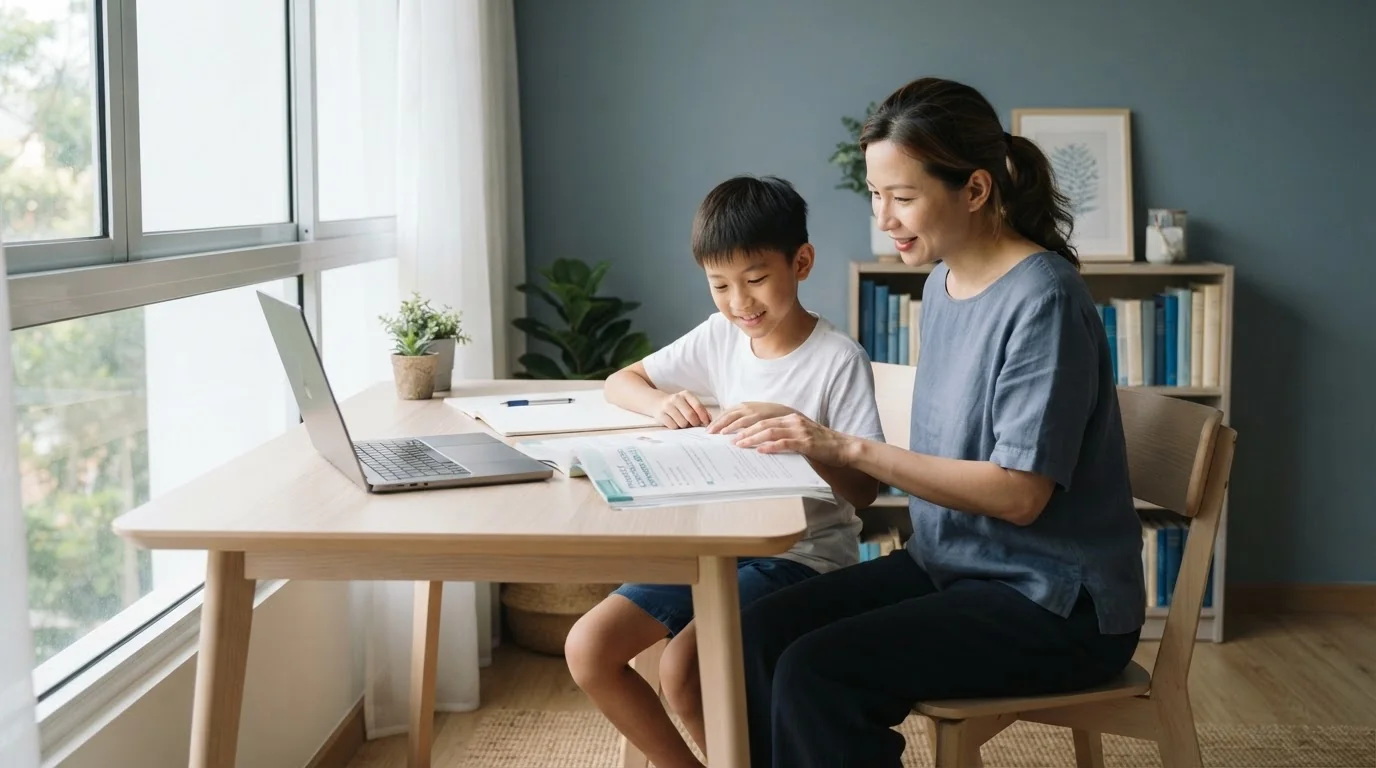
The solution is to shift the goal from academic performance to positive exposure. By integrating low-friction, non-academic “micro-habits” into daily life, you can decouple Chinese from stress and rebuild a positive association. The best part? You do not need to be a fluent Mandarin speaker to do this.
Start with Small, Predictable Wins
Instead of asking your child to explain a complex idea, start with something small and achievable. Ask them to name three fruits in Chinese (苹果, 香蕉, 橙) while you’re at the supermarket. Success builds confidence. Attach these small tasks to existing routines: like mealtimes, car rides or bedtime stories, so it does not feel like another item on the to-do list. Consistency is far more effective than intensity.
Decouple Chinese from Homework and Tests
Make Chinese a source of fun, not just marks. This means embracing non-academic immersion:
-
Audio immersion: Play Chinese audiobooks or songs during car rides. You can pause and ask simple questions like “她在做什么?” (Tā zài zuò shénme? What is she doing?) to encourage active listening.
-
Screen time for good: Switch their favourite cartoons to Mandarin. Many children take to this immediately, absorbing the language through a medium they already love.
Create Low-Stakes “Language Zones”
Designate a specific time or place: like the 15-minute drive to school or the first 10 minutes of dinner, as a “Chinese-only zone”. Keep it playful and positive. At first, your child might resist or stay silent. That’s okay. You can lead by example, using simple words, pointing and gestures. Accept mixed English and Chinese responses. The goal is to normalise the language in a safe environment, not to achieve perfect grammar.
A Practical 4-Week Plan for Any Parent
Here is a simple, actionable plan to get started, even if your own Mandarin is rusty.
-
Week 1: Audio immersion. Your goal is to normalise the sounds of Mandarin. Play Chinese children's songs or an audiobook for 15 minutes during every car ride. Don’t quiz them. Just let the sounds become familiar.
-
Week 2: Visual context. The goal is to connect sounds with meaning. Watch one 20-minute episode of a simple Chinese cartoon (like Peppa Pig in Mandarin) together three times this week. Use English subtitles if needed, and point out objects on screen.
-
Week 3: One-word wins. Encourage simple verbal production. Label five common household items (e.g. door 门, table 桌子) with sticky notes. During the day, playfully ask “这是什么?” (zhè shì shén me?) when you pass them.
-
Week 4: The language zone trial. Create a routine. Announce that for the first five minutes of dinner each night, the family will try to only use whatever Chinese words they know. Make it a fun game, not a test.
When Is It Time for Professional Help?
Home routines build a crucial foundation of positivity and curiosity. Once that foundation is in place, structured learning can be incredibly effective. The key is to find the right fit. Forcing a child into a disliked primary Chinese tuition centre can undo all your hard work at home by reinforcing negative associations.
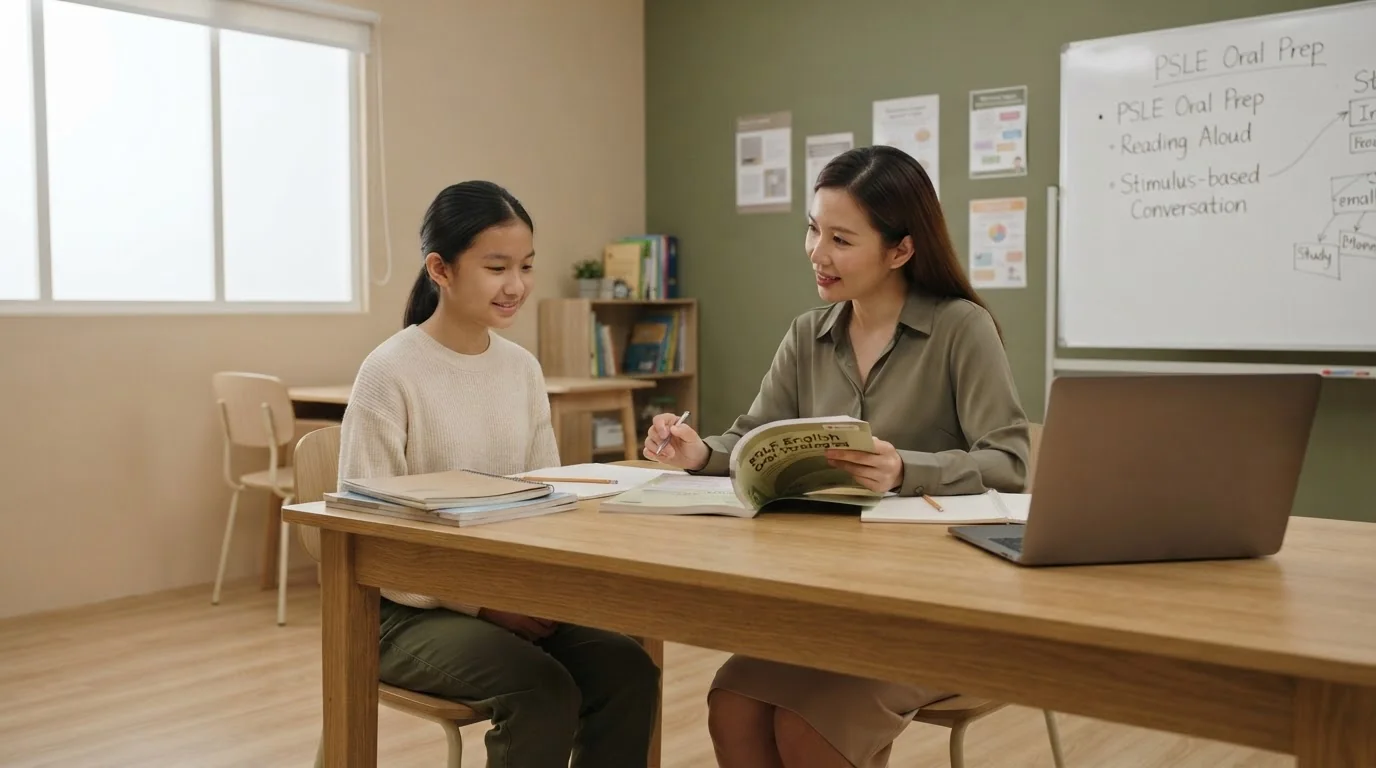
This is where finding a good tutor or programme becomes essential. A flexible online tuition platform, for instance, can offer one-on-one lessons with engaging teachers who can tailor their approach to your child's personality and interests. The right professional support does not just teach the syllabus. It continues the journey you started, building on their newfound confidence and turning acceptance into genuine interest.
Frequently Asked Questions
Why does my child hate Chinese so much?
Your child likely hates Chinese because they are experiencing a fear of failure or a need for control, rather than a genuine dislike of the language itself. In an English-dominant environment, the complexity of characters and tones can make the language feel impossibly difficult, leading to a shutdown when they feel they cannot succeed. Additionally, when parents force Chinese learning, children may develop a sense of reactance, where they resist the subject as a way to assert their independence and control against pressure.
How can I overcome my child's Chinese language aversion at home?
You can overcome Chinese language aversion at home by shifting your goal from academic performance to positive, low-stakes exposure. Avoid turning Chinese into an additional chore or test-prep session. Instead, integrate simple micro-habits like listening to Chinese songs in the car, switching their favourite cartoons to Mandarin or playing word games during meals to help them build a positive association with the language without the anxiety of school-based expectations.
What are some effective parenting tips for Chinese learning in Singapore?
Effective parenting tips for Chinese learning in Singapore focus on normalising the language through daily routines rather than relying solely on intensive tuition. Start by creating low-stakes language zones where the family uses simple Mandarin phrases during daily activities like dinner or school commutes. Consistency is more important than intensity, so aim for small, predictable wins like labelling household items or watching short cartoons together to build their confidence gradually.
Is professional tuition necessary if my child struggles with Mother Tongue resistance?
Professional tuition is only beneficial once you have established a foundation of positivity and curiosity at home to reduce Mother Tongue resistance. If you rush into enrolling your child in a primary Chinese tuition centre before addressing their emotional blocks, you risk reinforcing the idea that Chinese is purely a source of stress. Once your child is open to the language, a flexible online tuition platform with engaging teachers can provide personalised support that builds on their growing interest.
How can I make learning Chinese for kids more fun and less stressful?
You can make learning Chinese for kids more fun by decoupling the language from homework, tests and the academic pressure of the PSLE. Focus on immersion techniques, such as playing audiobooks during travel or letting them watch cartoons in Mandarin, which allows them to absorb the language through media they already enjoy. By keeping the tasks simple and non-academic, you ensure the language feels like a normal part of life rather than a high-stakes exam subject.