


Higher Chinese Checklist: A Weekly Audit for P4 Parents
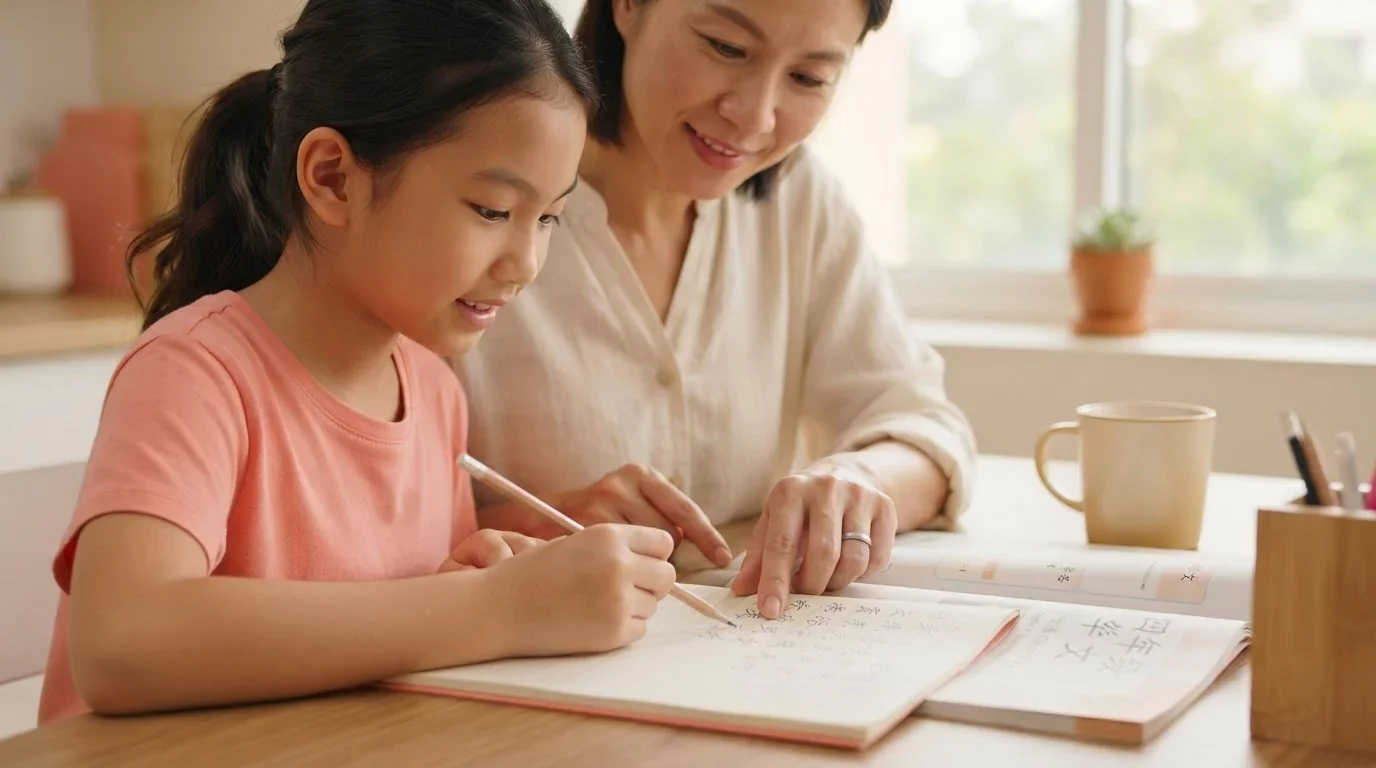
Is My Primary 4 Child Ready For Higher Chinese?
For parents of Primary 4 students, the Higher Chinese (HCL) conversation becomes urgent. Primary 4 is realistically the last 'easy on-ramp' to build a solid foundation before the syllabus difficulty spikes in Primary 5. A simple weekly audit can help you assess your child's readiness for a path that could earn them a valuable 2-point PSLE bonus but it requires a clear-eyed view of their current abilities.
Many parents I speak with feel the pressure. They know the Primary 5 HCL track is significantly more demanding. Waiting until the Primary 5 mid-year exams to identify problems is often too late, leaving a very short runway to the PSLE. Let's break down how to stay ahead.
Why Primary 4 Is The Critical Year For HCL
Think of Primary 4 as the final preparation window. The jump from the Primary 4 to the Primary 5 syllabus is not gradual. It's a steep climb. In Primary 5, composition expectations become longer and more developed, the vocabulary expands significantly and comprehension passages grow more complex. Schools use the Primary 5 SA1 and SA2 results to formally recommend whether a student should even attempt Higher Chinese at the PSLE. Starting Primary 5 on the back foot makes catching up an uphill battle.
It is also worth confirming with your child's school which syllabus cohort they belong to. The refreshed MOE Chinese syllabus started with the 2024 Primary 1 cohort, so a Primary 4 student in 2026 is on an earlier version. This distinction matters for sourcing the right assessment books and practice papers.
A Practical Weekly Audit For Primary 4 Higher Chinese
Instead of worrying, create a simple, low-stress routine. This 15-minute weekly check-in gives you a consistent pulse on your child's progress and pinpoints areas needing support before they become major gaps.
1. Reading Fluency & Comprehension Check
-
What to do: Once a week, ask your child to read a new passage from their textbook or an age-appropriate storybook aloud for a few minutes. Record it on your phone.
-
What to look for: Is the reading choppy or smooth? Do they pause at the right places? After reading, ask them in simple terms, "What was that story about?" Can they retell the main idea? Note down characters they consistently stumble on.
-
Primary 4 benchmark: A child on track for HCL should be able to read with reasonable fluency and expression. They should grasp the literal meaning of the text without significant struggle.
2. Character & Vocabulary Retention Check
-
What to do: Pull out 10-15 vocabulary words from the week's schoolwork. You can use flashcards or just write them down. Ask your child to recognise the word and use it in a simple sentence.
-
What to look for: Can they recall the meaning and pronunciation? Is their sentence grammatically logical? This isn't a test. It's a check for understanding. A key challenge in HCL is not just knowing more words but understanding their nuances.
-
Primary 4 benchmark: They should be able to recognise and use most of their weekly vocabulary. A growing character bank is essential to handle the increased load in Primary 5.
3. Composition & Writing Structure Check
-
What to do: Look at their latest school composition or writing exercise. Don't focus on correcting every mistake.
-
What to look for: Is there a basic story structure (a beginning, a simple middle and an end)? Are they forming complete sentences? Can they describe a feeling or an event, even with simple language?
-
Primary 4 benchmark: While Primary 4 writing is less demanding, a potential HCL student should be able to write a coherent short narrative. The goal is clarity and structure, not complex idioms yet.
When Is Primary Chinese Tuition The Right Move?
Self-auditing is powerful, but sometimes you need external support. The data is clear: a Straits Times survey showed 75% of parents feel their children need tuition just to keep up, and 84.9% believe it gives them a PSLE advantage. When it comes to Higher Chinese, this can be particularly true.
Effective primary Chinese tuition isn't about more drilling. It's about targeted intervention. If your weekly audit repeatedly flags the same issues, be it comprehension, vocabulary gaps or weak composition structure, it might be time to consider help. A good tutor, especially one with ex-MOE experience or HCL specialisation, can diagnose the root cause and provide focused practice. With the rise of quality online tuition, this support can be seamlessly integrated into your child's schedule without adding travel time.
The right tutor can focus on the specific Primary 4 vocabulary list and bridge foundational gaps before they widen in Primary 5. This structured support can be the difference between a child who is coping and a child who is confident.
Ultimately, the goal in Primary 4 is to build a positive and resilient relationship with the Chinese language. Consistent, gentle audits and timely support can turn anxiety into quiet confidence, setting the stage for success in Primary 5 and beyond.
Frequently Asked Questions
Why is Primary 4 the critical year for Higher Chinese?
Primary 4 is the critical year for Higher Chinese because it is the last major opportunity to build a solid foundation before the syllabus difficulty increases significantly in Primary 5. The jump in expectations for vocabulary, comprehension and Chinese composition between P4 and P5 is very steep, and schools use Primary 5 results to recommend students for the PSLE HCL paper.
How do I know if my P4 child can cope with Higher Chinese?
You can gauge if your P4 child can cope with Higher Chinese by conducting a simple weekly audit of their abilities in reading, vocabulary and writing. A child on track for HCL should be able to read with reasonable fluency, understand most of their weekly P4 Chinese vocabulary and write a short, coherent story with a basic structure.
What is the PSLE bonus for taking Higher Chinese?
Students who take Higher Chinese at the PSLE may be eligible for a valuable 2-point bonus for entry into Special Assistance Plan (SAP) secondary schools. This bonus is a key advantage within the Singapore education system for students with a strong aptitude for the Chinese language, impacting their secondary school admission.
When is it time to get primary Chinese tuition for my child?
It is time to consider primary Chinese tuition if your own checks show that your child repeatedly struggles with the same issues, such as comprehension, vocabulary gaps or weak Chinese composition structure. Effective tuition, including online tuition options, can provide targeted intervention from a specialist to diagnose and fix the root cause of these problems before they worsen in Primary 5.
Does a Primary 4 student in 2026 follow the new MOE syllabus for Chinese?
A Primary 4 student in 2026 does not follow the refreshed MOE syllabus for Chinese, as the new syllabus started with the 2024 Primary 1 cohort. It is important to confirm with your child's school which syllabus version they are on to ensure you are sourcing the correct assessment books and practice materials for their level.