


The PSLE Punctuation Playbook: A Practical Guide Beyond Primary English Tuition

Why a Full Stop Can Be Worth More Than a Brilliant Idea in PSLE English
Mastering punctuation is one of the most direct paths to improving your child's PSLE English score. This isn't just about good habits. It’s about securing marks in Paper 2, the decisive battleground that accounts for a massive 47.5% of the total grade. While strong narratives and vocabulary are important, the Singapore Examinations and Assessment Board (SEAB) marking rubric is unforgiving, where a single punctuation slip in certain sections can result in an automatic zero for the question. This playbook provides a practical, home-based plan that complements any existing primary English tuition by focusing on this critical, high-stakes skill.
Is the PSLE Marking Really That Strict?
Yes. Many parents I speak to are surprised by this. Their child might be an avid reader, yet their Paper 2 scores don't reflect that aptitude. The reason often lies in precision. SEAB examiners require rule-bound accuracy. This focus on correctness means that a misplaced comma or an incorrect apostrophe isn't a minor slip-up. It's a fundamental error that can erase marks instantly. It’s a brutal reality of the examination format. Punctuation determines the clarity of writing in Paper 1 and, crucially, the accurate interpretation of complex sentences in Paper 2's comprehension sections. This is a core component of any effective PSLE English tuition programme.
The 4-Week Punctuation Sprint: A Parent-Led Plan
The anxiety around PSLE is real. A 2023 Straits Times report highlighted that parents spend an average of $500 monthly on tuition, driven by the pressure to keep up. This structured, four-week plan offers a focused way to build mastery at home, turning anxiety into action. Spend 15-20 minutes, three times a week, on these drills.
Week 1: Securing the Sentence
-
Focus: Full stops, capital letters, question marks and exclamation marks.
-
Drill: Give your child an unpunctuated paragraph from a storybook or assessment book. Their only task is to correctly mark the end of each sentence and capitalise the start of the next one. This builds the fundamental concept of a complete thought.
Week 2: Commanding the Comma
-
Focus: Using commas in lists and to separate clauses. Correcting comma splices.
-
Drill: Write sentences that incorrectly join two main ideas with just a comma (e.g., "He ran to the bus stop, he missed the bus."). Ask your child to fix it in three ways: with a full stop, with a conjunction (like 'but') or with a semicolon. This teaches them that punctuation choices create different stylistic effects.
Week 3: The Details That Matter
-
Focus: Apostrophes for possession vs. contraction ('its' vs. 'it's', 'the boy's bag' vs. 'the boys' bags'). Using quotation marks for dialogue.
-
Drill: Create a 'spot the mistake' exercise with sentences containing common apostrophe errors. For dialogue, have them rewrite a short scene from a book, paying close attention to where commas and full stops go in relation to the quotation marks.
Week 4: Punctuation for Reading Comprehension
-
Focus: Understanding inserted phrases, a common feature in complex comprehension passages.
-
Drill: Find sentences with phrases set off by commas, like "The cat, a fluffy Persian, sat on the mat." Use the technique from veteran educators: guide your child to physically cover the inserted phrase with their finger. Read the main sentence ("The cat sat on the mat.") to get the core meaning first, then uncover the phrase to understand the extra detail. This is a game-changer for primary English comprehension tuition.
How Does This Fit With Formal English Tuition?
This playbook enhances, not replaces, the support your child may already receive. A good primary English tuition centre or private tutor for Primary 5 English tuition or Primary 6 English tuition will build a strong grammatical foundation. This home-based playbook provides the targeted, high-frequency practice needed to make those rules stick under exam pressure. It ensures the concepts taught in class are converted into automatic skills.
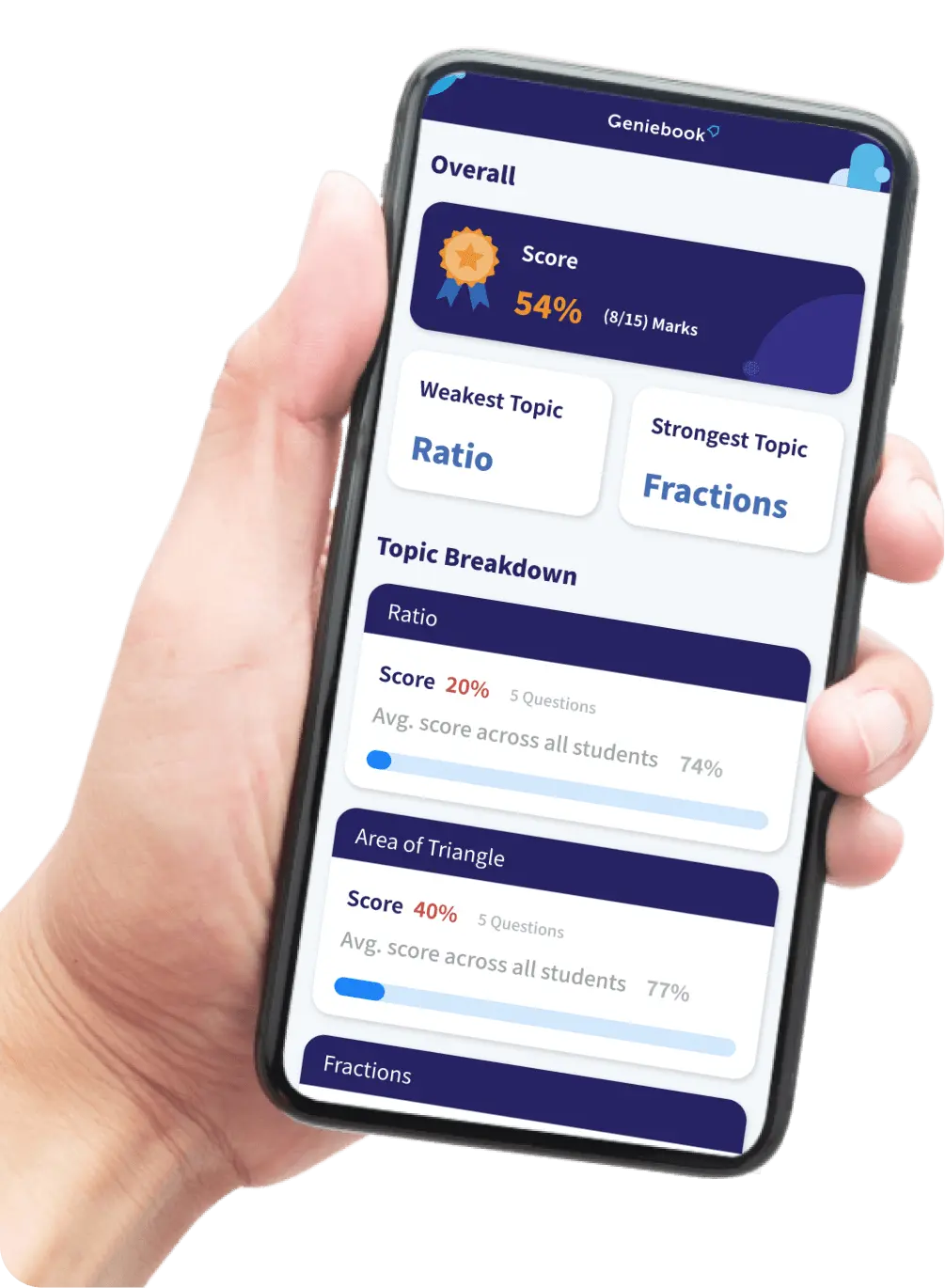
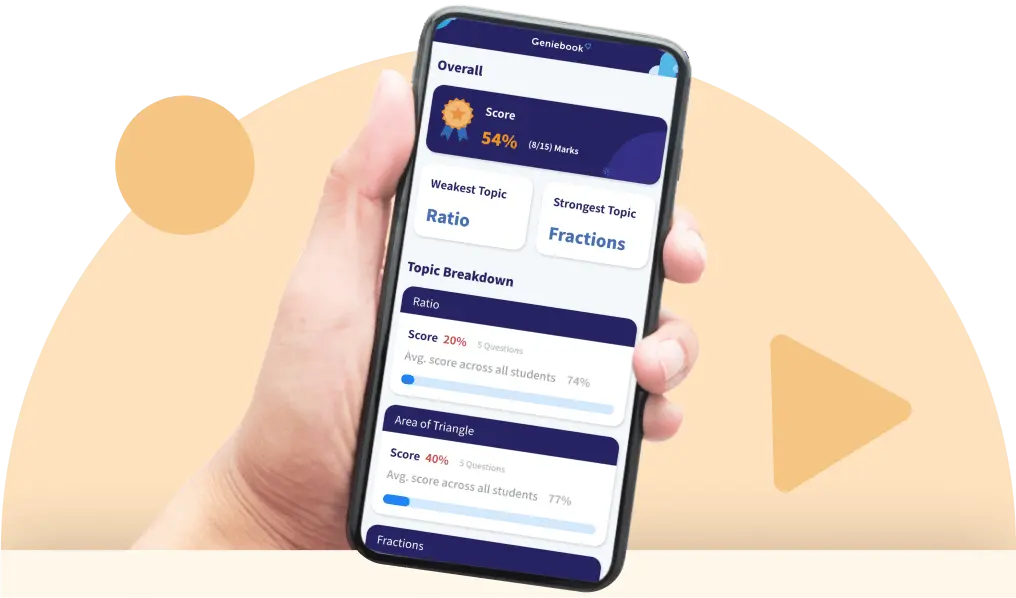
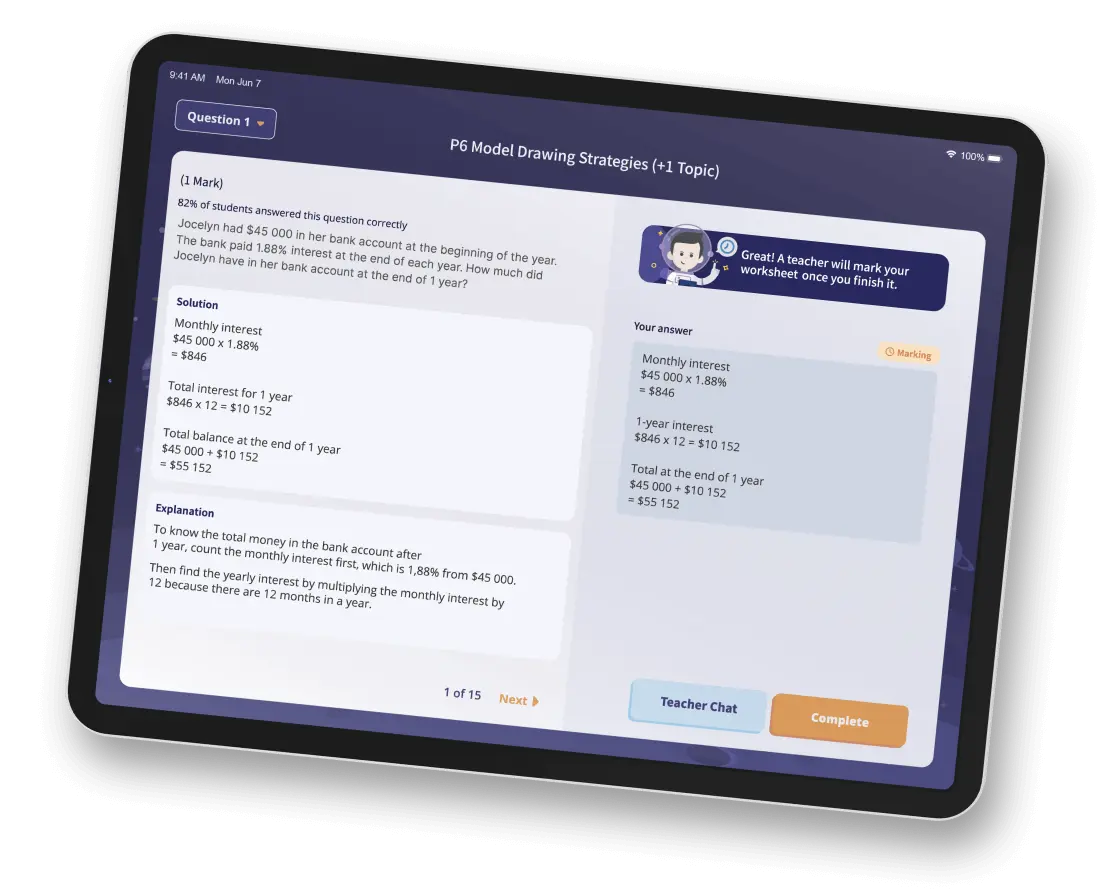
Furthermore, online tuition platforms can accelerate this process. For example, the AI-powered worksheets of Geniebook can generate endless, targeted punctuation drills, providing the instant feedback that is crucial for correcting mistakes before they become ingrained habits. It allows a child to practise the exact skill from this playbook until they achieve mastery, freeing up valuable time with their tutor to focus on more complex areas like inference or tone analysis.
Ultimately, mastering punctuation is an investment in precision. It's a skill that pays dividends across the entire English paper, securing marks that are too easily lost and building a foundation for clear, confident communication long after the PSLE.
Frequently Asked Questions
Why is PSLE English punctuation so important?
PSLE English punctuation is critically important because simple errors can lead to an automatic zero for certain questions in Paper 2, which accounts for 47.5% of the total grade. The Singapore Examinations and Assessment Board (SEAB) has a strict marking rubric that demands precision, making punctuation a high-stakes skill for securing marks and ensuring clarity in writing.
How strict is the SEAB marking for punctuation in the PSLE?
The SEAB marking for punctuation is extremely strict, with examiners requiring rule-bound accuracy. In PSLE English Paper 2, a single punctuation error in certain sections can be considered a fundamental error resulting in an automatic zero for the question, which often surprises parents of even avid readers.
How can I help my child practise PSLE English punctuation at home?
You can help your child practise PSLE English punctuation at home using a structured four-week plan focusing on specific skills for 15 to 20 minutes, three times a week. The plan involves drills for sentence boundaries in Week 1, comma usage in Week 2, apostrophes and quotation marks in Week 3 and understanding complex sentences for comprehension in Week 4.
Does this home practice plan replace the need for P6 English tuition?
This home practice plan is designed to enhance, not replace, formal P6 English tuition. While a good primary English tuition programme builds a strong grammatical foundation, this playbook provides the targeted, high-frequency practice needed to make punctuation rules automatic under exam pressure, complementing the concepts taught in class.
What is an effective technique for understanding complex sentences in PSLE English comprehension?
An effective technique for understanding complex sentences, often covered in primary English comprehension tuition, is to physically cover any inserted phrases with a finger. By reading the main sentence first to grasp the core meaning and then uncovering the phrase for extra detail, students can break down complex structures more easily.
How can online tuition help with improving PSLE punctuation skills?
Online tuition platforms in Singapore can accelerate punctuation mastery by providing targeted, AI-powered practice drills. These systems can offer endless exercises on specific skills and provide instant feedback to correct mistakes before they become habits, allowing students to achieve mastery efficiently.