

Micro-Modules, Big Gains: Why Short, Focused Online Tuition Units Are Driving Personalised Learning in Singapore

What Are Micro-Modules in Online Tuition?
Micro-modules are short, focused learning units that break down complex topics into digestible 15-20 minute sessions. Unlike traditional two-hour classes, this approach to online tuition uses AI to pinpoint a child’s exact knowledge gaps and delivers targeted lessons to fix them, making learning far more efficient and effective.
This method isn't just a trend. It's grounded in cognitive science. A student's brain has a limit to how much new information it can process at once, a concept known as cognitive load. Long lecture-style sessions often exceed this limit, leading to fatigue and poor retention. By working in short bursts, micro-modules respect these limits, which helps students stay engaged and remember more of what they learn. It's the difference between trying to drink from a fire hose and sipping from a glass of water.
How Do These Platforms Know What My Child Needs?
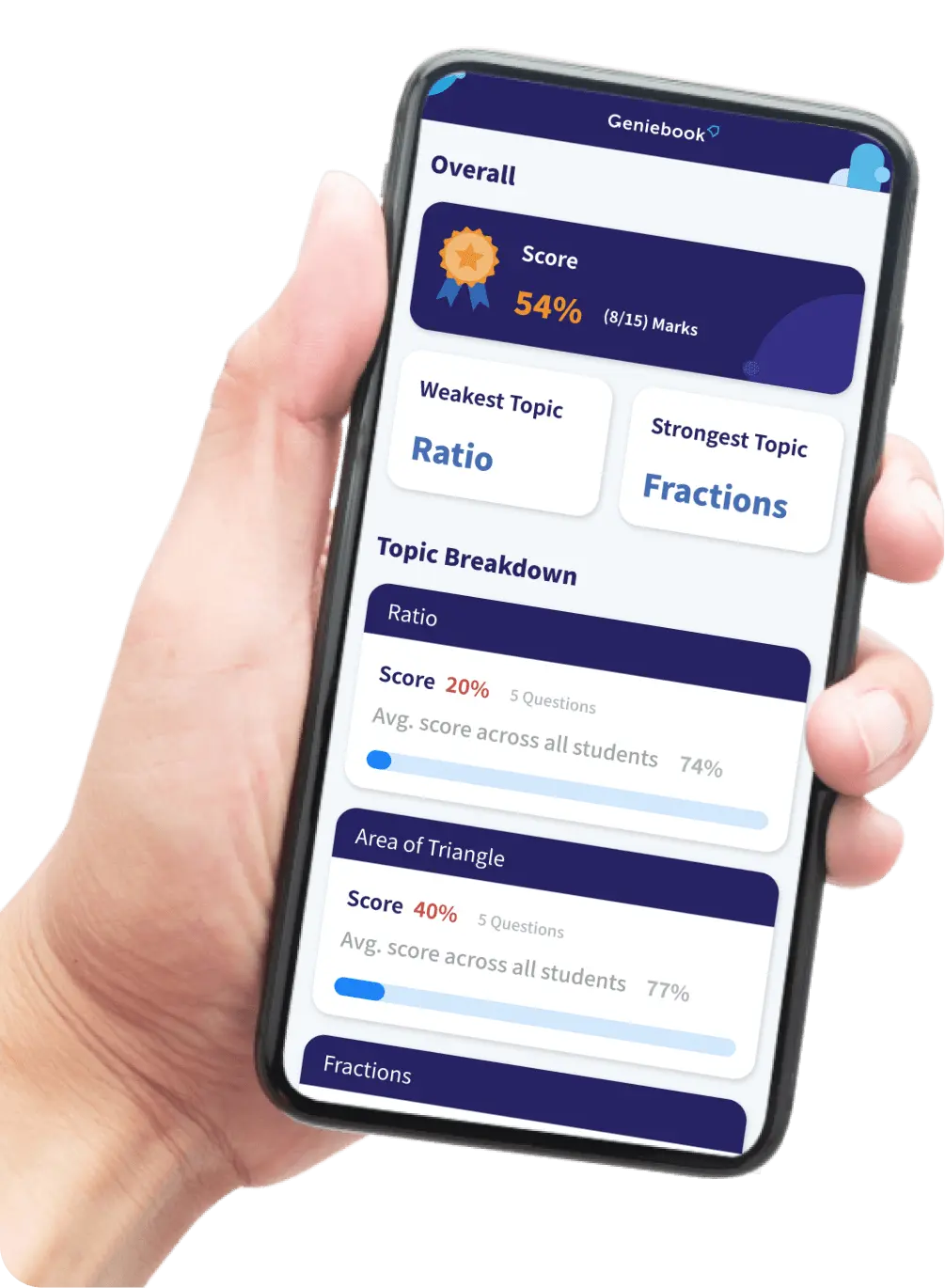
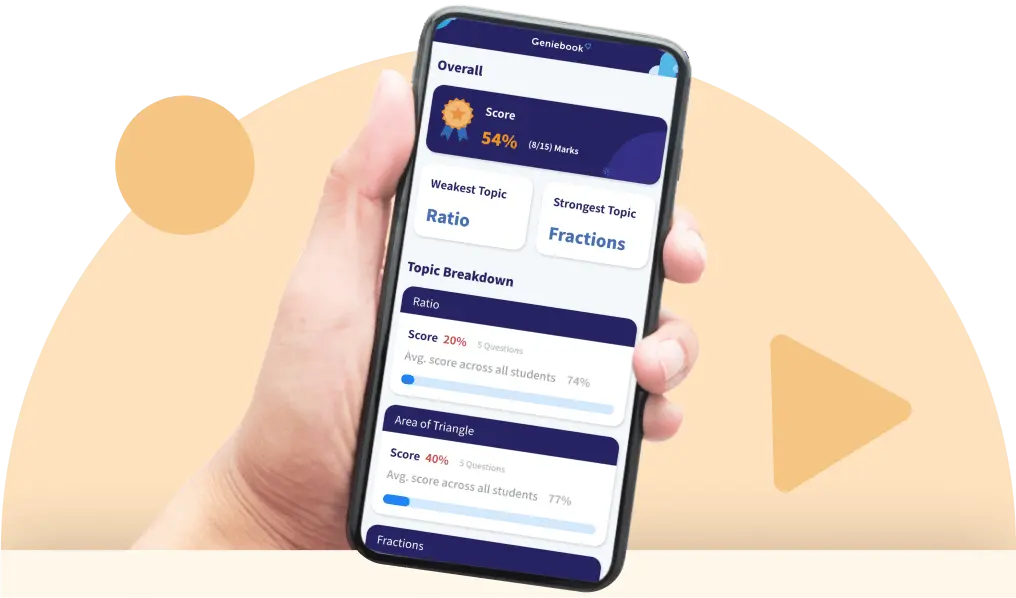
The core of modern personalised learning lies in its diagnostic power. Before any teaching begins, advanced online tuition platforms use AI-driven assessments to create a detailed map of your child’s understanding. These aren't just simple quizzes checking for right or wrong answers. They are designed to uncover the root of a problem, the specific conceptual gap that causes repeated mistakes.
Think of it as the difference between mass production and precision engineering. A traditional classroom often delivers a one-size-fits-all curriculum. An AI-powered system, on the other hand, can identify that your child is struggling specifically with 'Photosynthesis in Plants' in PSLE Science or 'Simultaneous Equations' in Secondary Maths. This allows the live tutor online to focus their efforts exactly where they are needed most. This is particularly effective for online maths and science tutoring where foundational concepts build upon each other.
Is This More Efficient Than a Traditional Tutor?
Yes, in many cases, it is significantly more efficient. The flexibility allows learning to fit around a student’s packed schedule of school, CCAs and family time. A student doesn't need to waste time re-covering topics they have already mastered. Instead, they can focus a short 20-minute session on a single difficult concept before moving on.
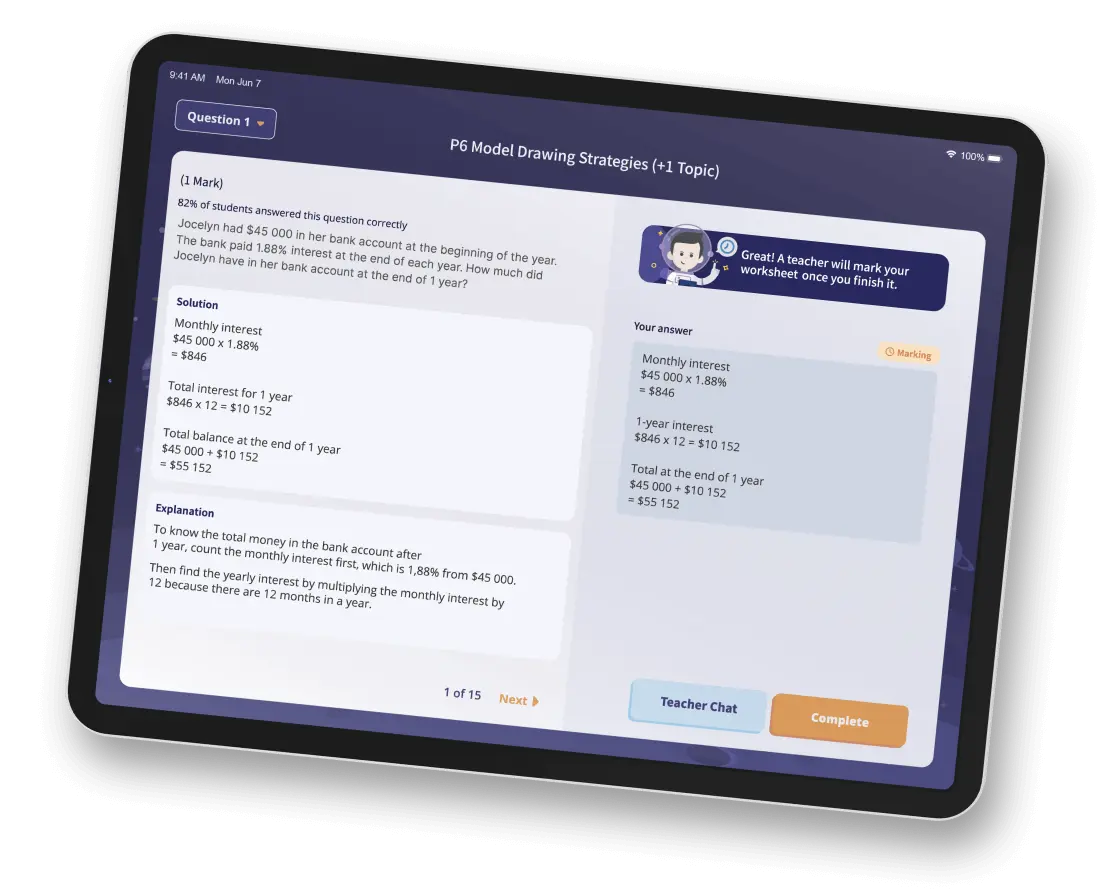
This efficiency is also driven by a shift from passive listening to active practice. Many effective tutoring services online now emphasise structured written work combined with tight feedback loops. For a subject like A-Level Economics, which is heavily based on essays and case studies, this model is invaluable. One report noted that this approach led to a measurable 90% jump in student confidence within just three months because they were actively applying knowledge and seeing their mistakes corrected almost immediately.
Comparing Traditional vs Micro-Modular Learning
| Aspect | Traditional Tuition Centre | AI-Powered Micro-Modules |
|---|---|---|
| Lesson Length | Fixed 1.5 - 2 hour sessions | Flexible 15 - 20 minute focused units |
| Pacing | Group-paced and follows a fixed syllabus | Individually paced and adapts to the learner |
| Focus | Broad topic coverage for the week | Targets specific identified skill gaps |
| Feedback | Delayed, often in the next session | Immediate through AI and live chat |
What Does a Micro-Study Plan Look Like in Practice?
Instead of a vague goal like "study English for two hours", a micro-study plan is specific and actionable. It breaks a large revision goal into manageable daily tasks. For instance, a plan for a busy PSLE student might look something like this:
- Monday: 20 mins on a PSLE English micro-module for Synthesis & Transformation.
- Tuesday: 15 mins of AI-generated Maths worksheets on fractions.
- Wednesday: Watch a 10-minute Science video on a topic before it's taught in school.
- Thursday: 20 mins of practice with a live tutor on a difficult comprehension question.
Platforms like Geniebook have created plans such as a "6-Week Micro-Study Plan to Build Listening, Reading and Writing in 20 Minutes a Day for PSLE English". This shows how consistent short efforts can lead to significant gains without causing burnout. The Straits Times even noted how a Primary 4 student was using an online platform to learn maths in this way, staying ahead of the school curriculum.
What About the Cost and Potential Downsides?
A significant advantage for many families is the online tuition cost. With lower overheads compared to physical centres, online platforms often offer a more affordable way to access high-quality, personalised education. The convenience of learning from home also saves time and transport costs.
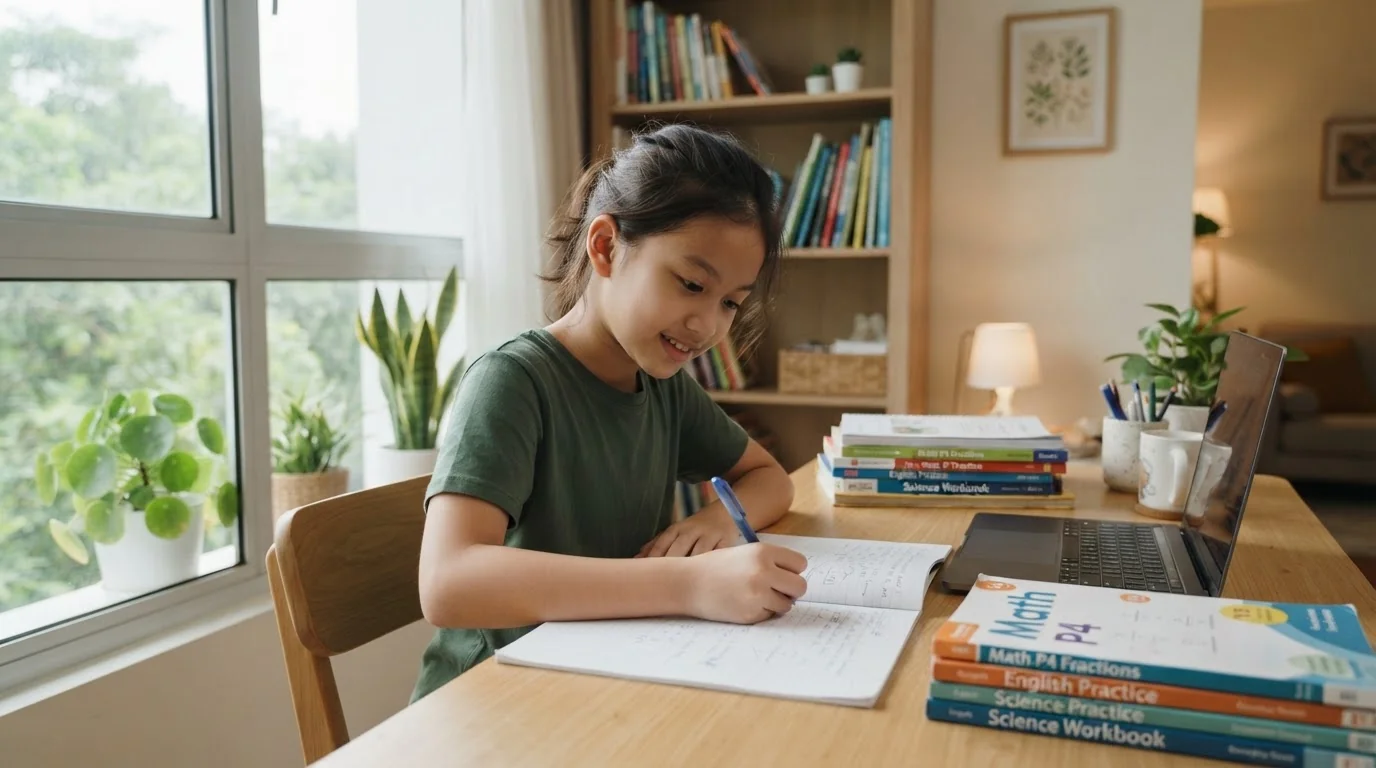
However, it's important to be realistic. The biggest challenge, especially with younger primary school students, is maintaining engagement. A screen can be full of distractions. This is where parental involvement is key. Setting up a dedicated, quiet study space and having brief check-ins can make a huge difference. While the technology is powerful, it works best as a partnership between the student, the platform and the parent. Even with MOE's increased emphasis on digital learning, the human element remains vital.
Frequently Asked Questions
How Are 15-Minute Online Tuition Sessions Better Than 2-Hour Classes?
Short 15-20 minute online tuition sessions, known as micro-modules, are often better than long classes because they align with the brain's cognitive limits, preventing fatigue and improving information retention. Unlike traditional two-hour sessions that can lead to cognitive overload, this focused approach breaks down complex topics into digestible units. This method helps students stay engaged and remember more of what they learn, making the learning process more efficient.
How Does an Online Platform Know My Child's Specific Weaknesses in Subjects Like Maths or Science?
Online platforms identify a child's specific weaknesses in subjects like maths or science by using AI-driven diagnostic assessments before any teaching begins. These detailed assessments create a comprehensive map of a student's understanding, pinpointing the exact conceptual gaps causing mistakes, such as a specific topic in PSLE Science. This diagnostic power is central to personalised learning and makes online maths and science tutoring highly effective.
Is Online Tuition Cheaper Than Going to a Physical Tuition Centre?
Yes, the online tuition cost is often lower than fees for a physical tuition centre because online platforms have lower overheads. For many families, these tutoring services online are a more affordable way to access high-quality education. The convenience of learning from home also provides significant savings on transport costs and travel time.
What Are the Disadvantages of Using Online Tuition for a Primary School Student?
The main disadvantage of using online tuition for a primary school student is the challenge of maintaining engagement and avoiding distractions from the screen. For this type of e-tutoring to be effective, it works best as a partnership between the student, the platform and the parent. Setting up a quiet study space and conducting brief check-ins can make a significant difference in keeping a younger child focused.
Will My Child Only Interact With AI or Can They Talk to a Real Person?
Many advanced online tuition platforms combine AI-driven lessons with support from a live tutor online. While AI is used for diagnostics and generating practice worksheets, a human tutor is often available to provide targeted help on difficult questions or concepts. A student can use this feature to work through a challenging problem with a tutor in real time, ensuring they get the human guidance needed to succeed.