

Personalised Learning Platforms: Fixing P3-P4 Skill Gaps Before They Widen

Why Small Gaps in Primary 3 and Primary 4 Become Big Problems
Personalised learning platforms are one of the most effective ways to fix specific skill gaps in Primary 3 and Primary 4 students before they become serious weaknesses. These tools use AI to diagnose a child's precise struggles, such as misunderstanding fraction models or a specific set of Science keywords, and deliver targeted exercises to fix them. This approach is a direct solution to the limitations of traditional group tuition where one child’s needs can get lost in the crowd.
The jump from Primary 2 to Primary 3 is when the MOE syllabus shifts from foundational literacy and numeracy to subject-specific mastery. Suddenly, a child isn’t just learning to read. They're reading to learn complex Science concepts. They aren’t just counting. They're applying models to solve multi-step Mathematics problems. A small misconception that goes unaddressed in Primary 3 can easily snowball, leading to a shaky foundation and a lack of confidence by the time they face the greater demands of Primary 5 and the PSLE.
The Limits of Traditional Tuition for a Primary 3 Student
Singapore parents invest heavily in their children's education, contributing to a tuition industry worth $1.8 billion in 2023. Yet, for a Primary 3 or Primary 4 child with a specific, hidden skill gap, a conventional group tuition centre might not be the most efficient solution. In a class of ten, a tutor simply cannot dedicate a full lesson to one student's difficulty with bar models while others are ready to move on. The class progresses at the pace of the average student, leaving some behind and boring others.
This isn't a failure of the tutor but a structural limit of the model. While the average household spent $104.80 per month on tuition in 2023, parents are right to question if that money is truly addressing their child's unique needs or just providing general revision.
How Does AI-Powered Personalised Learning Actually Work?
Unlike a fixed curriculum, AI-powered online tuition platforms adapt to your child. The process is systematic and targeted, making it a powerful form of online Mathematics and Science tutoring.
- AI-Diagnosis: The platform first identifies your child’s precise knowledge gaps through a diagnostic test or by analysing their answers to practice questions. It goes beyond saying a child is 'weak in Mathematics' to pinpointing the exact issue, like 'struggles to represent fractions with unlike denominators'.
- Tailored Learning Path: Based on the diagnosis, the AI creates a unique learning schedule. If your child has mastered a topic, they can skip ahead. If they have a gap, the platform assigns targeted video lessons, practice questions and quizzes to close it.
- Real-Time Adaptation: As your child works through the material, the system continuously monitors their performance. It adjusts the difficulty in real-time, ensuring the content is challenging enough to promote growth but not so difficult that it causes frustration.
This creates a hyper-efficient learning loop. Here’s a simple comparison:
| Feature | Traditional Group Tuition | AI-Personalised Learning |
|---|---|---|
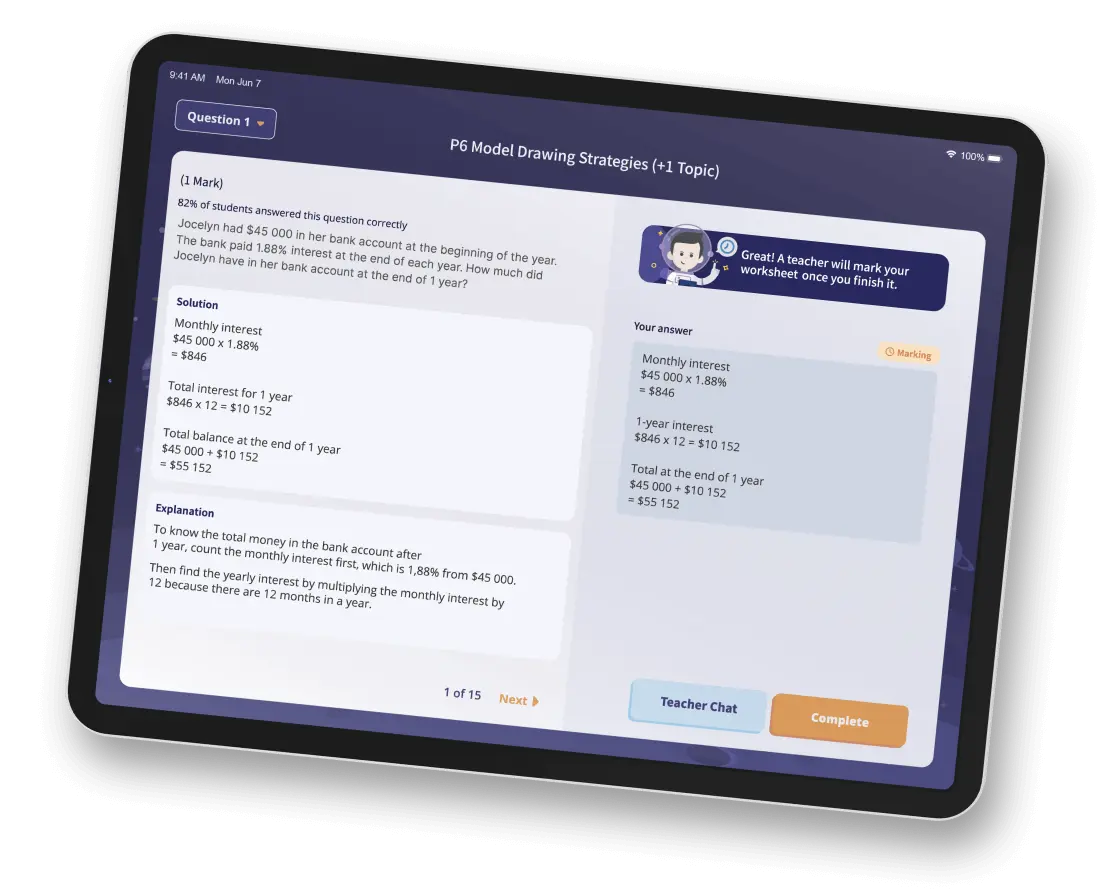
| Diagnosis | Broad observation by tutor over weeks. | Precise, data-driven skill gap identification in minutes. |
| One-pace-fits-all, set by the tutor. | Individualised, adapts to the student's mastery. | |
| Content | Standardised worksheets for the whole class. | Targeted content delivered to fix specific weaknesses. |
| Feedback | Delayed, often general. | Instant, specific and actionable. |
Is Singapore Ready for This Shift to E-Tutoring?
The move towards personalised learning isn't just a commercial trend. It's being embraced at a national level. The Ministry of Education (MOE) has already incorporated AI-enabled features into the Singapore Student Learning Space (SLS), its official online learning portal. This signals a clear validation of educational technology as a core part of our children's learning journey. Parents are also voting with their feet, drawn to the convenience and targeted support offered by tutoring services online.
What Are the Real Challenges and Concerns?
Of course, technology is not a magic bullet. Some educators have noted that younger primary students can be less engaged in an online-only setting. This is a fair point. A child staring blankly at a screen is not learning. It highlights the importance of choosing a platform designed for engagement, one that perhaps includes access to a live tutor online for clarification and motivation.
The role of the parent also remains critical. These platforms are powerful tools but they work best when a parent is involved in monitoring their child's progress and providing encouragement. It’s not about replacing the human touch but augmenting it with the power of data.
A Pro-Parent Checklist: Choosing a Personalised Learning Platform
When evaluating options, ask these questions:
- Diagnostic Power: Does the platform offer a proper diagnostic test to identify gaps, or does it just offer practice questions?
- MOE-Alignment: Is the curriculum and content strictly aligned with the latest Singapore MOE syllabus for your child's level?
- Hybrid Support: Does it offer access to human support, like live classes or a chat function with real teachers, to complement the AI?
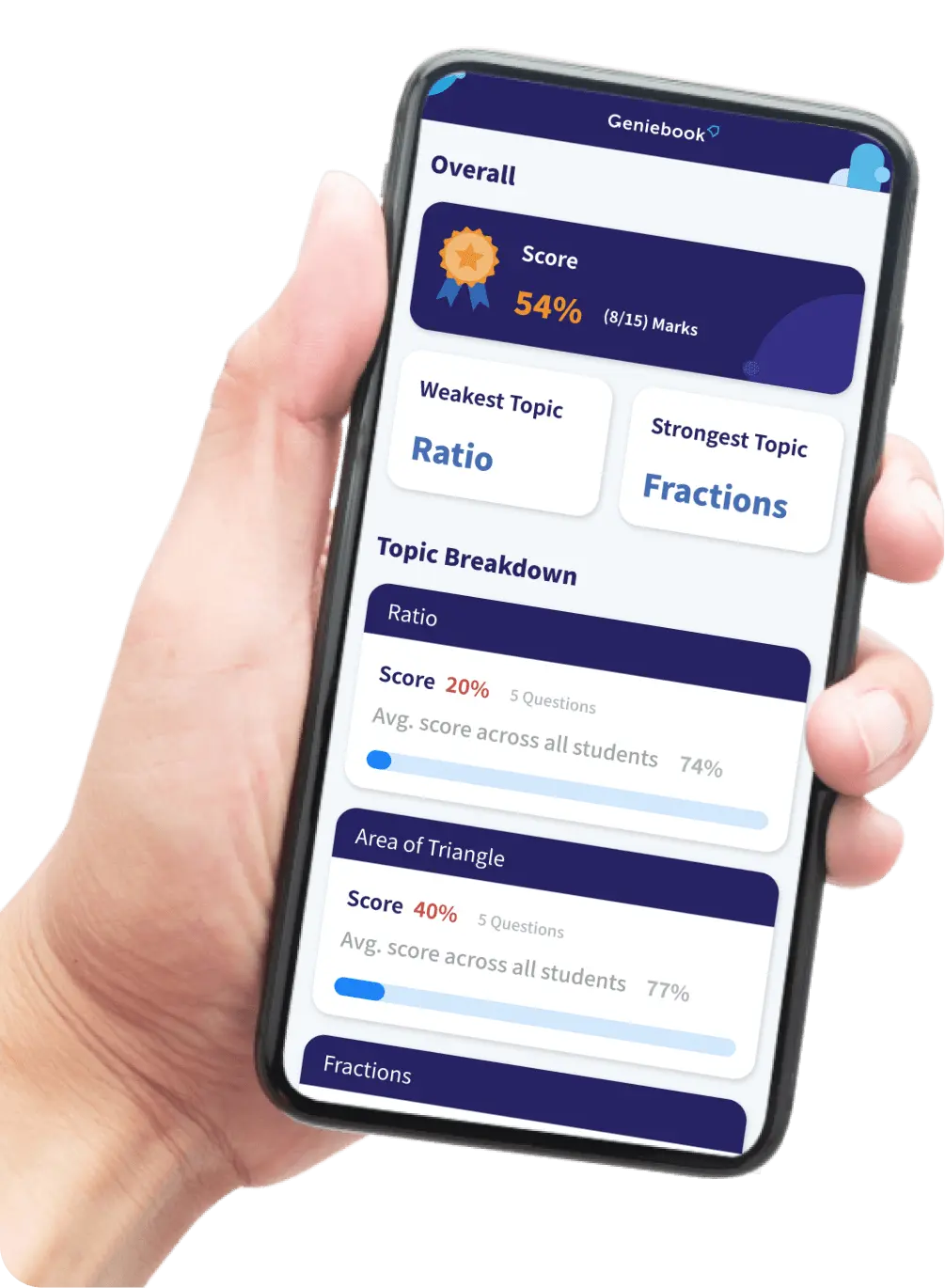
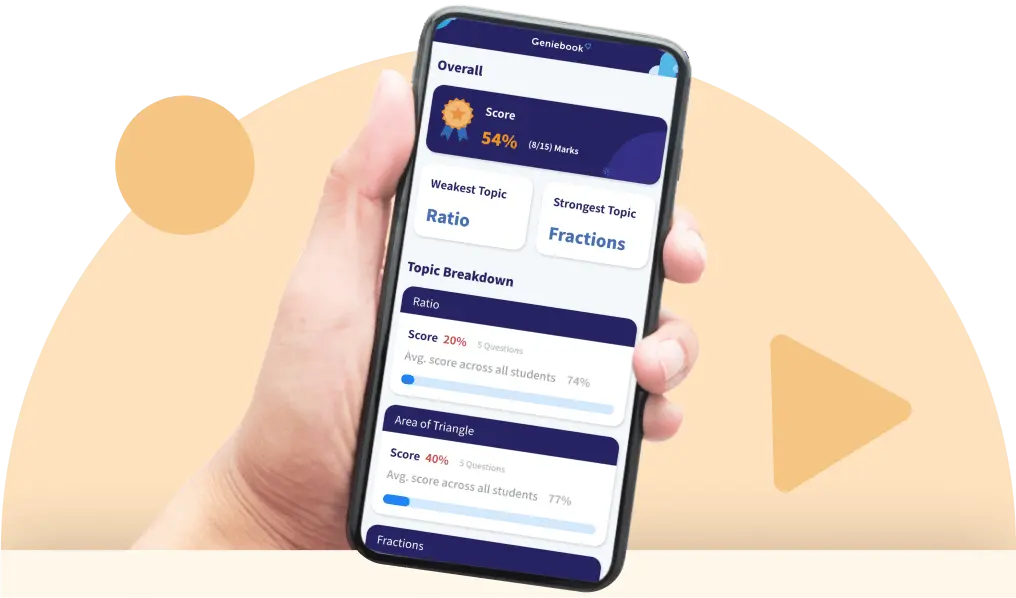
- Progress Tracking: Can you easily see a report of your child's strengths, weaknesses and progress over time? This is key to ensuring the online tuition cost is justified by results.
By addressing small learning gaps with precision during the Primary 3 and Primary 4 years, personalised learning helps build a strong, confident learner. It ensures that by the time your child reaches upper primary, their foundation is solid and they are ready to tackle the complexities of the PSLE curriculum.
Frequently Asked Questions
Why Are Primary 3 and 4 So Critical for Preventing Learning Gaps?
Primary 3 and Primary 4 are critical because this is when the MOE syllabus shifts from foundational skills to subject-specific mastery, and small, unaddressed skill gaps can quickly grow into significant weaknesses before upper primary and the PSLE. During these years, children move from learning to read to reading to learn complex Science concepts and applying models to solve multi-step Mathematics problems, making a solid foundation essential.
How Does an AI Tutor Figure Out What My Child Needs to Learn?
An AI tutor identifies what your child needs to learn by using a diagnostic process to pinpoint precise knowledge gaps, such as struggling with a specific type of fraction model. Based on this diagnosis, the AI then creates a tailored learning path with targeted exercises and videos and adapts the difficulty in real time as your child progresses, ensuring they are always learning efficiently.
Is Online Tuition More Effective Than a Traditional Centre for a P3 or P4 Student?
Personalised online tuition can be more effective for a P3 or P4 student with specific skill gaps because it tailors the learning pace and content directly to the individual child's needs. Unlike traditional group tuition that follows a single pace for the whole class, this AI-driven approach provides targeted exercises and instant feedback to fix weaknesses efficiently, preventing the child from getting left behind.
What Are the Main Disadvantages of Using E-Tutoring for a Primary School Child?
The main disadvantage of e-tutoring is that some younger primary school students may be less engaged in a purely online setting compared to a physical classroom. This highlights the importance of choosing a platform that includes engaging content or hybrid support, like access to a live tutor online, and requires active parental involvement to monitor progress and provide encouragement.
How Can I Check if the Online Tuition Cost Is Worth It for My Child?
You can check if the online tuition cost is worth it by choosing a platform that provides clear and detailed progress tracking reports. These reports should show your child’s specific strengths, weaknesses and improvement over time, giving you data-driven evidence that the platform is effectively addressing skill gaps and delivering results for your investment.