PSLE Support: A Parent's Guide to Building Focus and Confidence in 2027
How Can I Best Support My Son for the PSLE?
The best PSLE support balances a stable home environment with smart, effective study habits and, most importantly, emotional resilience. Your goal isn't just to help him prepare for an exam. It is to equip him with the focus and confidence to handle this challenge and the ones that follow.
As a veteran in the Singapore education space, I've seen countless families navigate this year. The journey is often more a marathon of mindset than a sprint of memorisation. Let’s break down what truly makes a difference.
What Does 'Good' PSLE Support Actually Look Like?
Before we dive into timetables and practice papers, let's reframe the objective. The Ministry of Education (MOE) consistently describes the PSLE as “one checkpoint in a child’s educational journey”. The AL scoring system, in place since 2021, was designed to reduce the fine-grained competition over single marks. The goal is to place your son in a secondary school environment where he can thrive.
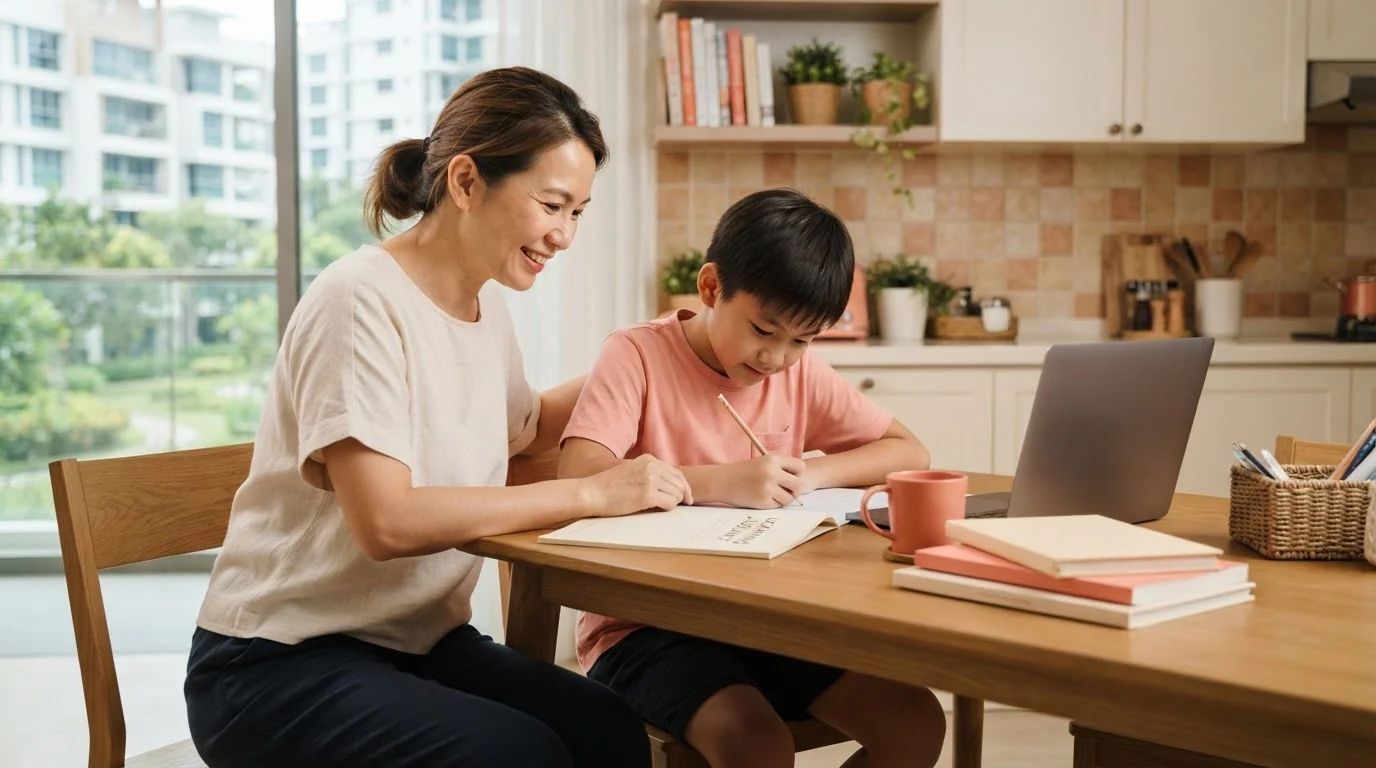
This means your role is coach, not commander. It's about being actively involved without being overbearing. Check in on his progress and emotional state but empower him to take ownership of his learning. This foundational support builds independence long after the PSLE results are released.
How Can I Create a Home Study Environment That Works?
A child's ability to focus is heavily influenced by his surroundings. Creating a predictable and calm space is one of the most practical forms of parental support for the PSLE.
Set Up the Physical Space
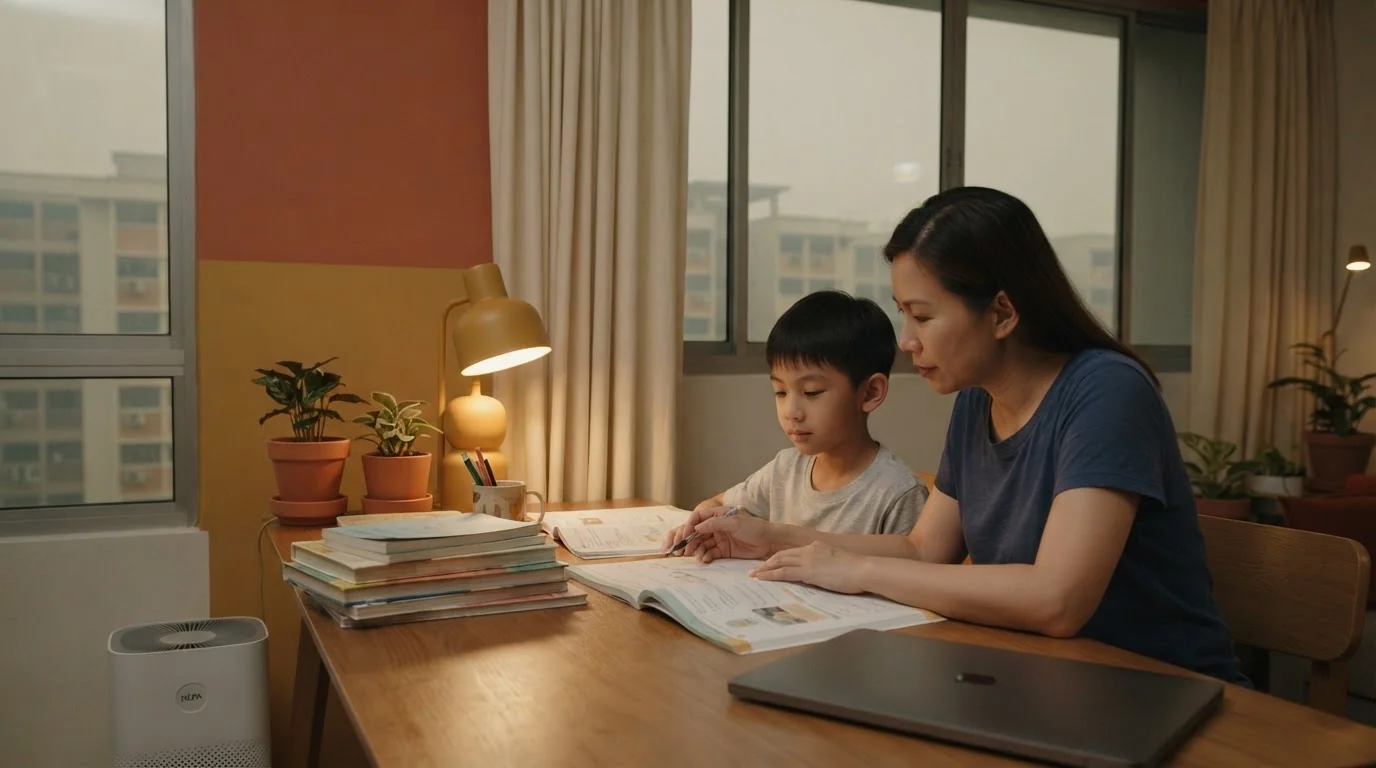
A dedicated study area signals to the brain that it's time to work. It doesn't need to be a separate room but it should be:
- Consistent: The same spot at the dining table can work, as long as it's used for study at the same times.
- Quiet and well-lit: Minimise household traffic and noise. Ensure there's good lighting to prevent eye strain.
- Organised: Keep stationery, books and materials within easy reach to avoid time wasted searching for a ruler.
Build a Predictable Routine
A consistent schedule reduces daily negotiations and procrastination. Work with your son to create a realistic PSLE study plan that balances revision with essential downtime. A good routine should include clear times for homework, breaks, meals and, crucially, sleep. For this age group, 9 to 11 hours of sleep per night is non-negotiable for cognitive function and emotional regulation.
During study blocks, actively manage distractions. This means phones and tablets are kept in another room. The temptation is just too great and rebuilding focus after an interruption takes time he doesn't have.
Are We Using the Right Study Methods?
Working hard is one thing. Working smart is another. Many students fall into the trap of passive learning: they simply re-read notes or textbooks. This feels productive but leads to poor knowledge retention.
Move Beyond Rote Memorisation
Encourage a deep, conceptual understanding. Instead of just memorising a Science definition, ask him to explain the concept to you in his own words. If he can teach it, he understands it. This is vital for Science papers, which often test the application of concepts in real-world scenarios.
Use Active Recall and Spaced Repetition
These are two of the most powerful learning techniques.
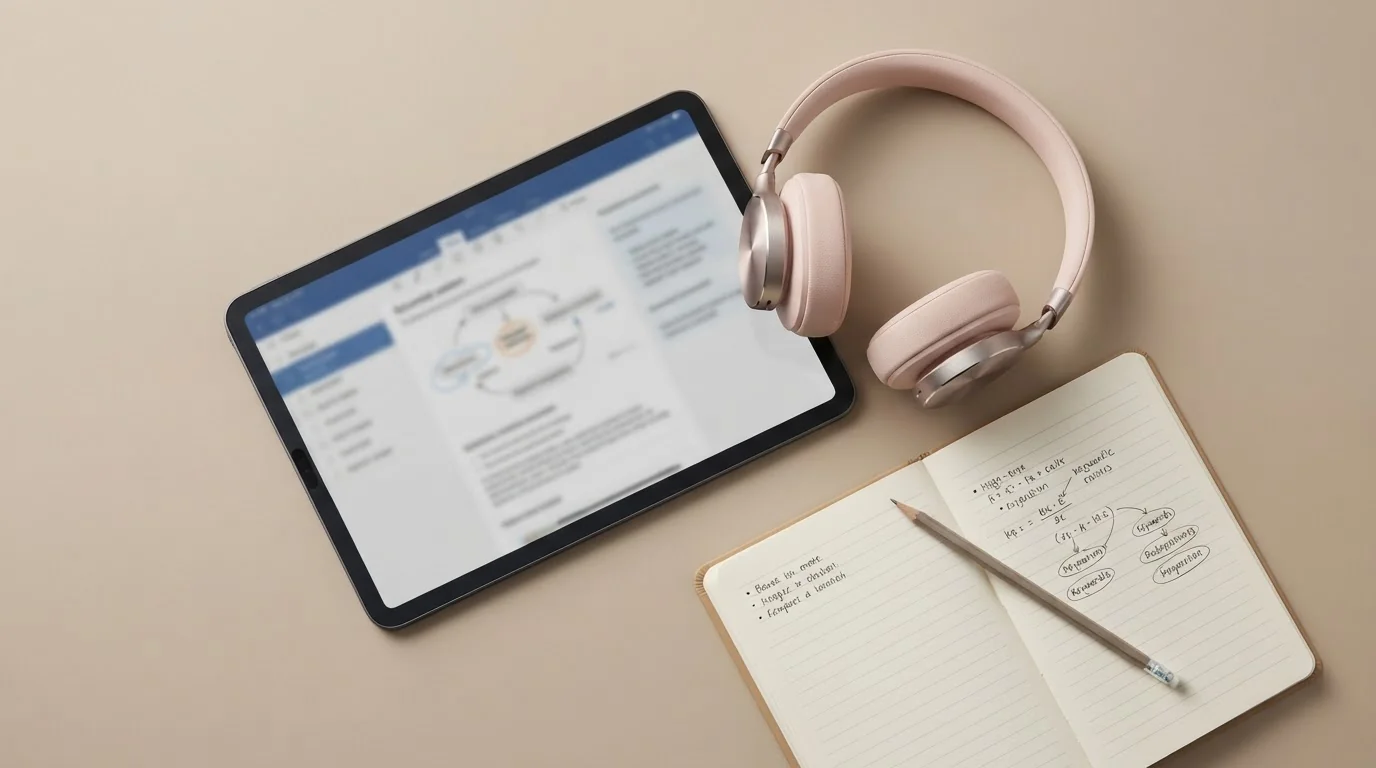
- Active recall: This means actively retrieving information from memory. Instead of re-reading a chapter on photosynthesis, have him write down everything he remembers about it on a blank piece of paper. Then, he can check his notes to fill in the gaps. Flashcards and self-quizzing are excellent tools for this.
- Spaced repetition: Instead of cramming, review material at increasing intervals. For example, review a Mathematics topic one day after learning it, then three days later, then a week later. This tells the brain the information is important and strengthens long-term memory.
Practise With Past Papers Strategically
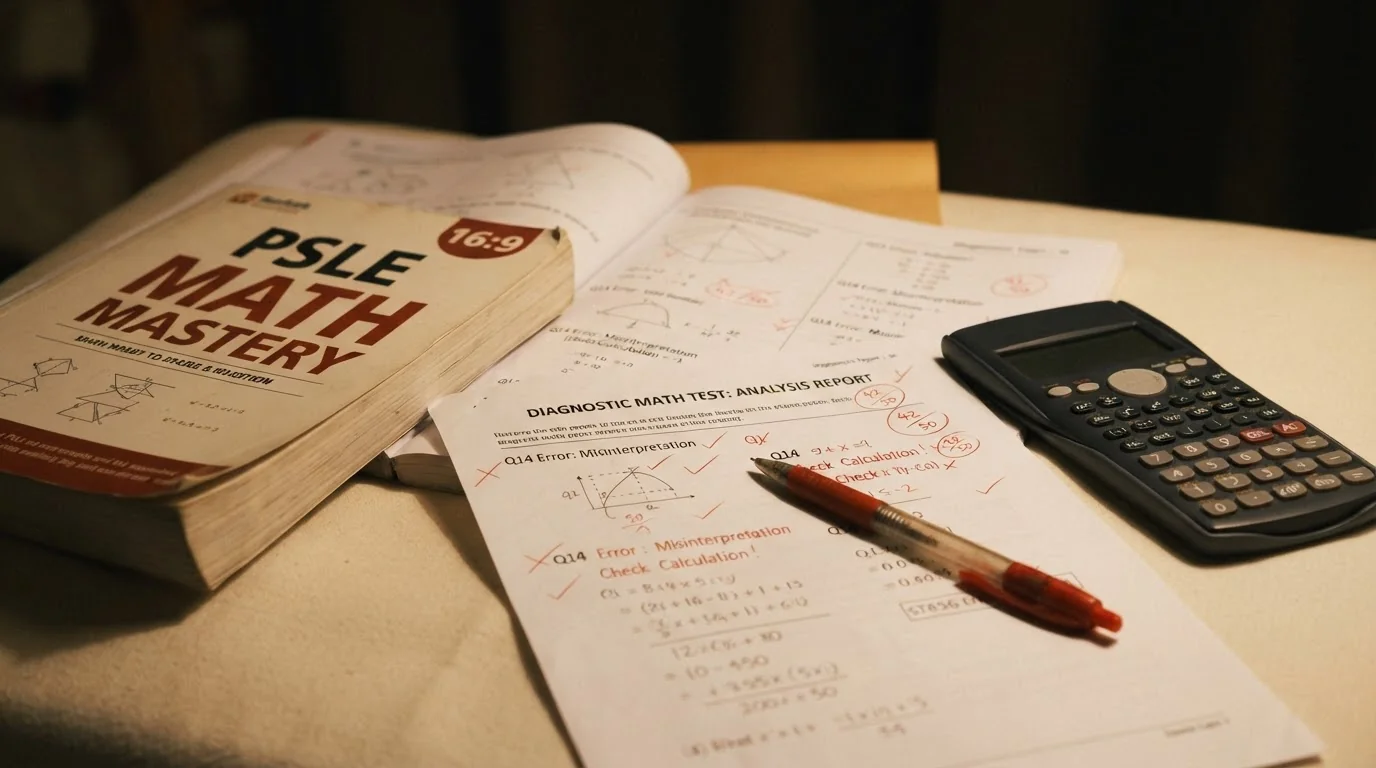
Using past PSLE and school prelim papers is essential. Focus on papers from 2021 onwards to align with the current AL system. The goal isn't just to complete them but to use them as diagnostic tools. After he marks a paper, sit with him to identify weak topics. This allows for targeted revision, which is far more efficient than re-studying an entire subject.
How Do I Build His Confidence Without Adding Pressure?
A child's confidence is the bedrock of his performance. PSLE stress management is as much about nurturing his self-belief as it is about managing his timetable.
Praise Effort, Not Just Outcomes
Focus your encouragement on the process. Phrases like, “I see you worked really hard to solve that Mathematics problem,” are more powerful than, “You’re so smart.” This reinforces a growth mindset. It is the belief that abilities can be developed through dedication. When he sees mistakes as learning opportunities rather than failures, his PSLE confidence will grow.
Keep Communication Lines Open
Create a safe space for him to talk about his fears and anxieties without judgement. Listen, validate his feelings (“It sounds like you’re worried about the Science paper”) and offer reassurance. Avoid comparing him to siblings or classmates. His journey is his own.
Set Realistic, Achievable Goals
With a PSLE score range of 4 to 32, the focus should be on achieving his personal best, not a perfect score. Help him set small, achievable goals, such as mastering a specific heuristic in Mathematics or improving his score in the next practice paper by a few marks. These small wins build momentum and self-efficacy.
What Should We Be Thinking About Beyond the Exam?
Reducing the high-stakes feeling of the PSLE involves looking at the bigger picture. Discussing post-PSLE options provides a sense of purpose and light at the end of the tunnel.
One key avenue is the Direct School Admission for Secondary Schools (DSA-Sec) exercise. If your son has a particular talent in sports, arts or a specific academic area, the DSA-Sec 2027 exercise provides a pathway to a secondary school based on those strengths. Applications typically open around May 2027. Exploring this option can significantly alleviate the pressure on the final PSLE score.
Ultimately, the PSLE is a significant milestone but it does not define your son. The focus, discipline and resilience he builds during this year, with your steady support, are the real prizes he will carry forward.
Frequently Asked Questions
How Can I Provide Effective Parental Support During the PSLE Year?
Effective parental support during the PSLE year involves acting as a coach rather than a commander by balancing a stable home environment with emotional resilience. You should focus on setting up a predictable study routine, encouraging independent learning and maintaining open communication to ensure your child feels supported without feeling overwhelmed by pressure.
What Are Some Practical Tips to Improve My Child's PSLE Focus?
You can improve your child's PSLE focus by creating a dedicated, quiet and well-lit study space that signals to the brain it is time to work. It is also essential to manage distractions actively during study blocks, such as keeping phones and tablets in another room, and ensuring your child gets between 9 and 11 hours of sleep to support cognitive function.
How Do I Create a Realistic PSLE Study Plan?
A realistic PSLE study plan should balance revision sessions with essential downtime, meals and adequate sleep. You can work with your child to create a consistent schedule that includes clear times for homework and breaks while utilising active recall and spaced repetition techniques to make revision more efficient than passive re-reading.
What Methods Are Best for Building PSLE Confidence?
You can build your child's PSLE confidence by praising his effort and the learning process rather than just his exam outcomes or grades. Encouraging a growth mindset helps him view mistakes as opportunities to learn, while setting small, achievable goals keeps his momentum high and reduces the anxiety associated with the overall score.
What Is the Role of PSLE Stress Management for Students?
PSLE stress management is vital because it nurtures a child's self-belief and helps him handle the demands of the Singapore education system with resilience. By listening to his concerns without judgement, avoiding comparisons to others and helping him focus on his personal best, you can create a safe emotional environment that keeps him motivated.
Should We Consider the Direct School Admission (DSA-Sec) Exercise?
Yes, exploring the DSA-Sec exercise can be a beneficial way to reduce pressure by allowing your son to gain admission to a secondary school based on specific talents in sports, arts or academic areas. Applications for this pathway typically open around May, and it provides an alternative route that does not rely solely on the final PSLE score.