PSLE Oral Prep: Group Practice vs 1-on-1 Coaching—A Veteran Educator’s Guide
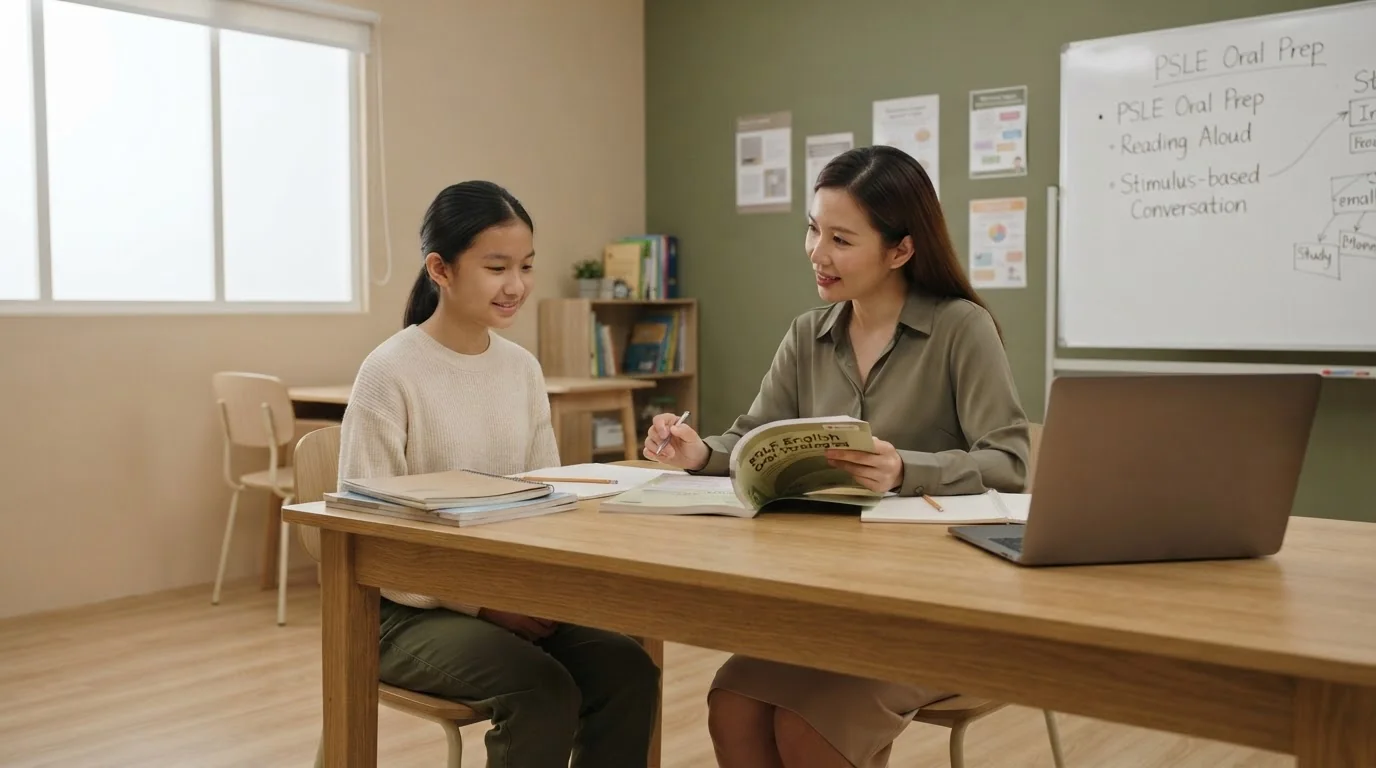
Which Is Better for PSLE Oral Prep: Group Tuition or a 1-on-1 Coach?
The best approach is the one that provides the most active speaking time per dollar spent. For many students, especially those preparing for the PSLE 2027 English Oral exam, the answer is often not the weekly group class nearly every parent defaults to. The key isn't just practice: it is the volume and quality of personalised feedback your child receives.
Understanding the PSLE English Oral Exam in 2027
Before choosing a preparation method, it's crucial to understand what SEAB examiners are looking for. The exam has two parts, but the weightage tells a story:
-
Reading Aloud (15 marks): Assesses pronunciation, articulation and expression.
-
Stimulus-Based Conversation (SBC) (25 marks): This is the heavier component, worth almost 1.6 times more. It tests a child's ability to think on their feet, articulate opinions and provide relevant examples.
The total of 40 marks makes up 20% of the entire English Language grade. Examiners are trained to probe beyond memorised answers with follow-up questions. They want to see genuine, spontaneous conversation, not a rehearsed script. This is why sheer volume of active, interactive practice is so critical.
The Hidden Inefficiency of Group Primary English Tuition
Walk into any primary English tuition centre on a weekend, and you’ll see groups of students diligently preparing for their oral exams. It feels productive, and with around 85% of Singaporean parents believing tuition offers a PSLE advantage, it's the standard path. But we need to look closer at the numbers.
A typical 1.5-hour group oral class might have 6 to 8 students. After the teacher's instructions and listening to others, how much time does your child actually spend speaking? The data shows it's often just 5 to 10 minutes per session. The rest of the time is spent listening or in silent preparation.
Consider the cost. A full year of primary 6 English oral tuition can easily cost between S$2,000 and S$3,500. When you calculate the cost per minute of active speaking, group classes can be one of the least cost-effective methods for building oral fluency. The feedback is also, by necessity, more generic and less focused on your child’s unique habits or anxieties.
When Is 1-on-1 Coaching the Right Call?
A dedicated primary English tutor is a powerful tool when used strategically. This is not a default solution. It is a targeted intervention for specific challenges. I recommend 1-on-1 coaching in these situations:
-
Severe exam anxiety: For the child who consistently freezes up during the SBC, a good coach can identify specific anxiety triggers and build confidence in a safe, private setting.
-
Systematic errors: If your child has persistent issues with pronunciation, tone or grammatical structure that go unnoticed in a group, a private tutor can provide the focused drills needed to correct them.
-
Significant vocabulary gaps: A coach can tailor sessions to rapidly build vocabulary relevant to common PSLE Oral topics.
-
Lack of motivation: Some children simply will not practise without the accountability an external coach provides.
The main drawback is cost. While highly effective for specific problems, it can be a significant financial commitment. There is also a small risk of a child becoming overly reliant on the tutor for motivation.
The Game-Changer: Structured Home Practice and AI Tools
Here is the counter-narrative that many tuition centres won't discuss: daily home practice is far superior for building active speaking time. A focused 20-minute session every day provides 140 minutes of practice a week. That is more than 10 times the active speaking time of a typical group lesson, at zero marginal cost.
A simple, effective home practice plan
-
Daily routine (20 mins): Split time evenly. 10 minutes on Reading Aloud and 10 minutes on Stimulus-Based Conversation. Consistency is key.
-
Record and review: Use a phone to record the Reading Aloud sessions. Listening to the playback is the fastest way for a child to self-correct awkward pacing or mispronunciations.
-
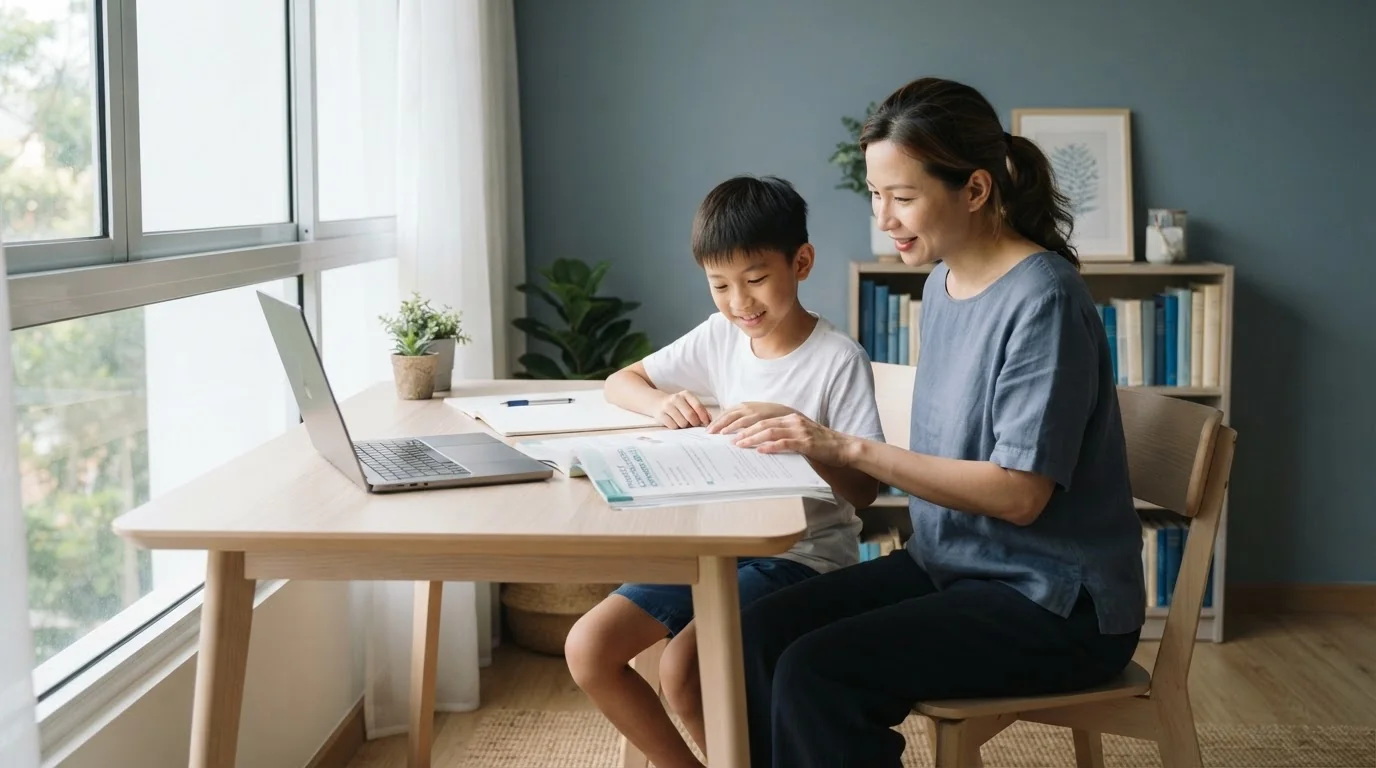
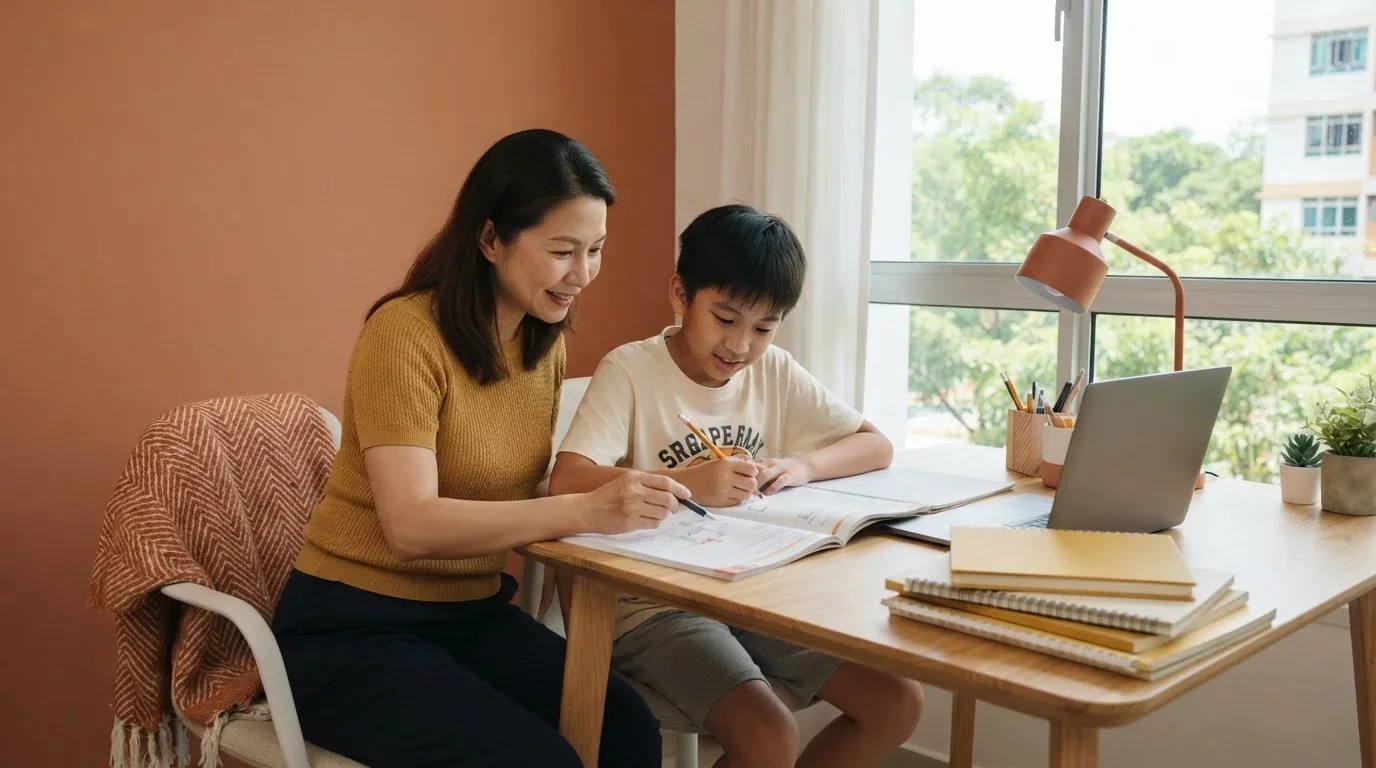
Coach the conversation: You don't need to be an English teacher to help with SBC. Use a picture prompt and the PEEL (Point, Explain, Example, Link) framework. After your child states an opinion, simply ask probing questions: "Why do you think that?", "Can you give me an example?", "So what does that mean for...?"
-
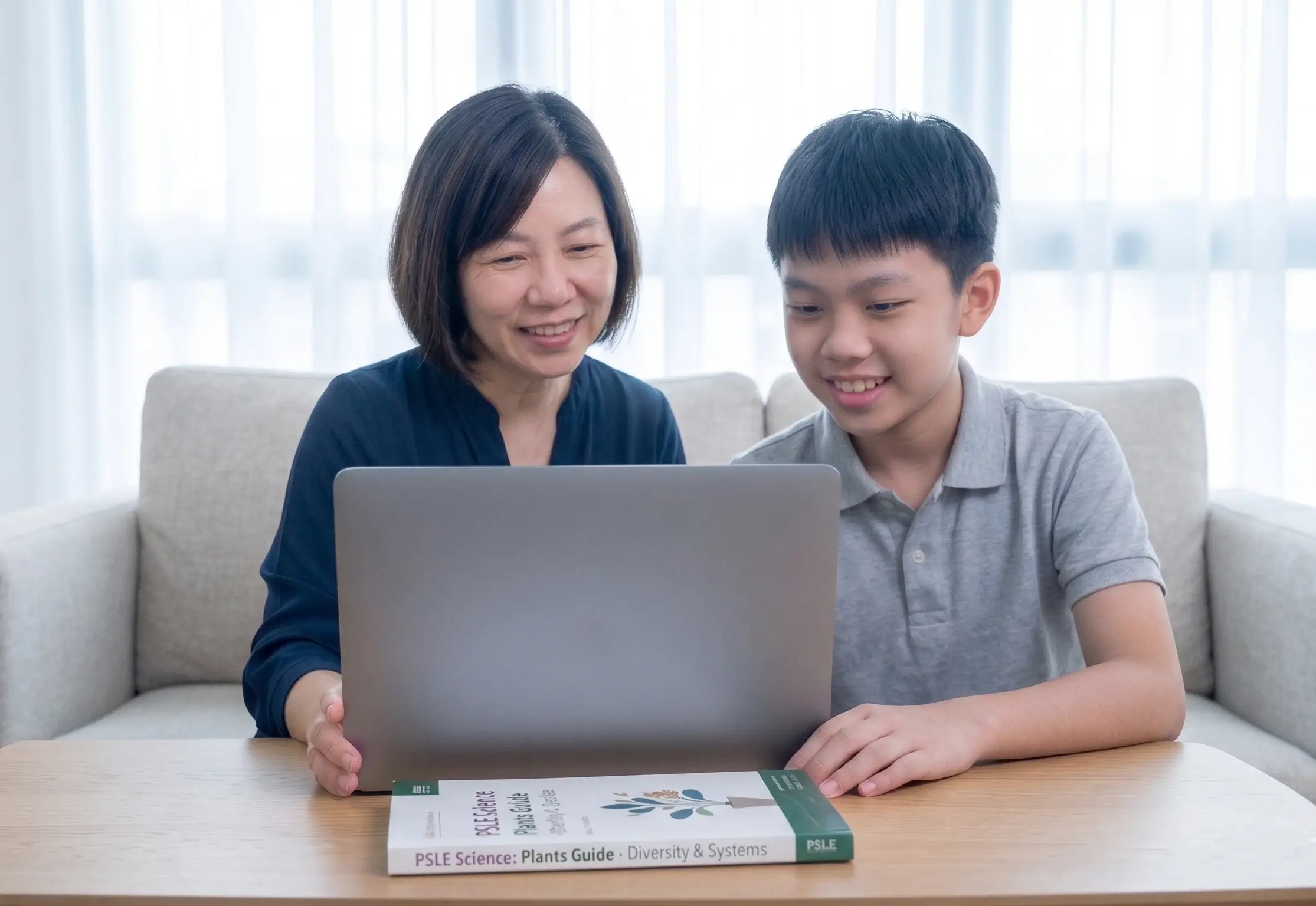
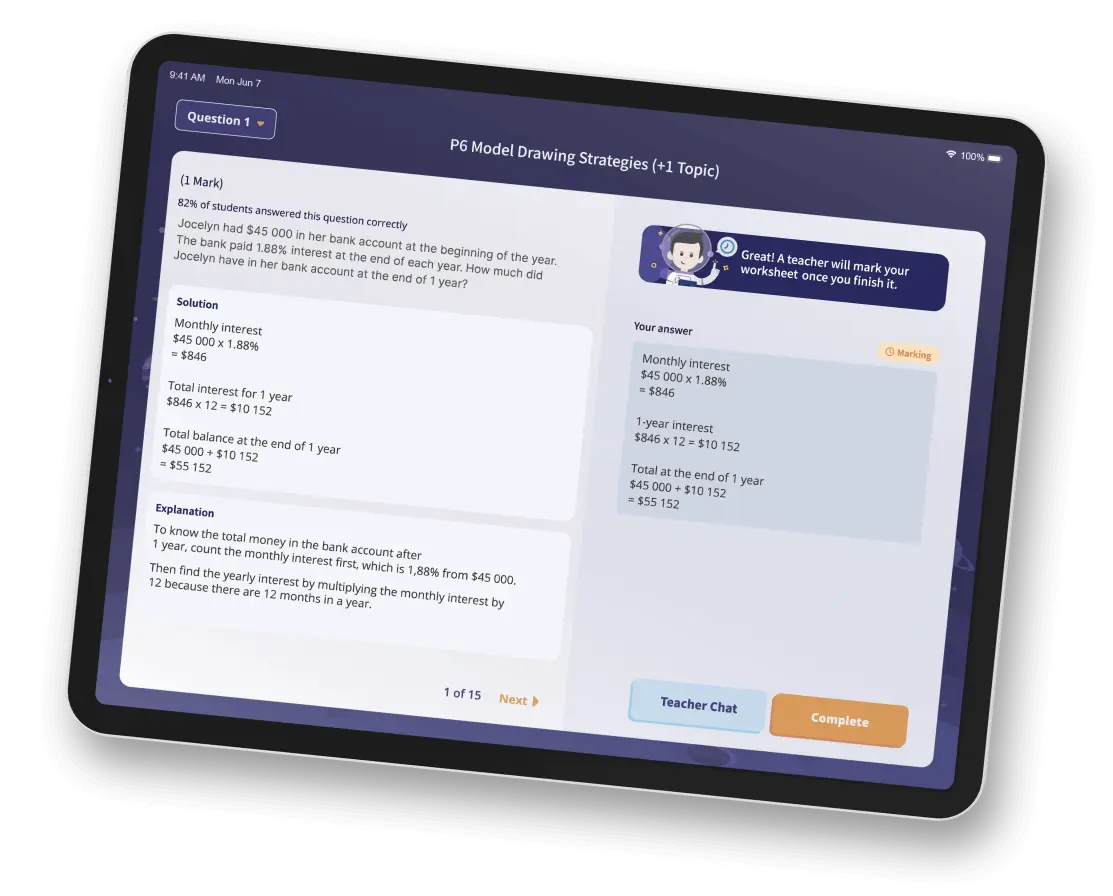
Leverage technology: Modern online tuition tools and AI-powered apps can provide scored feedback on pronunciation, fluency and even conversation structure. A year's subscription to a high-quality PSLE oral practice tool can cost under S$400. This is a fraction of the price of a traditional primary 6 English tuition package.
A Quick Decision Framework for Parents
To find the best fit, consider your child's personality and specific needs. Don't just follow the crowd.
| Child's Profile | Best Approach | Rationale |
|---|---|---|
| The self-motivated learner | Structured home practice + AI tool | Maximises active speaking time at the lowest cost. The child has the discipline to practise daily. |
| The anxious or shy speaker | 1-on-1 coaching (short-term) + home practice | A coach provides a safe space to build foundational confidence and fix specific issues before transitioning to independent practice. |
| The social learner | Group practice + daily home practice | The group setting builds confidence and social interaction skills, but daily home practice is essential to get enough active speaking time. |
Ultimately, preparing for the PSLE Oral exam isn't about enrolling in the most expensive programme. It is about being strategic. By focusing on maximising quality, active speaking minutes, you can build your child's confidence and fluency effectively without getting caught in an unnecessary education arms race.
Frequently Asked Questions
Is group primary English tuition worth it for PSLE oral preparation?
Group primary English tuition is often inefficient for oral preparation because students may only spend 5 to 10 minutes actually speaking during a 1.5-hour session. While these classes are common for P6 English tuition, the limited speaking time per student makes them less cost-effective for building fluency compared to consistent daily home practice. If you choose this route, you must supplement it with significant independent practice at home to ensure your child gets enough active speaking time.
When should I hire a private primary English tutor for my child?
You should consider hiring a private primary English tutor when your child requires targeted intervention for specific issues like severe exam anxiety, persistent pronunciation errors, significant vocabulary gaps or a complete lack of motivation to practise. A 1-on-1 coach provides a safe, private setting to build confidence and correct foundational mistakes that are often overlooked in a standard primary English tuition centre environment.
How can my child practise for the PSLE English oral exam at home effectively?
Your child can practise effectively at home by committing to a 20-minute daily routine that splits time evenly between reading aloud and stimulus-based conversation. You should record their reading aloud sessions to help them self-correct and use the PEEL framework to coach them through conversation prompts. Incorporating online tuition tools or AI-powered apps can also provide scored feedback on fluency and structure, serving as a high-value alternative or supplement to traditional P5 or P6 English tuition.
What is the most cost-effective way to prepare for PSLE oral exams?
The most cost-effective preparation method is structured daily home practice because it maximises active speaking minutes at zero marginal cost. While enrolling in a PSLE English tuition centre is a common strategy, replacing or supplementing it with daily, focused practice sessions, combined with affordable AI-powered oral practice tools, often provides better results than expensive weekly group classes alone. This approach allows you to build necessary skills without the high financial commitment of long-term private coaching.
How important is active speaking time in PSLE oral preparation?
Active speaking time is critical for PSLE oral success because examiners are looking for genuine, spontaneous conversation rather than rehearsed scripts. To perform well in the 25-mark stimulus-based conversation and 15-mark reading aloud components, students need to build the muscle memory required to think on their feet and articulate opinions clearly. A consistent daily practice schedule provides far more active speaking time than what is typically available in a standard primary level English tuition class.