


Reducing PSLE Maths Stress: A Practical Home Revision Plan for Busy Singaporean Families

The Real Reason Your Child Is Stressed About PSLE Maths (And How To Fix It)
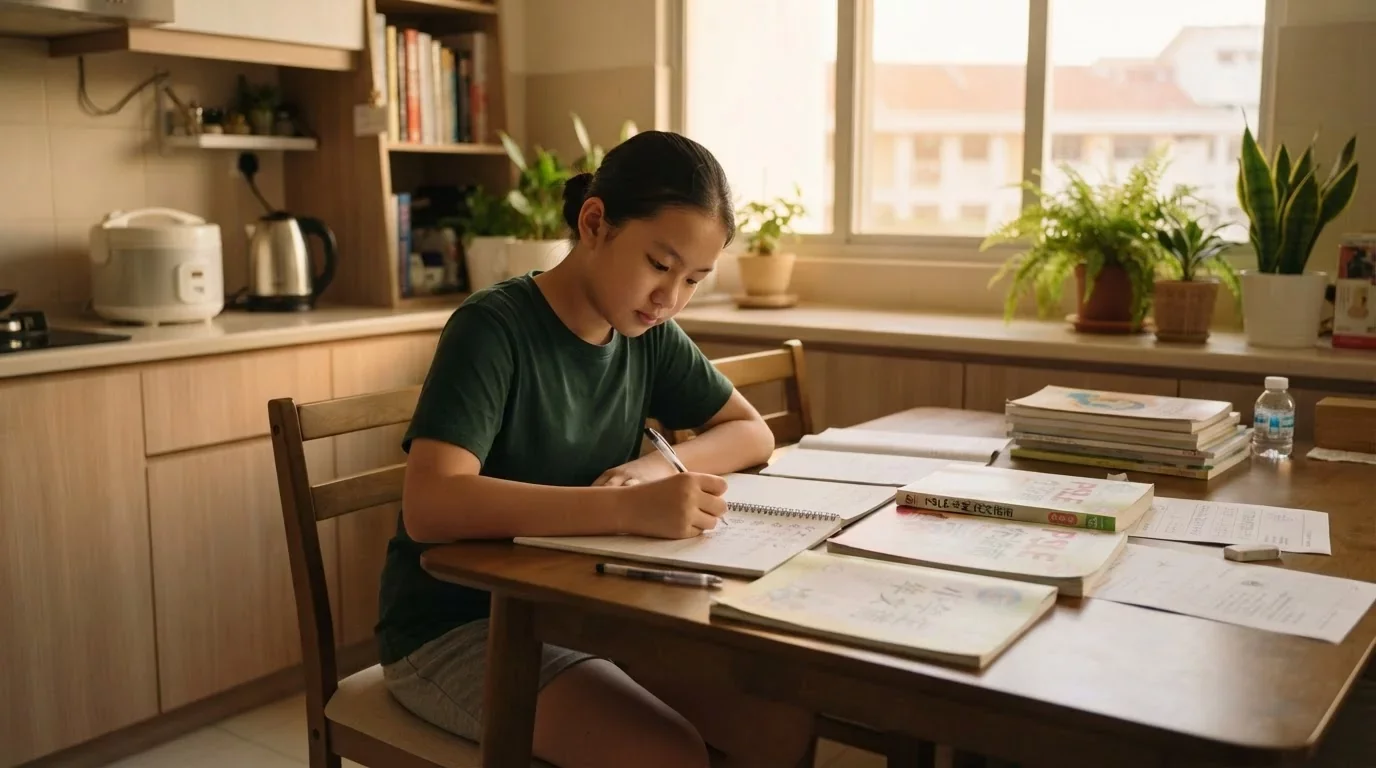
Reducing PSLE Maths stress isn't about eliminating it but managing it with a practical home revision plan. For busy Singaporean families, this means shifting from long, draining study sessions to short, consistent daily practice focused on understanding mistakes, not just completing worksheets. The goal is to cultivate a calm environment that enables clear thinking under pressure, which is precisely what the PSLE demands.
The pressure is real. PSLE Maths tests more than just concepts. It evaluates a child's ability to solve complex, multi-step problems against the clock. This high-stakes environment can cause anxiety, making it difficult for students to focus. But a sustainable routine can turn that anxiety into quiet confidence.
The Foundation: A Calm And Consistent Home Revision Routine
An overly ambitious timetable is doomed to fail. A simple, repeatable weekly routine is far more effective. Maths revision is different from memorising Science facts or English vocabulary. It requires building number sense and problem-solving logic, which grows with consistent, focused effort.
Forget Marathon Sessions: The Power Of 15-Minute Micro-Revisions
For most working parents, finding a two-hour block for revision is nearly impossible. A more practical approach is integrating short, 15-minute daily micro-sessions. This method leverages proven learning techniques:
-
Retrieval Practice: Actively recalling how to solve a problem without looking at the solution strengthens memory far better than passively reading it.
-
Spaced Repetition: Reviewing a concept or problem type at increasing intervals (e.g., day 1, day 3, day 7) helps transfer knowledge to long-term memory. These short bursts are less intimidating for a child and easier for a parent to supervise, making them perfect for reinforcing concepts from a Primary 5 Maths tuition class or preparing for the Primary 6 preliminary exams.
Create A 'Formula & Model' Bank, Not Just A Formula Sheet
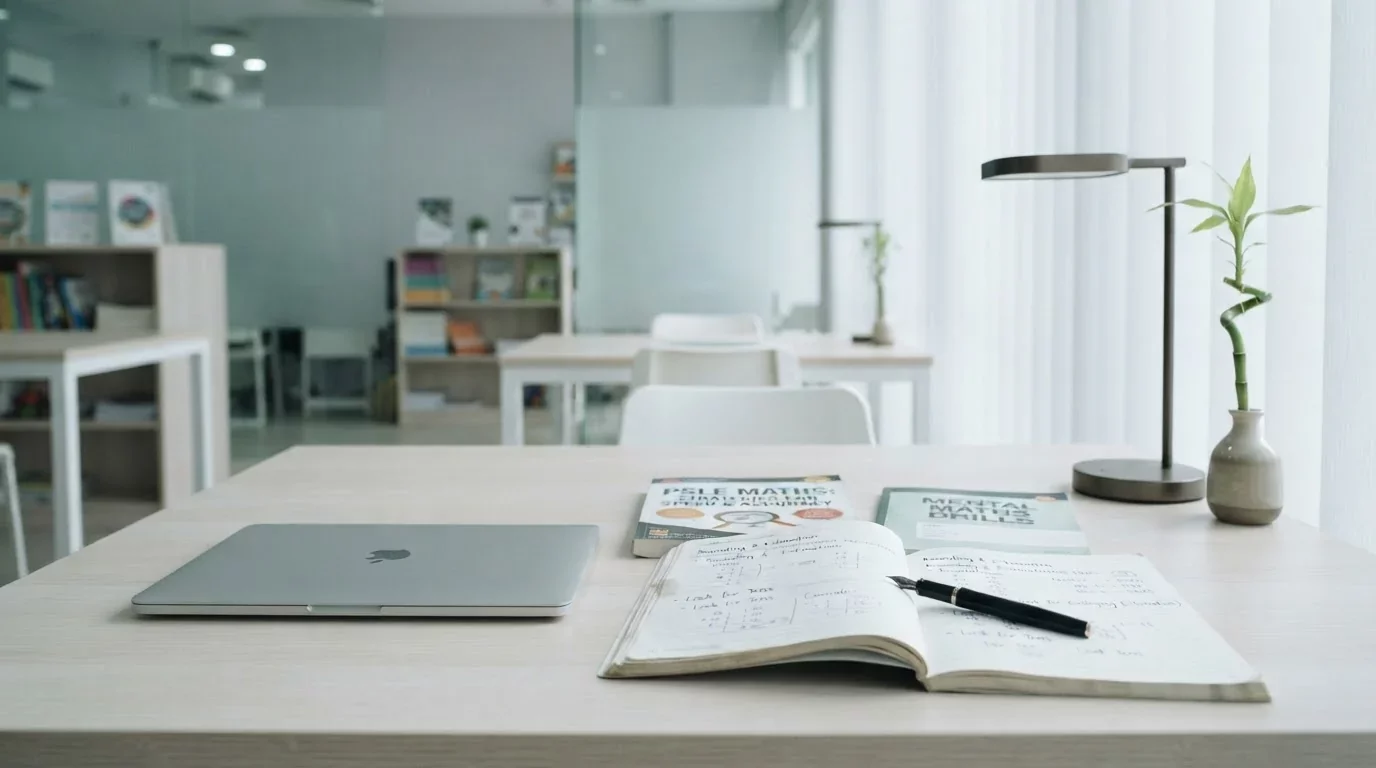
Encourage your child to maintain a dedicated notebook. This isn't just for writing down formulae. It's a 'Formula and Model Bank'. For each key concept, they should write the formula and draw the corresponding Singapore Maths model (like bar models) or heuristic (e.g., 'Working Backwards'). Reviewing this bank for 10 minutes daily sharpens retention and provides a quick confidence boost before an exam.
How To Stop 'Careless' Mistakes For Good: The Smart Mistake Audit
One of the biggest sources of frustration is the 'careless mistake'. Dismissing errors this way prevents real learning. Instead, conduct a four-step 'Smart Mistake Audit' to diagnose the root cause:
-
Identify the Error: Was it a calculation error, a concept misunderstanding, a misread question or a pattern blindness?
-
Analyse the 'Why': A calculation error might stem from rushing. A concept error means the topic needs a revisit. Misreading the question points to a weak exam habit.
-
Create a Fix: The fix for rushing is learning a step-by-step answer-checking method. The fix for a concept gap is targeted practice on that specific topic.
-
Log and Review: Keep a log of these mistakes and their fixes. Review it weekly. This systematic approach stops the same mistakes from reappearing. More practice without guided review only reinforces errors and increases stress. A thoughtful audit builds resilience and a logical mindset.
What's The Role Of Primary Maths Tuition In This Plan?
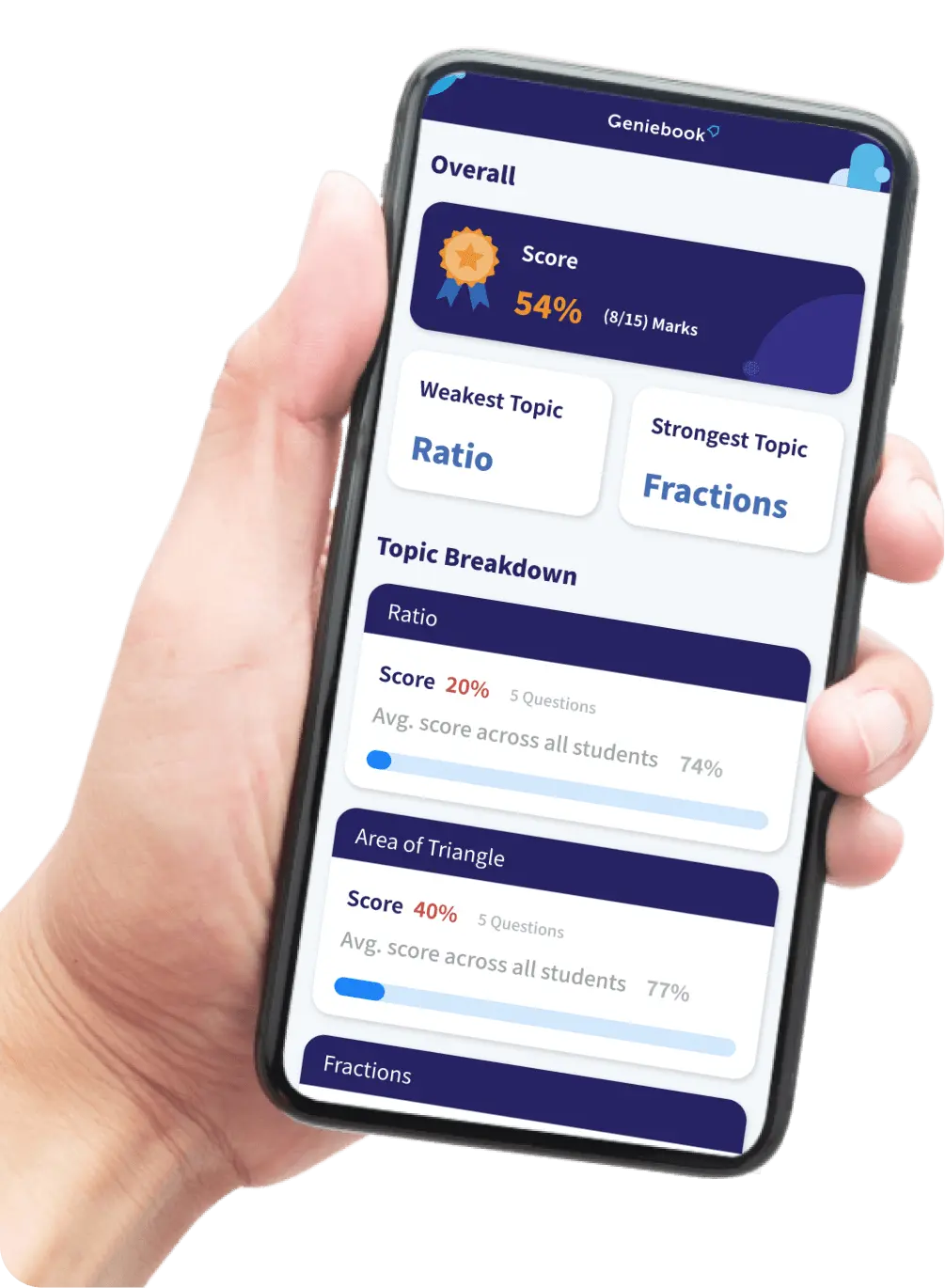
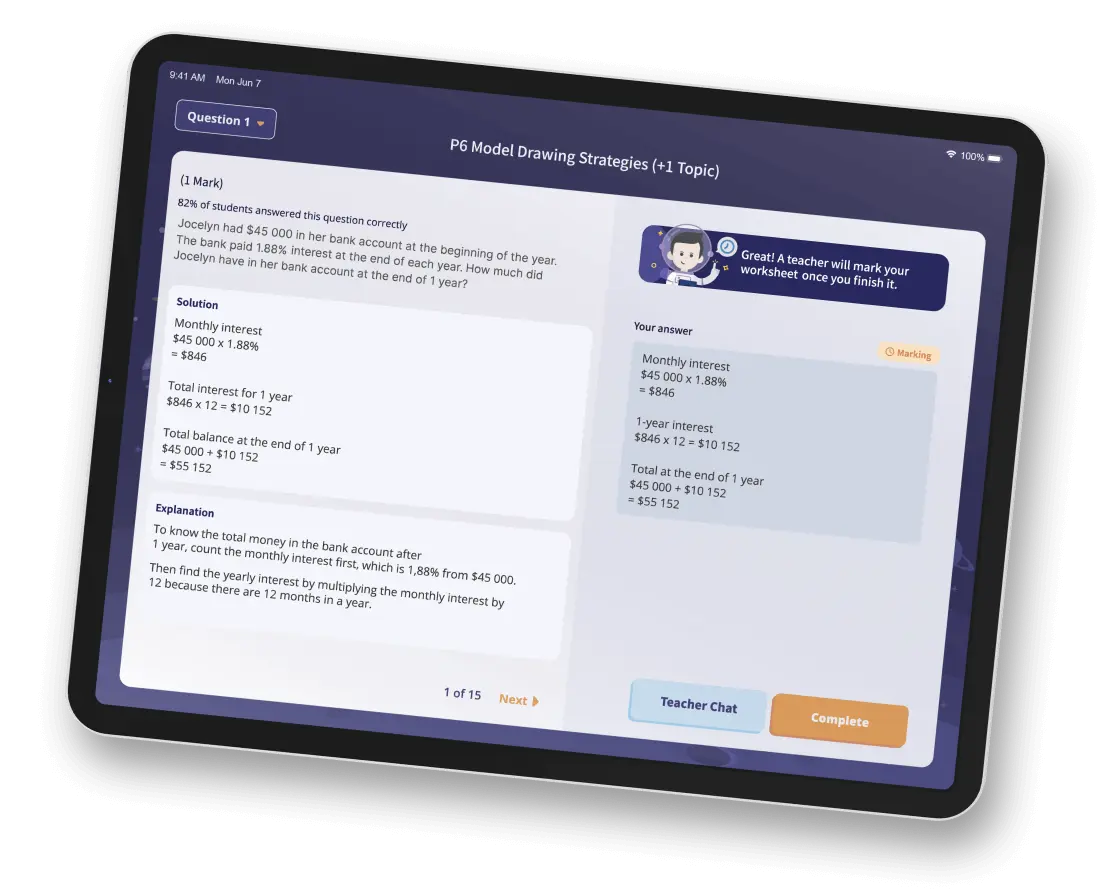
Let's be realistic. For many Singaporean parents, tuition feels essential. An IPS study in 2016 found that a staggering 84.9% of parents believe tuition gives their child an edge in the PSLE. The pressure to keep up is immense. However, tuition should be a targeted tool, not a blanket solution. Instead of finding a Primary Maths tutor to re-teach entire chapters, use them for focused interventions on recurring difficult question types. This is where a good PSLE Maths tuition provider shines. They can provide the personal attention needed to break down complex heuristics that a child struggles with. Furthermore, technology offers new, flexible solutions. The rise of online tuition platforms provides a cost-effective and convenient alternative. Some, like Geniebook, offer diagnostic tools to pinpoint weaknesses before a live class. Others, as reported by CNA, are AI-driven and can cost as little as S$49 a month, providing round-the-clock support for busy families who can't commit to a fixed schedule at a PSLE Maths tuition centre.
A Practical 4-Week PSLE Maths Sprint For Primary 6 Students
Here’s how to integrate these principles into a manageable schedule:
-
Week 1: Diagnosis & Foundation. Use an online diagnostic test or a past-year paper to identify 2-3 weak topics. Spend the week doing 15-minute micro-sessions on these Primary 4/Primary 5 foundational concepts.
-
Week 2: Topic Deep Dive & Interleaving. Focus on one weak Primary 6 topic (e.g., Composite Figures). Mix in questions from stronger topics (interleaving) to improve flexibility.
-
Week 3: Timed Practice & Heuristics. Introduce timed drills for Paper 1 (MCQ) and Paper 2 sections. Focus on speed and accuracy for specific MOE-style questions.
-
Week 4: Full Exam Simulation & Mistake Audit. Attempt a full mock paper under exam conditions. The main goal isn't the score but to use the 'Smart Mistake Audit' on every error made. Ultimately, building confidence for PSLE Maths comes from a sense of steady progress, not last-minute panic. By implementing a calm, structured plan that combines daily micro-habits, smart mistake analysis and targeted support, you can significantly reduce stress and empower your child to face the exam with focus and resilience.
Frequently Asked Questions
How Can I Reduce My Child's PSLE Maths Stress At Home?
You can reduce your child's PSLE Maths stress by implementing a practical home revision plan focused on short, consistent daily practice instead of long, draining study sessions. This approach helps manage anxiety by building a sustainable routine that cultivates a calm environment, shifting the focus from just completing worksheets to truly understanding mistakes.
How Long Should My Child Revise For PSLE Maths Every Day?
Short, daily 15-minute micro-revision sessions are more effective for PSLE Maths than infrequent, long study marathons. This method is less intimidating for a child and uses proven learning techniques to reinforce concepts from earlier levels like Primary 5 and prepare for P6 Maths tuition topics, helping transfer knowledge to long-term memory.
How Do I Stop My Child From Making Careless Mistakes In PSLE Maths?
To stop careless mistakes in Maths, you should conduct a 'Smart Mistake Audit' to diagnose the real reason behind the error instead of just dismissing it. This involves identifying the error type, analysing why it happened, creating a specific fix and logging the mistake for weekly review. This systematic approach stops the same errors from happening again.
When Is The Right Time To Get A Primary Maths Tutor For The PSLE?
A Primary Maths tutor or a PSLE Maths tuition centre is most effective when used for targeted interventions on specific, difficult question types your child struggles with, rather than for re-teaching entire chapters. Instead of being a blanket solution, Primary Maths tuition should be a focused tool to provide the personal attention needed to break down complex heuristics that a child finds difficult.
Is Online Tuition A Good Option For PSLE Maths Preparation?
Yes, online tuition is a good option for PSLE Maths preparation as it offers a flexible, convenient and often cost-effective alternative for busy families. Modern online platforms can provide diagnostic tools to pinpoint weaknesses and offer round-the-clock support, which is helpful for families who cannot commit to the fixed schedule of a physical tuition centre.