How Inclusive Education Works for SEN in Singapore: A Parent's Guide
What Is Inclusive Education in Singapore?
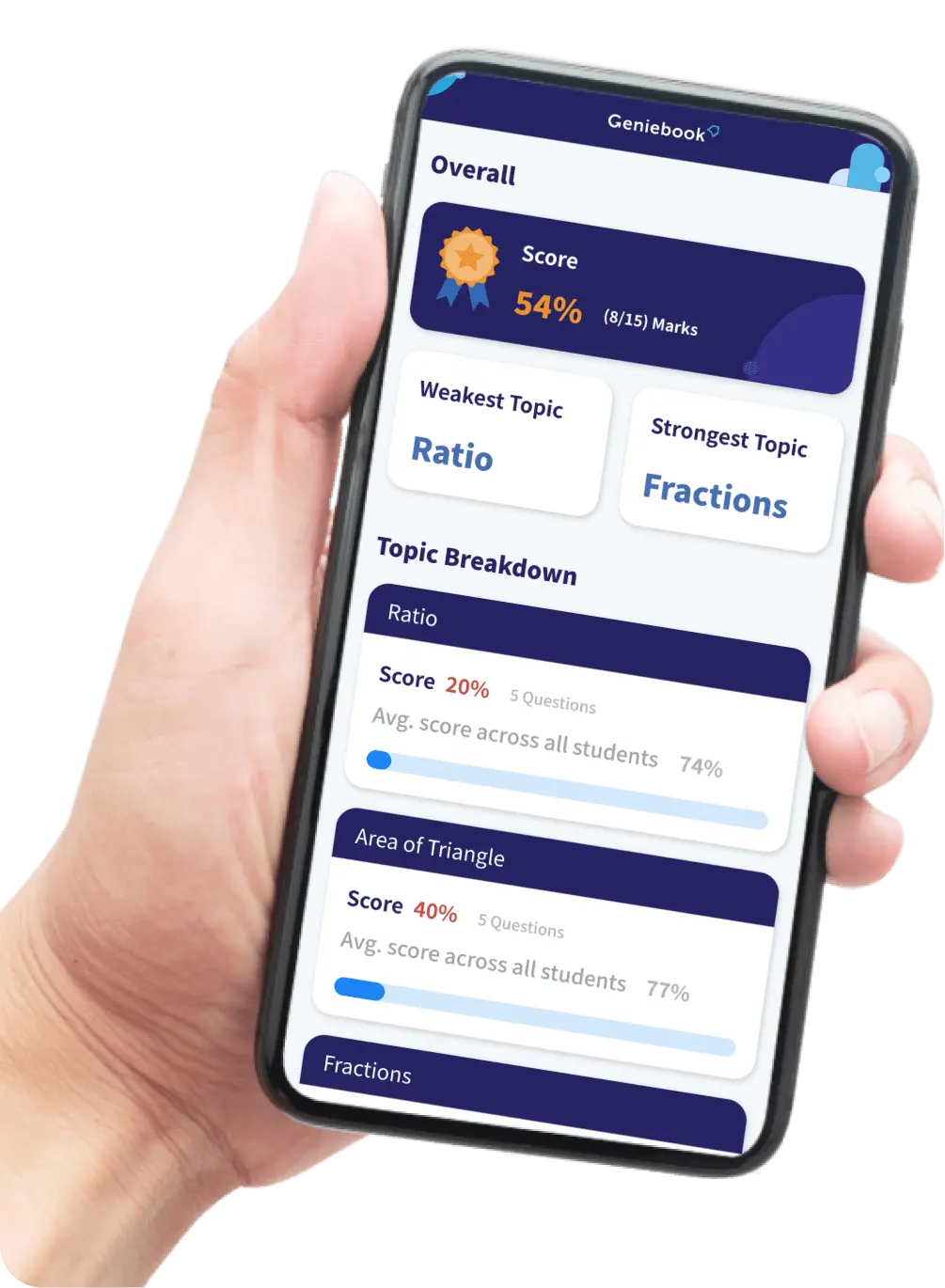
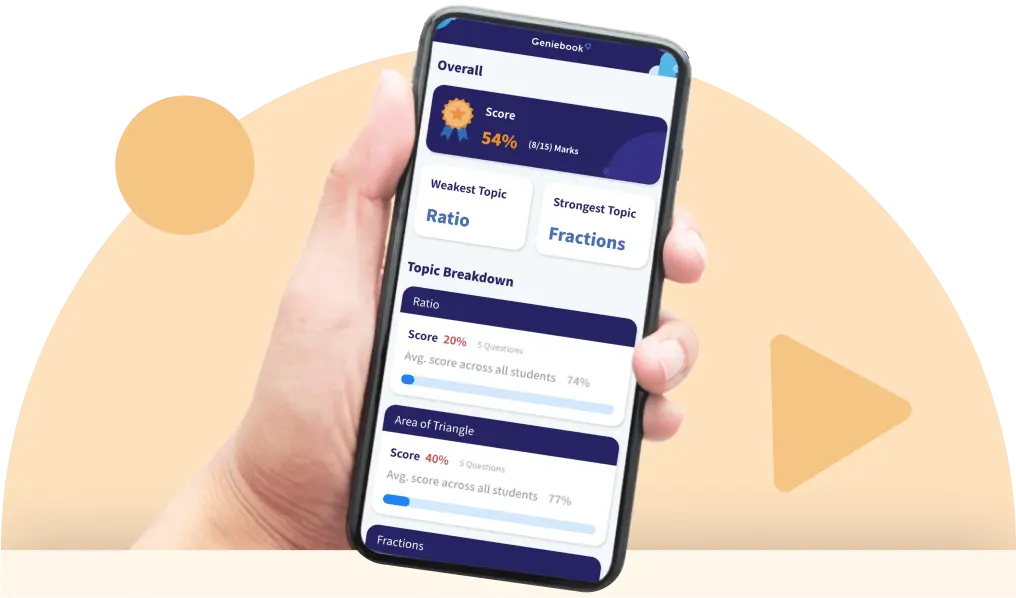
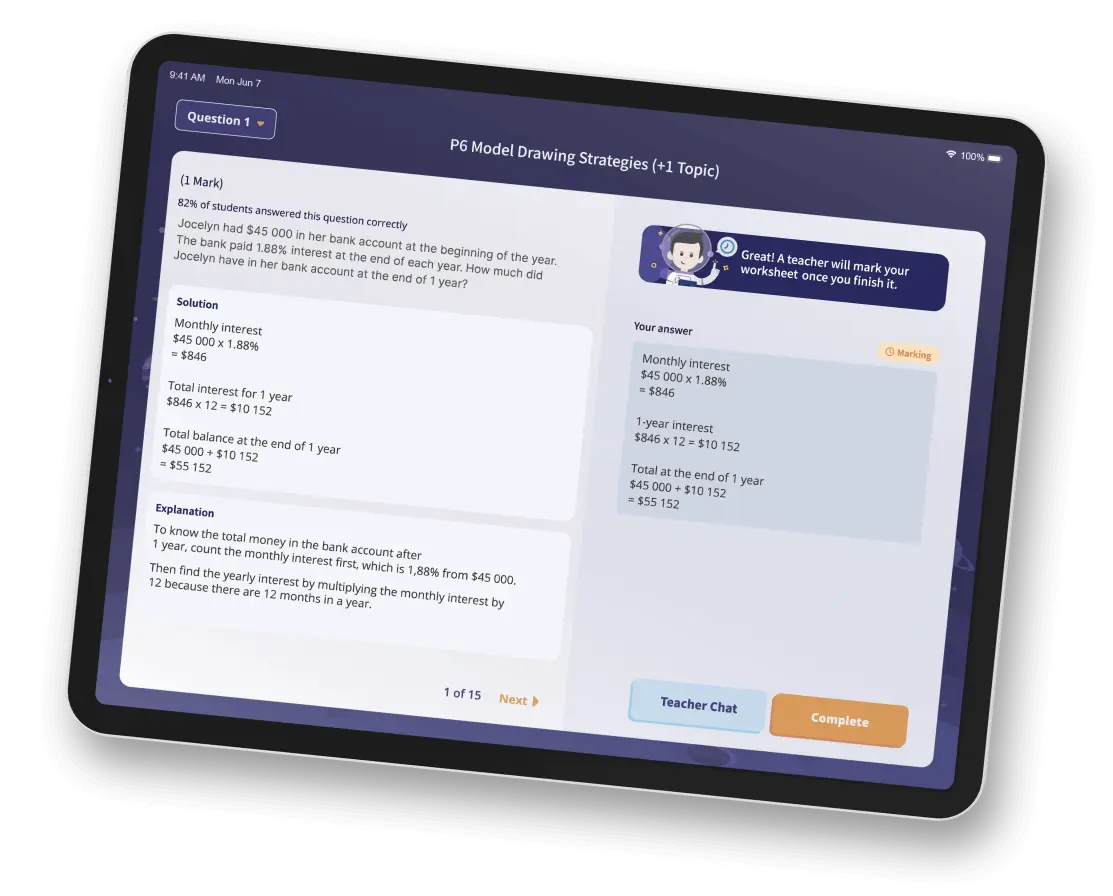
Inclusive education in Singapore is a national approach where students with Special Educational Needs (SEN) learn alongside their peers in mainstream schools, supported by specific MOE frameworks. Today, approximately 80% of students with SEN, including those with dyslexia, Autism Spectrum Disorder (ASD) or Attention Deficit Hyperactivity Disorder (ADHD), are integrated into mainstream classrooms, a significant shift that has unfolded over the last two decades. Personalised practice can help children work on their weaker topics at their own pace.
This model is more than just placing children in the same room. It is a commitment to creating an inclusive learning environment where diversity is recognised and supported. This aligns with Singapore's international commitments, such as signing the Convention on the Rights of the Child (CRC), which affirms the right of children with disabilities to special care and support.
How Do Mainstream Schools Support My Child With SEN?
Navigating the support system can feel daunting. The process in mainstream schools is structured to identify and assist students with different learning requirements.
Here is the typical support pathway:
- Identification: The process begins when a teacher or parent notices a student may need additional support. The school then uses specific pathways to recognise and assess the child's needs.
- In-school support: Schools are equipped with dedicated programmes. One of the most common is the Learning Support Programme (LSP), which provides extra help in foundational literacy and numeracy.
- Individualised plans: For students with higher support needs, the school develops an Individual Education Plan (IEP). This is a tailored document created in collaboration with parents, teachers and Allied Educators (AEDs) that sets specific learning goals and strategies for your child. It is reviewed regularly to track progress.
- Allied Educators (AEDs): Many schools have AEDs specialised in Learning and Behavioural Support (AED-LBS). They work directly with students, support teachers in the classroom and act as a key point of contact for parents.
What Is the Role of Special Education (SPED) Schools?
While most SEN students are in mainstream schools, about 20% who require more intensive support attend one of Singapore’s 19 Special Education (SPED) schools. These schools are not isolated from the mainstream system.
Many SPED schools participate in 'Satellite Partnerships' with mainstream schools. This innovative model fosters genuine disability inclusion in education by facilitating joint activities like Co-Curricular Activities (CCAs), workshops and even shared recess. Students from both schools interact, build friendships and learn from one another, breaking down social barriers from a young age.
What Are the Real Challenges of Inclusion in the Classroom?
Despite the strong policy framework, the reality on the ground has its difficulties. As an educator, I’ve seen both the successes and the struggles, and it’s important for parents to have a clear picture.
- Teacher workload and training: Mainstream teachers are at the heart of inclusive education but often face significant time constraints and may lack specialised training for diverse SEN profiles. While their commitment is strong, some feel under-equipped to provide the necessary level of differentiated support.
- Parent perceptions and gaps: A 2016 survey by the Lien Foundation revealed a gap between policy ideals and lived experience. It found that many parents of SEN students felt the support in mainstream schools was not yet sufficient, and Singapore was perceived as being far from truly inclusive.
- The rise of 'shadow education': The prevalence of private tutoring for students with SEN suggests that some families feel the need to supplement the support provided in school. This indicates that while the in-school framework is a strong foundation, it doesn't always meet every child's complete needs.
What Are the Benefits of Inclusive Education?
When done well, the benefits of inclusion in the classroom extend to every child, not just those with SEN. An inclusive culture shapes character and perspective in powerful ways.
Children in inclusive settings learn empathy, patience and respect for differences. They see firsthand that everyone has unique strengths and challenges. The establishment of Singapore's first inclusive preschool, Kindle Garden, in 2016 was a landmark. It showed that starting early creates a foundation where children grow up seeing inclusion as the norm.
MOE also embeds this ethos in national programmes. Students with and without SEN rehearse and perform together at the Singapore Youth Festival and National Day Parade. The 5D4N Inclusive Sailing programme piloted with Outward Bound Singapore (OBS) is another powerful example, proving that adventure and resilience-building are for everyone.
What Is the Future of Inclusion in Singapore?
The journey towards a fully inclusive education system is ongoing. The focus is shifting from simply ensuring access to ensuring quality and equity. Education Minister Chan Chun Sing has repeatedly emphasised that a student's background, including their learning needs, should not limit their potential.
Progress is being made, from the increasing number of inclusive preschools to ongoing research aimed at understanding the student's perspective. For parents, this means the system is dynamic. Your voice is crucial in shaping the IEP for your child and in working with schools to build a truly supportive community. The path may not always be smooth but the commitment to helping every child find their place and thrive is stronger than ever.
Frequently Asked Questions
Can My Child With Special Needs Attend a Mainstream School in Singapore?
Yes, most children with special needs can attend a mainstream school in Singapore because approximately 80% of students with Special Educational Needs (SEN) are currently integrated into mainstream classrooms. These schools are supported by the Ministry of Education (MOE) to create an inclusive learning environment, though students requiring more intensive support may be better suited for one of the 19 SPED schools in Singapore.
What Kind of Support Will My Child Receive in a Mainstream Primary or Secondary School?
Students in mainstream schools receive SEN support through identification processes, specific programmes like the Learning Support Programme (LSP) and the creation of an Individual Education Plan (IEP). Schools also utilise Allied Educators (AEDs) who specialise in Learning and Behavioural Support to work directly with students, support teachers in the classroom and act as a key point of contact for parents.
How Are SPED Schools in Singapore Different From Mainstream Schools?
SPED schools in Singapore are designed for students who require more intensive, specialised support that goes beyond what is typically available in a mainstream setting. While these schools operate with a specialised focus, they are not isolated from the mainstream system as many participate in Satellite Partnerships with mainstream schools to facilitate joint activities like CCAs, workshops and shared recess.
What Is an Individual Education Plan (IEP) and Is It Necessary?
An Individual Education Plan (IEP) is a tailored document created in collaboration with parents, teachers and Allied Educators for students with higher support needs. It sets specific learning goals and strategies for your child and is reviewed regularly to track progress, serving as a vital tool to ensure your child receives appropriate assistance within the mainstream school system.
What Are the Benefits of Inclusive Education for My Child?
The benefits of inclusive education include the development of empathy, patience and respect for differences in all students, not just those with SEN. By learning alongside peers with diverse needs, children gain a broader perspective and see firsthand that everyone has unique strengths and challenges, which helps foster a more inclusive culture within the classroom.
Why Do Some Families Feel the Need to Seek Extra Support Outside of School for Their Child With SEN?
Some families seek support outside of school because they feel that while the current MOE SEN support framework provides a strong foundation, it does not always meet every child's complete individual needs. The rise of private tutoring often reflects a desire for supplementary help to ensure a student keeps pace with the curriculum or receives more focused attention than a busy classroom teacher can provide.