The Sunday PSLE Prep Checklist for Targeted Weekly Practice
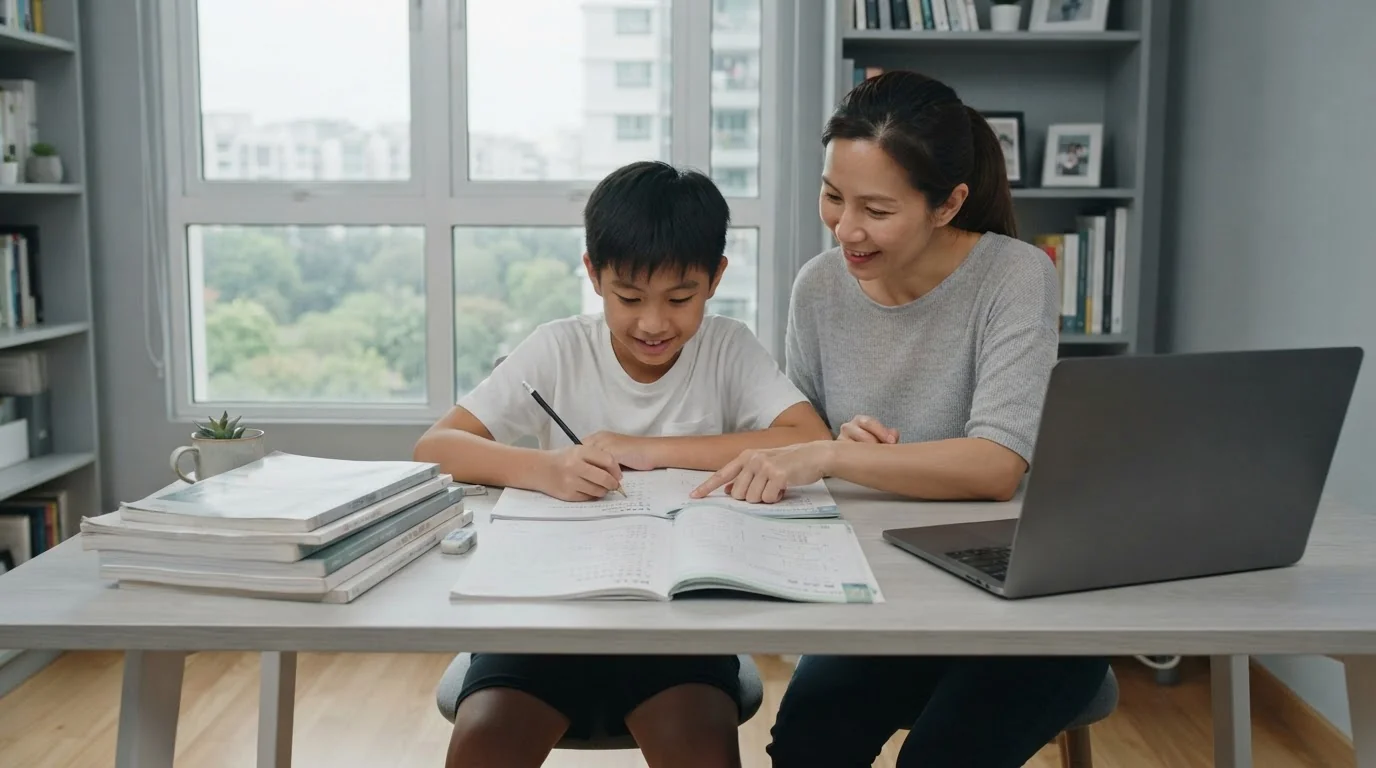
The Sunday PSLE Prep Checklist for Targeted Weekly Practice
An effective Sunday PSLE routine focuses on targeted practice of specific weak areas, not endless hours of passive revision. This approach creates a low-conflict, high-impact weekly habit that builds confidence without causing burnout. When done right, this targeted approach complements schoolwork and leverages the benefits of online tuition to create a truly AI-personalised learning journey for your child.
Many parents feel the pressure to cover entire subjects every weekend, but this often leads to frustration. Instead, a focused checklist can transform study time into a precise, effective session that actually moves the needle. Personalised practice can help children work on their weaker topics at their own pace.
The Four-Step Sunday Checklist for Targeted PSLE Practice
Rather than simply re-reading textbooks, shift to active question drilling with this low-conflict routine.
- 1. Review Error Logs first: Before anything else, pull out your child’s school worksheets and tests from the past week. Look for recurring mistakes. Is it fractions in Mathematics? Inference questions in English? This immediately shifts the focus from broad topics to specific, diagnosed weaknesses.
- 2. Pinpoint 2-3 Weak Subtopics: Based on the error log, choose just two or three specific subtopics for the day’s session. This prevents wasting time on areas your child has already mastered and channels all their energy where it’s needed most.
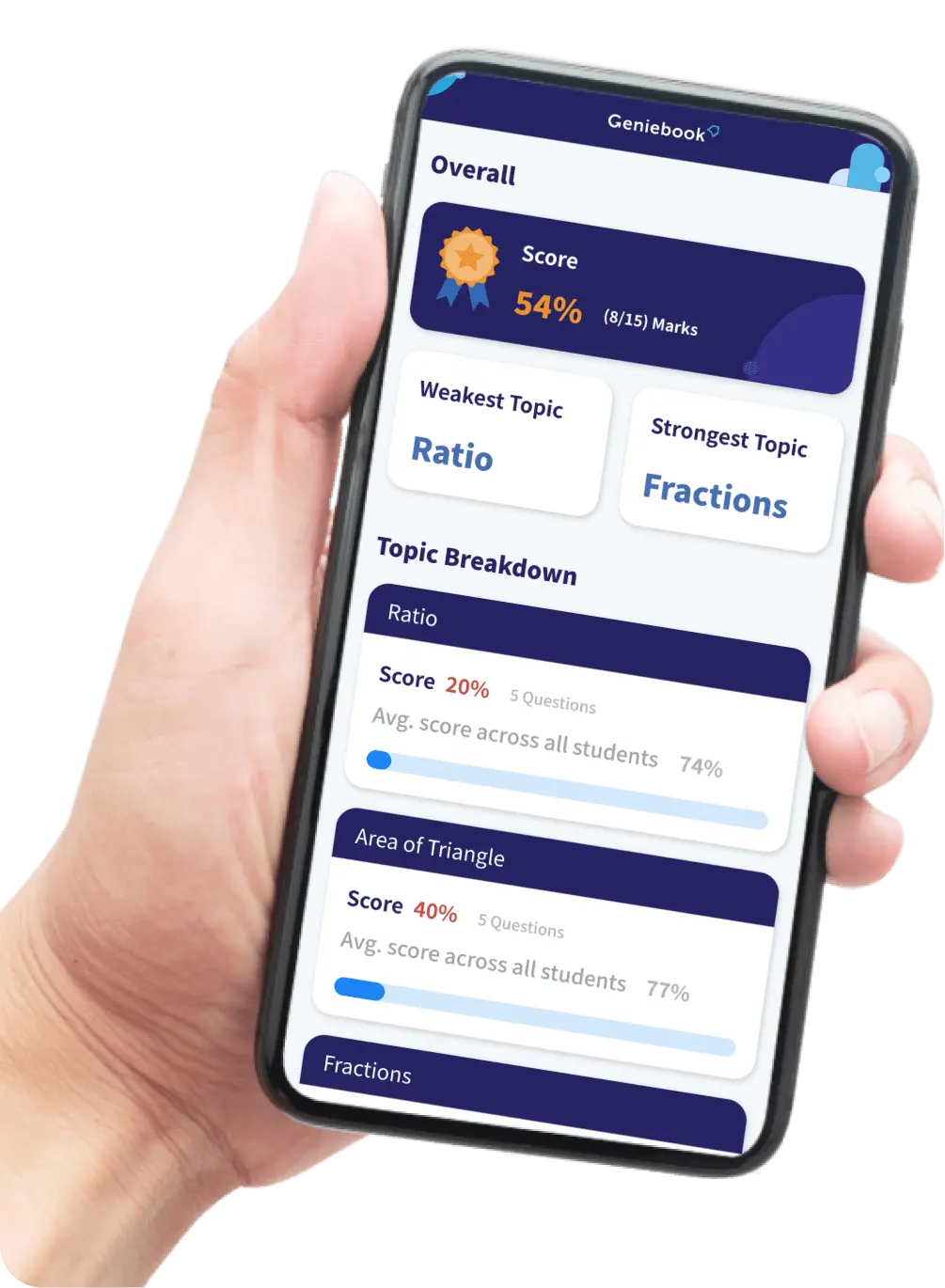
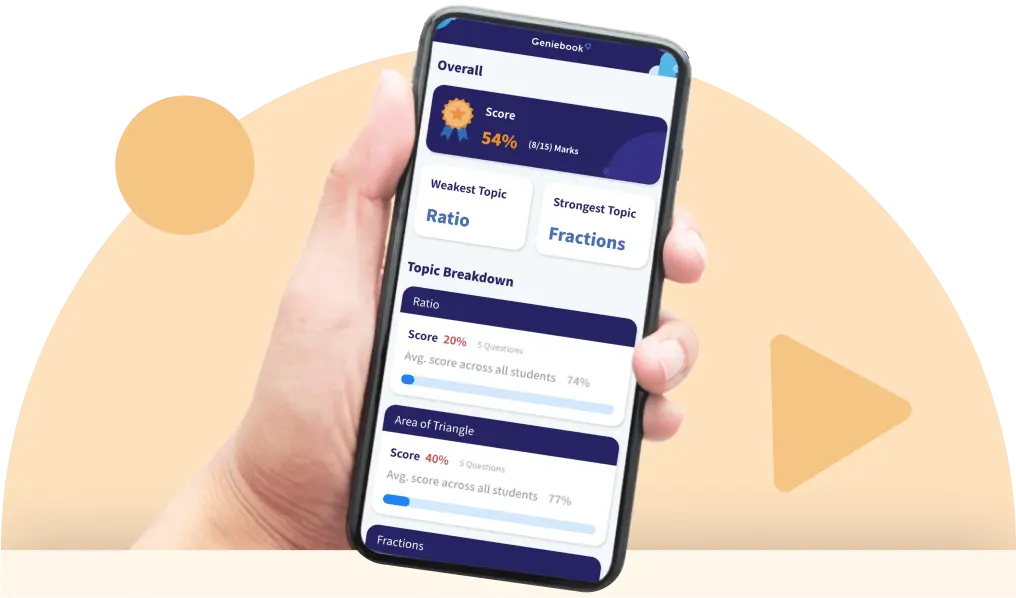
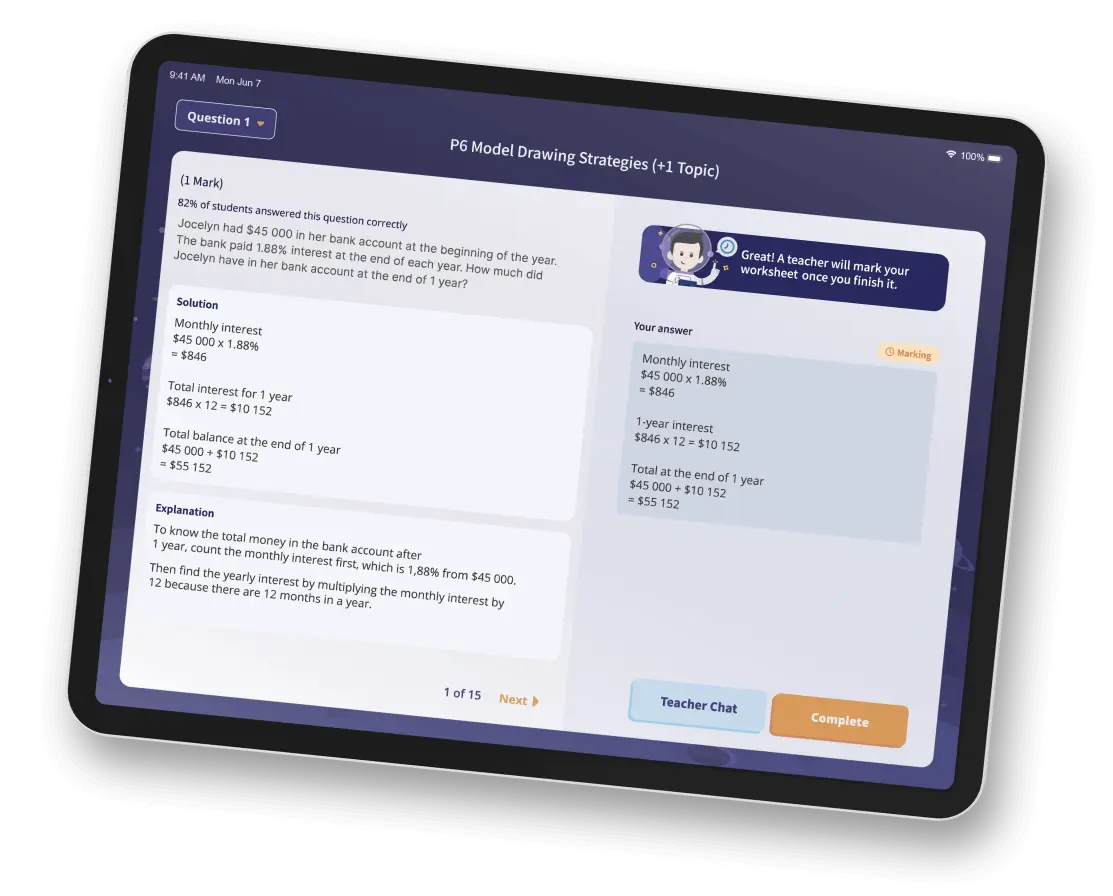
- 3. Use Short, Adaptive Practice Sets: Integrate short bursts of practice. Many digital platforms provide adaptive question sets that adjust in difficulty based on your child's answers, offering immediate feedback. The goal is consistency over intensity. Even 15-minute daily sessions during the week can reinforce Sunday’s work. This is where tools offering virtual tutoring can be invaluable.
- 4. Track Completion Simply: Use a planner or a simple notebook to tick off completed tasks. If a task isn't finished, circle it. Over a few weeks, this simple tracking will reveal patterns in difficult topics and help you adjust the following week’s plan.
Why a Diagnostic Check Beats Blind Revision
Many well-meaning parents fall into the trap of over-preparing their child for subjects they are already good at, while critical weaknesses go unnoticed. Before committing to a gruelling revision schedule, run a diagnostic assessment to get a clear picture of your child’s standing. If a holiday bootcamp or programme doesn’t specifically target their identified weak spots, it may not be the best use of time.
Some PSLE components have a higher return on investment. The oral exam, which now carries an increased weightage of 40 marks or 20% of the Standard English grade, is a prime example. Its Stimulus-Based Conversation (SBC) section is now worth 25 marks, while Reading Aloud carries 15 marks. Yet, many students’ oral skills go undiagnosed until the school prelims, leaving little time to improve. Consistent practice in the final weeks delivers significant gains here.
A 12-Week Game Plan for the PSLE Oral Exam (2027)
For students taking PSLE in 2027, the oral exam will likely be in mid-August. A structured plan should begin around mid-May 2027. This consistent approach can be coached by any parent, even for Mother Tongue languages you don't speak.
- Daily 15-20 Minute Routine: Dedicate 10 minutes to reading passages aloud and 10 minutes to conversation practice using real-life photographs. Consistency is far more effective than cramming.
- Nail the New Reading Aloud Preamble: Reading Aloud is no longer just about pronunciation; the updated format includes a preamble detailing the purpose, audience and context of the text. Practise reading with different preambles (e.g., a speech to classmates versus a story for younger children) so your child learns to adjust their tone and expression naturally.
- Master Photo-based SBC: The exam has shifted from illustrated posters with text labels to real-life photographs, requiring higher-order thinking. Because there are no guiding sub-prompts anymore, teach your child to observe details, describe and interpret the image, connect it to personal experiences and develop ideas independently. Remind them that the Reading Aloud passage and SBC photo are no longer thematically linked, so they must shift gears quickly!
- Weekly Full Mock Orals: Once a week, conduct a full mock oral. Crucially, enforce the 5-minute preparation time limit to build resilience for the actual exam conditions.
- Prepare the Logistics: The most common reason for last-minute panic is logistical failure. The night before the exam, pack the essentials: Student ID or passport, the official PSLE entry proof and plan the travel route with a 30-minute buffer.
How Do I Structure a Weekly Study Plan That Works?
A good plan provides structure without being rigid.
First, block out non-negotiable commitments like school, CCA and family time in a weekly planner or Google Calendar. Then, slot in study sessions. A good rule of thumb is the 80/20 split: 40 minutes of focused work followed by a 10-minute break.
Avoid dedicating an entire week to one subject. Rotating subjects daily or every two days keeps the mind engaged and ensures balanced coverage. Incorporate timed practices regularly, starting with one paper every two weeks and increasing the frequency as PSLE approaches. After each practice, mark it and get your child to redo the incorrect questions 3-5 days later. This is a technique known as spaced repetition.
The convenience of online class tuition and other digital tools aligns with MOE's own push towards blended learning. These platforms can support independent study by offering immediate help, extra notes or adaptive practice questions. Some even offer 1 to 1 online tuition for deep-diving into a particularly troublesome topic, providing a layer of AI-personalised learning that is hard to replicate in a large group.
Key PSLE 2027 Milestones to Watch
While the official SEAB schedule for 2027 is yet to be released, we can estimate key dates based on previous years.
- PSLE 2027 Oral Exams: Expect these to take place in mid-August 2027.
- 12-Week Prep Kick-off: To follow the recommended oral exam timeline, begin your focused daily routine in mid-May 2027.
- The Fnal Week: Avoid introducing new material or cramming. The last week should be deliberately light, focusing on reviewing notes, sharpening known skills and ensuring your child is well-rested.
Ultimately, a structured Sunday routine built on targeted practice is about working smarter, not just harder. By identifying real weaknesses and focusing your effort, you can build your child's skills and confidence steadily, making the journey to PSLE a much more manageable one. The growth of quality online tuition has made this targeted approach more accessible than ever before.
Frequently Asked Questions
What Is the Most Effective Way to Use a Sunday PSLE Prep Checklist?
The most effective PSLE prep checklist routine involves prioritising active error logging rather than passive revision. Start by reviewing your child’s school worksheets from the past week to identify recurring mistakes, then select only two or three specific subtopics to focus on for that day. This targeted weekly PSLE practice prevents burnout and ensures study time is used precisely to address known weaknesses.
How Do I Create a Realistic PSLE Study Plan for My Child?
You can create a sustainable PSLE study plan by first blocking out non-negotiable commitments like school, CCA and family time in a weekly planner. Once those are fixed, slot in study sessions using an 80/20 approach, where your child completes 40 minutes of focused work followed by a 10-minute break. To maintain engagement, rotate subjects every one or two days instead of dedicating an entire week to one subject, and incorporate spaced repetition by having your child redo incorrect questions 3-5 days after a practice session.
When Should My Child Start Preparing for the PSLE 2027 Oral Exam?
Students taking the PSLE in 2027 should begin a structured oral exam preparation routine around mid-May 2027. Consistent daily practice of 15-20 minutes, including reading passages aloud with different preambles and photo-based conversation practice, is significantly more effective than last-minute cramming. Aim to conduct weekly full mock oral sessions starting from this date to build resilience for actual exam conditions.
What Are the Best PSLE Oral Exam Tips for Improvement?
With the new format changes, the best PSLE oral exam tip is to shift away from rote memorisation and focus on real-world communication. For Reading Aloud, train your child to use the new preamble to adjust their tone based on the stated purpose, audience and context. For the Stimulus-Based Conversation (SBC), since visual prompts are now real-life photos without guiding text labels or sub-prompts, practice observing details, interpreting the image, sharing personal experiences and independently developing opinions with reasons.
How Can E-Tutoring Help With My Child's Singapore Education Revision?
Digital tools and e-tutoring can support your child's revision by offering adaptive practice sets that adjust in difficulty based on their performance, which helps bridge specific knowledge gaps. These platforms allow for independent study by providing immediate feedback, extra notes and virtual support, which aligns with the Ministry of Education's push for blended learning in the Singapore education system. Using these resources allows parents to provide a more targeted learning experience that is often difficult to replicate in a large group setting.