PSLE Science Revision: Real Questions Parents Ask
PSLE Science Revision: Answering Your Top Questions for 2027
The journey towards the PSLE can feel like navigating a maze. Many parents I speak to are looking for a clear map, especially for a content-heavy subject like Science. They want to know what to focus on, when to start and how to help without adding to the pressure. When considering if support like Primary Science tuition or the flexibility of online tuition is needed, it’s best to first understand the road ahead. This is a practical, no-nonsense Q&A to address the real concerns you have about preparing your child for the PSLE Science paper in 2027.
What's New in the PSLE Science Paper for 2027?
The Ministry of Education (MOE) has updated the paper format, and being aware of these changes is your first strategic advantage. For children taking the Standard Science paper from 2026 onwards, the format is now:
-
Booklet A: 30 Multiple-Choice Questions (MCQs), making up 60 marks (including linked MCQs based on shared scenarios).
-
Booklet B: 10 to 11 open-ended, structured questions, making up the remaining 40 marks.
The total time for the paper is 1 hour and 45 minutes. (Note: Students taking Foundation Science sit a different 1 hour and 15 minute paper with 20 MCQs, 9 to 11 short-response and structured questions, and a provided word list.) More importantly, there's a key change in the syllabus: the 'Cells' topic has been completely removed. Your child should not spend any revision time on this topic for the PSLE 2027 cycle.
When Should My Child Start Revising P3 and P4 Science Topics?
This question often comes from a place of anxiety, and a fear of starting too late. The truth is, there isn’t a magic start date. The most effective revision for Primary 3 and 4 topics is not a massive, last-minute effort. It is a process of continuous, progressive reinforcement.
Think of it this way: concepts like classifying materials or understanding life cycles are foundational. They reappear in more complex P5 and P6 topics. The best approach is to briefly review these earlier concepts whenever they connect to a new P5 or P6 topic being taught in school. This builds a strong, interconnected web of knowledge rather than isolated facts that are easily forgotten.
How Much Time per Week Is Enough for Science Revision?
Forget about clocking hours. The more important question is, "What did my child achieve during that time?" Quality of revision beats quantity, always. A focused 15-minute session of active recall can be more valuable than a passive hour of reading a textbook. Marathon study sessions often lead to burnout, not better understanding.
A balanced approach should include three activities:
-
Concept Building: Time spent truly understanding a scientific idea before practising questions.
-
Targeted Practice: A mix of MCQs and open-ended questions, ideally from different topics. This forces your child to identify the right concept to apply, just like in the actual exam.
-
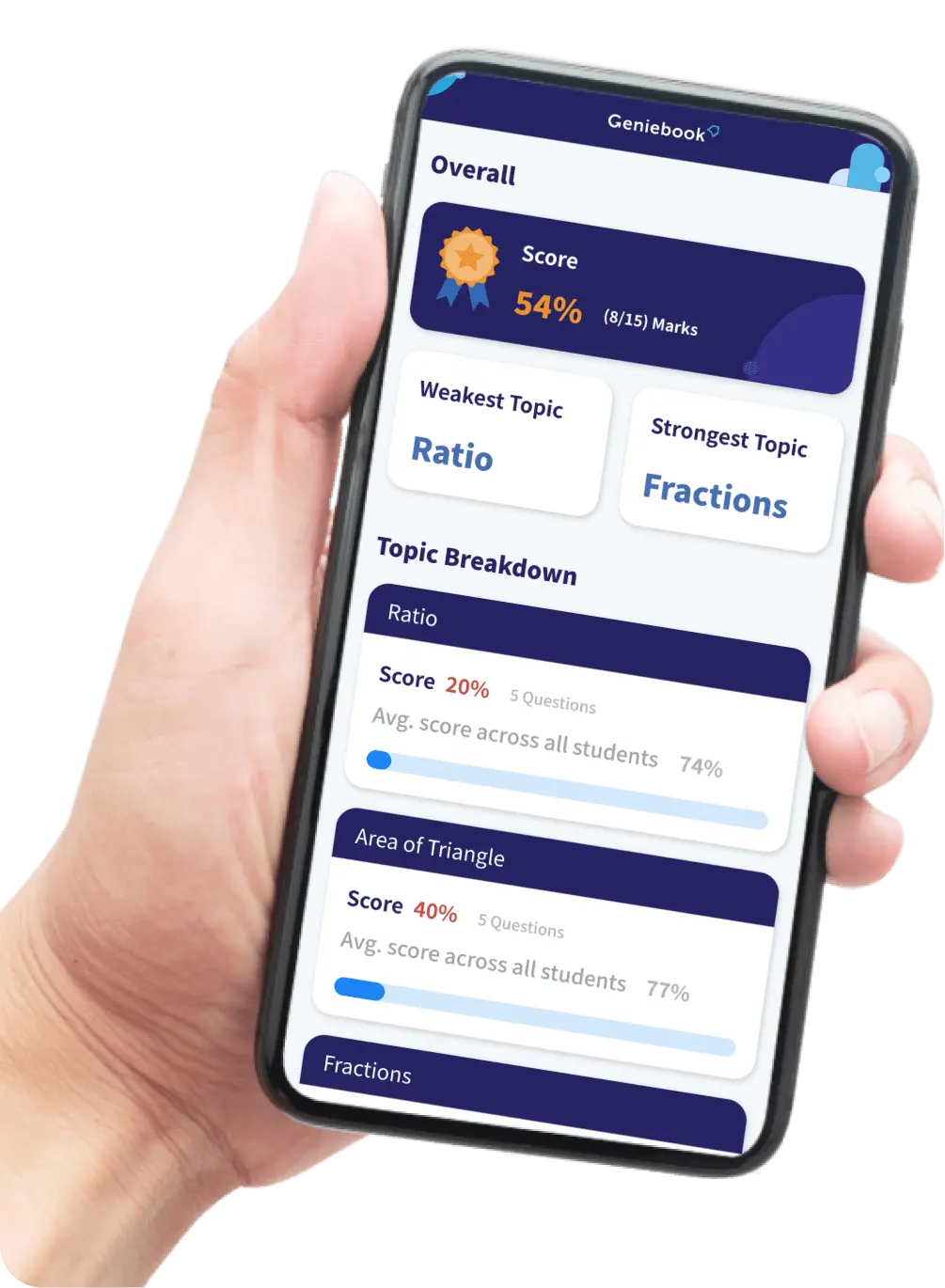
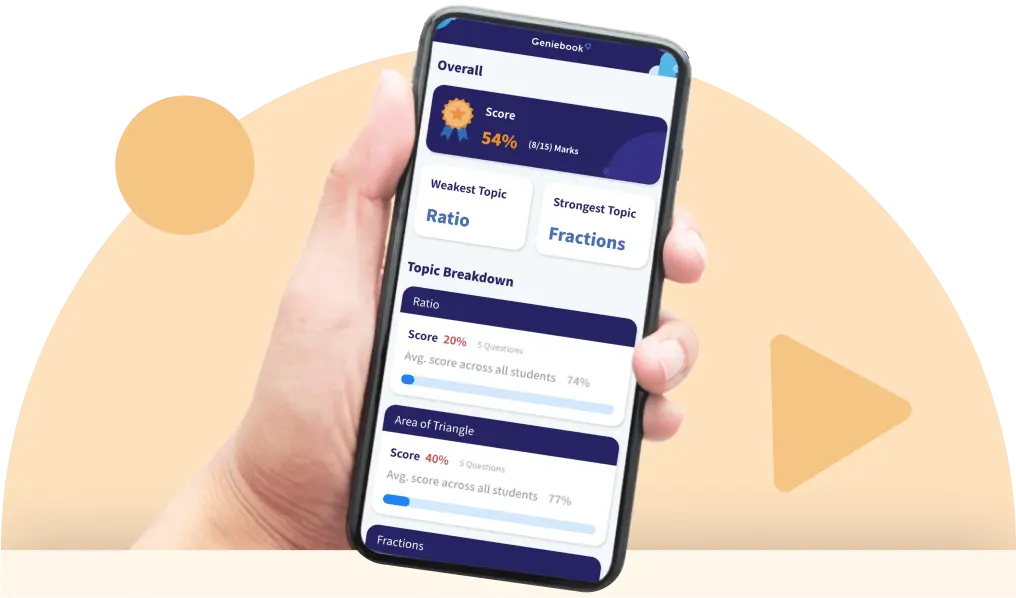
Mistake Analysis: This is the most crucial part. After marking a practice paper, your child should review the explanations for every wrong option in the MCQs, not just the correct one. For open-ended questions, they must understand the full model answer. A 'Smart Mistake Audit,' where you track errors by topic, is an invaluable tool for pinpointing and fixing weak areas.
How Can My Child Master Booklet A and Tackle Unfamiliar Booklet B Questions?
Success in PSLE Science requires two distinct skills: accurate recall with quick data analysis for Booklet A and deep, logical application for Booklet B. They must be trained differently.
For Booklet A: Focus on Active Recall, Data Analysis and Connections
After studying a topic, your child should put away their notes and try to answer five related questions. This practice of active recall strengthens memory. Because Booklet A now carries 60% of the total marks and includes linked MCQs, your child should also practise interpreting graphs, tables and experimental set-ups quickly. Encourage them to see links between topics, as the PSLE often combines ideas—a classic example is a question that connects photosynthesis (how plants make food) with food chains (how that energy is transferred).
For Booklet B: Use the 'Concept-Evidence-Consequence' Method
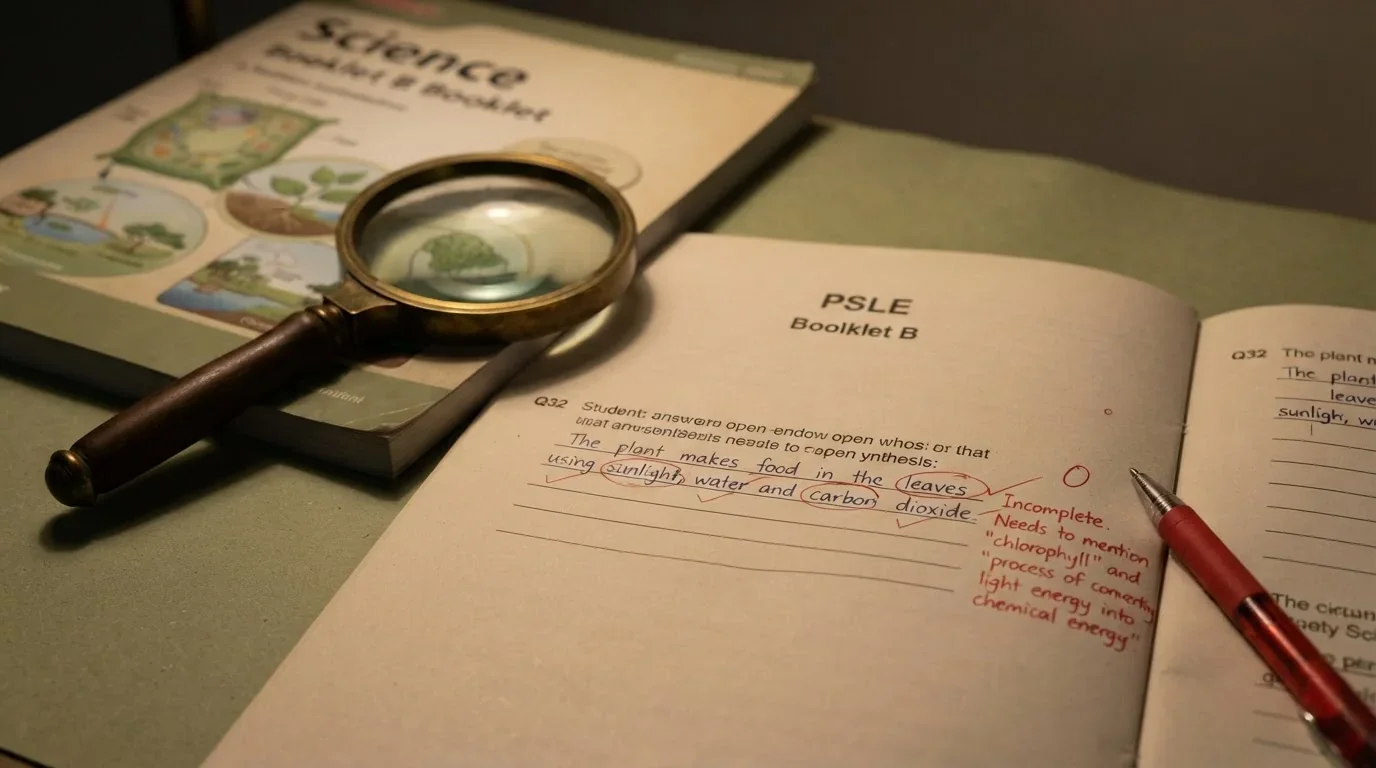
Booklet B is where students must apply knowledge to unfamiliar, real-world scenarios and experimental-based questions (such as identifying changed and measured variables, the purpose of a control set-up and why experiments are repeated for reliability). Many lose marks here even when they know the concept because their answers are incomplete. Train your child to use a three-step structure for their explanations:
-
Link to the evidence: Where in the question's diagram or text is the setup or condition shown? (e.g. "As shown in the diagram, the puddle of water is placed under the hot sun.")
-
State the scientific concept: What is the core scientific idea at play? (e.g. "Water in the puddle gains heat from the sun and evaporates to become water vapour.")
-
Explain the consequence: What is the final result of this process? (e.g. "Hence, the amount of water in the puddle decreases and the puddle becomes smaller over time.")
This structured approach ensures answers are precise, evidence-based and complete.
My Child Is Getting Stressed. How Can We Avoid Burnout?
In the final stretch, protecting your child's confidence and well-being is more important than cramming more content. A tired, anxious brain cannot perform at its best. Shift the focus from the final AL score to the process of learning and the effort they are putting in.
Your role is to be a supporter, not a second teacher. Create a productive environment and maintain open communication with their school teacher. If deep conceptual gaps or persistent difficulties with application questions are the source of stress, targeted help can be a game-changer. A high-quality Primary Science tuition programme can diagnose specific weaknesses and provide focused practice. The flexibility of an online tuition platform allows for this help to fit into a busy schedule without adding travel fatigue.
Also, make a clear distinction between topics your child dislikes and topics they score poorly on. They are not always the same. Targeting the latter is a more efficient use of their limited time and energy. Remember, sleep and confidence are the two most important resources to protect before the exam.
Frequently Asked Questions
What are the changes to the PSLE 2027 Science syllabus I should know about?
The main update for the PSLE 2027 Science syllabus is that the topic of 'Cells' has been completely removed from the curriculum for students taking the Standard Science paper. Additionally, the paper format now consists of 30 Multiple-Choice Questions (MCQs) in Booklet A and 10 to 11 open-ended questions in Booklet B, with a total duration of 1 hour and 45 minutes.
How should my child prepare for Booklet B Science questions to avoid losing marks?
To master Booklet B Science questions, students should use the 'Concept-Evidence-Consequence' method to ensure their answers are complete and logical. First, identify the evidence from the provided text or diagram, second, state the relevant scientific concept and finally, explain the consequence or outcome clearly. This structured approach helps ensure that explanations are precise and evidence-based.
What is the best way to do PSLE Science revision for Primary 3 and 4 topics?
The most effective Primary School Science revision for Primary 3 and 4 topics is a process of continuous, progressive reinforcement rather than a one-time intensive study session. Instead of reviewing everything at once, briefly revisit foundational concepts like life cycles or classifying materials whenever they appear in the more complex topics taught during P5 and P6. This helps create a strong, interconnected web of knowledge.
How many hours a day should my child spend on PSLE Science tips and practice?
There is no specific number of hours required, as the quality of revision is far more important than the quantity of time spent. A focused 15-minute session of active recall and targeted practice is more valuable than a passive hour of reading. When planning your PSLE Science revision guide, prioritise mistake analysis, specifically auditing errors by topic, over long, marathon study sessions that may lead to burnout.
What is the most effective strategy for how to study for PSLE Science effectively?
The best strategy for how to study for PSLE Science is to balance concept building with active recall and rigorous mistake analysis. After mastering a concept, use active recall by answering questions without looking at notes, and always review the explanations for every wrong option in MCQs. Engaging in this targeted practice helps students identify their weak areas, which is a more efficient use of time than simply rereading textbooks.