 SG
SG  VN
VN 

Hybrid vs. Online vs. Physical: A candid guide for parents on which mode of learning
Hybrid vs. Online vs. Physical: A candid guide for parents on which mode of learning
Choosing the right learning mode for your child involves more than just logistics, it’s about aligning their education with their personality and the new academic landscape. The best approach, be it physical, hybrid or entirely online tuition, depends on your child’s unique needs for structure, flexibility and social interaction. Since MOE embedded blended learning into the national curriculum, understanding the strengths and weaknesses of each mode is no longer just an option but a necessity for parents navigating the system.
The New Normal: How MOE’s Blended Learning Has Changed School
The days of 100% physical schooling being the only model are over. Following the pandemic, then-Education Minister Ong Ye Kung announced in May 2020 that blended learning would become a permanent fixture. By Term 3 of 2021, this became a reality for all secondary schools and junior colleges. Students are now expected to complete between 8 to 10 hours of Home-Based Learning (HBL) weekly, primarily through the Singapore Student Learning Space (SLS). This isn't just about moving lessons online. The entire pedagogy is shifting. HBL is now used mainly for content delivery, freeing up precious classroom time for teachers to focus on application, collaborative projects and deeper discussions. This structural change makes the choice of supplementary education, such as after-school tuition, even more critical in rounding out a child's learning experience.
Matching the Mode to the Child: A Personality-Based Approach
- Physical Learning: Best for the 'Social Learner'
The traditional classroom offers a highly structured environment with a fixed schedule and direct teacher supervision. This mode is perfect for students who thrive on consistent peer interaction, immediate feedback and collaborative group work. If your child is energised by classroom discussions and benefits from the clear boundaries of a school day, the physical model provides an unparalleled foundation for social and academic development. The main challenge is its inherent lack of flexibility. - Hybrid Learning: Ideal for the 'Adaptable Achiever'
This model, which MOE now champions, offers a middle ground. It combines the social and structural benefits of in-person classes with the flexibility of remote learning. It’s an excellent fit for students who can manage their time independently but still need the social anchor and direct support of a physical school environment. It prepares them for the modern workplace where digital collaboration is standard. The main difficulty can be logistical, especially if a school's remote support system isn't fully developed. - Fully Online Learning: Suited for most profiles
A fully digital environment, whether for primary schooling or supplementary online tuition, demands a high degree of self-discipline. This mode is a powerful option for highly motivated and independent learners who prefer to work at their own pace without the distractions of a physical classroom. They can revisit difficult concepts as often as needed. For more introverted students, learning from a comfortable space can reduce social anxiety and help them focus purely on academics. However, parents must ensure there are sufficient avenues for socialisation outside of learning. For less independent students, online learning with carefully designed gamification could motivate them to pick up the interest of learning in the long run.
A Practical Look at Online Tuition for Students
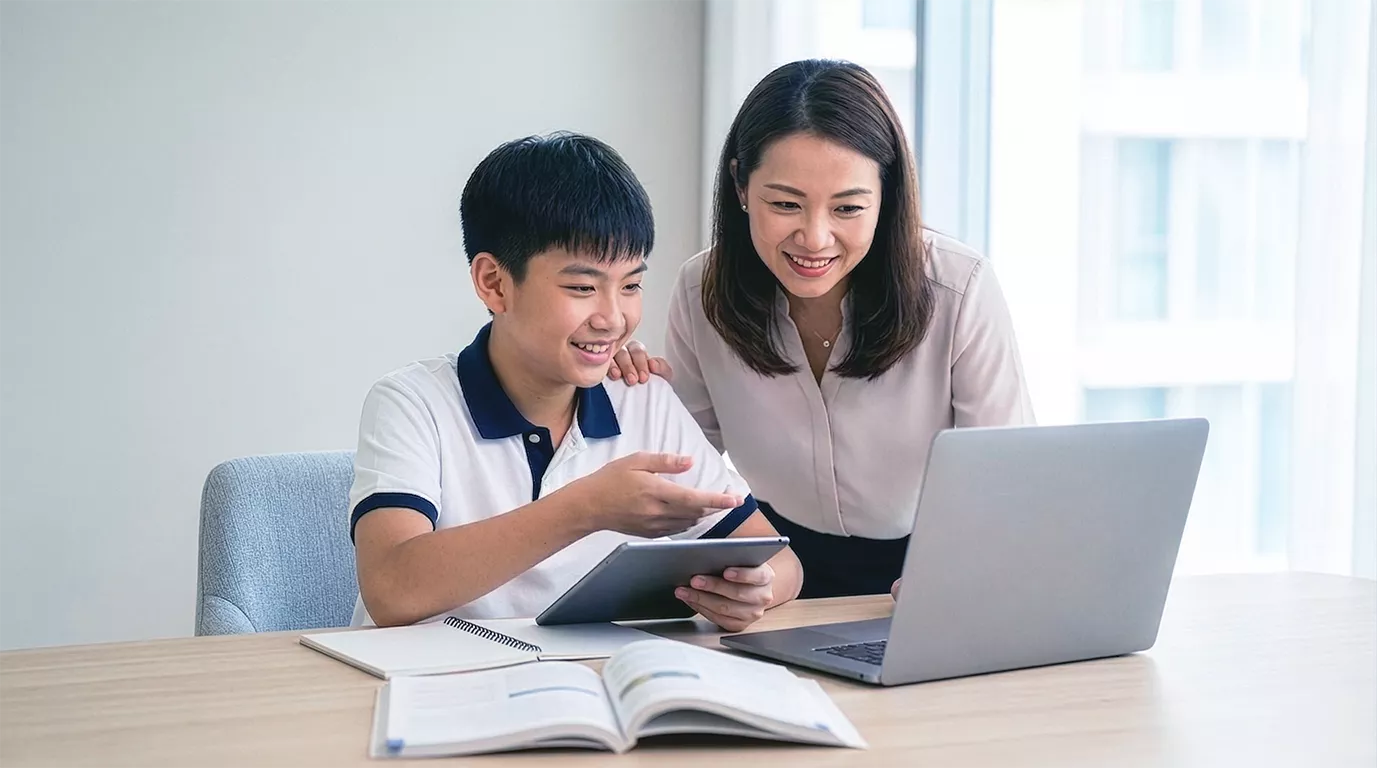
The rise of blended learning has naturally led to a boom in high-quality online tuition for students. When considering this option, it’s vital to look beyond just convenience. The primary benefit is the sheer flexibility it offers families, eliminating travel time and allowing for more efficient scheduling around CCAs and other commitments. Good programmes are expertly designed with robust support systems, allowing students to learn and revise content at a pace that suits them. The biggest challenge remains the need for self-management. Without a structured physical classroom, a student must possess the maturity to stay focused and complete their work on time. The quality of support can also vary significantly between providers, so it's important to choose an established platform with a proven track record.
Making the Right Choice: Key Questions for Your Family
- How self-directed is my child? Do they need constant supervision to stay on task or can they manage their own schedule effectively?
- What energises my child? Do they draw energy from being around peers or from quiet, focused work?
- What does our family schedule look like? Does the flexibility of online learning solve logistical challenges like transport and conflicting activities?
- Does my child need more help with content mastery or application? This will help you decide if you need a solution that focuses on flexible content review (online) or interactive problem-solving (physical or hybrid).
Ultimately, the goal is not to find one perfect mode but to create a balanced learning ecosystem for your child. The lines between physical, hybrid and online learning are blurring. You can use this to your advantage. A child in a physical school can greatly benefit from the personalised, self-paced support of an online tuition programme. The key is to be intentional, understand your child's needs and build a combination of learning experiences that fosters both academic excellence and personal growth.