 SG
SG  VN
VN 

NUH Study on Screen Time: Nurturing Your Child's Student Learning Space
Understanding the NUH Study: Screen Time and Toddlers' Development
A landmark Singaporean study from the National University Hospital (NUH) has highlighted a correlation between high levels of screen time in one-year-olds and the later appearance of autism-like symptoms. For many parents in Singapore, this news is understandably concerning, especially as digital tools increasingly shape our children’s world, impacting their future student learning space. The findings, published in the prestigious JAMA Pediatrics journal, revealed that toddlers exposed to more than two hours of screens daily were more likely to show behaviours like reduced eye contact and difficulty with social interactions by the time they reached 18 months. This research does not suggest screens cause autism, but it signals a significant area for parental attention. It prompts a critical look at the digital environments we create for our children, even long before they prepare for their first PSLE paper.
Decoding the NUH Findings: Correlation, Not Causation
Before we jump to conclusions and discard all devices, it is vital to understand the study’s nuances. The research, part of the long-term GUSTO (Growing Up in Singapore Towards healthy Outcomes) project, tracked over 400 local children. It found a link between early, prolonged screen time and specific behaviours, not a clinical diagnosis of Autism Spectrum Disorder (ASD). ASD is a complex neurodevelopmental condition that screen time does not cause.
So, what did the researchers observe? They noticed that infants with higher screen exposure were less responsive to their names and less likely to engage in joint attention—where a child and caregiver focus on the same object. These are foundational social skills for a child’s development. The researchers suggest that the fast-paced, passive nature of most screen content might disrupt the crucial “serve-and-return” interactions with caregivers that build a healthy brain architecture. This distinction is key: the issue is less about the screen itself and more about what it displaces—real, human connection and interaction.
Building a Healthy Student Learning Space from Day One
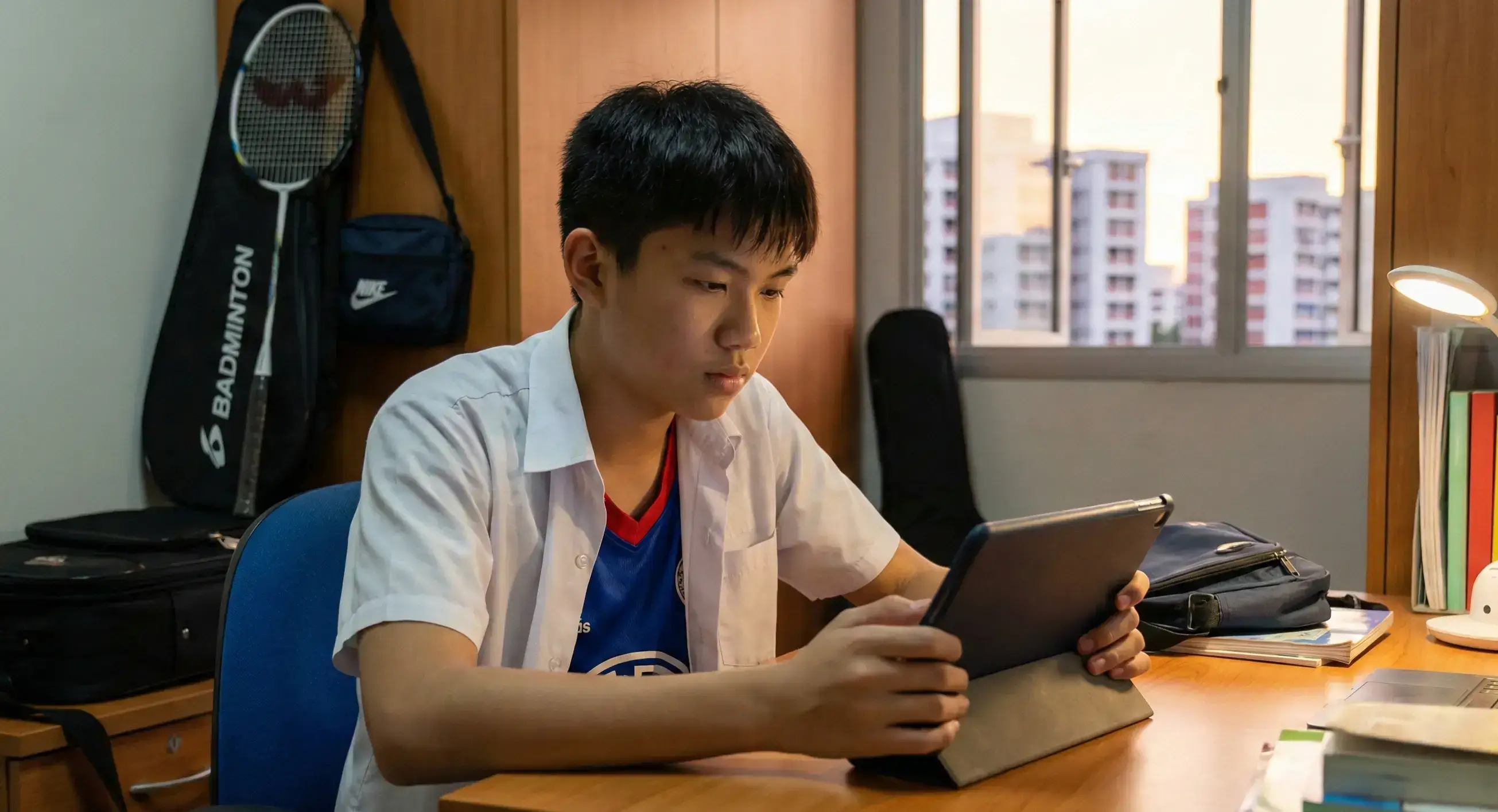
The concept of a student learning space often brings to mind a desk piled with books and assessment papers. The reality is that it begins much earlier, in the playpens and living rooms where our children first interact with the world. The NUH study reinforces that the principles of a good learning environment—interaction, engagement, and purposeful activity—are as critical for toddlers as they are for teens seeking online tuition Singapore.
For children under two, learning is a physical and social experience. It happens when they stack blocks, follow your gaze, and babble back and forth with you. Passive screen time offers none of this. Creating a healthy digital foundation involves:
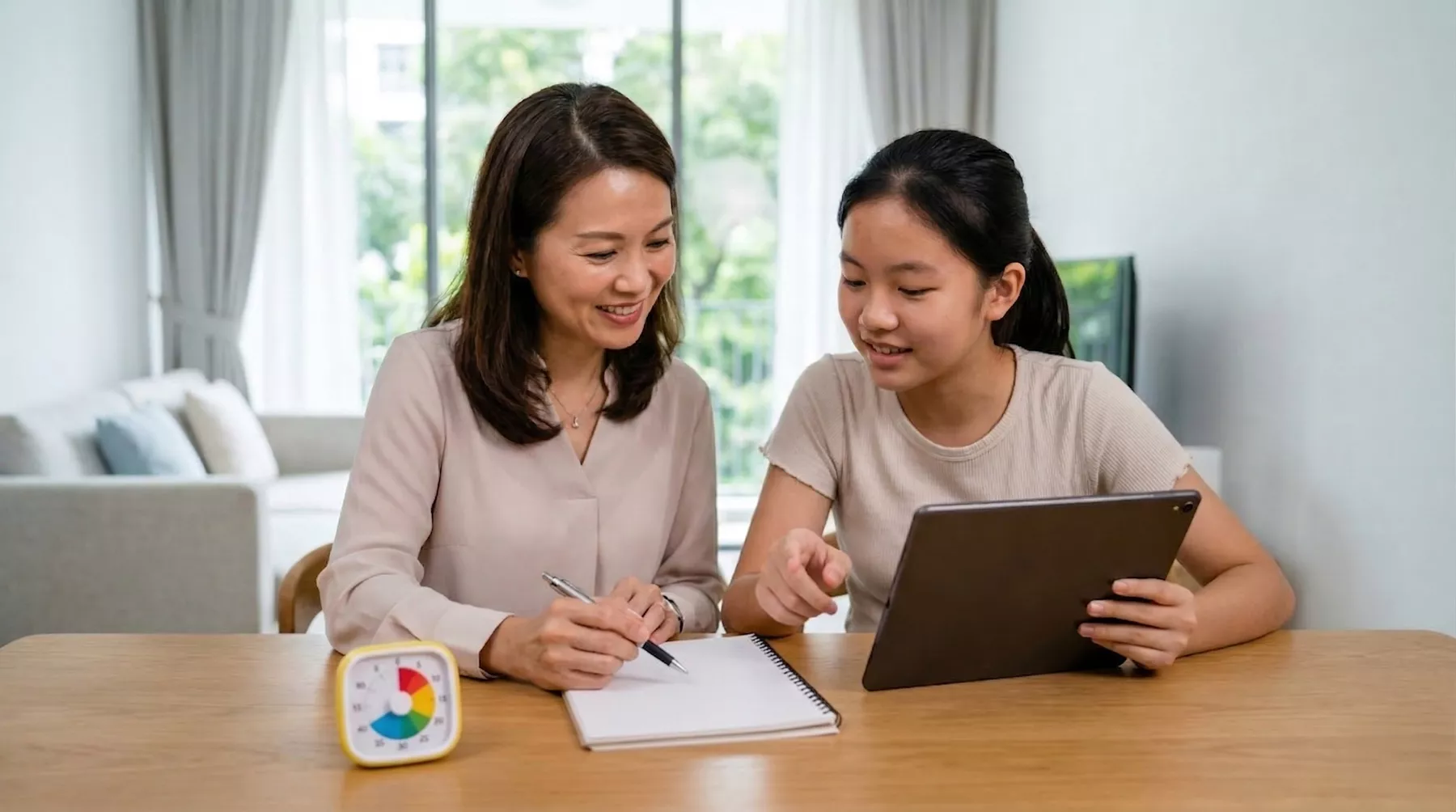
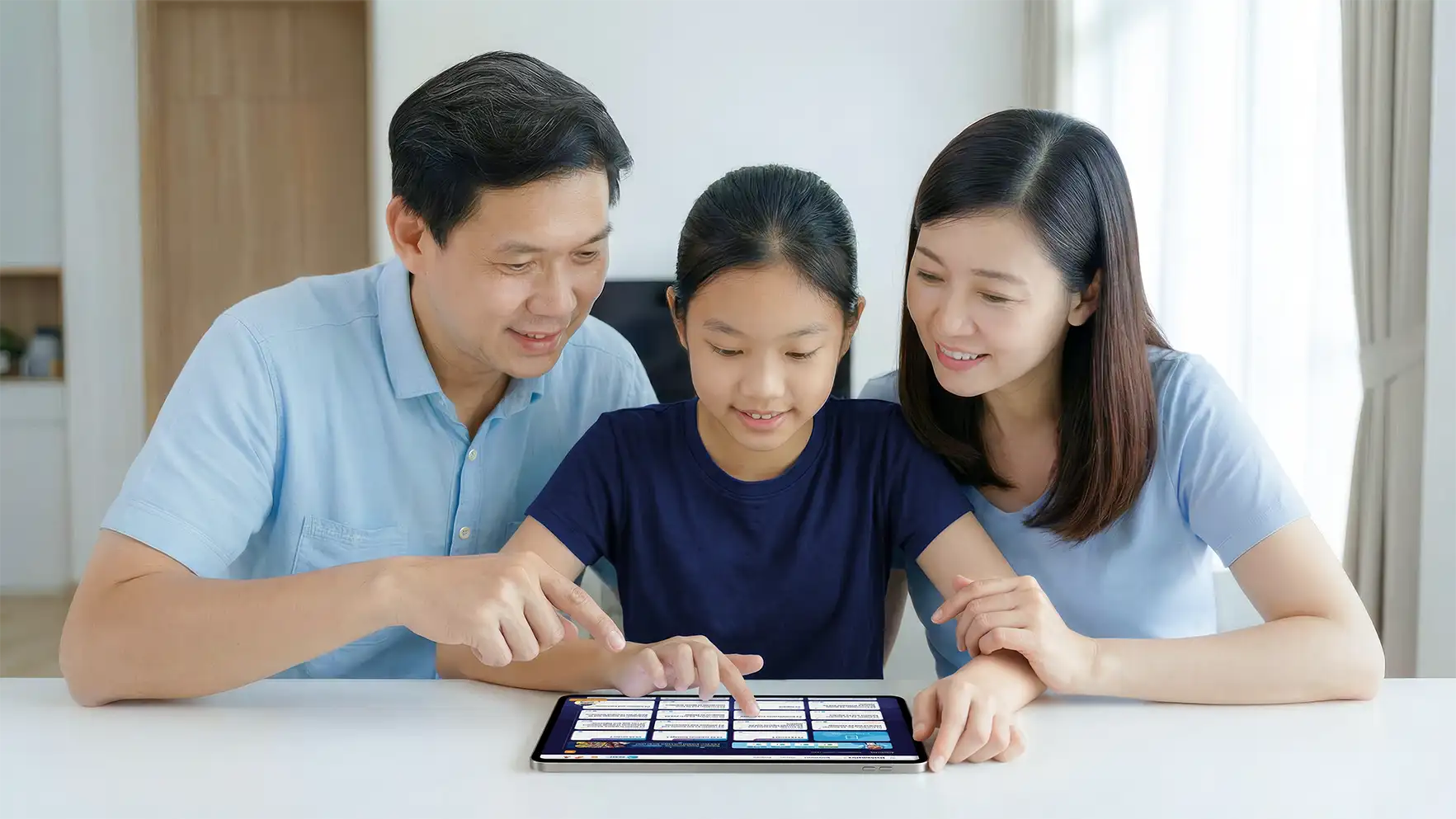
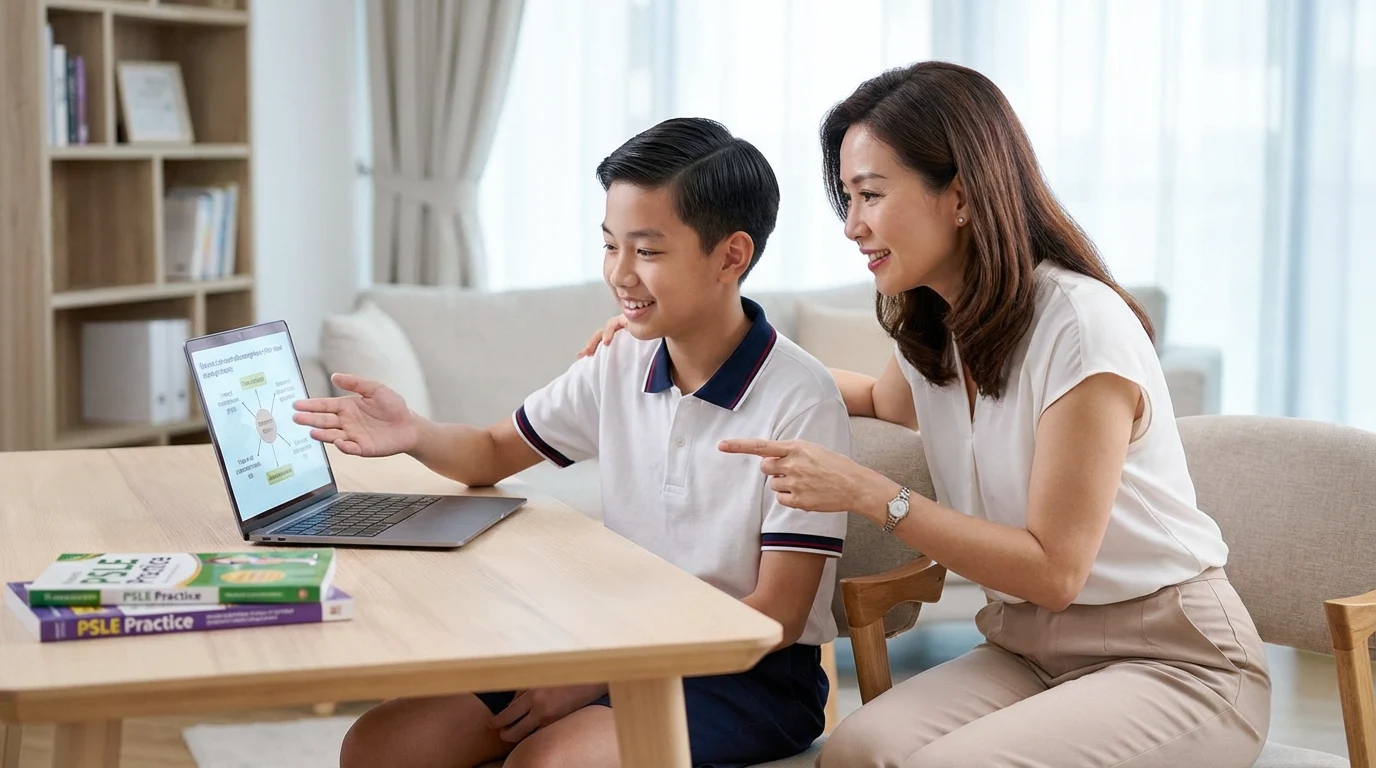
- Prioritising Co-Viewing: If screens are used, make it a shared activity. For toddlers, this could be a video call with grandparents. For older children, it could mean working through a learning platform together, transforming screen time from a solitary activity into a collaborative one.
- Valuing Content Quality: Not all screen time is equal. An interactive educational app is fundamentally different from watching cartoons passively. Choose content that requires thinking and participation.
- Setting Clear Boundaries: Designate screen-free times and zones, such as during meals and in the bedroom. This teaches children that technology is a tool to be used at specific times, not a constant companion.
From Toddlerhood to Primary School: Managing Digital Tools Wisely
The habits formed in early childhood cast a long shadow. A child accustomed to hours of passive entertainment may find it harder to develop the focus needed for complex problem-solving later on. As children grow and their educational needs evolve, our approach to technology must also mature. The goal shifts from mere limitation to strategic integration.
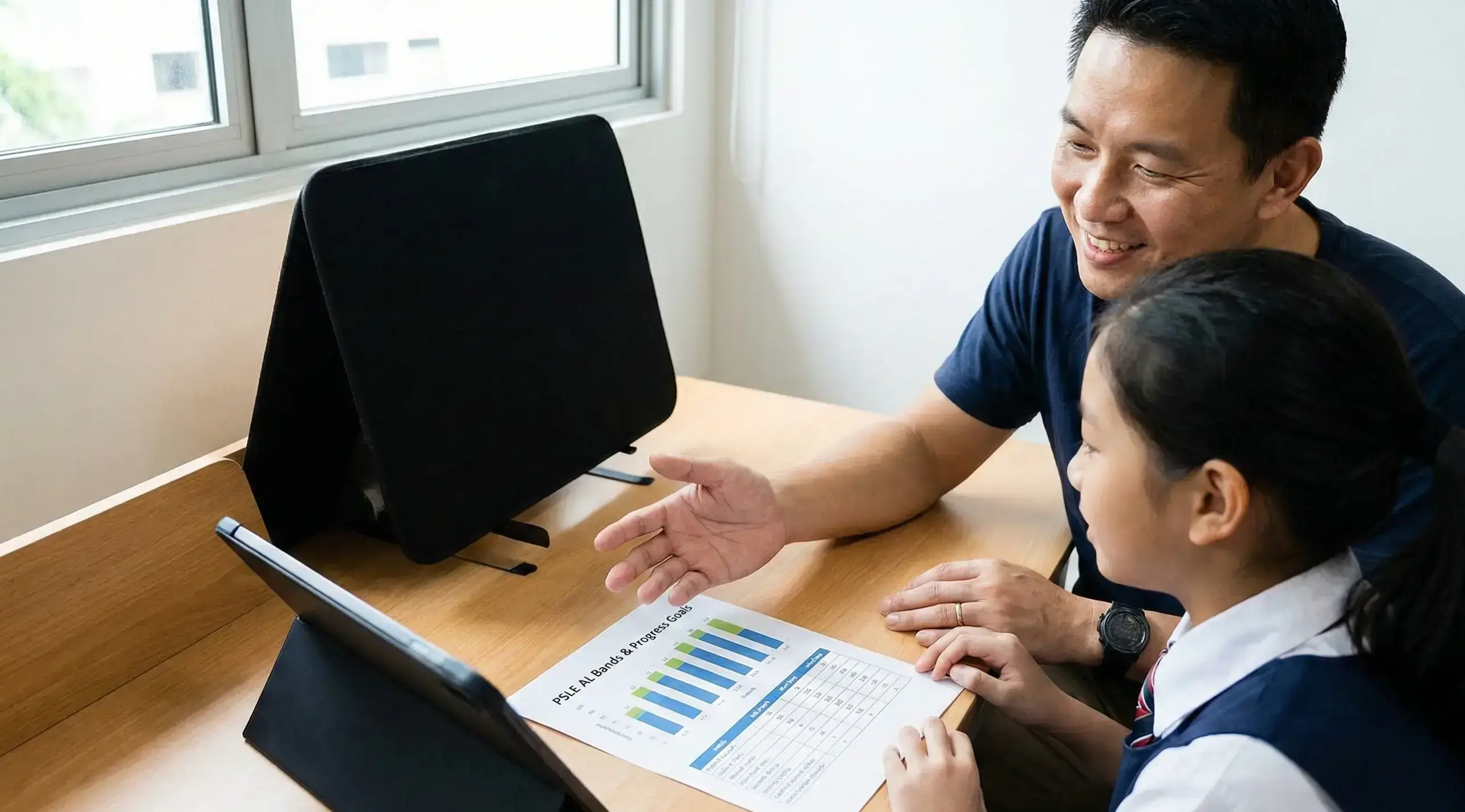
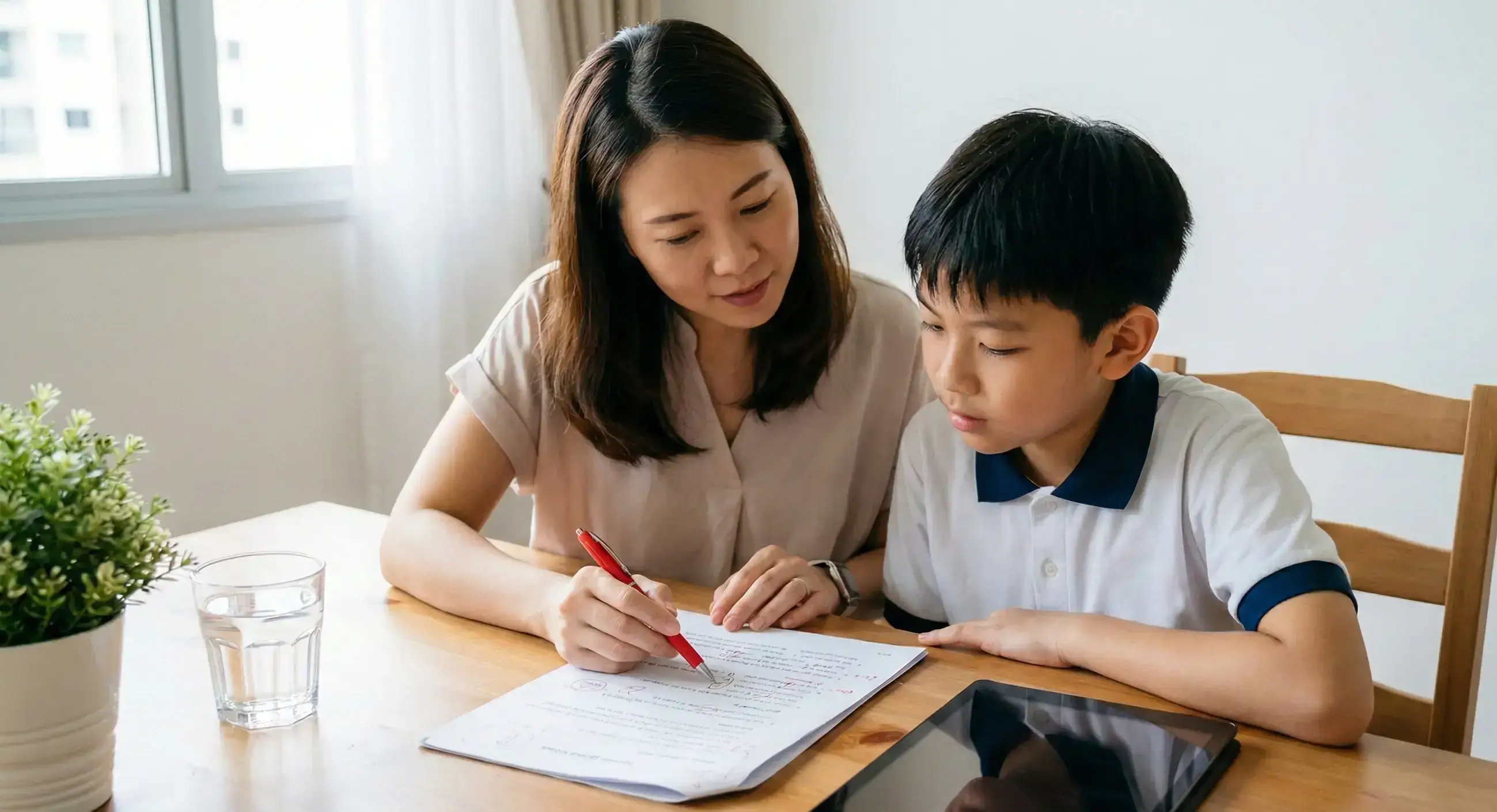
Many parents use a mix of resources, from online mock exams to free test papers found online, to prepare their children for school. This blended approach is often effective. Digital tools offer interactivity and immediate feedback, while traditional methods like working through Singapore exam papers help build stamina and familiarity with the test format. The key is balance. We must teach our children to be active masters of their tools, not passive recipients of information. This mindset is crucial for navigating everything from a challenging online Science tuition lesson to self-directed project work as they progress towards their PSLE.
The Final Verdict: Empowered, Not Fearful
The NUH study is not a verdict against technology but a call for mindfulness. It reminds us that for young children, the real world (full of faces, voices, and textures) is the most powerful learning tool available. It is our first and most important classroom.
Instead of viewing screen time with fear, let’s approach it with a plan. Your immediate takeaway should not be to ban all screens. It should be to re-evaluate how they are used in your home. The goal is to build a foundation of intentional digital use, transforming a potential distraction into a powerful, purposeful student learning space that serves your child well into their academic future and beyond.