 SG
SG  VN
VN 

PSLE Situational Writing: A Veteran Educator's Frameworks for Full Marks
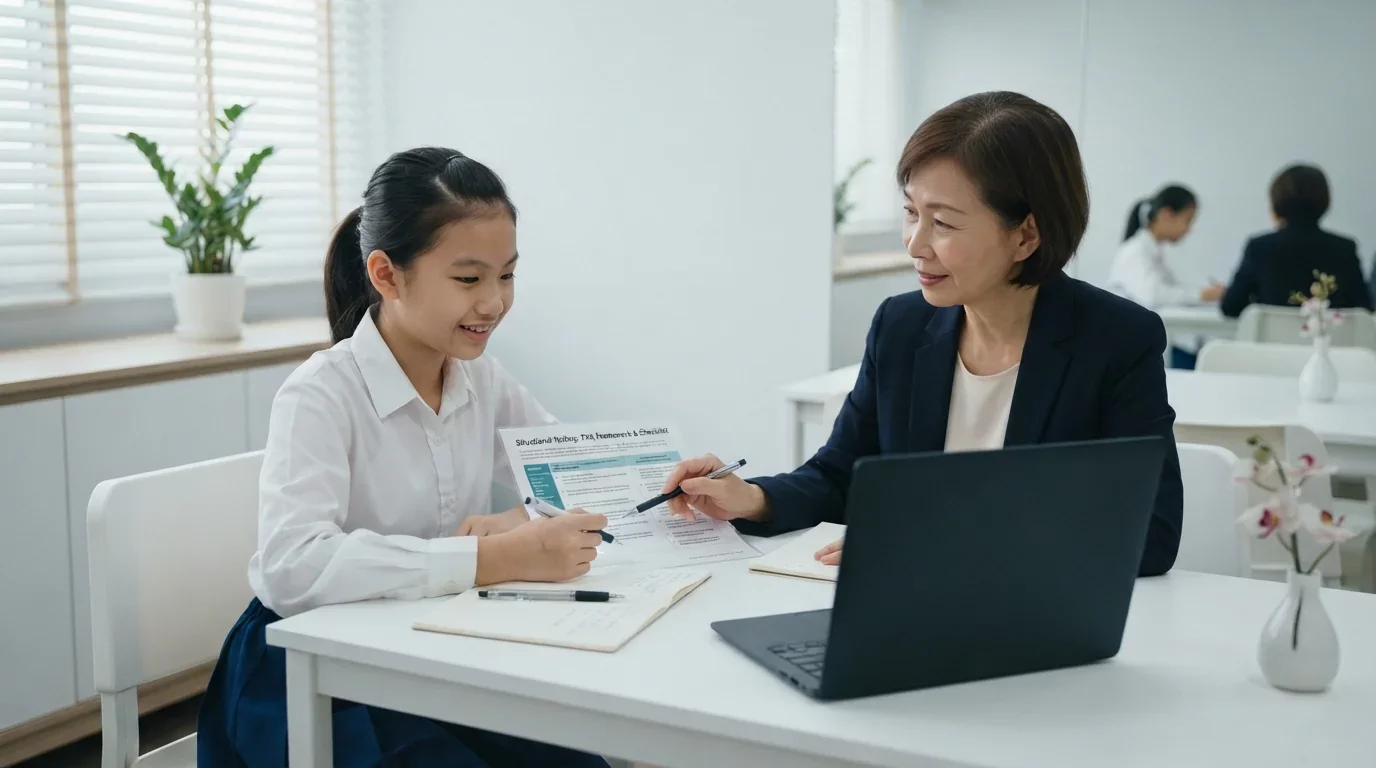
Mastering PSLE Situational Writing With Structured Frameworks
We understand that preparing for the PSLE English paper can be a demanding task for primary school students in Singapore. We observe that while the Situational Writing component in Paper 1 carries only 15 marks, it is a crucial section where students can easily secure full marks with a systematic approach. We believe that when your child is equipped with clear, structured frameworks, they are fully capable of breaking down any writing prompt and scoring well in their examinations.
Why Students Lose Marks in Situational Writing
We observe that many students struggle to balance content and language marks in Situational Writing. Often, children lose marks because they miss out key information from the visual stimulus, fail to identify the correct audience or use an inappropriate tone. Whether writing a formal letter of complaint to a town council or an informal email to a friend, maintaining the correct tone and addressing all key points are essential to secure maximum marks. We believe that consistent practice and expert feedback can help your child avoid these common pitfalls.
The PACS Framework for Writing Success
To help your child approach Situational Writing systematically, we recommend using the PACS framework. This structured thinking tool guides students to analyse the prompt before they begin writing, ensuring they cover all key aspects of the task. Your child can apply this strategy by focusing on four key areas:
Purpose:
What is the main reason for writing? Your child must state this clearly in the opening paragraph, whether they are inviting a friend, requesting permission or offering feedback.
Audience:
Who is the recipient of the letter or email? Identifying the audience determines if the tone should be formal or informal, helping students use appropriate greetings and sign-offs.
Context:
What are the key details from the visual prompt? Your child must carefully check off every required information point from the stimulus to ensure they receive full content marks.
Sign-Off:
How should the writing end? Using the correct closing, such as "Yours sincerely" for formal pieces or "Warm regards" for informal ones, ensures students do not lose unnecessary language marks.
Tackling Formal and Informal Situational Writing Formats
We understand that primary school students often find it challenging to switch between formal and informal writing tones. We observe that children frequently mix up the conventions, using informal greetings in a formal letter of complaint or sounding too rigid in an email to a classmate. We believe that with systematic guidance and targeted practice, your child is fully capable of mastering both formats and securing maximum language marks in Paper 1.
Understanding the Key Differences in Tone and Greeting
Tone is the most critical element that distinguishes formal and informal writing. We observe that students who fail to identify their relationship with the recipient often use inappropriate language. For a formal letter, such as writing to a school principal or a public official, the tone must be polite, objective and respectful. The greeting must be formal, such as Dear Sir or Madam, and the sign-off must be Yours faithfully or Yours sincerely. For an informal email to a friend or family member, the tone should be conversational and friendly, using greetings like Dear or Hi, and closing with Warm regards or Best wishes.
Applying Context and Complete Information Points
We observe that another common pitfall is the omission of key information from the visual stimulus. In the PSLE English paper, situational writing questions come with a poster, flyer or conversation containing crucial details. Your child must systematically locate and include every single required point, such as dates, times, locations and specific reasons, in their letter or email. We believe that training your child to check off these points as they write is a highly effective way to prevent careless marks from being lost.
Effective Revision Strategies for PSLE Situational Writing
We understand that consistent practice is key to mastering the Situational Writing component in Paper 1. We observe that while students write many drafts in school, they frequently repeat the same formatting or grammatical errors because they do not review their corrected work. We believe that with a structured revision routine and targeted practice at home, your child is fully capable of developing a keen eye for detail, building their language confidence and securing full marks in their examinations.
Implementing a Self-Correction Checklist
To help your child study independently, we recommend creating a simple checklist that they can use to review their drafts before submission. By cultivating the habit of self-editing, students learn to catch their own mistakes early. Your child should focus on these five critical areas:
Check Context:
Have I included all key details from the visual stimulus, such as the date, location and purpose?
Verify the Audience:
Is the tone appropriate for the recipient? Does a formal piece avoid informal contractions?
Review Greetings and Sign-offs:
Are the greeting and closing aligned with the formal or informal context?
Check for Grammatical Accuracy:
Are the tenses consistent, particularly when using direct or indirect speech?
Ensure Clear Paragraphing:
Are the introduction, body paragraphs and conclusion logically separated?
How Parents Can Support Language Acquisition at Home
We believe that language learning is highly effective when integrated into daily life. To build your child's confidence, we recommend holding low-stakes, mini-conversations about real-world scenarios. For example, if you see an event flyer at a community centre, encourage your child to explain how they would write an email to invite their cousin. This simple practice turns active recall into an enjoyable habit, helping your child apply their language skills spontaneously.
Achieve Academic Goals With Geniebook's Tech-Enabled Suite
At Geniebook, our suite of online learning products is designed to help primary and secondary school students learn smarter, stay on track and do better. We believe that with personalised assignments and expert guidance, your child can overcome any learning gap and excel in their English examinations.
Through GenieSmart, our AI-personalised worksheets recommend targeted practice questions strictly aligned with the MOE syllabus, with difficulty levels that constantly adjust to your child's mastery. On GenieClass, experienced educators lead weekly live online classes, explaining complex grammar rules, composition structures and writing techniques using storytelling and interactive visual aids.
If your child has doubts or needs help with homework, they can clarify concepts instantly through our real-time teacher chat on GenieAsk, which offers continuous support seven days a week. Additionally, our unique rewards system motivates students to learn independently. As your child completes worksheets and participates in classes, they earn Bubbles that can be redeemed for over 5,000 exciting, kid-safe items from our Bubble Store, turning daily practice into a rewarding habit. With half of our students successfully achieving AL 1 to AL 3 in PSLE and jumping two grades on average, we believe our personalised pedagogy is highly effective in building academic confidence. Have you planned how to help your child stay focused and on track for their upcoming examinations?