

Managing Exam Anxiety: Breathing and Focus Techniques for the Exam Hall
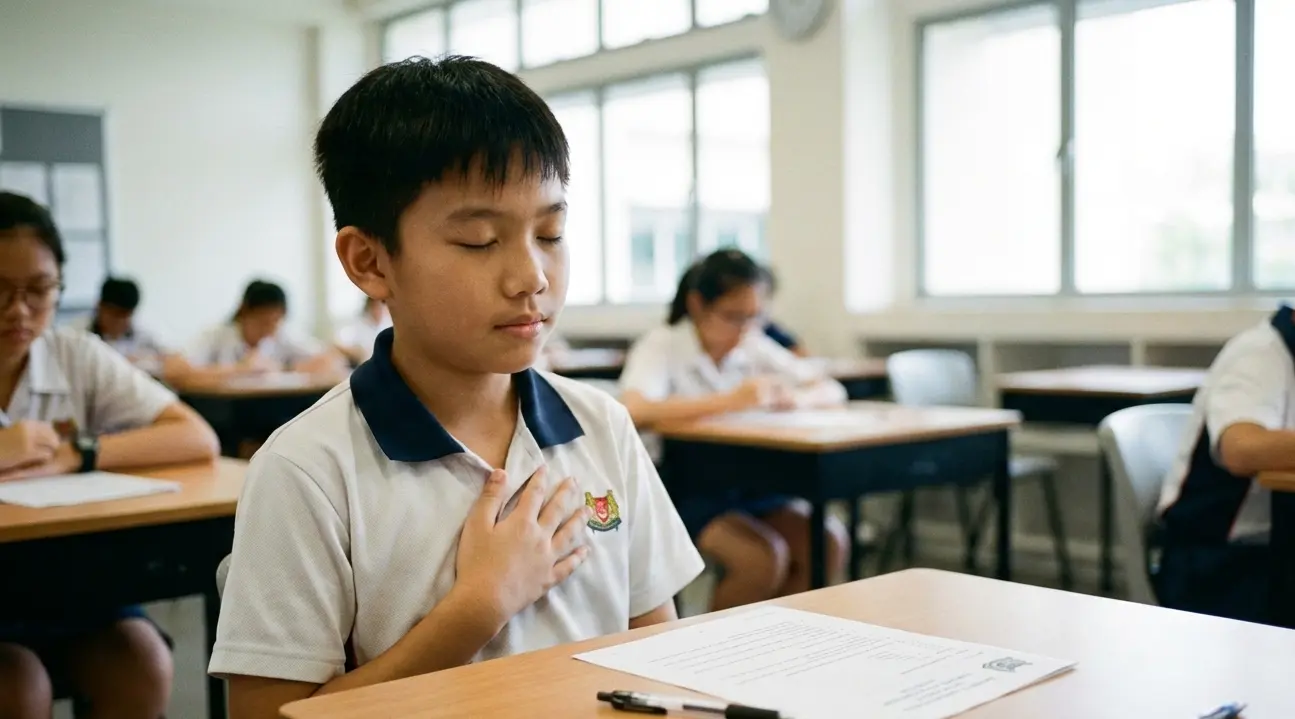
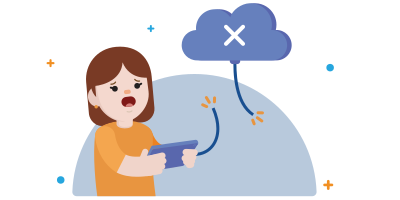
Even the most well-prepared students in Singapore can fall victim to the sudden surge of panic that hits the moment a difficult question appears. You might see your child study diligently for months, only to hear that they "blanked out" during the actual paper. This physical and mental block is a common symptom of exam anxiety. When the brain perceives a threat like a high-stakes PSLE or O-Level question it cannot immediately solve it triggers a fight-or-flight response. Adrenaline spikes, the heart races and the logical part of the brain effectively shuts down.
The key to performing well under pressure is not avoiding stress entirely, but having a toolkit to reset the nervous system when panic starts to rise. Learning how to manage exam anxiety at the moment is just as important as knowing the syllabus itself.
The Three-Breath Reset
When a student feels their heart rate increasing or their palms getting sweaty, they need an immediate physical "off switch" for the panic. The most effective method is the 3-3-3 breathing technique. It is discreet and can be done in the middle of a crowded exam hall without drawing any attention.
- Inhale: Breathe in deeply through the nose for a count of three, feeling the stomach expand.
- Hold: Pause and hold the breath for a count of three.
- Exhale: Release the breath slowly through the mouth for a count of three.
This simple cycle sends a physical signal to the brain that there is no immediate danger. It lowers the heart rate and allows blood to flow back to the prefrontal cortex—the area responsible for logic and problem-solving. Encouraging your child to practice this during their daily revision helps it become a reflex they can rely on during the real paper.
Grounding Techniques for Mental Focus
Panic often feels like a "spinning" sensation where thoughts move too fast to catch. To stop this, students can use a grounding technique to bring their focus back to the present moment. If they find themselves staring at a blank page and feeling overwhelmed by exam anxiety, they should put their pen down for ten seconds and identify:
- One thing they can see (like the texture of the exam paper).
- One thing they can feel (like the weight of their feet on the floor).
- One thing they can hear (like the ticking of the hall clock).
This sensory check-in breaks the loop of anxious thoughts. Once they are grounded, they should skip the difficult question and move to one they find easy. Successfully answering a simple question provides a "dopamine hit" that restores confidence and clears the mental fog, making it easier to return to the harder problem later.
Building Positive Associations Through Gamification
At Geniebook, we believe that the best way to handle exam anxiety is to change how a student relates to the act of learning. If every study session is a high-pressure chore, the brain learns to associate academics with fear. We use gamification to create a positive emotional loop instead.
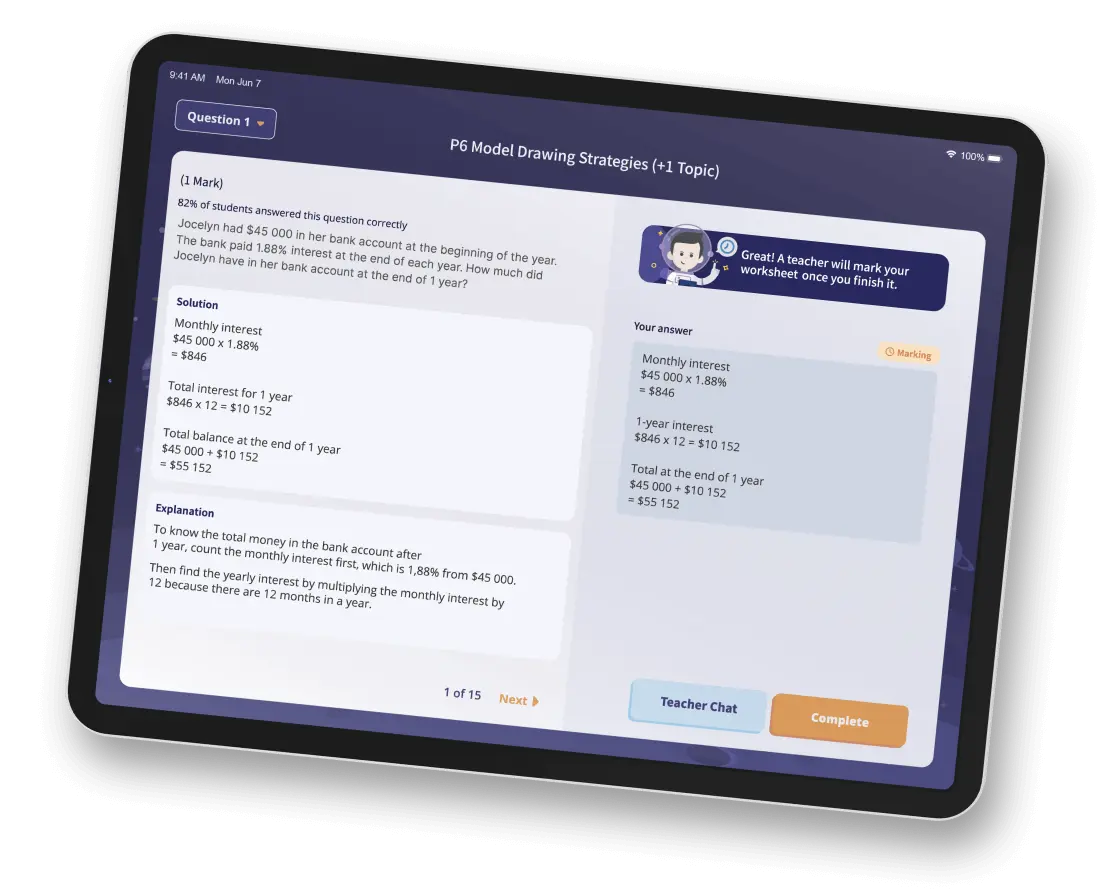
Our rewards system, featuring "Bubbles" that students earn for completing worksheets and participating in class, turns practice into a rewarding experience. When a student associates solving a difficult Math problem with a sense of achievement and a tangible reward, they build a "resilience muscle." They stop seeing challenges as threats and start seeing them as opportunities to earn progress. This positive reinforcement carries over into the exam hall, helping them stay motivated rather than defeated when things get tough.
Strategic Support and Morale
Sometimes, a student just needs to know they aren't alone in their struggle. This is why we introduced the AI GenieAsk Buddy. While our human teachers handle the deep academic questions, the Buddy is there as a constant source of morale support and logistical guidance.
Whether a student is feeling discouraged by a low score on a practice sheet or simply needs a nudge to keep going, the Buddy provides a supportive and non-judgmental environment. This constant, low-pressure interaction helps reduce the isolation that often fuels exam anxiety. It teaches students that it is okay to ask for help and that setbacks are just data points on the road to mastery. By providing this "safety net" during revision, we help students build the mental stamina they need to stay composed during their official Ministry of Education (MOE) exams.
The Power of the "Growth Mindset"
Ultimately, managing exam anxiety is about shifting from a fear of failure to a focus on the process. We encourage parents to move away from discussing grades and instead praise the effort and the "reset" techniques their children use.
If a child comes home and says they felt panicked but used their breathing exercises to stay calm, that should be celebrated as a major win. Developing these emotional regulation skills will serve them far beyond the exam hall. When a student knows they have the tools to handle their own stress, they walk into the exam hall feeling like a participant in their own success rather than a victim of the paper.
Book a Complimentary Strengths Analysis today to see how our balanced approach to learning and AI-driven support can help your child build both academic mastery and exam-day confidence.