

Online vs Physical Tuition: Which Format Suits Your Child’s Learning Style?
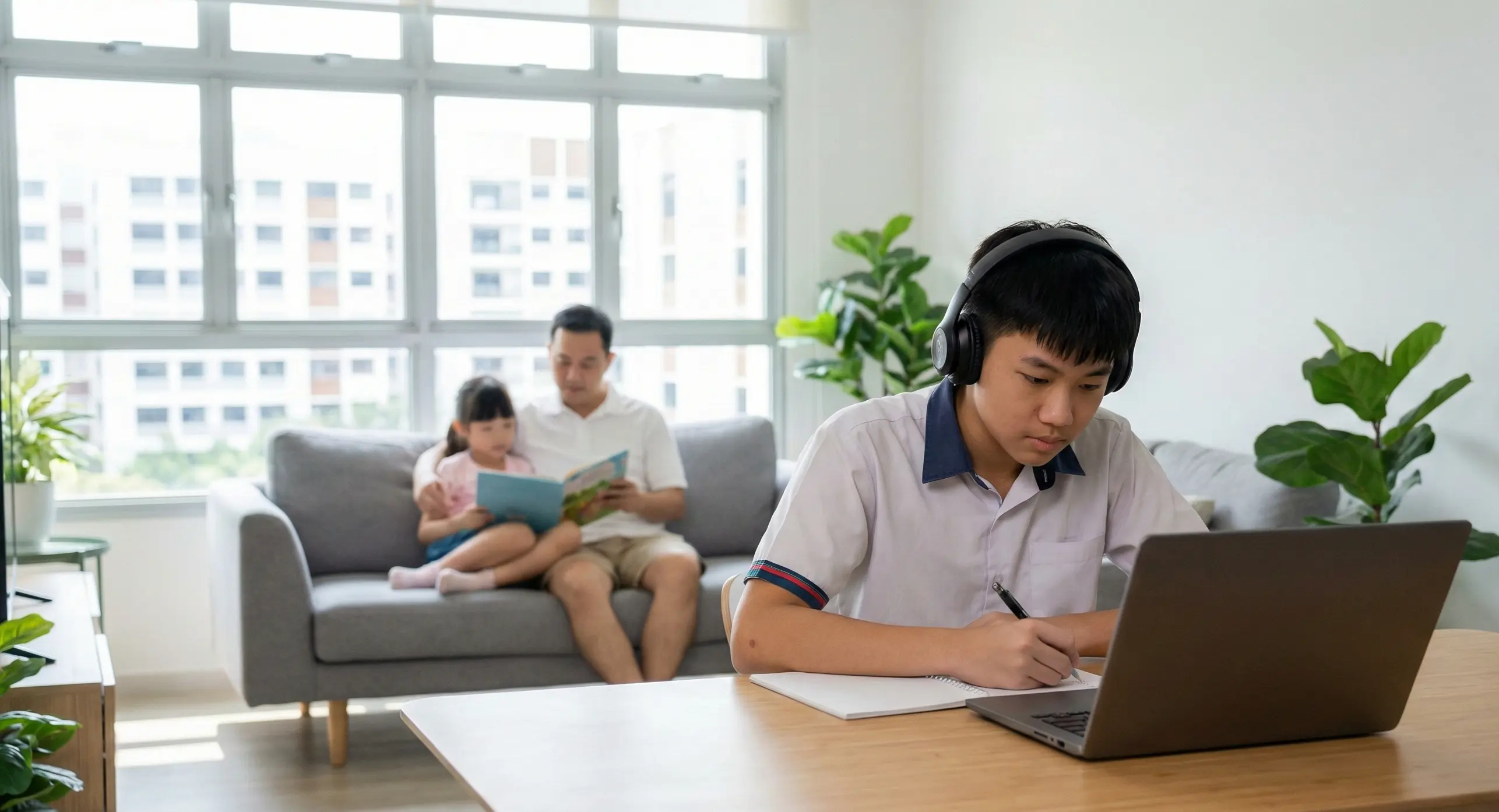
For decades, the standard response to a dip in grades was to find the nearest physical tuition centre in the neighbourhood. Parents would spend their weekends acting as a private taxi service, navigating traffic and mall car parks to drop their children off for back-to-back classes. However, the landscape has shifted. In 2026, the debate between online vs physical tuition is no longer about which one is "better," but which one fits the specific personality of the student and the logistical needs of the family.
Every child learns differently. A format that works for a social, extroverted student might be a source of anxiety or distraction for a child who prefers a quiet, focused environment. Making the right choice requires an honest look at your child's habits and your family's daily schedule.
The Physical Tuition Centre: Structure and Social Cues
Traditional physical tuition centres offer a familiar, classroom-like environment. For some students, the physical act of "going to school" helps them switch into a learning mindset. The presence of a teacher in the same room allows for immediate physical supervision, which can be helpful for younger children who struggle with basic focus.
However, the physical format comes with significant trade-offs. The most obvious is the "time tax." A two-hour lesson often consumes four hours of the day when you factor in travel and preparation. In the high-pressure Singapore school system, those lost hours are a precious commodity. Furthermore, physical centres often lack the data precision found in digital platforms. A teacher in a room of ten students is still teaching a generic lesson, regardless of whether your child has already mastered the topic or is completely lost.
The Online Tuition Model: Flexibility and Data Precision
The rise of high-quality online platforms has addressed the biggest flaw of the traditional model: the "one-size-fits-all" pace. When considering online vs physical tuition, the digital format offers a level of customisation that a physical classroom simply cannot match.
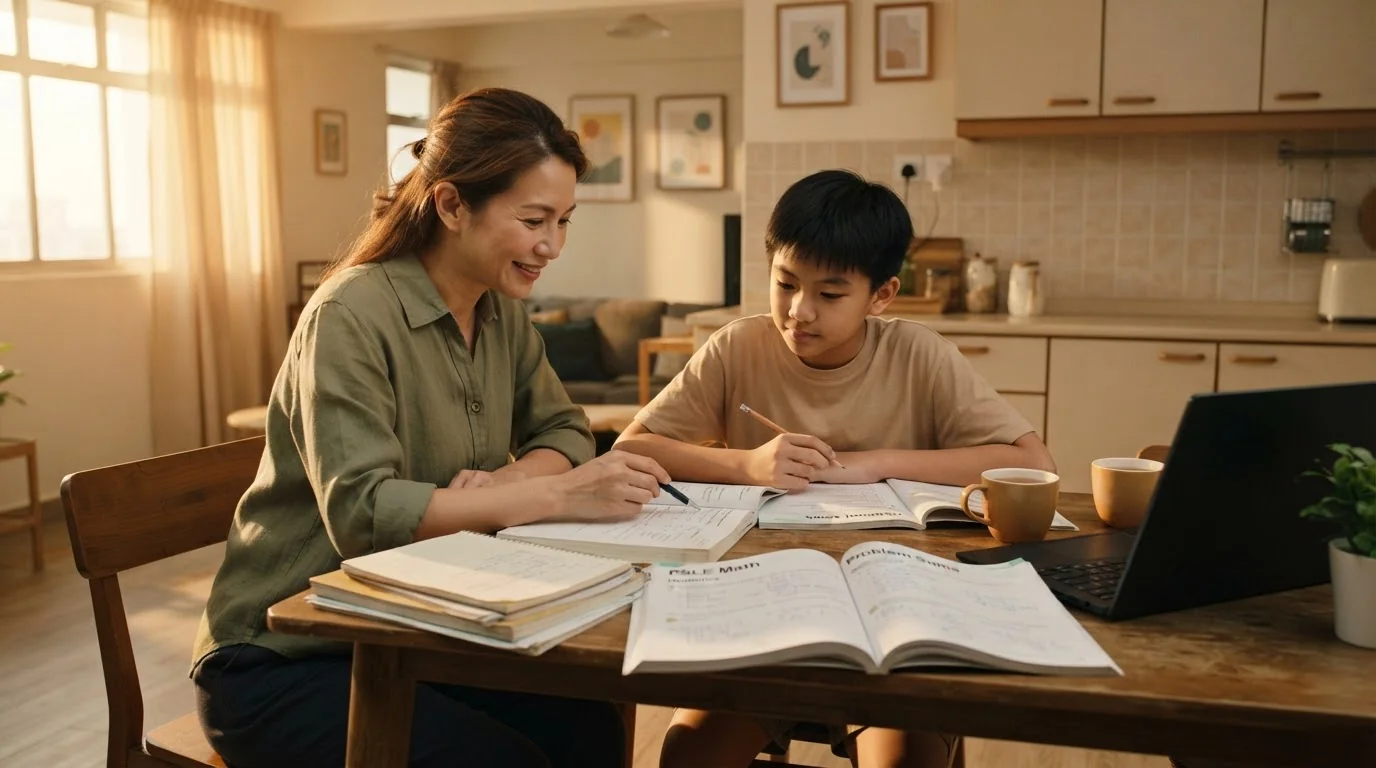
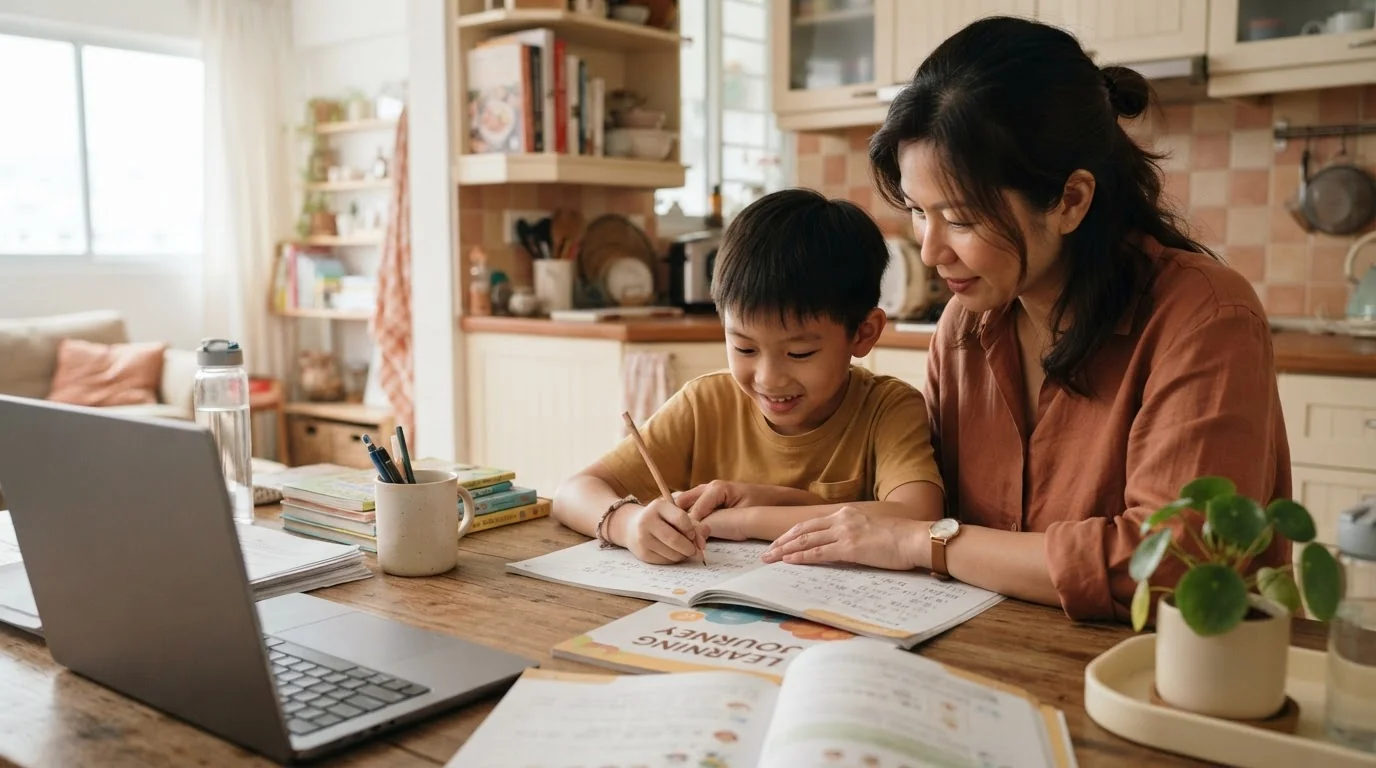
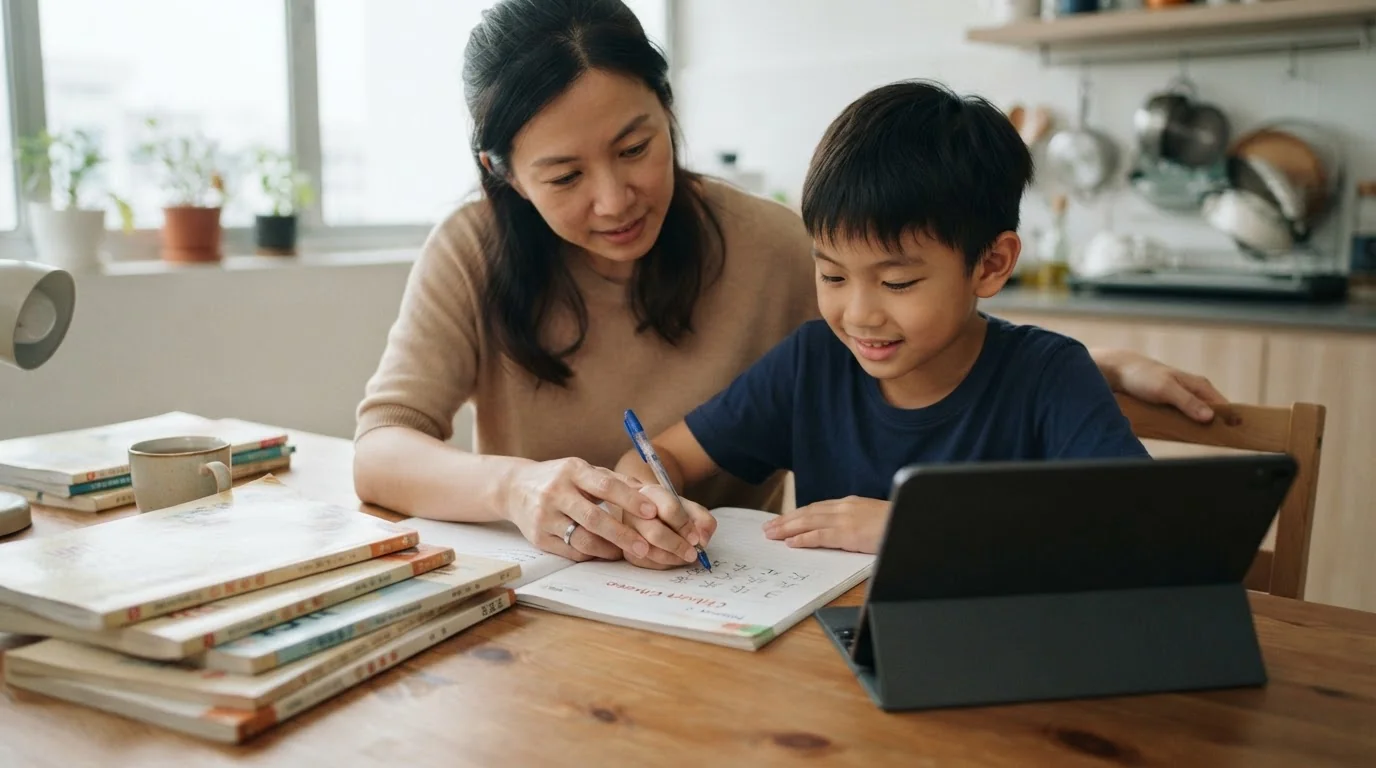
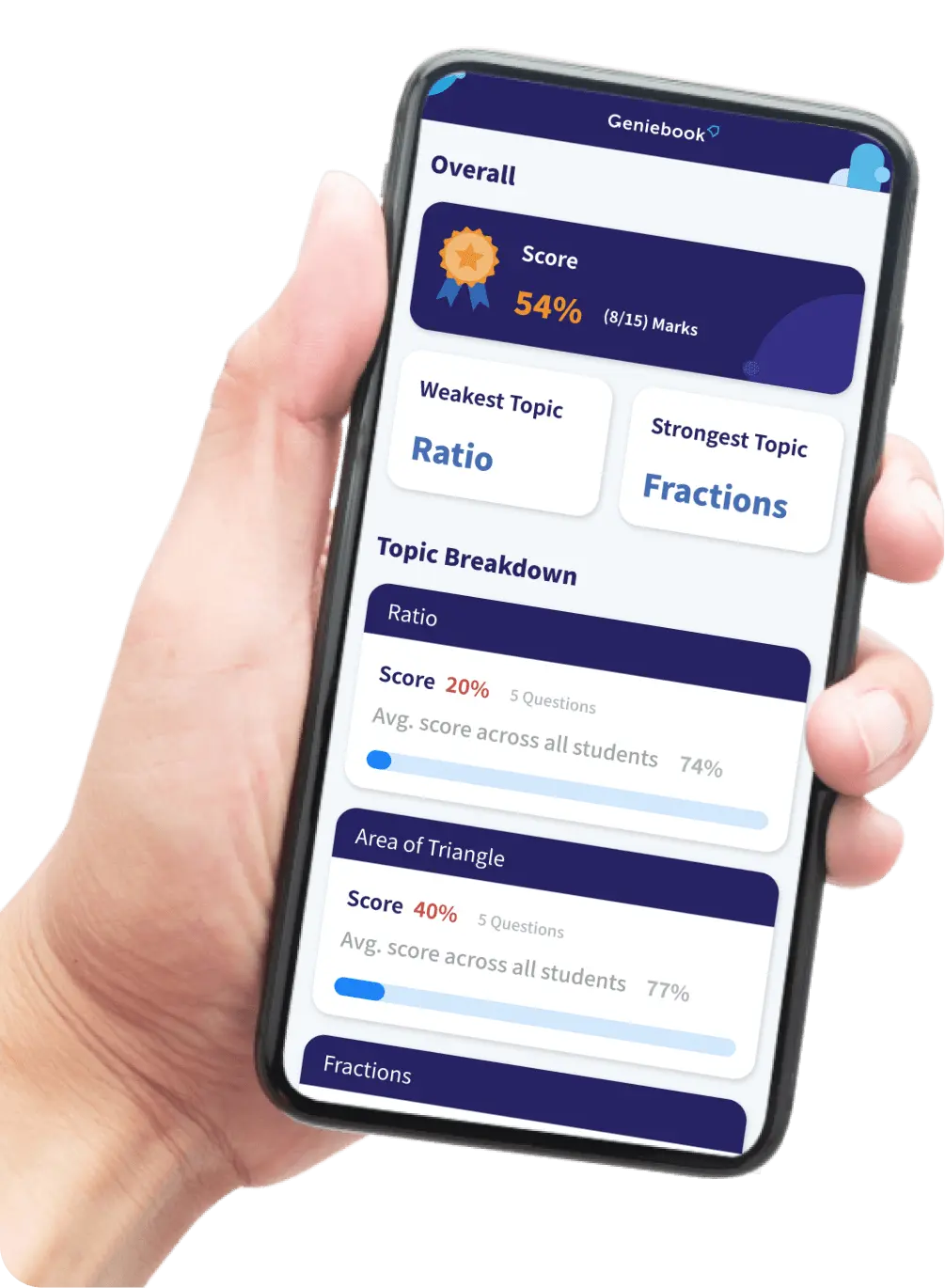
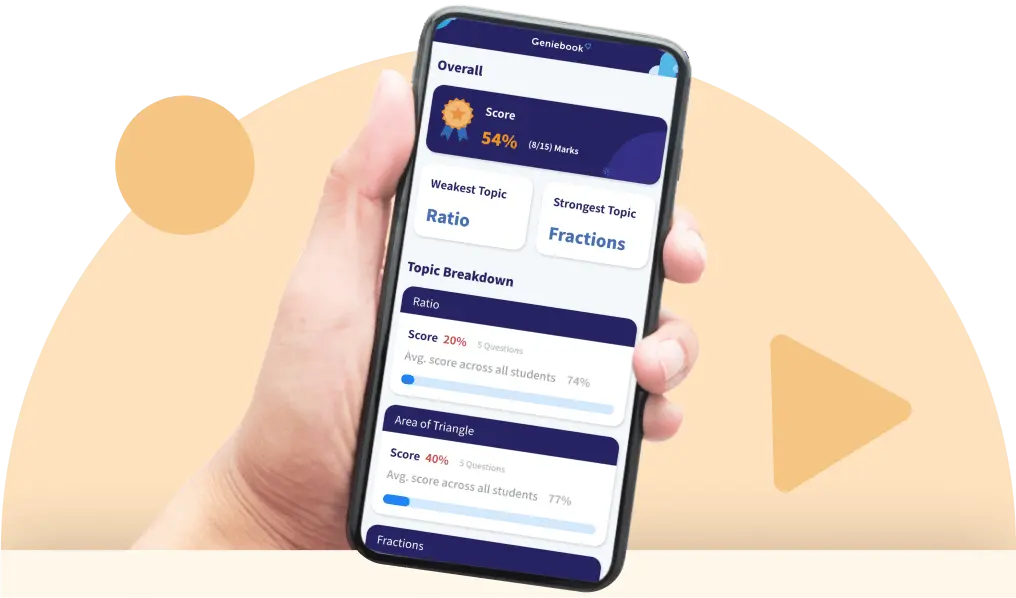
Online learning allows a student to work in a comfortable, familiar environment. This reduces the "performative" stress of being watched by peers, allowing introverted students to ask questions more freely via chat functions. The biggest advantage, however, is the integration of technology. In an online setting, every click and every answer is tracked. This data allows for a truly personalised experience where the curriculum adapts to the student in real-time. But for some parents, the concern remains: can an online platform provide the same "human touch" as a physical tutor?
Geniebook: The Best of Both Worlds
At Geniebook, we realised that parents shouldn't have to choose between human expertise and digital efficiency. We have positioned our platform to bridge the gap in the online vs physical tuition debate by combining the best elements of both.
- Human Connection: Our GenieClass sessions are not pre-recorded videos. They are live, energetic lessons led by expert teachers who engage with students through polls, real-time chats and interactive games. It provides the social spark of a physical classroom without the travel time.
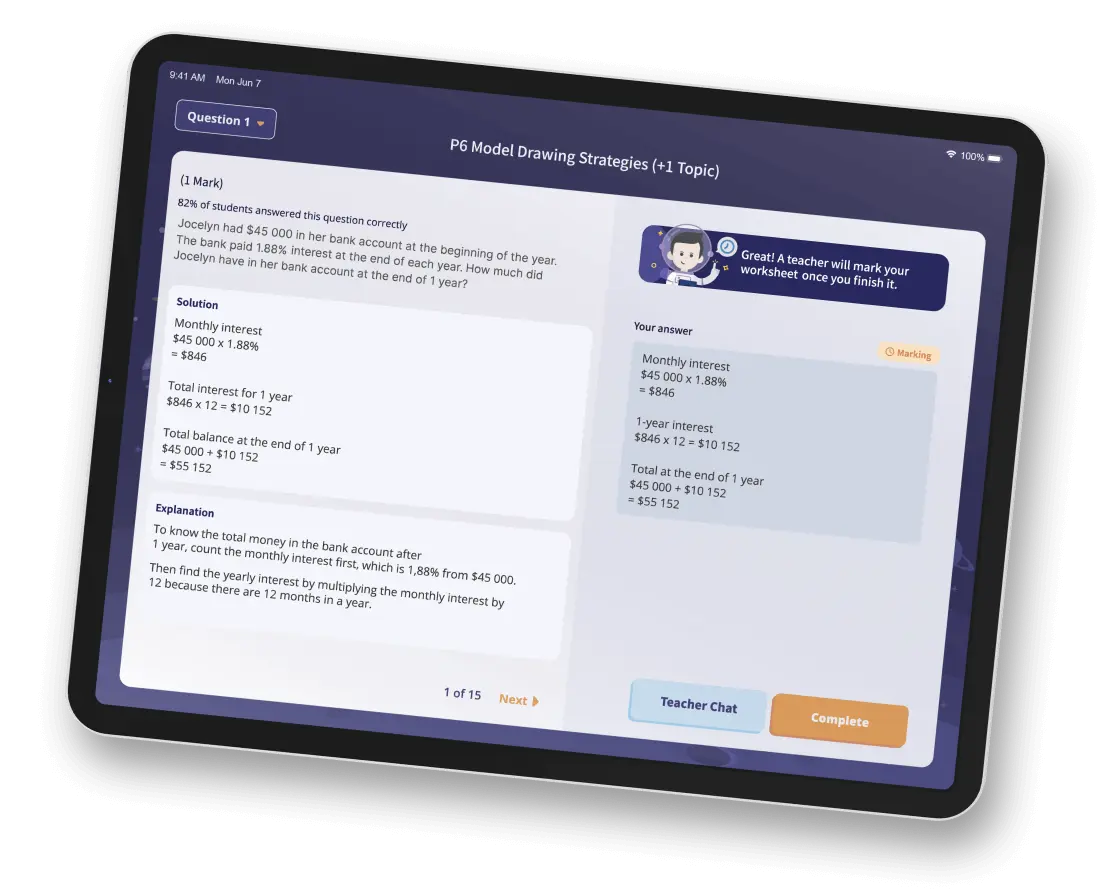
- AI Efficiency: While the teacher handles the inspiration and strategy, our AI handles the precision. Our AI-personalised worksheets ensure that your child is always working on their specific "growth edge," something no physical centre can guarantee for every individual student in a group.
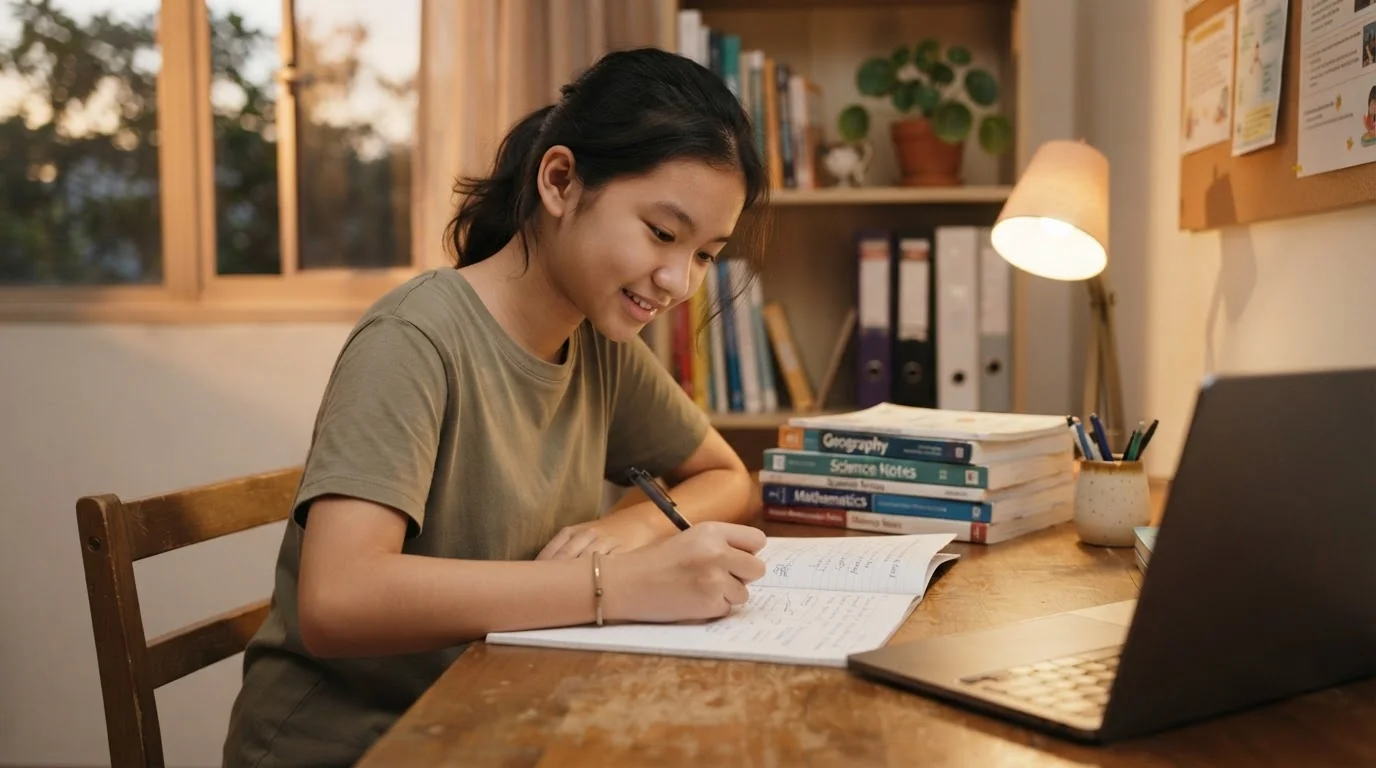
- Home Comfort with Structure: Students get the benefit of learning from their own desk, but with the structure of a professional curriculum and a supportive community.
Matching the Format to the Personality
To decide where your child sits in the online vs physical tuition spectrum, look at their daily habits. If your child is highly independent and tech-savvy, they will likely thrive in an online environment that rewards self-paced mastery. They will appreciate the ability to dive deep into topics they find interesting without waiting for a class to catch up.
On the other hand, if your child is easily distracted by home environments, you might think a physical centre is the only way. However, we have found that "gamification" often solves the focus problem better than physical supervision does. By using rewards like our "Bubbles" system, we turn the learning process into an engaging challenge. When a child is motivated by progress and rewards, the need for a physical "overseer" diminishes, and they begin to develop the independent study habits that are crucial for success in secondary school and beyond.
Logistical and Financial Considerations
We cannot ignore the practicalities of Singaporean life. The cost of physical tuition often includes the overhead of shop-front rentals and administrative staff, which is passed on to the parent. Online platforms are often more cost-effective while providing a higher volume of practice material and 24/7 access to resources.
Logistically, the "home-based" model of online tuition allows for a more balanced family life. It means more time for a proper dinner together and less time spent rushing through MRT stations. For many parents, the reduction in daily stress is just as valuable as the academic results. When the student is less exhausted from commuting, they have more mental energy to dedicate to the actual learning process.
Conclusion: A Future-Ready Choice
As we look toward the 2026 academic year, the choice in the online vs physical tuition debate should be based on efficiency and results. The traditional model served a purpose in a world without high-speed data and AI, but the modern Singaporean student needs a more agile support system.
By choosing a format that combines human teaching with the precision of AI, you aren't just helping your child pass an exam; you are teaching them how to use technology to excel in the modern world. It is about finding a learning style that builds confidence, independence and mastery in the most efficient way possible.
Book a Complimentary Strengths Analysis today to experience our "Best of Both Worlds" approach and see how it fits your child's unique learning style.