


The Ultimate Language Elective Programme: What Worldschooling Teaches Singapore Parents
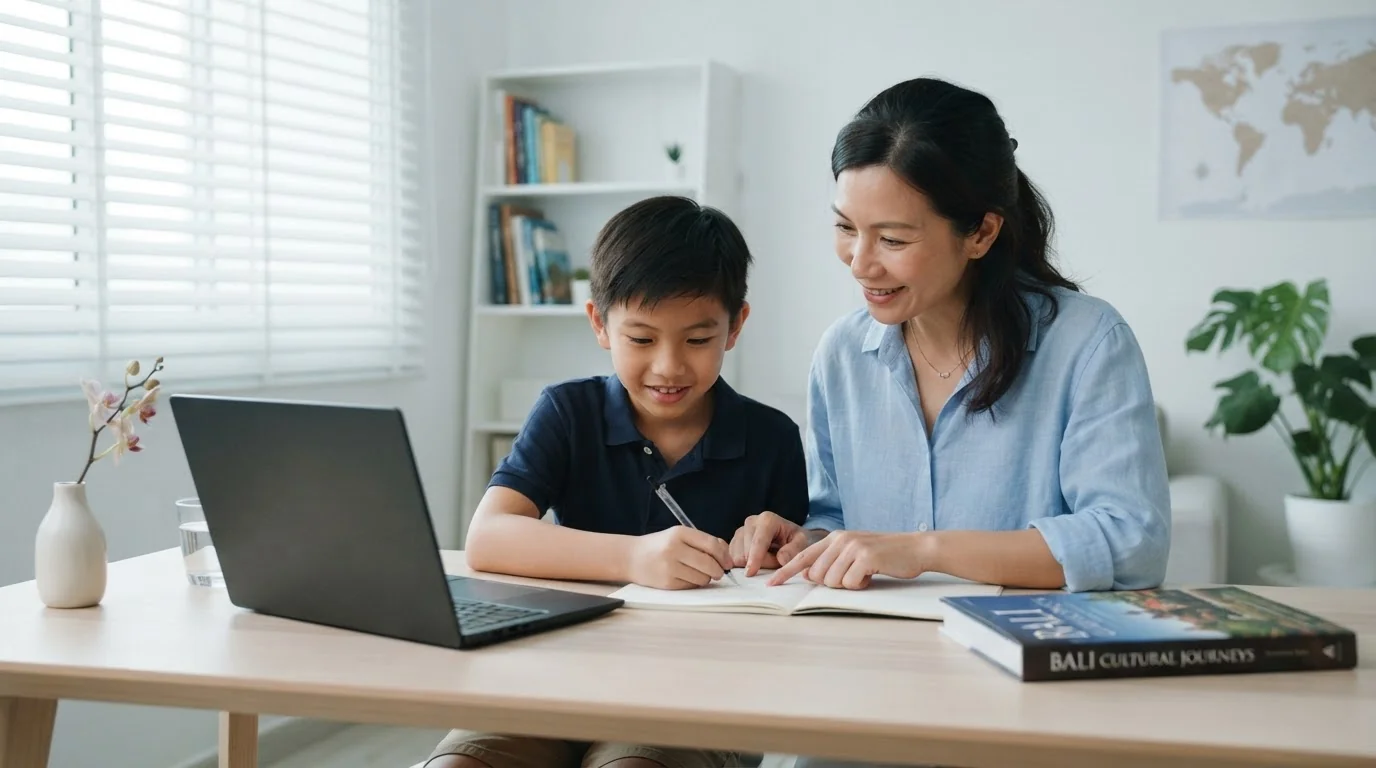
From Bali to Hoi An, How a Family Turned the World into Their Classroom
Instead of a classroom in Singapore, the Ong family's four daughters found their lessons in the rice paddies of Bali and the artisan workshops of Hoi An. This is worldschooling, a form of education where travel and deep cultural immersion replace traditional schooling. This radical approach raises a critical question for Singaporean parents: could the world itself be the most effective Language Elective Programme?
Worldschooling is a twist on homeschooling, where parents transform the globe into a boundless classroom. For the Ong family, this meant spending months living in local communities, allowing their daughters to learn through hands-on activities like farming and local crafts. This method prioritises curiosity and adaptability, a stark contrast to the structured curriculum of the Singaporean system.
How Does Worldschooling Compare to MOE Programmes?
MOE's Language Elective Programme (LEP) is a prestigious path for students with a flair for languages, aiming to cultivate deep linguistic skill and cultural knowledge. Worldschooling, while unstructured, pursues a similar outcome through the uncompromising method of total immersion. One family, the Almonds, chronicled a 13-month journey across seven continents in their book "The Everywhere Classroom". Their children’s education included immersive Portuguese lessons in Brazil and applying physics concepts to earn a PADI scuba certification in Zanzibar.
This reveals two very different paths to a similar goal. One is structured and state-sanctioned and the other is organic and family-driven.
Table: Worldschooling vs MOE Language Elective Programme
| Aspect | Worldschooling | MOE Language Elective Programme |
|---|---|---|
| Learning Environment | Real-world communities (e.g., Hoi An, Bali) | Selected IP or JC centres |
| Immersion Level | 24/7 total immersion in language and culture | Structured lessons and planned overseas immersion trips |
| Curriculum | Interest-led, organic and adaptable | MOE-set syllabus with specific literary texts and examinations |
| Assessment | Real-life problem-solving and practical application | Formal examinations (like "A" Levels) and academic projects |
| Primary Skills | Practical fluency, cultural negotiation, resilience | Advanced literary analysis, academic writing, exam proficiency |
The Benefits and Unfiltered Realities
Proponents point to the incredible life skills their children develop. Melissa Wiringi, a mother worldschooling her four children since 2020, notes the resilience, worldliness and tolerance her kids have gained. Her younger two have never even attended a formal school. The goal is to raise adaptable global citizens who are comfortable with uncertainty.
However, this educational path is not a fantasy holiday. The Almond family found that structured 'world-schooling' curricula were often too expensive and required longer stays than their travel plans allowed. The journey can also be fragile. As other families have discovered, a personal tragedy or unforeseen disaster can cut the dream short, forcing a difficult return to conventional life.
How to Cultivate a 'Worldschooling' Mindset in Singapore?
Most Singaporean families cannot simply pack up and leave their jobs. Still, the principles of worldschooling offer valuable lessons for nurturing a global perspective within the rigours of the MOE system.
- Reframe School Holidays: Move beyond simple leisure. Plan trips around a learning theme, whether it’s exploring historical sites in a neighbouring country or trying a short-term homestay.
- Explore Our Own Backyard: Treat Singapore as a living classroom. A walk through Joo Chiat can be a lesson in Peranakan culture. A visit to Sungei Buloh Wetland Reserve is a hands-on biology lesson. Cultivate curiosity close to home.
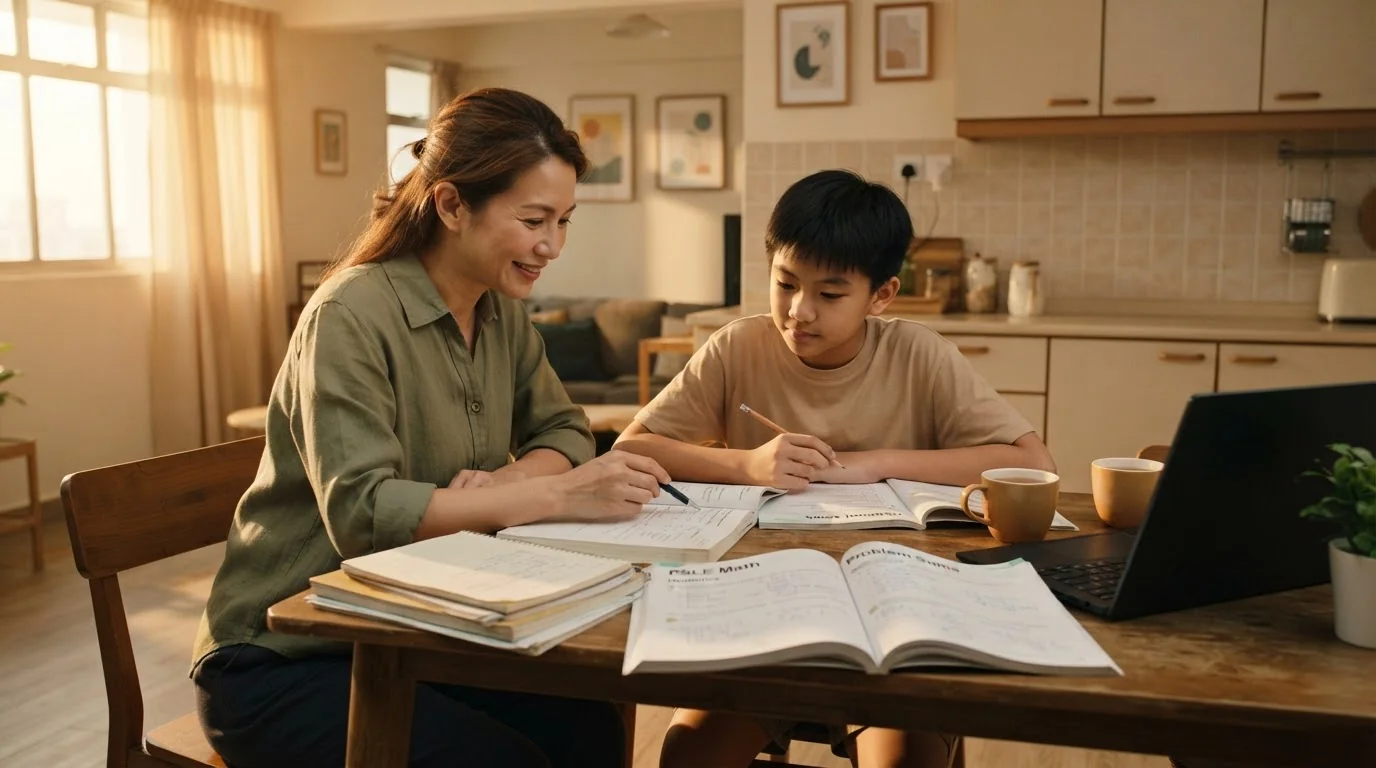
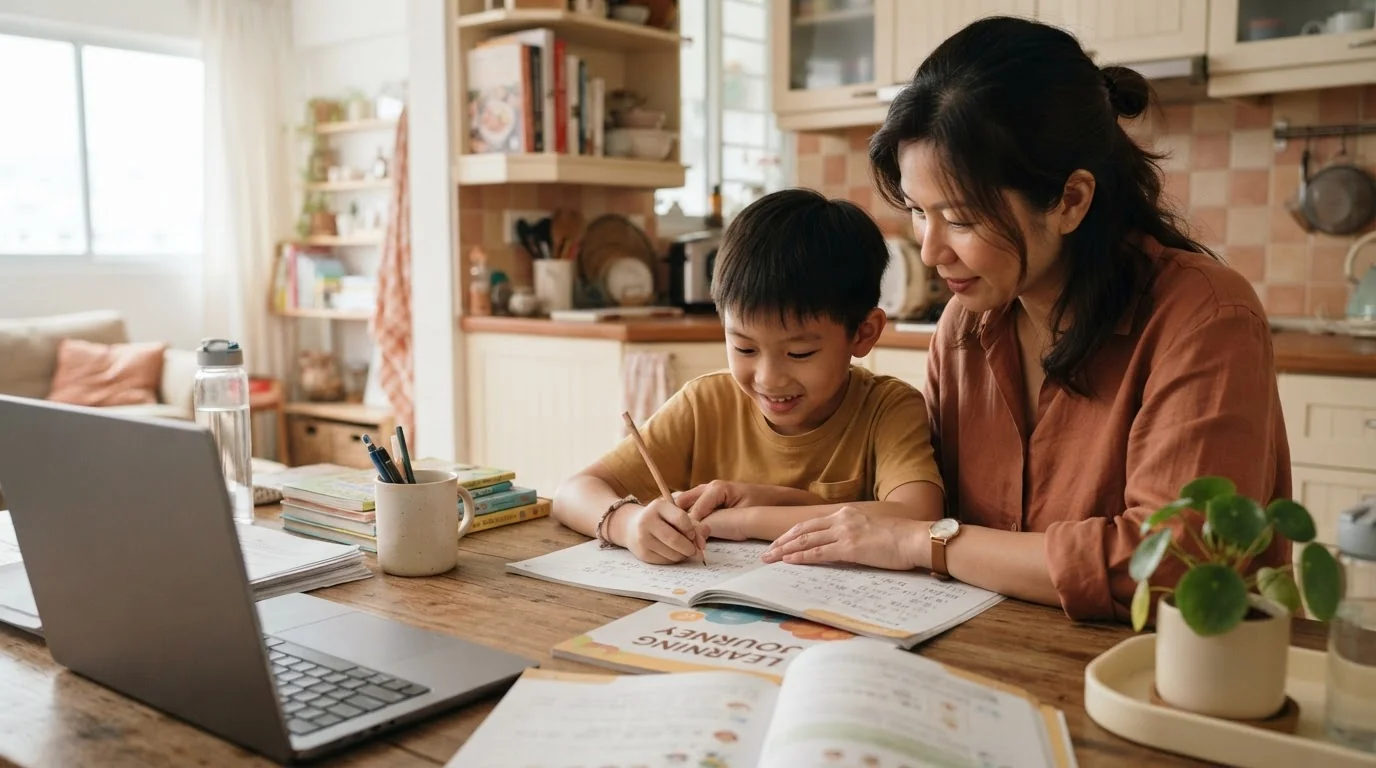
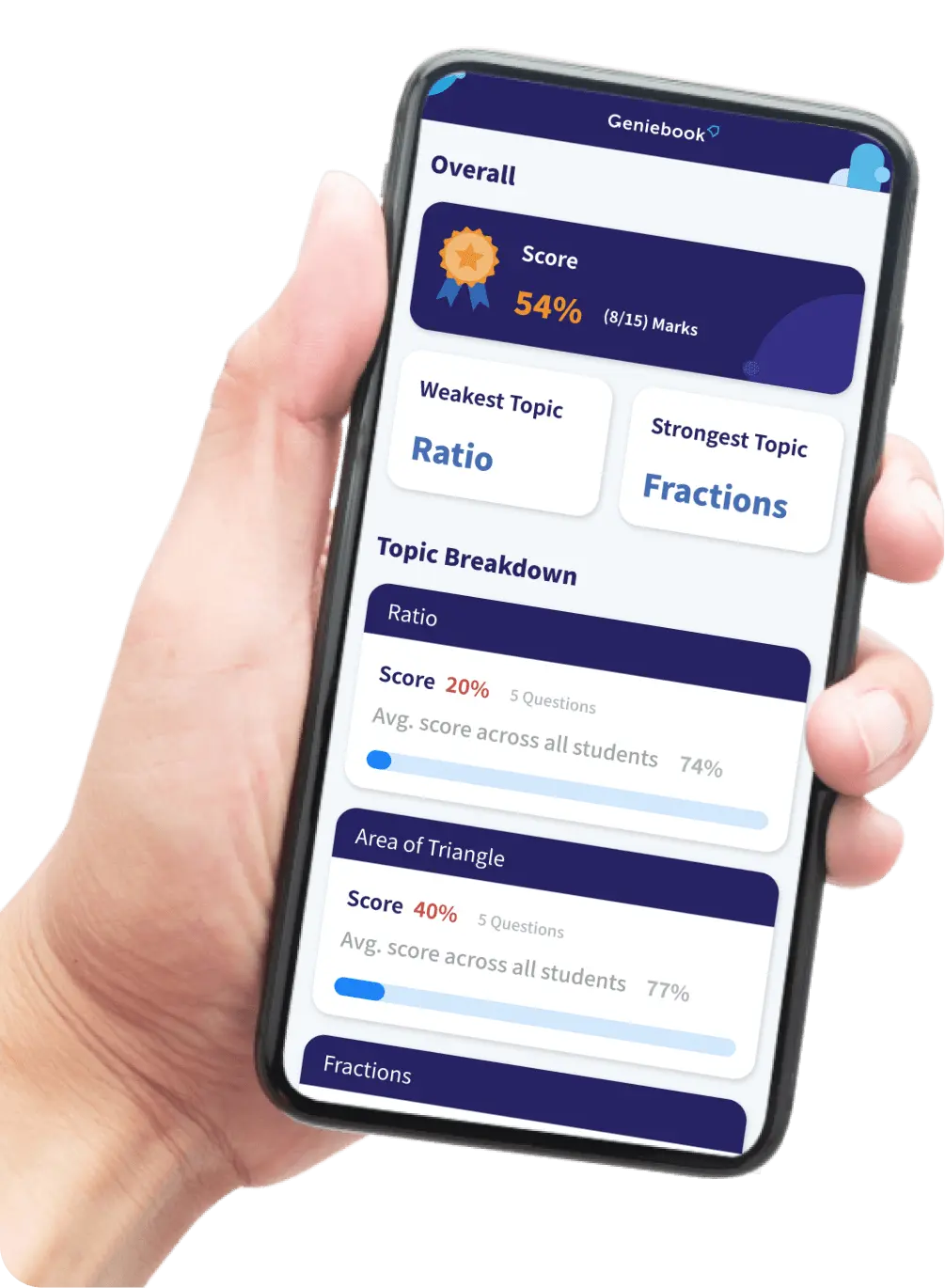
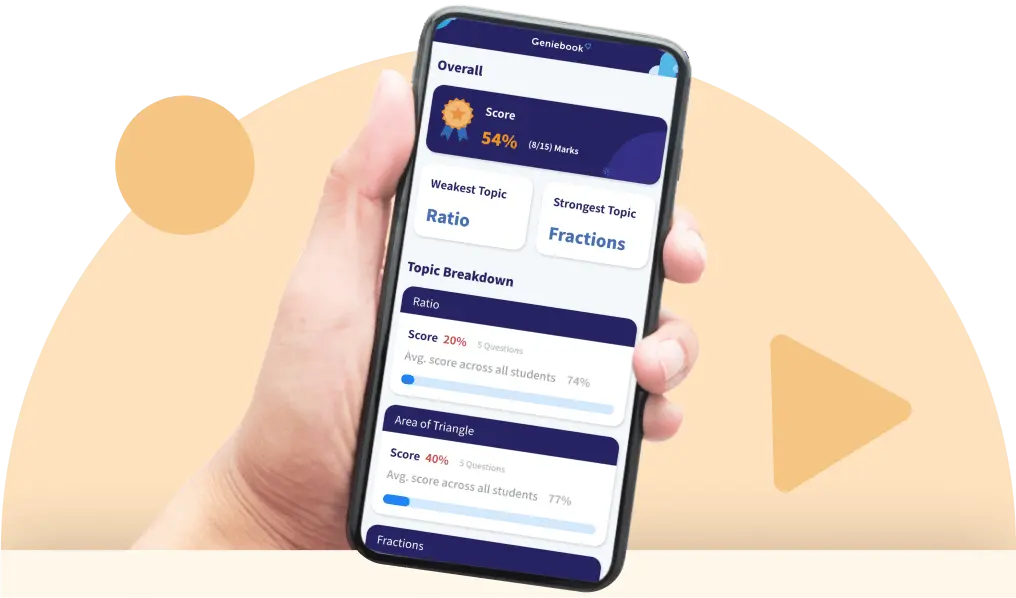
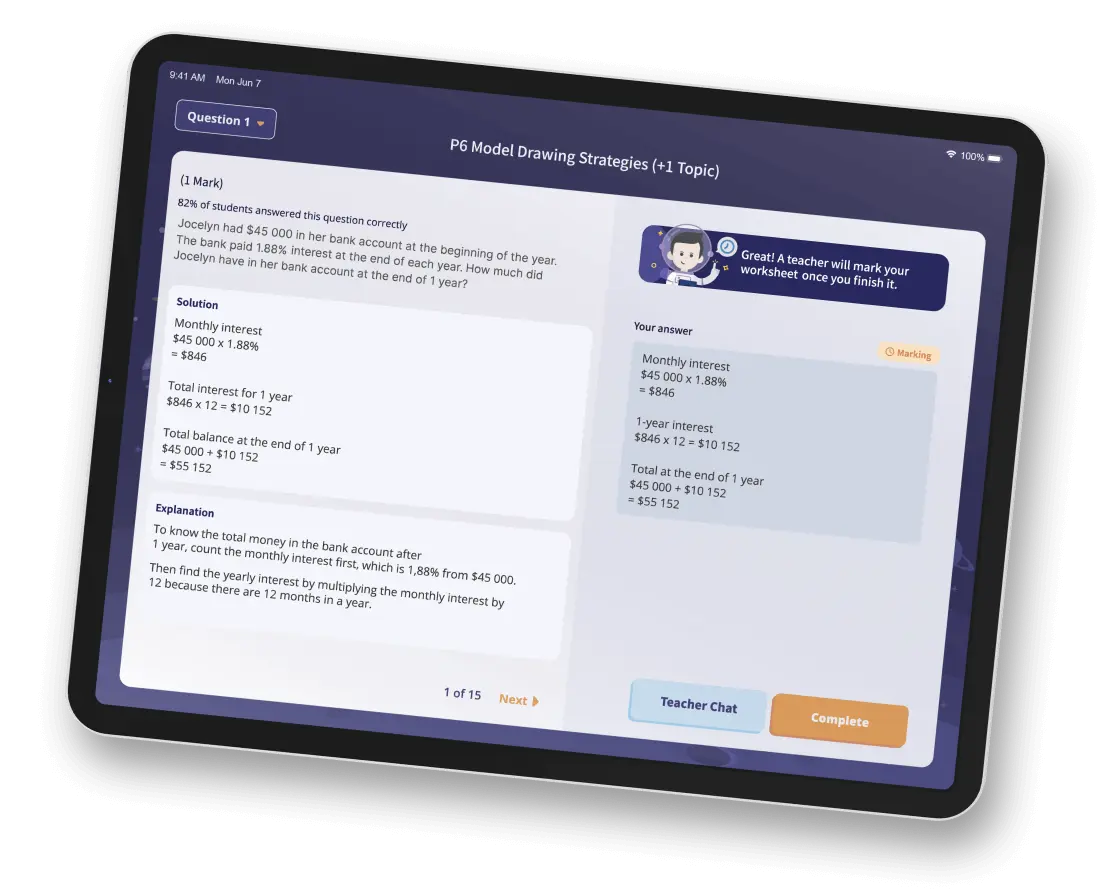
- Seek a Hybrid Model: The reality for most is balance. Use tools like Geniebook to ensure academic fundamentals in maths, English and science remain strong. This creates the confidence and free time to explore other interests, like deep cultural dives or language enrichment.
The Ong family's journey is not a prescriptive roadmap but it is a powerful reminder. It demonstrates that the skills we value: adaptability, a global perspective and deep cultural literacy, the very abilities championed by programmes like the Language Elective Programme, can be nurtured in many different ways. The classroom, it turns out, can be anywhere you want it to be.